

Is your cat constantly licking or biting its fur until the skin looks raw? Over grooming in cats can be more than just a quirky habit—it might be a sign that your furry friend is in distress.
You might feel worried, confused, or even helpless watching your cat go through this. But don’t worry. Understanding why your cat is over grooming and knowing the right treatment steps can make all the difference. You’ll discover what causes over grooming, how to spot the signs early, and most importantly, the effective treatments that can help your cat feel comfortable and happy again.
Keep reading to protect your cat’s health and well-being—you owe it to your loyal companion.
Credit: najupets.com
Causes Of Cat Over Grooming
Over grooming in cats can be puzzling and distressing for both pets and their owners. Understanding what triggers this behavior is key to helping your feline friend find relief. Several factors can cause a cat to groom excessively, each requiring different approaches to treatment.
Stress And Anxiety Triggers
Stress is a major factor behind over grooming. Changes in environment, new pets, or loud noises can make your cat feel uneasy. Have you noticed your cat grooming more after a move or a visitor’s arrival?
Stress causes cats to lick themselves as a way to self-soothe. Sometimes, this behavior spirals into excessive grooming, leading to bald spots or sores. Reducing stress might mean providing quiet spaces or maintaining a consistent daily routine.
Allergic Reactions
Allergies can make your cat’s skin itchy and uncomfortable, prompting over grooming. These allergies might come from food, pollen, dust, or even certain cleaning products.
It’s important to identify and eliminate allergens. You might need to try a special diet or change household items to see if your cat’s condition improves. Have you checked if your cat’s grooming spikes during certain seasons or after eating specific foods?
Parasites And Skin Infections
Parasites like fleas or mites cause itching that leads cats to groom excessively. Skin infections, whether bacterial or fungal, can also create irritation and discomfort.
Regular flea control and veterinary check-ups can catch these issues early. Ignoring them can worsen your cat’s skin condition and grooming habits. Do you routinely inspect your cat for signs of parasites?
Underlying Medical Conditions
Sometimes, over grooming signals deeper health problems like arthritis, thyroid issues, or pain in certain body areas. Your cat might lick a spot repeatedly because it hurts or feels abnormal.
A vet visit is crucial to rule out these medical causes. Blood tests, skin scrapings, or X-rays might be necessary to get to the root of the problem. Are you aware of any health changes in your cat that coincide with their over grooming?
:strip_icc()/spruce-pets-cat-bathroom-7b6ae6d8f3d940b9a82141be03734144.png)
Credit: www.thesprucepets.com
Signs To Identify Over Grooming
Spotting the signs of over grooming in your cat early can save them from discomfort and more serious health problems. Over grooming is more than just a quirky habit—it’s often a signal that something is wrong physically or emotionally. Recognizing the warning signs will help you act quickly and get your cat the care they need.
Hair Loss Patterns
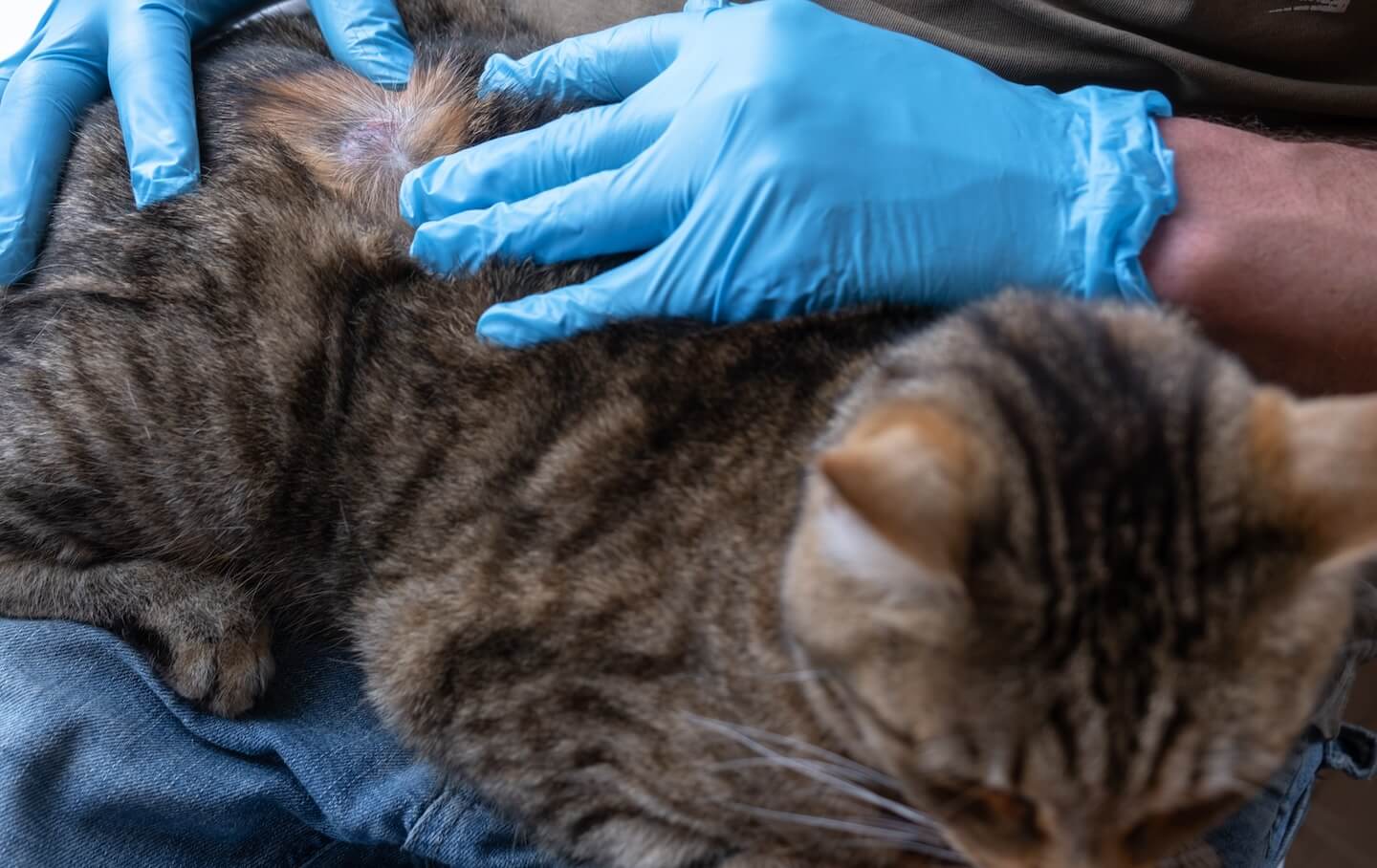
One of the clearest signs of over grooming is noticeable hair loss. You might see bald patches, especially on areas like the belly, legs, or around the neck where collars sit. These patches usually have a smooth, shiny appearance, different from normal shedding.
Have you noticed your cat’s fur thinning unevenly or in specific spots? This pattern can help differentiate between over grooming and other causes of hair loss like fleas or allergies. Keep an eye on how quickly these areas appear and spread—it can be a crucial clue for your vet.
Skin Irritations And Sores
Over grooming often leads to irritated skin. Look for redness, scabs, or even open sores where your cat licks or bites excessively. These areas might be tender or warm to the touch, indicating inflammation.
If your cat has scratched or bitten the same spot repeatedly, it can cause painful wounds that may become infected. This not only affects their comfort but also signals that the problem behind the over grooming—like stress or allergies—needs attention. Have you noticed your cat licking a spot until it looks raw?
Behavioral Changes
Changes in your cat’s behavior can give you important clues about over grooming. Your cat might seem more restless, anxious, or even withdrawn. They may groom more frequently or suddenly start avoiding places or people they used to enjoy.
Sometimes, over grooming is a response to stress or boredom. Has your cat been spending more time alone or showing signs of anxiety? Observing these shifts can help you understand what might be triggering the behavior and how to support your pet better.
Veterinary Diagnosis Steps
Understanding why your cat is over grooming requires a careful and detailed veterinary diagnosis. This process helps uncover the root cause of the behavior, whether it’s due to allergies, infections, or other health issues. Knowing what happens during diagnosis can prepare you for the visits and tests your cat may need.
Physical Examination
The vet begins with a thorough physical examination. They will check your cat’s skin, coat, and overall condition. Look closely as the vet examines areas where your cat licks or scratches the most.
Have you noticed any redness, swelling, or hair loss? These signs give crucial clues about irritation or pain your cat might be experiencing.
Allergy Testing
Allergies often cause over grooming in cats. The vet may suggest allergy testing to identify specific triggers. This can include food allergies or environmental factors like pollen or dust mites.
Testing might involve blood tests or elimination diets to see if symptoms improve when certain foods or substances are removed. Your input about your cat’s environment and diet is essential here.
Skin Scrapings And Cultures
Skin scrapings help detect parasites, fungal infections, or bacterial overgrowth. The vet gently scrapes the surface of the skin to collect samples for microscopic examination.
These tests can reveal mites or ringworm, which are common causes of itching and excessive grooming. Cultures may also be taken to identify bacteria and determine the right treatment.
Blood Work
Blood tests provide a deeper look into your cat’s overall health. They can reveal underlying conditions like hormonal imbalances or infections that might not show on the skin.
Results from blood work help guide treatment decisions and monitor your cat’s progress. Have you ever been surprised by what a simple blood test revealed about your pet’s health?
Medical Treatments To Stop Over Grooming
Medical treatments can help stop over grooming in cats. They target the root causes like skin problems, anxiety, parasites, and allergies. A vet will choose the right treatment based on the cat’s condition. Early care improves the cat’s comfort and health.
Medications For Skin Issues
Skin problems often cause cats to over groom. Vets may prescribe creams, ointments, or oral medicines. These help reduce itching and heal wounds. Some medications fight infections or inflammation. Proper treatment stops the cat from licking and scratching too much.
Anti-anxiety Drugs
Stress and anxiety lead to over grooming in many cats. Anti-anxiety drugs calm the cat’s nerves. These medicines reduce nervous energy and compulsive licking. They help cats feel more relaxed and secure. Always follow the vet’s instructions on dosage and duration.
Parasite Control
Parasites like fleas cause intense itching. Cats scratch and groom to relieve discomfort. Flea treatments stop the parasites and ease itching fast. Vets recommend topical drops, sprays, or oral pills. Regular parasite control keeps cats healthy and calm.
Allergy Management
Allergies trigger skin irritation and over grooming. Identifying allergens is key to treatment. Vets may suggest special diets or allergy shots. Medicines can reduce allergic reactions and itching. Managing allergies helps prevent future skin problems.
Home Remedies And Care Tips
Over grooming in cats often signals stress or discomfort. Home remedies and simple care tips can help ease your cat’s condition. Creating a calm and engaging environment supports healing and reduces excessive grooming.
Environmental Enrichment
Provide toys and scratching posts to keep your cat busy. Change play items regularly to maintain interest. Create quiet spots where your cat can relax without disturbance. Window perches offer a view of the outside world, which stimulates curiosity. Rotate toys to prevent boredom and encourage natural behaviors.
Stress Reduction Techniques
Keep a consistent daily routine to help your cat feel secure. Use pheromone diffusers to calm anxious cats. Soft music or white noise can reduce sudden loud sounds. Offer gentle petting and avoid sudden movements. Separate your cat from stressful situations or other pets temporarily.
Proper Nutrition
Feed a balanced diet rich in omega-3 and omega-6 fatty acids. These nutrients improve skin health and reduce itching. Provide fresh water at all times to keep skin hydrated. Avoid foods that cause allergies or sensitivities. Consult your vet for diet recommendations specific to your cat.
Regular Grooming Support
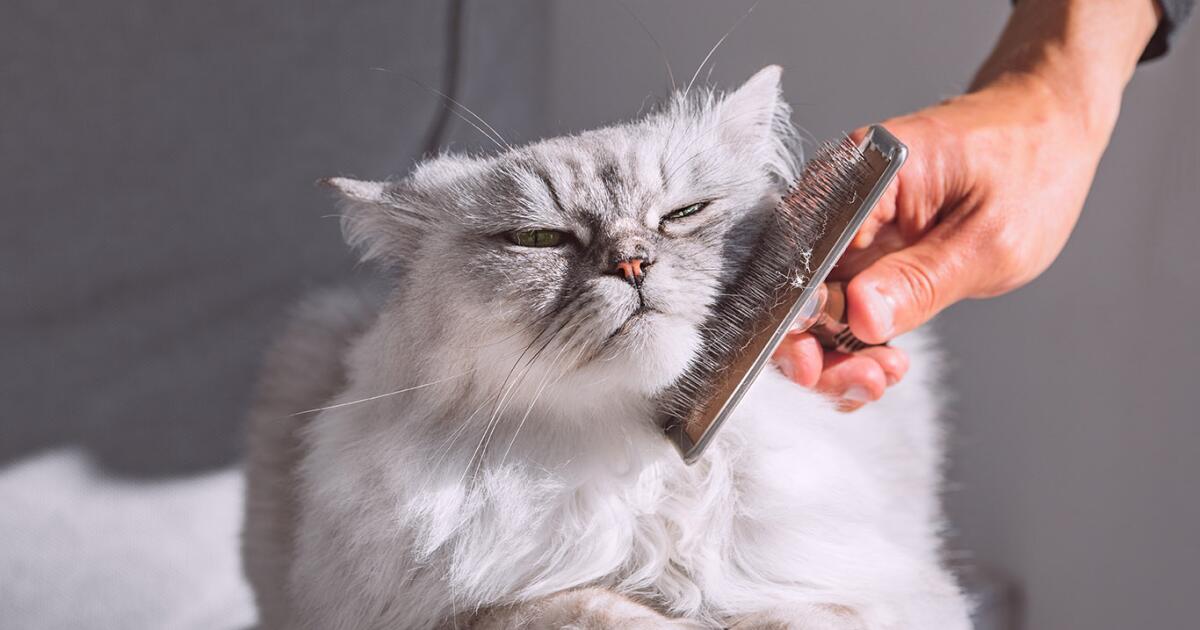
Brush your cat daily to remove loose fur and dirt. Use gentle grooming tools to prevent skin irritation. Check skin regularly for wounds or redness. Bathing is rarely needed but can be done with vet-approved shampoos. Grooming sessions help build trust and comfort between you and your cat.
Behavioral Therapies
Behavioral therapies play a crucial role in treating over grooming in cats. These therapies help address the root causes of stress and anxiety. Changing the cat’s environment and routine can reduce the urge to over groom. These strategies focus on improving the cat’s mental well-being.
Interactive Playtime
Engaging your cat with regular playtime helps burn excess energy. Use toys that mimic hunting, like feather wands or laser pointers. Short, frequent play sessions keep your cat mentally and physically active. This distraction lowers stress and reduces over grooming habits.
Comfort And Security Enhancements
Creating a safe and cozy space calms anxious cats. Provide soft bedding in quiet areas away from noise. Adding hiding spots helps your cat feel secure and less stressed. Consistent routines and gentle handling also improve comfort and trust.
Use Of Pheromone Products
Pheromone diffusers or sprays release calming scents cats naturally recognize. These products help reduce anxiety and tension in the home. Place diffusers in rooms where your cat spends most time. The calming effect can decrease excessive grooming and improve mood.
Preventing Over Grooming Recurrence
Preventing the recurrence of over grooming in cats requires consistent care and attention. Over grooming can signal stress or health problems. Keeping your cat comfortable and healthy helps reduce these behaviors. Regular habits and a calm atmosphere make a big difference.
Routine Vet Checkups
Schedule regular visits to the vet for your cat. These checkups help catch health issues early. Skin problems or allergies often cause over grooming. The vet can suggest treatments to keep your cat’s skin healthy. Regular checkups also track your cat’s overall well-being.
Monitoring Behavioral Changes
Watch your cat’s behavior closely. Sudden changes can signal stress or discomfort. Notice if your cat spends more time grooming or seems anxious. Early spotting of these signs helps you act quickly. Record behaviors to share with your vet if needed.
Maintaining A Calm Environment
Create a peaceful space for your cat to relax. Loud noises or too much activity can cause stress. Provide quiet areas with cozy beds or hiding spots. Playtime and gentle interaction help reduce anxiety. A calm environment supports your cat’s emotional health.
Credit: www.latimes.com
Frequently Asked Questions
What Causes Over Grooming In Cats?
Over grooming in cats often results from stress, allergies, infections, or parasites. It can also be due to boredom or underlying health issues. Identifying the cause helps in effective treatment and prevention of further skin damage.
How Can I Stop My Cat From Over Grooming?
To stop over grooming, address the root cause like allergies or stress. Provide a calm environment, regular playtime, and use vet-recommended treatments. Monitoring your cat’s behavior and consulting a vet is essential for proper care.
What Treatments Help Cats With Over Grooming?
Treatments include antihistamines, anti-parasitic medications, stress reduction techniques, and topical ointments. Your vet may suggest behavior therapy or environmental changes. Early intervention ensures quicker healing and prevents long-term skin problems.
When Should I See A Vet For Over Grooming?
See a vet if your cat’s grooming causes hair loss, sores, or bleeding. Persistent or worsening symptoms require professional diagnosis. Early vet consultation can prevent complications and identify serious underlying conditions.
Conclusion
Caring for a cat with grooming issues is important. It helps them stay healthy and comfortable. Try to understand their needs and adjust their environment. Consider visiting a vet for expert advice. They can provide tailored treatments for your cat’s condition.
Regular checks ensure your cat’s well-being. A happy cat means a happy home. Creating a stress-free environment also aids recovery. Keep an eye on their behavior. Any changes might need attention. Building a strong bond with your pet helps in managing over grooming.
Your love and care make a big difference.
