

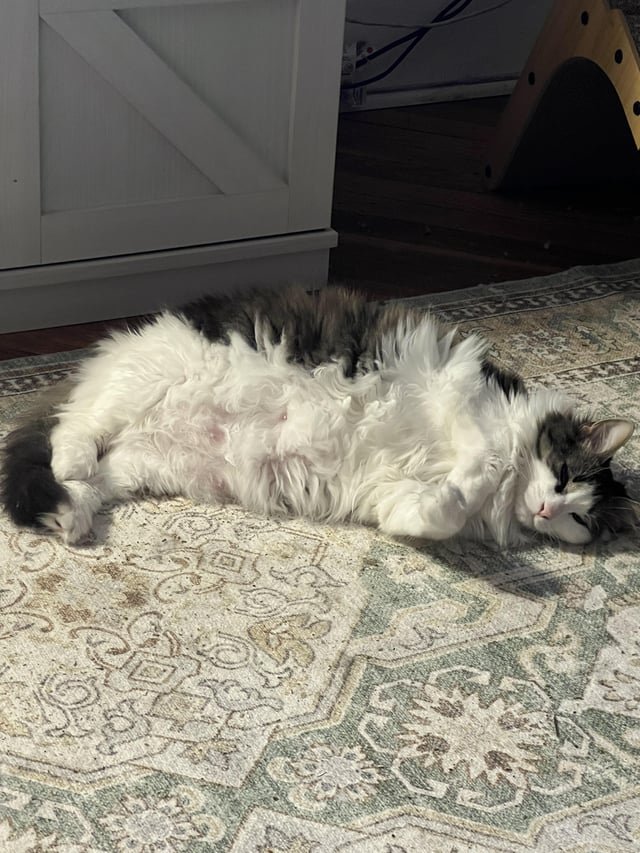
Have you noticed your cat licking or scratching itself more than usual? Over grooming in cats can be more than just a quirky habit—it might be a sign that something isn’t quite right.
If you’re wondering why your furry friend spends hours cleaning or has bald patches, this article is for you. Understanding over grooming can help you protect your cat’s health and happiness. Keep reading to discover what causes this behavior and how you can help your cat feel better.
Causes Of Over Grooming
Over grooming in cats can be puzzling and concerning. Understanding what triggers this behavior is key to helping your feline friend feel comfortable and healthy. The causes vary widely, from physical discomfort to emotional distress, and pinpointing the root can guide you toward the right solution.
Stress And Anxiety
Cats are sensitive to changes in their environment. Moving to a new home, the arrival of a new pet, or loud noises can cause stress. This anxiety often shows up as excessive grooming, which may seem like a way for your cat to soothe itself.
Have you noticed your cat licking or biting itself more after a stressful event? Recognizing this link can help you create a calmer space for your pet.
Allergies And Skin Irritations
Just like people, cats can develop allergies to food, pollen, or household chemicals. These allergies often cause itchy skin, prompting your cat to groom excessively. If you spot redness, bumps, or hair loss, allergies might be the culprit.
Consider if you recently changed your cat’s diet or cleaning products. Identifying and removing allergens can reduce over grooming and improve your cat’s comfort.
Parasites And Infections
Parasites such as fleas or mites can make your cat’s skin itchy and uncomfortable. Infections, whether bacterial or fungal, also cause irritation. Both conditions lead cats to groom themselves more to relieve the itch.
Regular check-ups and flea prevention can stop these issues before they start. Have you checked your cat for fleas or unusual skin changes lately?
Behavioral Issues
Sometimes, over grooming is a sign of deeper behavioral problems. Cats may groom excessively out of boredom or because they lack stimulation. This repetitive behavior can become a habit that’s hard to break.
Ensuring your cat has plenty of toys, playtime, and interaction can reduce over grooming caused by boredom. What activities do you offer your cat to keep it mentally and physically engaged?

Credit: pennypaws.com
Signs To Watch For
Noticing signs of over grooming in your cat early can make a big difference. Your cat might not tell you directly, but their body language and habits do. Paying attention to subtle changes helps you act before things get worse.
Bald Patches And Redness
Look closely at your cat’s fur for any bald patches. These areas often appear where your cat licks or bites repeatedly. Redness or irritated skin around these patches is a clear warning sign.
Have you ever felt how sensitive your skin gets after scratching too much? Your cat’s skin reacts the same way. If you spot these signs, it’s time to check for underlying causes like allergies or stress.
Excessive Licking Habits
Observe how often your cat licks itself. Normal grooming is healthy, but licking that lasts for long periods or happens more than usual might signal a problem. You might even catch your cat licking the same spot over and over.
Try to notice if your cat’s licking disrupts its daily routine. Excessive licking can lead to sores or infections, which only make your cat more uncomfortable. Could your cat be trying to soothe an itch or anxiety?
Changes In Behavior
Over grooming often comes with changes in how your cat behaves. Your usually calm cat might become restless, hide more, or even act aggressive. Sometimes, these behavior shifts are your cat’s way of expressing discomfort.
Ask yourself if your cat’s mood or activity level has shifted recently. These changes can help you spot over grooming early and figure out what might be stressing your pet. How well do you know your cat’s normal behavior patterns?
Veterinary Diagnosis
Veterinary diagnosis plays a crucial role in understanding why your cat may be over grooming. This behavior often signals underlying health issues that need professional attention. Identifying the root cause early can prevent further discomfort for your feline friend and help you restore their well-being.
Physical Examination
Your vet will start with a thorough physical examination. They check your cat’s skin, coat, and overall body condition closely. This helps spot any visible wounds, redness, or bald patches caused by excessive grooming.
Sometimes, subtle signs like inflammation or hair texture changes reveal hidden problems. The vet might also observe your cat’s behavior during the exam to see if grooming appears compulsive or stress-related. Have you noticed if your cat grooms more after certain events or at specific times?
Allergy Testing
Allergies can drive cats to over groom, trying to soothe itchy skin. Your vet may recommend allergy testing to identify potential triggers such as food ingredients, pollen, or dust mites. This testing often includes blood tests or skin prick tests.
Finding the exact allergen can be tricky but is vital for effective treatment. Once identified, you can adjust your cat’s environment or diet. Have you considered how changes in your home might be affecting your cat’s skin health?
Skin Scrapings And Cultures
Skin scrapings allow your vet to collect samples from affected areas to check for parasites, bacteria, or fungal infections. These microscopic examinations reveal infections that might not be obvious to the naked eye. Cultures can grow any bacteria or fungi present, confirming the diagnosis.
This step is important because infections can worsen if left untreated and cause your cat to groom even more. Targeted treatment based on these results often leads to quicker relief. Have you ever thought about how invisible infections might be hiding under your cat’s fur?
Treatment Options
Over grooming in cats can be frustrating and concerning for any pet owner. Luckily, there are several treatment options that can help manage and reduce this behavior. Understanding these options can empower you to make the best decisions for your furry friend’s health and happiness.
Medications And Topicals
Medications can play a key role if your cat’s over grooming is linked to allergies, infections, or anxiety. Your vet may prescribe antihistamines, antibiotics, or anti-anxiety drugs depending on the underlying cause.
Topical treatments like medicated shampoos or creams can soothe irritated skin and discourage further licking. I once had a cat who improved dramatically with a simple steroid cream prescribed by our vet, stopping the cycle of constant licking.
Always follow the vet’s instructions carefully and monitor your cat for any side effects. Have you noticed if your cat’s grooming spikes at certain times or after specific exposures? This info can guide the right medication choice.
Behavioral Therapy
Behavioral therapy targets the root causes of stress or anxiety that lead to over grooming. Techniques may include positive reinforcement, distraction, or desensitization to triggers.
For instance, if your cat over grooms when left alone, gradually increasing the time you spend apart while providing treats can help ease anxiety. Consistency and patience are key during this process.
Have you tried redirecting your cat’s attention during grooming episodes? Simple games or interactive toys can sometimes break the habit before it worsens.
Environmental Enrichment
Enhancing your cat’s environment can reduce boredom and stress, common causes of over grooming. Adding scratching posts, climbing trees, and cozy hiding spots can make a big difference.
Changing the environment might seem small, but for a cat, it can create new mental and physical stimulation that pulls focus away from grooming. I once added window perches and noticed my cat spent less time licking and more time watching birds.
Think about your cat’s daily routine—are there opportunities to add variety and play? Even small changes might prevent over grooming before it starts.
Preventing Over Grooming
Preventing over grooming in cats is key to keeping them healthy and happy. Over grooming often signals stress, irritation, or health problems. Taking simple steps can stop this behavior before it starts. Focus on creating a calm environment, maintaining good health, and providing proper nutrition. These actions support your cat’s well-being and reduce the risk of over grooming.
Managing Stress
Stress is a major cause of over grooming. Cats need a peaceful and stable environment. Provide quiet spaces where your cat can relax. Use calming tools like pheromone diffusers or soft music. Keep routines consistent, including feeding and playtime. Avoid sudden changes that can upset your cat. Spend quality time petting and playing to build trust.
Regular Parasite Control
Parasites such as fleas irritate the skin and cause itching. Regular parasite control prevents discomfort and over grooming. Use vet-approved flea treatments and check your cat often. Keep bedding clean and wash it frequently. Inspect your cat’s coat for signs of pests. Early parasite control stops skin problems before they worsen.
Balanced Nutrition
A healthy diet supports skin and fur health. Feed your cat balanced meals with essential nutrients. Omega-3 and omega-6 fatty acids improve coat quality. Avoid foods that cause allergies or sensitivities. Fresh water should always be available. Consult your vet about special diets for skin issues. Good nutrition helps reduce itching and over grooming.
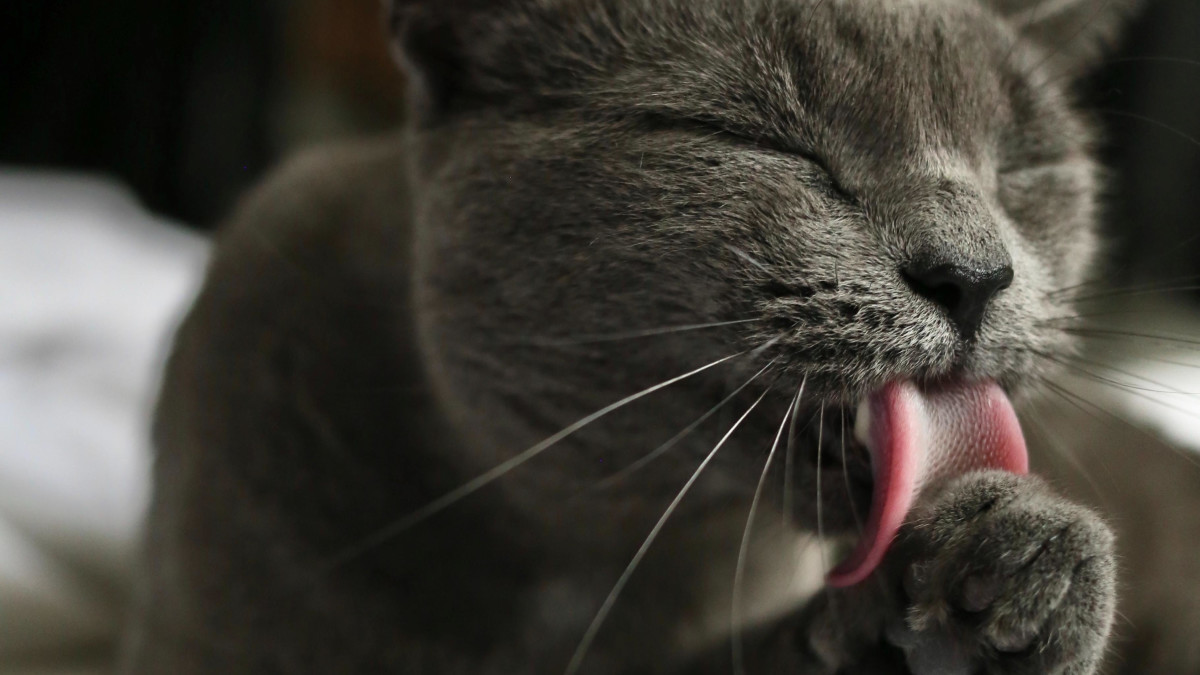
Credit: pethelpful.com
Home Care Tips
Over grooming in cats can cause skin damage and discomfort. Proper home care helps manage this behavior and supports your cat’s health. Focus on gentle grooming, a peaceful space, and watching fur condition closely. These tips reduce stress and prevent further issues.
Grooming Techniques
Use a soft brush to remove loose fur daily. Avoid harsh brushing that can irritate the skin. Trim nails carefully to reduce scratching. Bathe only if necessary, using cat-safe shampoo. Pat dry gently to keep skin calm.
Creating A Calm Environment
Provide quiet areas for your cat to relax. Use cozy beds and hiding spots to reduce anxiety. Limit loud noises and sudden movements. Play soothing music or use pheromone diffusers to create comfort. Spend time petting calmly to build trust.
Monitoring Fur Health
Check your cat’s fur and skin regularly. Look for redness, bald patches, or scabs. Note any changes in grooming habits or fur texture. Keep a journal to track progress and share with your vet. Early detection helps prevent serious problems.

Credit: www.reddit.com
Frequently Asked Questions
What Causes Cats To Over Groom Themselves?
Cats may over groom due to stress, allergies, parasites, or skin infections. Medical issues and anxiety often trigger excessive licking or chewing.
How Can I Tell If My Cat Is Over Grooming?
Look for bald patches, redness, or scabs on your cat’s skin. Excessive grooming often leads to visible hair loss or irritated skin.
Can Over Grooming Harm My Cat’s Health?
Yes, over grooming can cause skin wounds, infections, and hair loss. It can also lead to discomfort and emotional distress.
How Do Vets Treat Over Grooming In Cats?
Treatment includes addressing underlying causes like allergies or parasites. Vets may recommend medications, behavior modification, or calming aids.
Conclusion
Over grooming in cats can cause serious health problems. Watch your cat’s behavior closely. Early signs help prevent skin damage and stress. Provide a calm space and regular care. Consult a vet if grooming seems excessive. Healthy cats enjoy a balanced and happy life.
Taking small steps protects your furry friend well. Keep your cat comfortable and loved every day.
