

Have you noticed your cat licking or scratching itself more than usual? Over grooming in cats can be a sign that something is wrong, but it’s often overlooked.
If your furry friend is spending too much time grooming, it might lead to hair loss, skin problems, or even pain. Understanding why your cat is over grooming is the first step to helping them feel better. Keep reading to discover the hidden reasons behind this behavior and what you can do to protect your cat’s health and happiness.
Signs Of Over Grooming
Over grooming in cats is a sign of stress or health issues. It occurs when a cat grooms itself too much, causing harm. Spotting the signs early helps protect your cat’s health. Watch for changes in behavior and physical appearance. These signs show your cat needs attention and care.
Behavioral Indicators
- Excessive licking or biting of fur and skin
- Repeated grooming in one area for long periods
- Restlessness or increased anxiety
- Avoidance of play or social interaction
- Changes in sleeping or eating habits
- Frequent scratching or pawing at the body
Physical Symptoms
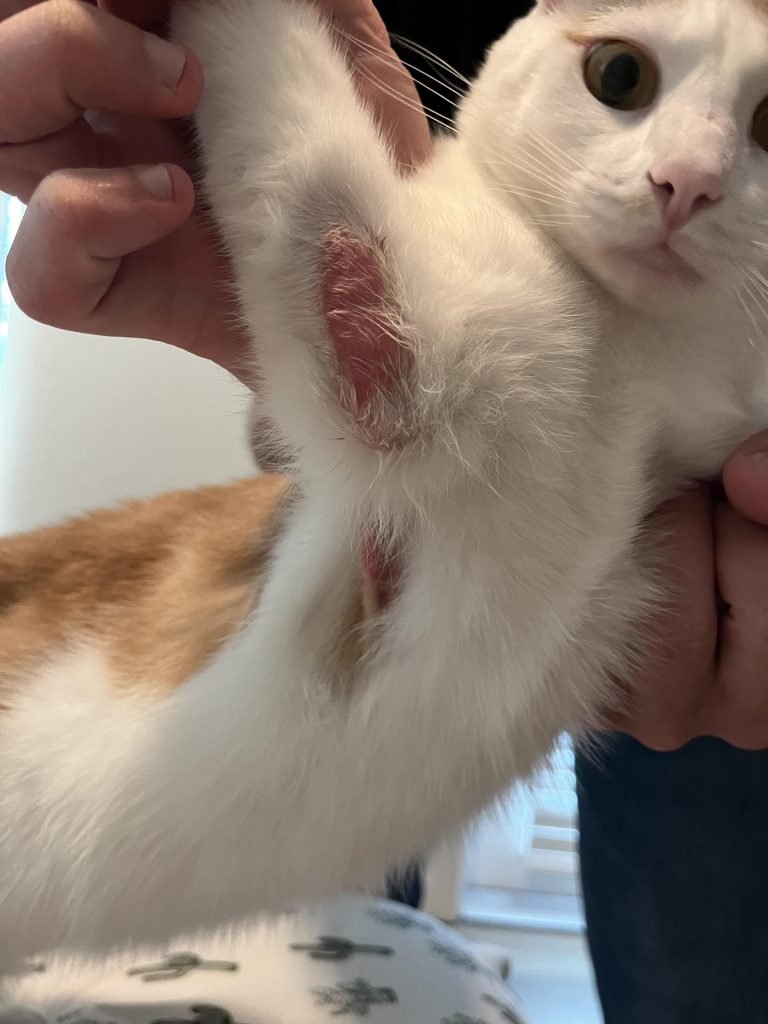
- Bald patches or thinning fur
- Red, inflamed, or irritated skin
- Open sores or scabs from biting or licking
- Dry or flaky skin areas
- Swelling or unusual lumps on the skin
- Visible wounds that do not heal quickly
Common Causes
Over grooming in cats can be puzzling and worrying for any pet owner. Understanding the common causes behind this behavior is key to helping your furry friend feel comfortable and healthy. Let’s break down some of the main reasons your cat might be licking or biting themselves excessively.
Allergies And Skin Issues
Allergies often trigger over grooming. Cats might react to food ingredients, pollen, or dust mites, causing itchy skin. You may notice redness, bumps, or hair loss where your cat licks the most.
Skin infections or irritations worsen the problem. If your cat scratches a small spot repeatedly, it can turn into a sore or scab. Have you checked if your cat’s environment or diet has changed recently? That might explain sudden skin problems.
Stress And Anxiety
Cats use grooming as a way to soothe themselves when stressed. Changes like moving homes, a new pet, or loud noises can trigger anxiety. Have you seen your cat grooming more after such events?
Stress-induced grooming can become a habit, leading to bald patches and skin damage. Providing a calm space and regular playtime can help reduce anxiety. What activities does your cat enjoy to relax?
Parasites And Infections
Fleas, mites, and ticks cause intense itching that leads to over grooming. Even if you don’t see parasites, your cat might still be bothered by them. Regular checks and flea treatments are essential to keep your cat comfortable.
Infections like ringworm also cause irritation. These require veterinary attention to treat effectively. Have you noticed your cat grooming one area obsessively, or any scabs and redness?
Environmental Factors
Changes in your cat’s environment can lead to over grooming. Temperature shifts, new cleaning products, or different bedding materials may irritate their skin. Is there anything new around your home that could be bothering your cat?
Even boredom can cause excessive grooming. Cats need mental and physical stimulation to stay happy. How often do you engage your cat with toys or interactive play?
Health Risks Of Over Grooming
Over grooming in cats is more than just a quirky behavior—it can lead to serious health problems if left unchecked. Excessive licking or biting damages their skin and fur, opening the door to infections and other complications. Understanding these health risks can help you spot the signs early and protect your feline friend’s well-being.
Skin Damage And Infections
When cats groom too much, their skin often becomes raw and irritated. This constant licking breaks down the skin’s natural barrier, making it easier for bacteria to invade. You might notice redness, swelling, or even open sores, which can quickly turn into infections if untreated.
Have you ever seen your cat obsessively licking the same spot? That’s a red flag that skin damage is happening beneath the surface. Addressing this early can save your cat from painful infections that require vet visits and medication.
Hair Loss And Bald Spots
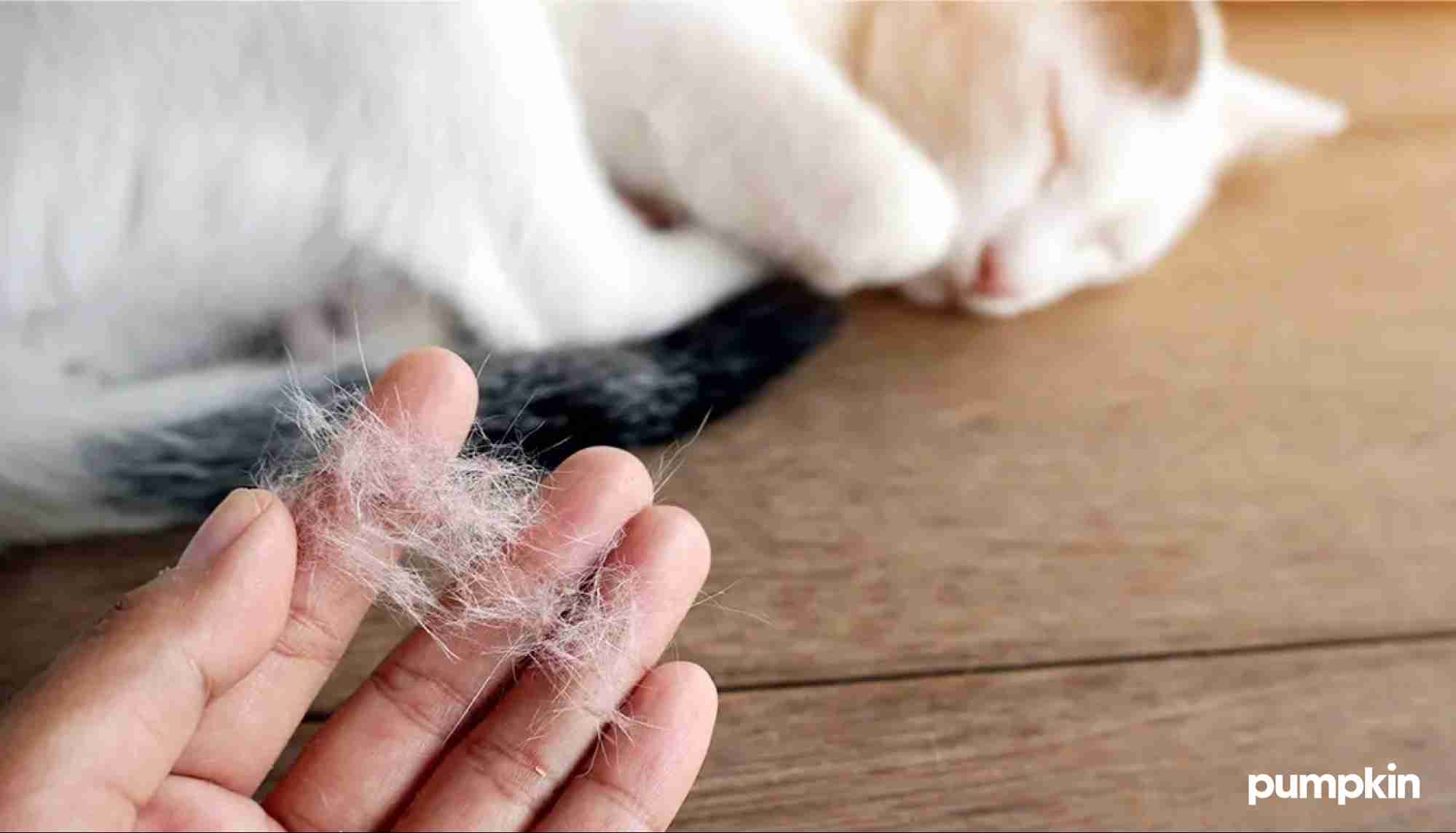
Over grooming strips away your cat’s fur, leading to visible bald patches. These areas are not just unsightly; they expose your cat to further skin irritation and sun damage. Hair loss can also be a sign of underlying stress, allergies, or parasites that need attention.
Imagine your cat’s once plush coat turning patchy—this isn’t just about appearance. It signals discomfort and potential health issues that you should investigate without delay.
Secondary Complications
When skin damage and infections persist, other health problems can arise. Cats may develop painful abscesses or chronic wounds that are tough to heal. In severe cases, secondary bacterial infections could spread, affecting your cat’s overall health.
Have you noticed changes in your cat’s behavior along with over grooming? Lethargy or loss of appetite might suggest these complications are taking a toll. Monitoring these signs and seeking prompt veterinary care can prevent serious outcomes.

Credit: www.reddit.com
Effective Treatments
Over grooming in cats can be distressing for both you and your furry friend. Finding the right treatment is essential to stop this behavior and help your cat feel comfortable again. The treatments often involve a mix of medical, behavioral, and dietary approaches tailored to your cat’s unique needs.
Veterinary Care And Medications
Your first move should be a visit to the vet. They can identify if an underlying medical issue, such as allergies or skin infections, is causing the over grooming.
Sometimes, vets prescribe medications like antihistamines or steroids to reduce itching and inflammation. In more severe cases, they might suggest anti-anxiety drugs to calm your cat.
Have you noticed changes in your cat’s skin or fur? Share these details with your vet—they can make a big difference in diagnosis and treatment.
Behavioral Therapy
Stress and anxiety often drive cats to groom excessively. Behavioral therapy can help address these emotional triggers.
Simple changes like adding new toys or creating quiet spaces for your cat can reduce stress. You might also try interactive play sessions to divert their focus.
Consider whether there have been recent changes at home. Could these be making your cat anxious? Understanding these triggers can guide effective therapy.
Dietary Adjustments
Your cat’s diet plays a crucial role in skin health and overall well-being. Food allergies or nutritional deficiencies can lead to itching and over grooming.
Switching to hypoallergenic or specially formulated diets can soothe sensitive skin. Adding omega-3 fatty acids supplements often improves coat condition and reduces inflammation.
Have you observed any link between your cat’s meals and their grooming habits? Experimenting with diet changes under your vet’s guidance might reveal surprising improvements.
Preventive Measures
Preventing over grooming in cats requires consistent care and attention. Small changes can make a big difference in reducing stress and discomfort. Focus on creating a peaceful space, keeping parasites away, and maintaining grooming routines.
Creating A Calm Environment
A calm environment helps reduce anxiety in cats. Provide quiet areas where your cat can relax without disturbance. Use soft bedding and keep noise levels low. Avoid sudden changes in the home that may upset your cat. Play gentle music or use calming sprays designed for pets. These steps help your cat feel safe and less likely to over groom.
Regular Parasite Control
Parasites like fleas and mites irritate your cat’s skin. This irritation often leads to over grooming. Check your cat’s fur regularly for signs of parasites. Use vet-approved flea and tick treatments on schedule. Keep your cat’s bedding clean and wash it frequently. Preventing parasites protects your cat’s skin and keeps grooming normal.
Routine Grooming Practices
Regular grooming removes loose fur and dirt that can irritate skin. Brush your cat gently every few days, using the right tools. This helps reduce hairballs and keeps the coat healthy. Bathing is rarely needed but can help if recommended by a vet. Grooming also strengthens your bond and lets you spot skin problems early.

Credit: www.reddit.com
Tips For Cat Owners
Over grooming in cats can be a worrying behavior for any pet owner. Knowing how to spot the early signs and manage the underlying causes can make a huge difference in your cat’s well-being. Here are some practical tips to help you support your furry friend effectively.
Identifying Early Signs
Watch your cat closely for changes in grooming habits. Is your cat licking the same spot repeatedly or creating bald patches? Early signs can be subtle, like slight redness or small scabs on the skin.
Notice if your cat spends more time grooming than usual or seems restless. You might also observe unusual behavior such as scratching in one spot or biting their fur. Catching these signs early allows you to act before the problem worsens.
Managing Stress Triggers
Stress is often a hidden cause behind over grooming. Think about recent changes in your cat’s environment—new pets, loud noises, or moving furniture. These can make your cat feel insecure or anxious.
Try to create a calm space where your cat feels safe. Use calming sprays or pheromone diffusers, and keep a consistent routine for feeding and playtime. Giving your cat plenty of attention and interactive toys can also redirect their energy away from over grooming.
When To Seek Professional Help
If you notice persistent hair loss or wounds that don’t heal, it’s time to consult your vet. Over grooming can indicate allergies, skin infections, or deeper health problems that need medical treatment.
Your vet might suggest allergy tests, prescribe medication, or recommend behavior therapy. Don’t hesitate to ask questions and share all observations about your cat’s behavior; your input is crucial for effective treatment.
Credit: www.pumpkin.care
Frequently Asked Questions
What Causes Over Grooming In Cats?
Over grooming in cats is often caused by stress, allergies, parasites, or skin infections. Behavioral issues may also trigger excessive licking or biting. Identifying the root cause is crucial for effective treatment and preventing further harm to the cat’s skin and fur.
How To Recognize Over Grooming Signs In Cats?
Signs include bald patches, red or irritated skin, scabs, and excessive licking or biting. Cats may groom one specific area repeatedly. Early detection helps prevent skin damage and allows timely veterinary care to address underlying issues.
Can Over Grooming Harm My Cat’s Health?
Yes, over grooming can lead to skin infections, wounds, and hair loss. It can cause discomfort and pain for the cat. Addressing the cause promptly helps protect your cat’s skin and overall well-being.
How To Stop A Cat From Over Grooming?
Consult a veterinarian to diagnose the cause. Treat allergies, parasites, or infections as needed. Reduce stress through environmental enrichment and calming aids. Behavioral therapy may also help manage compulsive grooming.
Conclusion
Over grooming in cats can signal stress or health problems. Watch your cat’s behavior closely. Early action helps prevent serious issues. Consult a vet if over grooming continues. Keep your cat happy with love and care. Small changes can make a big difference.
Protect your cat’s health every day. Stay alert and respond with kindness. Your cat will thank you with calm and comfort.
