

If you have an older cat, you know how special they are. But as they age, your furry friend may face health problems that can be hard to spot at first.
You want to keep your cat happy and comfortable, right? Understanding these common health issues can help you catch problems early and give your cat the care they need. Keep reading to learn what signs to watch for and how to support your older cat’s health every day.
Common Health Issues In Older Cats
As your cat ages, you might notice changes in their behavior or energy levels. These shifts can signal common health issues that affect older cats. Understanding these problems helps you spot warning signs early and get your feline friend the care they need.
Kidney Disease
Kidney disease affects many senior cats and often develops slowly over time. You might see symptoms like increased thirst, frequent urination, or weight loss. Regular vet checkups with blood and urine tests can catch kidney problems early, improving your cat’s quality of life.
Arthritis And Mobility
Arthritis can make simple movements painful for older cats. You may notice your cat hesitating to jump, climb, or even walk. Providing soft bedding, easy access to food and litter boxes, and gentle play can help keep your cat comfortable.
Dental Problems
Poor dental health is common in aging cats and can lead to pain, bad breath, and difficulty eating. Watch for signs like drooling, pawing at the mouth, or reluctance to chew. Regular dental cleanings and at-home brushing can prevent many problems.
Hyperthyroidism
Hyperthyroidism causes an overactive thyroid gland, leading to weight loss, increased appetite, and restlessness. This condition is common in older cats but manageable with medication or diet changes. If you spot sudden weight loss despite a good appetite, a vet visit is essential.
Diabetes In Senior Cats
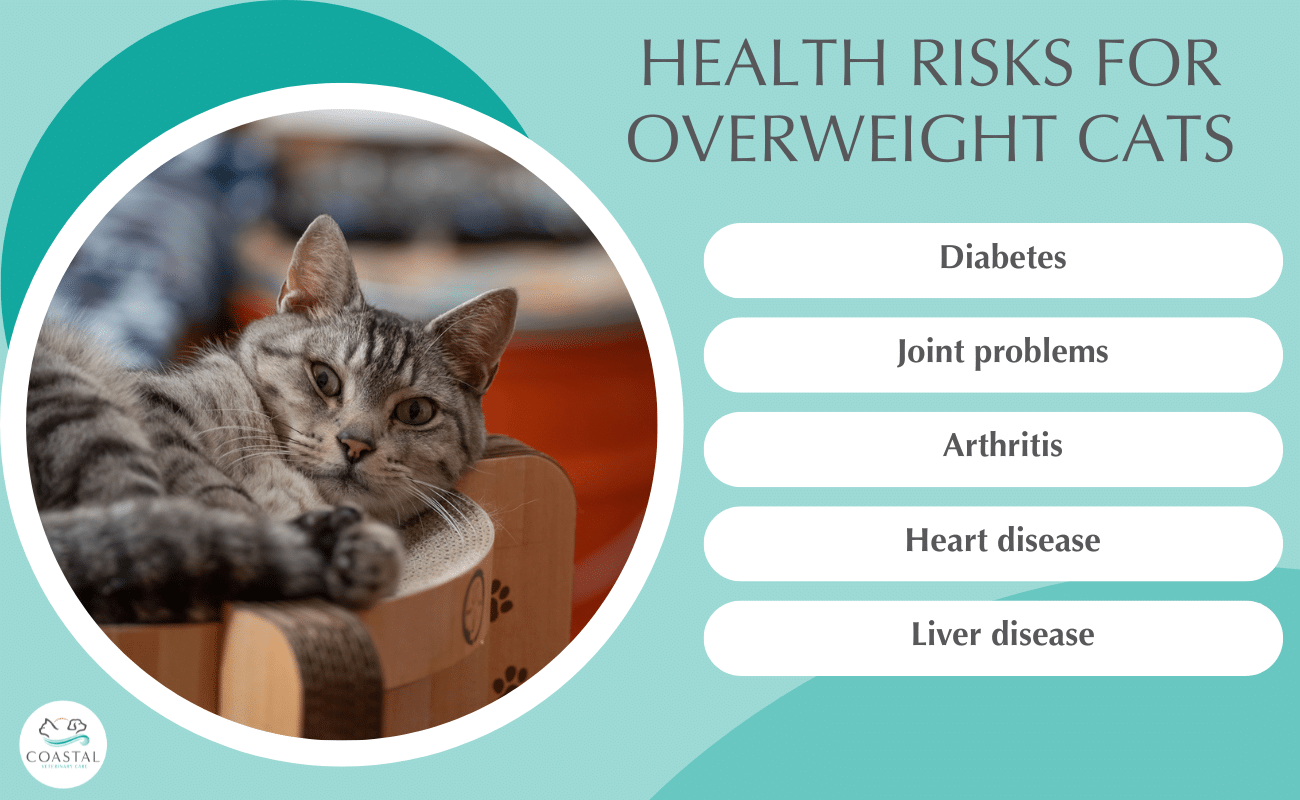
Diabetes can develop as your cat gets older, especially if they are overweight. Symptoms include excessive thirst, frequent urination, and lethargy. Managing your cat’s diet and weight can help prevent diabetes or control it if diagnosed.
Recognizing Signs Of Aging
As cats grow older, their bodies and minds change. These changes can affect their health and happiness. Knowing the signs of aging helps you care better for your furry friend. Some signs are easy to miss but matter a lot for their well-being.
Watch for shifts in behavior, eating habits, bathroom use, and grooming. These areas often show early signs of health issues. Spotting these signs early allows for quick action and better care.
Changes In Behavior
Older cats may sleep more and play less. They might hide or seem less interested in people. Some become grumpy or confused. These changes can mean pain or illness. Pay attention to mood swings and activity levels.
Appetite And Weight Fluctuations
Appetite can drop or increase in senior cats. Weight loss or gain may happen suddenly. Both can signal health problems. Keep track of how much your cat eats. Check their weight regularly for any changes.
Litter Box Habits
Changes in litter box use often show health issues. Your cat might urinate more or less. They may have accidents outside the box. Watch for signs of discomfort or difficulty. These changes need prompt attention from a vet.
Grooming Patterns
Older cats may groom less or over-groom. Their fur might become dull or matted. Skin problems can develop unnoticed. Grooming changes can show pain or arthritis. Help your cat stay clean and comfortable.
Diet And Nutrition For Senior Cats
As cats age, their dietary needs change significantly. Adjusting your senior cat’s diet can help manage common health issues and improve their quality of life. Paying attention to what your cat eats is one of the most effective ways to support their aging body.
Choosing The Right Food
Senior cats often require food that is easier to digest and tailored to their slower metabolism. Look for formulas labeled specifically for “senior” or “mature” cats. These foods usually have fewer calories but are richer in protein to maintain muscle mass.
Grain-free options can be beneficial if your cat has allergies or sensitivities. Also, wet food can be easier to chew and digest compared to dry kibble, especially if dental issues are present. Have you noticed changes in your cat’s appetite or weight? That’s a clear sign to reassess their food choices.
Supplements To Consider
Adding supplements can help address nutritional gaps in a senior cat’s diet. Omega-3 fatty acids are excellent for joint health and can reduce inflammation. Taurine is crucial as it supports heart and eye health, areas that tend to decline with age.
Probiotics might improve digestion and boost immune function. Before adding anything new, check with your vet to avoid over-supplementing. What supplements have you tried, and how did your cat respond?
Hydration Needs
Older cats are prone to dehydration, which can worsen kidney problems and urinary tract issues. Encourage your cat to drink more water by placing multiple water bowls around the house. Some cats prefer running water, so a pet water fountain can be a great investment.
Incorporate wet food into their diet to increase fluid intake naturally. Monitor your cat’s drinking habits closely—less water intake could signal health problems that need immediate attention. How do you make sure your cat stays hydrated daily?
Credit: coastalveterinarycare.vet
Veterinary Care And Checkups
Veterinary care is essential for older cats to maintain their health and comfort. Regular checkups help detect health issues early. Early detection improves treatment success and quality of life.
Older cats often face age-related problems. These include kidney disease, arthritis, and dental issues. Routine vet visits allow monitoring and timely care adjustments.
Frequency Of Visits
Older cats need more frequent veterinary visits than younger ones. Twice a year is ideal for most senior cats. These visits help track changes in health and catch new problems early. More frequent visits may be needed if your cat has chronic conditions.
Screening Tests For Older Cats
Screening tests are vital in senior cat care. Common tests include:
- Blood panels to check organ function
- Urinalysis to monitor kidney health
- X-rays or ultrasounds for internal organs
- Dental exams to detect oral disease
These tests reveal hidden problems before symptoms appear. Early treatment can slow disease progression.
Vaccinations And Parasite Control
Vaccinations protect older cats from common diseases. Your vet will recommend vaccines based on your cat’s lifestyle and health. Parasite control remains crucial as older cats are vulnerable to fleas, ticks, and worms. Regular treatments prevent infections and discomfort.
Home Care Tips
Taking care of an older cat at home means paying close attention to their changing needs. Your support can make a big difference in how comfortably they live their golden years. Small adjustments in daily care can ease common health problems and keep your cat feeling loved and secure.
Creating A Comfortable Environment
Older cats need spaces that are easy to access and cozy. Place soft bedding in quiet corners away from drafts or loud noises. You might add ramps or steps to help them reach favorite spots without jumping.
Think about temperature too. Older cats often feel the cold more, so a heated pad or blanket can be comforting. Have you noticed your cat avoiding certain areas? It might be time to rearrange their environment to reduce strain on aching joints.
Managing Pain And Discomfort
Watch for subtle signs of pain like limping, reduced grooming, or irritability. Your vet can recommend safe pain relief options tailored to your cat’s needs. Never give human medications—some are toxic to cats.
Massage and gentle petting may soothe stiff muscles and boost your cat’s mood. Try short, calm sessions and observe how they respond. Could this simple touch help your cat feel more relaxed?
Encouraging Exercise
Keeping your cat active helps maintain muscle tone and joint flexibility. Short play sessions with soft toys or feather wands work well. Avoid high-impact activities that might cause injury.
Set aside quiet time for gentle movement each day. Even slow walks around the house or gentle stretching can make a difference. Have you tried interactive toys that encourage movement without stress?
Monitoring Mental Health
Older cats can face confusion or anxiety as they age. Changes in behavior, like increased vocalization or hiding, could signal mental health issues. Keep a routine to provide stability and comfort.
Engage your cat with puzzle feeders or new scents to stimulate their mind. These small challenges can keep their brain sharp and reduce stress. What new activity can you introduce today to brighten your cat’s day?

Credit: www.youtube.com
When To Seek Emergency Help
Older cats face unique health challenges that can become serious quickly. Knowing when to seek emergency help is vital. Acting fast can save your cat’s life and reduce suffering. Stay alert to sudden changes and unusual behavior. Immediate care often makes the difference in outcomes.
Warning Signs To Watch
- Difficulty breathing or rapid breathing
- Severe vomiting or diarrhea lasting more than a few hours
- Sudden weakness or inability to stand
- Seizures or collapse
- Excessive bleeding or wounds that won’t stop bleeding
- Unresponsiveness or unconsciousness
- Extreme pain or distress
- Swollen abdomen or difficulty urinating
Preparing For Urgent Care Visits
Keep your cat’s medical records handy. Include recent illnesses, medications, and vaccinations. Use a comfortable carrier to reduce stress. Bring a fresh stool or urine sample if possible. Note the exact time symptoms began. Write down any changes in diet or behavior. Keep a list of emergency vet contacts near your phone. Stay calm and speak softly to soothe your cat during travel.

Credit: abvc.ae
Frequently Asked Questions
What Are Common Health Issues In Older Cats?
Older cats often face arthritis, kidney disease, hyperthyroidism, dental problems, and diabetes. Regular vet check-ups help detect these early. Proper diet and care improve their quality of life.
How Can I Improve My Senior Cat’s Health?
Provide a balanced diet, regular vet visits, and gentle exercise. Monitor for behavioral changes or symptoms. Maintain dental hygiene and ensure a stress-free environment to support overall health.
When Should I Take My Older Cat To The Vet?
Schedule vet visits at least twice a year for senior cats. Immediate visits are necessary if you notice weight loss, lethargy, vomiting, or changes in appetite or litter box habits.
What Signs Indicate Pain In An Older Cat?
Look for limping, decreased activity, hiding, irritability, and grooming changes. Older cats often hide pain, so observe subtle behavior changes closely to address discomfort promptly.
Conclusion
Caring for an older cat takes attention and love. Watch for changes in behavior or health daily. Regular vet visits help catch problems early. Good food and a cozy place make a big difference. Remember, your cat depends on you more now.
Small steps can improve their comfort and happiness. Aging is natural, but care can ease the journey. Stay patient and kind; your cat feels it. Healthy habits keep your pet safe and joyful longer. Keep learning and adapting to your cat’s needs.
