

Have you ever wondered what makes a cat truly unique? While most cat lovers are familiar with common breeds like the Siamese or the Maine Coon, there’s a fascinating world of odd cat breeds out there that might just surprise you.
These quirky felines boast unusual features, rare traits, and endearing personalities that set them apart from the crowd. Imagine a cat with curly fur or ears that fold in the most peculiar way. Intrigued? That’s just the tip of the iceberg.
As you dive into the world of odd cat breeds, you’ll discover how these extraordinary creatures can add a touch of the unexpected to your life. Whether you’re a seasoned cat enthusiast or a curious newcomer, these breeds promise to captivate your imagination and perhaps even inspire your next pet adoption. Ready to explore? Let’s uncover the fascinating charm of these odd yet lovable cat breeds together.
Rare Cat Breeds
Rare cat breeds captivate enthusiasts with their unique looks and intriguing backgrounds. These breeds are not just uncommon; they often carry fascinating stories that make them stand out in the feline world. If you’re curious about what makes these cats special, understanding their origins and distinctive traits is a great place to start.
Origins And History
Many rare cat breeds have origins tied to specific regions or unusual events. Take the Sokoke, for example, which comes from a small forest area in Kenya. Its survival as a natural breed in the wild adds to its rarity and charm.
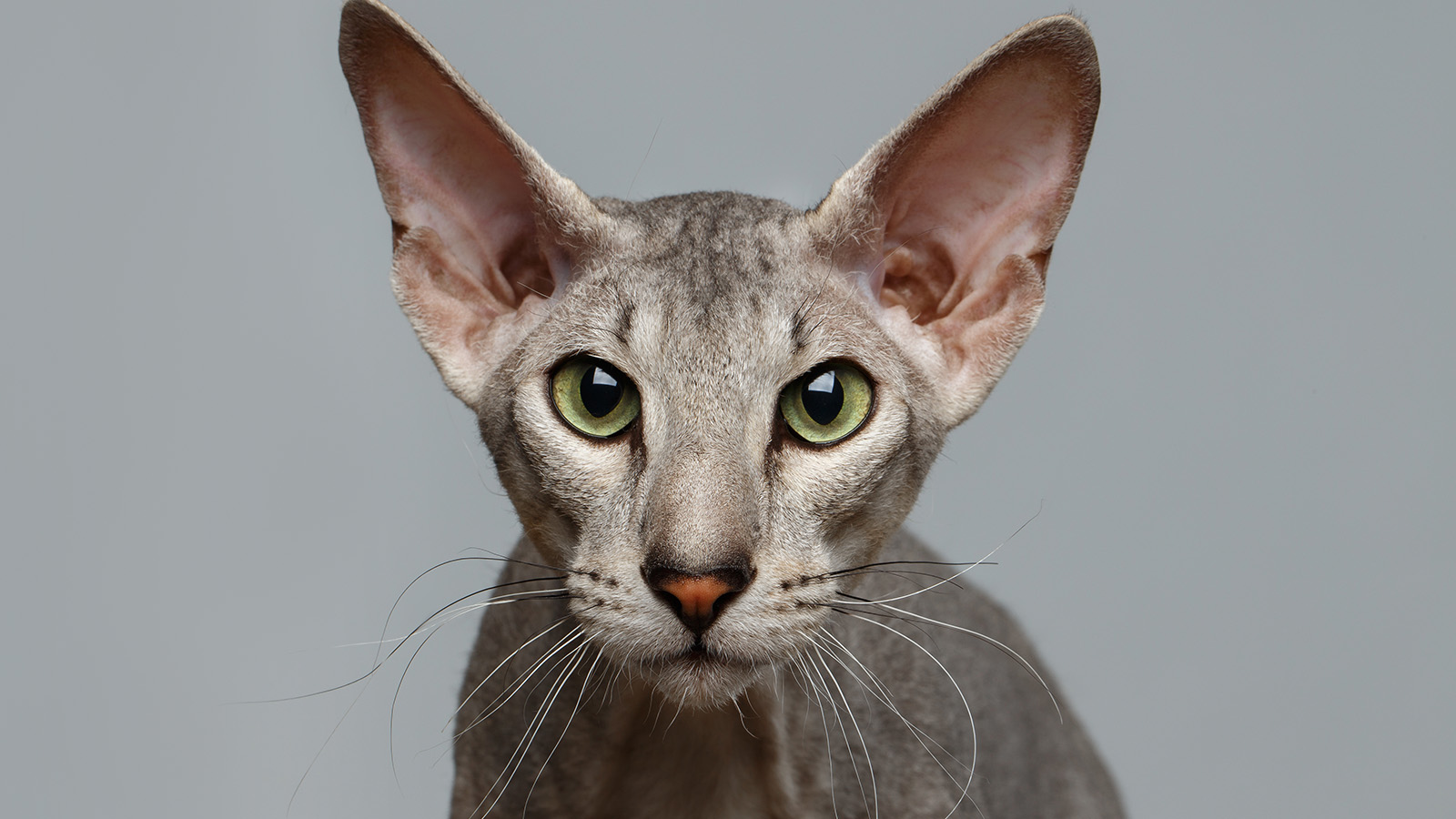
Others, like the Peterbald from Russia, were created through careful breeding programs. These cats often reflect cultural preferences or adaptations to local climates. Have you ever wondered how geography influences the traits of a cat breed?
Distinctive Features
Rare cat breeds often have standout features that make them instantly recognizable. The Lykoi, sometimes called the “werewolf cat,” has a patchy coat and a wild look that’s hard to ignore. This unusual appearance is caused by a natural genetic mutation.
Some breeds boast unique fur textures or colors, like the LaPerm with its curly coat. Others might have distinct body shapes or eye colors that set them apart. Noticing these features can help you appreciate the diversity in the cat world and maybe even inspire you to meet one in person.
Credit: pethelpful.com
Unusual Physical Traits
Odd cat breeds often catch your eye because of their unusual physical traits. These features make each breed stand out and give you a unique experience as a cat owner. Understanding these traits helps you appreciate the diversity and charm hidden in the feline world.
Unique Coat Patterns
Some cat breeds sport coat patterns that you rarely see. The Bengal cat, for example, has spots and rosettes that resemble a wild leopard’s coat. This pattern isn’t just beautiful; it shows how domesticated cats can still carry wild genes.
The Minskin cat presents another surprise with its “fur points”—areas of hair surrounded by bare skin, creating a patchy look that’s both soft and strange. If you enjoy something beyond typical stripes or solid colors, these patterns will definitely catch your interest.
Eye Colors And Shapes
Ever noticed a cat with eyes that don’t match? Odd-eyed cats, like some Turkish Vans, have one blue eye and one amber eye. This rare trait is more than a visual oddity—it often comes with unique personality quirks.
Some breeds like the Scottish Fold have round, wide-set eyes that give them an almost cartoon-like expression. These eye shapes can affect how your cat communicates and connects with you. Isn’t it fascinating how much you can tell just by looking into a cat’s eyes?
Uncommon Body Structures
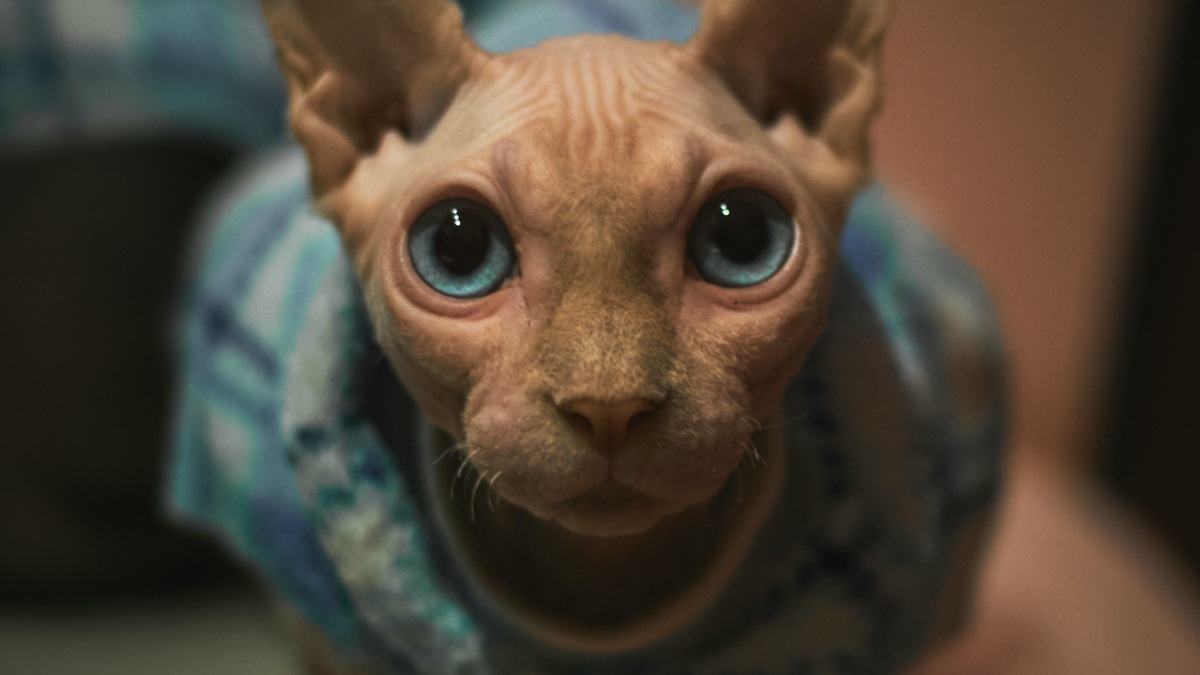
Body structures of odd cat breeds can surprise you. Take the Sphynx, for example; its hairless body and wrinkled skin challenge the usual idea of a fluffy cat. This breed proves that softness isn’t the only way to enjoy a cat’s touch.
The Manx cat lacks a tail or has a very short one. This difference affects their balance and movement, making them uniquely graceful in their own way. Have you ever seen a cat whose body shape changes how it walks and plays?
Behavioral Oddities
Odd cat breeds often display unique behaviors. These behavioral oddities make them fascinating pets. Understanding these habits helps owners bond better. Some actions may seem strange but are normal for these breeds.
Playful And Quirky Habits
Many odd cat breeds love unusual games. They may chase invisible objects or play with water. Some cats enjoy climbing high places often ignored by others. Others might carry toys in their mouths like a dog. These playful actions keep them active and happy.
Communication Styles
Odd cat breeds use different ways to communicate. Some make chirping or trilling sounds instead of meowing. Tail positions and ear movements tell their mood clearly. A slow blink often means trust and affection. Watching these signals helps understand their needs.
Social Interactions
Social behavior varies widely among odd cat breeds. Some prefer being alone while others seek constant company. They may form strong bonds with humans or other pets. Certain breeds show loyalty like dogs, following owners everywhere. Respecting their social style creates harmony at home.
Care Tips For Unique Breeds
Unique cat breeds often come with special needs that differ from common cats. Understanding these needs helps you provide the best care and keeps your feline friend happy and healthy. Paying attention to diet, grooming, and health ensures your unusual cat thrives in your home.
Dietary Needs
Odd cat breeds may have specific dietary requirements due to their metabolism, activity levels, or sensitivities. For example, the Sphynx cat has a higher metabolism to maintain body heat and needs more calories than average cats.
You should choose high-quality protein-rich food and avoid fillers like corn or wheat that can upset sensitive stomachs. Monitor your cat’s weight and energy; if they seem lethargic or too thin, adjust their diet accordingly.
Grooming Requirements
Many unique breeds have unusual coats or skin that require special grooming. The Devon Rex, with its curly fur, needs gentle brushing to prevent matting without irritating its delicate hair.
Hairless breeds like the Sphynx need regular baths to remove oil buildup since they lack fur to absorb natural oils. Think about how much time you can devote to grooming before choosing your odd breed cat.
Health Considerations
Some rare breeds have predispositions to certain health issues. For instance, the Scottish Fold is prone to joint problems, so watch for signs of stiffness or reluctance to jump.
Regular vet checkups tailored to your cat’s breed help catch problems early. Ask your vet about breed-specific screenings and vaccinations to keep your unique pet in top shape.
Famous Odd Cats In History
Some cats have made history not just as pets but as unique creatures that captured attention worldwide. These famous odd cats stood out because of their unusual looks or remarkable stories. Their legacies continue to influence how we see and breed cats today.
Notable Cats And Their Stories
Take the legendary Stubbs, the cat mayor of Talkeetna, Alaska. He wasn’t just a quirky local figure; his story shows how a cat’s charm can unite a community and even attract tourists.
Then there’s Maru, the Scottish Fold from Japan, famous for his love of boxes and viral videos. Maru’s wide appeal highlights how odd traits can make cats beloved global icons.
Another example is Hodge, Samuel Johnson’s cat, known for his unique personality and the inspiration he provided to one of history’s greatest writers. Hodge reminds us that odd cats often leave a mark beyond their appearance.
Impact On Cat Breeding
These famous cats have shaped breeding trends by sparking interest in less common traits. The Scottish Fold’s popularity surged after Maru’s fame, leading breeders to focus more on folded ears despite health concerns.
Stubbs’ story encouraged breeders and owners to appreciate personality over looks, influencing how some choose their cats today. It raises a question: Should breeding prioritize charm and character as much as physical oddities?
Famous odd cats also pushed breeders to consider the health implications of unique features. Some traits admired in history turned out to cause issues, reminding you to research and choose responsibly.
Credit: animals.howstuffworks.com
Finding And Adopting Unique Cats
Finding and adopting unique cat breeds offers a special chance to bring a rare companion into your home. These cats often have striking looks and charming personalities. They can brighten your life with their unusual traits. Patience and care help you find the right match for your lifestyle. Knowing where to search and how to adopt is key to success.
Where To Look
Start by exploring reputable breeders who focus on rare breeds. They often provide health guarantees and background information. Animal shelters and rescue groups may also have unique cats waiting for homes. Online forums and breed clubs connect you with passionate cat lovers and resources. Visit local events or cat shows to meet breeders and see cats in person.
Adoption Vs. Purchase
Adopting a cat saves a life and can be less costly than buying. Shelters sometimes host rare breed cats needing new homes. Buying from a breeder ensures specific traits and pedigree. Make sure breeders follow ethical practices and care for their cats well. Both options require research to avoid supporting irresponsible breeders or rescues.
Responsible Ownership
Unique cats often need special care and attention. Learn about their health needs, diet, and grooming. Regular vet visits keep your cat healthy and happy. Provide a safe and stimulating environment to reduce stress. Training and socializing your cat early create a strong bond. Commitment to care ensures a long and joyful life together.

Credit: m.youtube.com
Frequently Asked Questions
What Are Some Examples Of Odd Cat Breeds?
Odd cat breeds include the Sphynx, Scottish Fold, and Minskin. These breeds have unique features like hairlessness, folded ears, or short legs. They stand out due to their unusual appearances and distinct personalities, making them fascinating pets for cat lovers seeking something different.
Why Do Some Cat Breeds Look Unusual?
Unusual cat breeds often result from specific genetic mutations or selective breeding. These traits create distinctive physical features like hairlessness or ear folds. Breeders aim to preserve these unique traits, which make odd cat breeds visually striking and rare, attracting enthusiasts interested in uncommon feline companions.
Are Odd Cat Breeds Healthy Pets?
Odd cat breeds can be healthy but may face breed-specific health issues. For example, Scottish Folds may have cartilage problems. Regular vet check-ups and proper care help maintain their health. Understanding breed traits ensures owners provide the best environment for their unique cats.
How Do Odd Cat Breeds Behave Compared To Regular Cats?
Odd cat breeds often have unique personalities, ranging from playful to affectionate. For example, Sphynx cats are social and energetic. Their behavior varies by breed but generally, they require similar care and attention as regular cats, making them loving companions.
Conclusion
Odd cat breeds show how diverse and unique cats can be. Each breed has its own look and personality. Some cats might surprise you with their strange features. These special traits make them stand out in any home. Owning an odd cat breed brings joy and fun stories.
They remind us that beauty comes in many forms. Consider these unusual cats if you want a pet with character. Every cat has a story waiting to be told. Embrace the charm of odd cat breeds and enjoy their company.
