

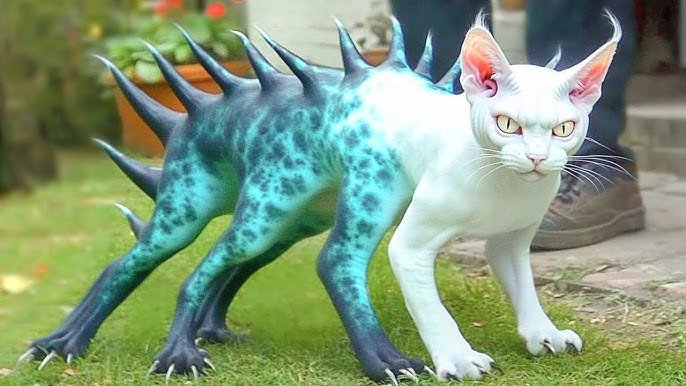
Have you ever met a cat that looks unlike any other? Cats come in many shapes and sizes, but some breeds stand out because they are truly unusual.
These odd breeds of cats can surprise you with their strange features, unique personalities, and fascinating histories. If you think you know all about cats, wait until you discover these rare and quirky types. Keep reading, and you might find your next favorite feline among them.

Credit: www.youtube.com
Rare Cat Breeds
Rare cat breeds stand out not just for their unique looks but also for their distinct personalities and histories. These cats often carry stories that might surprise you, challenging what you think you know about felines. If you’re curious about adding a truly one-of-a-kind companion to your life, these breeds offer fascinating options.
Lykoi: The Werewolf Cat
The Lykoi cat gets its nickname because of its unusual coat, which looks like a werewolf’s fur. This breed has a sparse, patchy coat that reveals pink skin underneath, making it one of the most unusual cats you’ll ever see. Despite their wild appearance, Lykoi cats are playful and affectionate, often acting like curious, loyal dogs.
Have you ever met a cat that looks like it stepped out of a fantasy novel? The Lykoi’s distinctive look might surprise your friends and family, but its friendly nature will win them over quickly.
Kurilian Bobtail: The Fisher’s Friend
The Kurilian Bobtail is known for its short, fluffy tail and strong swimming skills. Originating from the Kuril Islands between Russia and Japan, these cats are natural hunters and love water. They often bring “gifts” of fish or small prey to their owners, showcasing their unique bond and hunting instinct.
If you want a cat that’s a little wild but also deeply connected to you, the Kurilian Bobtail offers an exciting mix. Would you enjoy a cat that’s as skilled in water as it is on land?
Sokoke: The Forest Dweller
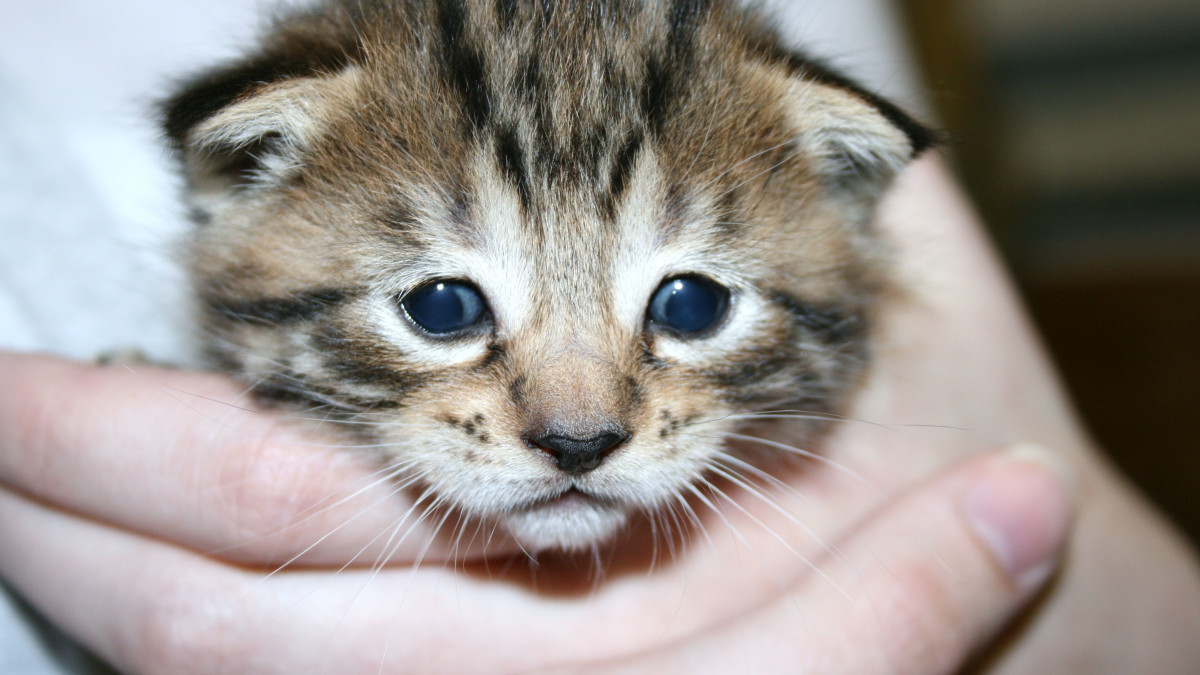
The Sokoke breed comes from the forests of Kenya and has a distinctive, rustic coat pattern that helps it blend into natural surroundings. These cats are active and intelligent, often described as having a dog-like loyalty to their humans. They thrive in environments where they can explore and stay mentally engaged.
Thinking about a cat that can keep up with your adventurous spirit? The Sokoke’s unique combination of beauty and brains might be exactly what you’re looking for.
Credit: pethelpful.com
Distinctive Features
Odd breeds of cats catch attention with their unique looks. Their distinctive features set them apart from common cats. These traits make each breed special and fascinating to learn about.
From unusual fur designs to rare eye colors, these cats showcase nature’s creativity. Some have physical traits that seem almost otherworldly. Let’s explore these fascinating features in detail.
Unusual Coat Patterns
Many odd cat breeds have striking coat patterns. Some display spots, stripes, or swirls unlike typical cats. Others might have patches of different colors in odd shapes. These patterns often resemble wild cats like leopards or ocelots.
- Spotted coats that look like mini leopards
- Swirls and marbled designs on their fur
- Patchy, multi-colored coats with distinct edges
- Velvety coats with unique texture variations
These patterns help odd breeds stand out and attract cat lovers.
Unique Eye Colors
Eye colors in these breeds can be surprising and rare. Some cats have eyes in shades not common in other breeds. Their eyes may be bright blue, deep gold, or even odd-colored (heterochromia).
- Vivid blue eyes shining like sapphires
- Bright amber or copper eyes that glow
- One eye blue, the other green or amber
- Eyes with unusual shapes enhancing their look
These eye colors add to their charm and mystery.
Rare Physical Traits
Odd cat breeds often show rare physical traits not seen in regular cats. Some have extra toes or unique ear shapes. Others may have very short legs or unusual body shapes. These traits make them instantly recognizable.
- Polydactyl cats with extra toes on paws
- Folded ears that bend forward or downward
- Curled tails or absence of tails entirely
- Short legs with normal-sized bodies
These physical quirks add to the breed’s distinct personality.
Behavioral Oddities
Cats are known for their unique personalities, but some breeds show truly odd behaviors. These behavioral oddities make them fascinating pets. Understanding these quirks helps owners bond better with their feline friends. Each breed has its own special way of acting and communicating.
Uncommon Social Habits
Some odd cat breeds prefer solitude but enjoy brief social moments. They may follow you around but only seek attention on their terms. Unlike typical cats, they may greet strangers with cautious curiosity. These cats often form strong bonds with one person only. They might hide from loud noises but show boldness in quiet settings.
Playful Yet Mysterious
Odd breeds mix playfulness with mysterious behavior. They might chase toys vigorously but suddenly stop and stare into space. Their playful energy can appear and vanish without warning. These cats enjoy puzzles and interactive games. Sometimes, they seem to understand human emotions deeply, reacting with gentle touches or soft purrs.
Vocal And Communicative Styles
Some odd cat breeds have unique vocal patterns. Their meows can sound like chirps, trills, or even whispers. They use different sounds to express needs or moods clearly. These cats often “talk” with their eyes and tail movements too. Owners learn to interpret these signals as part of daily communication.
Origins And History
The story of odd breeds of cats is rich and fascinating. Their origins reveal both ancient roots and modern creations. Understanding where these unique cats come from helps us appreciate their distinct traits and charm.
Ancient Lineages
Some odd cat breeds trace back thousands of years. They evolved naturally in remote regions. These cats adapted to harsh climates and environments. Their unusual looks often helped them survive. Examples include the Egyptian Mau and the Turkish Van, both with deep historical ties. These breeds carry genetic markers from wild ancestors. Their lineage often connects to ancient civilizations.
Natural Vs. Man-made Breeds
Natural odd breeds develop through evolution without human interference. They show traits shaped by nature. Man-made breeds come from selective breeding by humans. Breeders focus on unique features like fur patterns or ear shapes. The Sphynx and the Scottish Fold are examples of man-made odd breeds. These cats often have striking, unusual appearances. This process results in diverse and rare cat types.
Cultural Significance
Odd cat breeds often hold special meaning in cultures. Some are seen as symbols of luck or protection. For example, the Japanese Bobtail is linked to good fortune. Ancient Egyptians worshipped cats with unique features. Cats appear in art, myths, and folklore worldwide. They influence traditions and beliefs. Their presence shows how deeply cats are woven into human history.
Care Tips For Odd Cats
Odd breeds of cats come with unique traits that make their care different from typical felines. Understanding their specific needs helps you create a comfortable and healthy environment for your unusual companion. Let’s look at key care tips that can make a big difference in their daily life.
Dietary Needs
Odd cats often have special dietary requirements due to their breed characteristics. Some may need higher protein levels to support their energy, while others might require limited fat to avoid weight gain.
For example, a Sphynx cat’s fast metabolism means you may need to feed it more frequently than other breeds. Pay close attention to ingredient lists and avoid fillers like corn or wheat, which provide little nutrition.
- Offer balanced meals with real meat as the main ingredient
- Consider supplements if recommended by your vet
- Monitor your cat’s weight and adjust portions accordingly
Grooming Challenges
Odd cats can have unusual coats or skin types that require extra grooming care. Hairless breeds like the Sphynx need regular baths to remove oils that would normally be absorbed by fur.
Long-haired odd breeds might get mats easily, so consistent brushing is essential. Use gentle brushes suited for sensitive skin to avoid irritation.
- Establish a grooming routine that suits your cat’s breed
- Check ears and nails weekly to prevent infections or overgrowth
- Keep grooming sessions short to reduce stress for your cat
Health Considerations
Odd breeds often have breed-specific health issues you should watch for. For example, Scottish Folds can develop cartilage problems affecting their ears and joints.
Regular vet checkups help catch any early signs of illness. Ask your vet about genetic screenings that might be relevant for your cat’s breed.
- Keep an eye on your cat’s behavior for signs of discomfort or pain
- Maintain vaccinations and parasite control on schedule
- Provide a safe environment to minimize injury risks
Have you noticed any unique habits or needs in your odd cat? Sometimes observing their behavior closely reveals clues about their health and happiness. Your attentiveness is key to helping them thrive.
Finding And Adopting Unique Cats
Finding and adopting unique cats can be a thrilling experience. These special breeds bring charm and personality unlike any other pet. Understanding where to find them helps ensure a good match for your home and lifestyle. Patience and research are key to a successful adoption journey.
Specialized Breeders
Specialized breeders focus on rare and unusual cat breeds. They provide healthy kittens with clear breed traits. Visiting breeders allows you to meet the cats and ask questions. Responsible breeders also share details on care and temperament. Always check reviews and credentials before choosing a breeder.
Rescue Organizations
Rescue groups often have odd breeds waiting for new homes. These cats may come from shelters or special rescues. Adopting from rescue saves lives and supports animal welfare. Rescues usually screen cats for health and behavior. They provide advice to help your new cat settle in.
Adoption Advice
- Consider your lifestyle and home environment first.
- Ask about the cat’s personality and health history.
- Spend time with the cat before making a decision.
- Prepare your home with necessary supplies.
- Plan for a gradual introduction to family and pets.
- Follow post-adoption guidance for smooth adjustment.
Credit: animals.howstuffworks.com
Frequently Asked Questions
What Are The Rarest Odd Breeds Of Cats?
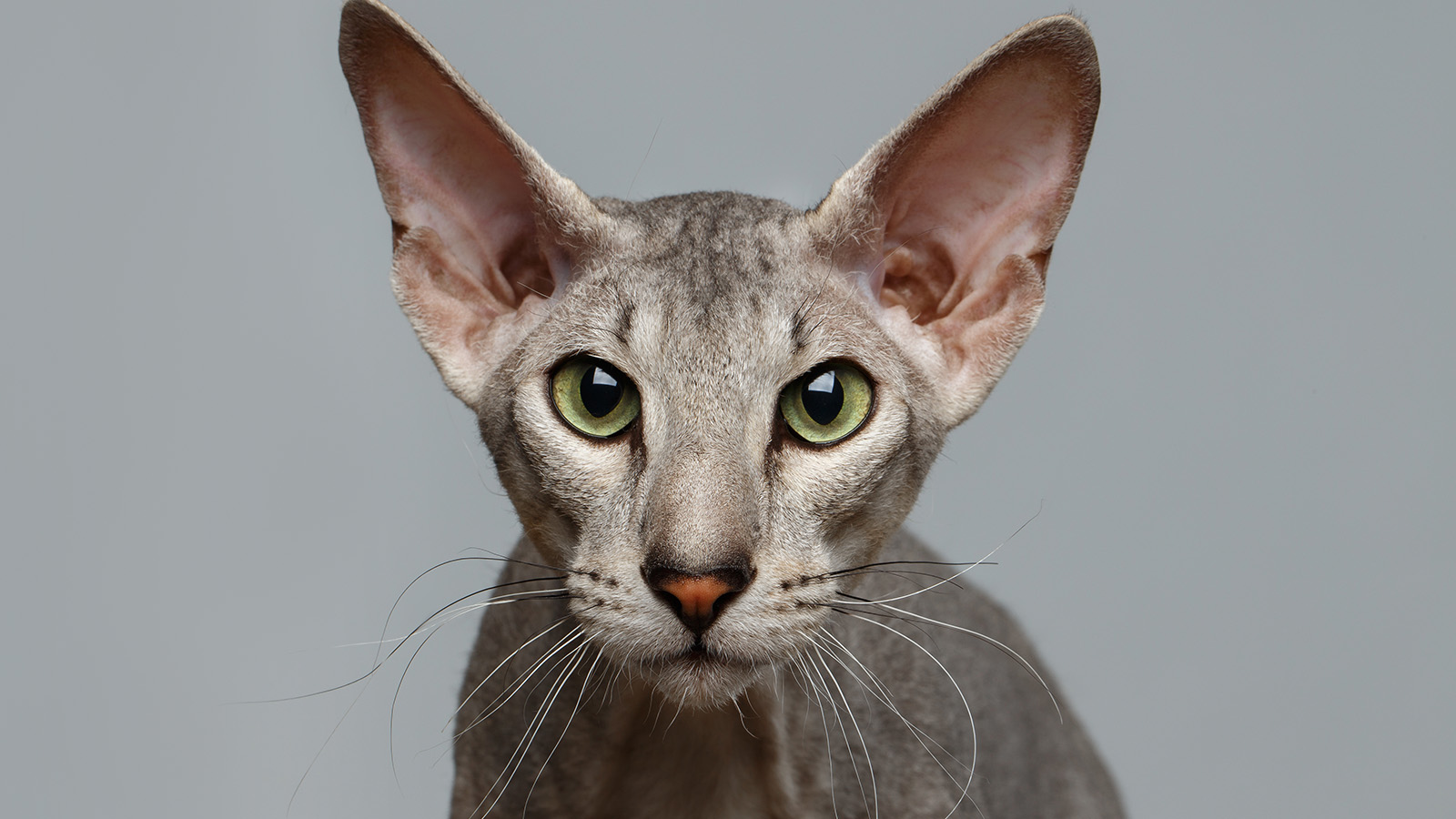
The rarest odd breeds include the Lykoi, Peterbald, and Kurilian Bobtail. They have unique physical traits and unusual behaviors. These breeds are less common and highly sought after by cat enthusiasts worldwide for their distinctive looks.
How Do Odd Cat Breeds Differ From Common Cats?
Odd cat breeds have unique features like unusual fur, body shapes, or personalities. They often have specific care needs and health considerations. These differences make them stand out compared to common domestic cats, adding to their charm and appeal.
Are Odd Cat Breeds Hypoallergenic Or Better For Allergies?
Some odd cat breeds, like the Sphynx or Cornish Rex, produce fewer allergens. However, no cat breed is completely hypoallergenic. People with allergies should spend time with the breed before adopting to ensure compatibility.
What Is The Personality Of Odd Cat Breeds?
Odd cat breeds often have distinct and playful personalities. Many are highly social, intelligent, and affectionate. Their unique traits can make them more interactive and entertaining compared to traditional cat breeds.
Conclusion
Odd cat breeds show how diverse and fascinating cats can be. Each breed has its own special traits and charm. They make great pets for those who want something different. Learning about these unique cats helps us appreciate their beauty and quirks.
Whether you like their looks or personalities, odd breeds can bring joy. Consider exploring more about these unusual cats. They prove that cats come in all shapes and sizes. Owning one can be a fun and rewarding experience.
