

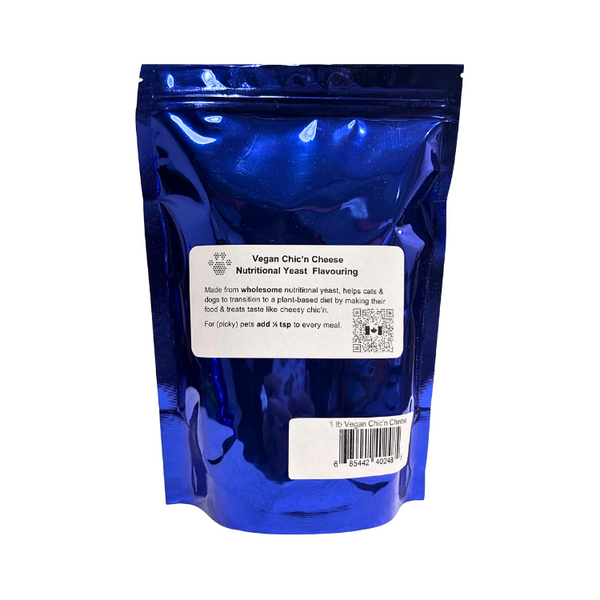
If you’re a cat owner looking to boost your furry friend’s health, you might have heard about nutritional yeast for cats. But what exactly is it, and how can it benefit your pet?
Imagine giving your cat a tasty treat that supports their immune system, improves their coat, and even helps with digestion. Sounds great, right? Keep reading to discover everything you need to know about nutritional yeast and why it could become your cat’s new best friend.
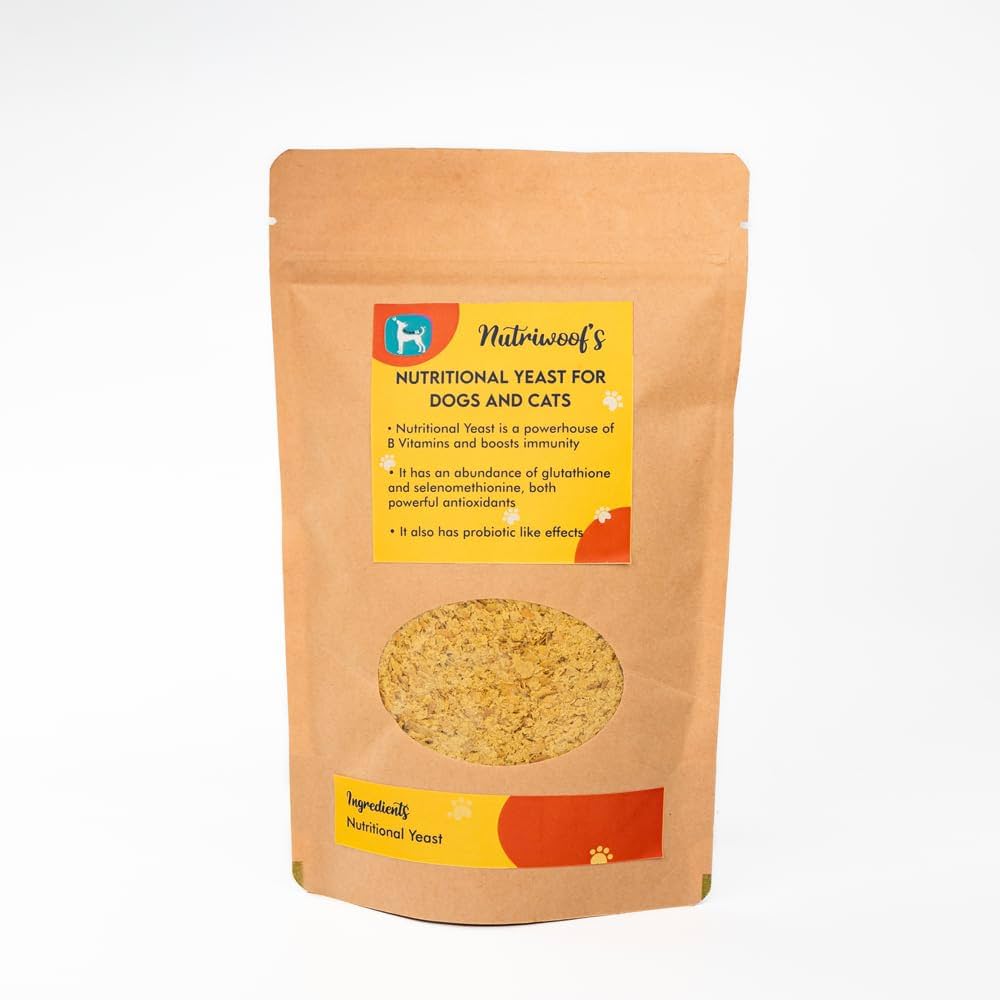
Credit: www.amazon.in
What Is Nutritional Yeast?
Nutritional yeast is a popular supplement among health-conscious individuals and pet owners alike. It offers a rich source of nutrients that can support overall wellbeing. But what exactly is nutritional yeast, and why might it be beneficial for your cat?
What Exactly Is Nutritional Yeast?
Nutritional yeast is a deactivated yeast, usually derived from the species Saccharomyces cerevisiae. Unlike the yeast used in baking or brewing, it does not cause dough to rise or ferment beverages. Instead, it’s grown on molasses or sugar beets, then harvested, washed, and dried into flakes or powder.
Why Is Nutritional Yeast Rich In Nutrients?
It’s packed with B-vitamins, protein, and minerals such as zinc and selenium. Many brands fortify it with vitamin B12, which is crucial for animals who don’t produce enough naturally. This makes it a potent nutritional booster for cats, especially those on homemade or vegetarian diets.
How Does Nutritional Yeast Taste And Smell?
It has a cheesy, nutty flavor that many cats find appealing. Some pet owners use it as a flavor enhancer to encourage picky eaters to consume their food. The savory aroma can act as a natural treat without adding unhealthy ingredients.
Is Nutritional Yeast Safe For Cats?
In moderation, yes. It’s important to introduce it gradually and watch for any adverse reactions. Too much can cause digestive upset, so start with small amounts and consult your vet if you have concerns.
What To Look For When Buying Nutritional Yeast?
- Choose products labeled “nutritional yeast” and not “brewer’s yeast.”
- Opt for non-GMO and organic varieties when possible.
- Check the ingredient list for added fillers or preservatives.
- Verify if vitamin B12 is added, especially if your cat’s diet is limited.
Have you noticed your cat’s eating habits change when you add something new to their food? Nutritional yeast might be a simple way to boost their diet while making mealtime more enjoyable.
Health Benefits For Cats
Nutritional yeast offers several health benefits for cats. It is a natural supplement rich in vitamins and minerals. This can improve your cat’s overall well-being. Nutritional yeast supports vital body functions and enhances daily health. Cats may enjoy better immunity, shinier coats, and improved digestion by including it in their diet.
Boosting Immune System
Nutritional yeast contains beta-glucans, which help strengthen the immune system. These compounds activate immune cells to fight infections. A stronger immune system means fewer illnesses. Cats with improved immunity recover faster and stay healthier longer.
Enhancing Coat And Skin
The B vitamins in nutritional yeast support skin and fur health. They help reduce itching and dryness. Cats may have a shinier, softer coat after regular use. Healthy skin lowers the risk of irritations and infections.
Supporting Digestion
Nutritional yeast contains fiber that aids digestion. It promotes good gut bacteria and smooth bowel movements. Cats with better digestion absorb nutrients efficiently. This leads to improved energy and vitality.
Potential Risks And Side Effects
Nutritional yeast is popular among cat owners for its health benefits. Still, it is important to know the potential risks and side effects. Careful use can help avoid problems. Always watch your cat after introducing new food.
Allergic Reactions
Some cats may develop allergies to nutritional yeast. Symptoms include itching, redness, and swelling. Sneezing and coughing can also happen. Stop use immediately if these signs appear. Consult a veterinarian for proper care.
Digestive Issues
Nutritional yeast can cause digestive problems in some cats. These may include vomiting, diarrhea, or gas. Start with small amounts to see how your cat reacts. Avoid feeding large quantities at once.
Overconsumption Concerns
Feeding too much nutritional yeast can lead to health issues. Excessive intake may cause vitamin B overdose. This can result in nerve damage or other complications. Stick to recommended doses to keep your cat safe.
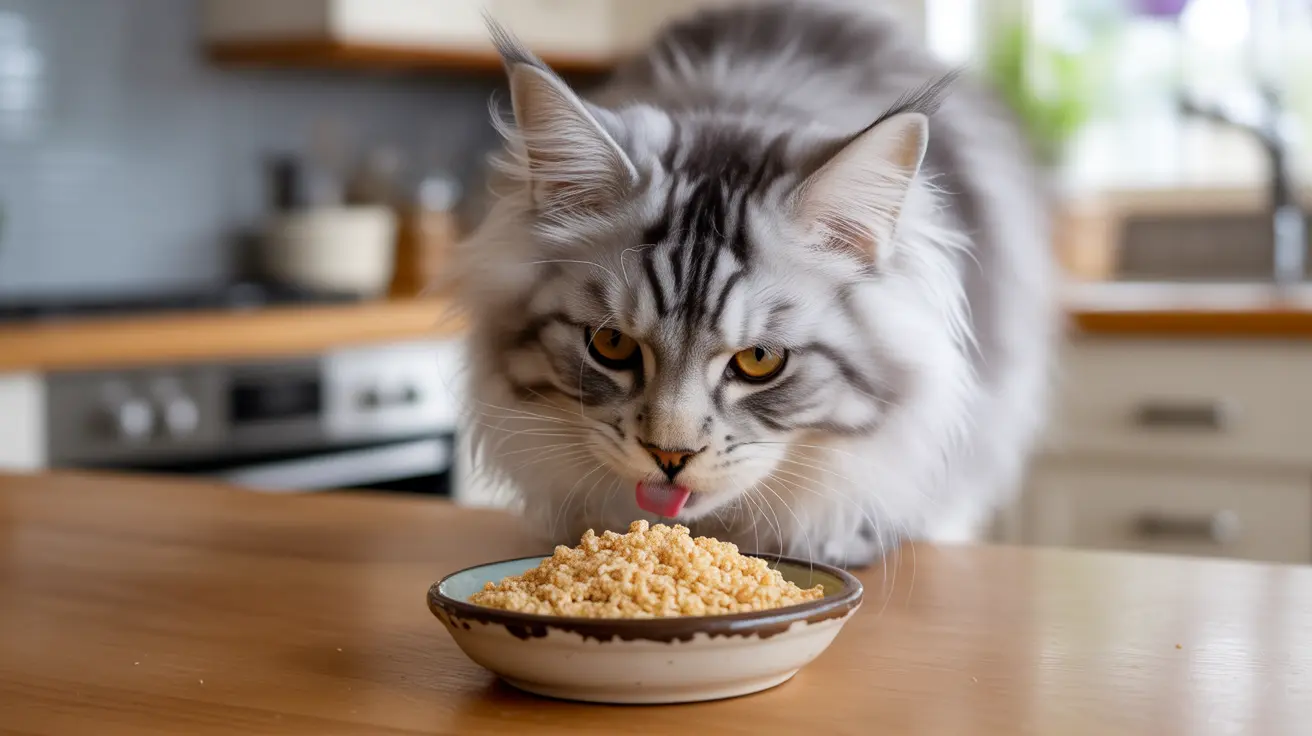
Credit: www.petscare.com
Safe Feeding Practices
Feeding your cat nutritional yeast can be a great way to boost their diet, but safety should always come first. Knowing the right amount and how to introduce it can prevent any digestive upset. Also, picking the right product ensures your cat gets the best benefits without risks.
Recommended Serving Sizes
Start with a tiny pinch—about 1/8 teaspoon per day for an average-sized cat. Too much at once can cause stomach problems or allergic reactions. Watch how your cat responds and adjust the amount slowly over a week or two.
Remember, nutritional yeast is a supplement, not a meal replacement. Keep it as a small treat or sprinkle it on their regular food. Overfeeding won’t make it healthier; it can actually harm your cat.
How To Introduce Nutritional Yeast
Mix a small amount into your cat’s food gradually. At first, blend it well so your cat doesn’t notice a big change in taste or texture. This gentle approach helps avoid rejection or digestive issues.
If your cat shows any signs of discomfort like vomiting or diarrhea, stop feeding it immediately. You might want to try a smaller amount or consult your vet before trying again. Patience is key to helping your cat accept new foods.
Choosing Quality Products
Look for nutritional yeast that is specifically labeled as safe for pets or human-grade. Avoid products with added salts, artificial flavors, or preservatives, as these can be harmful to your cat.
Organic and non-GMO options often have fewer contaminants. Check the ingredient list carefully and buy from reputable brands you trust. Would you give your cat a product without knowing exactly what’s inside?
Alternatives To Nutritional Yeast
Nutritional yeast is popular for adding flavor and nutrients to cat food. Some cats may not like its taste or could have allergies. Finding alternatives helps keep meals tasty and healthy. Several options offer similar benefits without using nutritional yeast.
Brewer’s Yeast
Brewer’s yeast is a common substitute. It has a rich source of B vitamins. This yeast also supports a shiny coat and good digestion. Cats usually tolerate it well in small amounts.
Parmesan Cheese
Parmesan cheese adds a savory, cheesy flavor similar to nutritional yeast. It contains protein and calcium. Use it sparingly to avoid excess salt and fat.
Chicken Or Beef Broth Powder
Broth powders provide a meaty taste that cats love. They can enhance flavor and moisture in dry food. Choose low-sodium versions to keep it healthy.
Ground Flaxseed
Flaxseed offers omega-3 fatty acids, which support skin and coat health. It has a mild, nutty flavor that blends well. Use ground flaxseed to help with digestion.
Kelp Powder
Kelp powder is a natural source of iodine and minerals. It adds a subtle sea flavor cats may enjoy. Sprinkle lightly to avoid overpowering the meal.
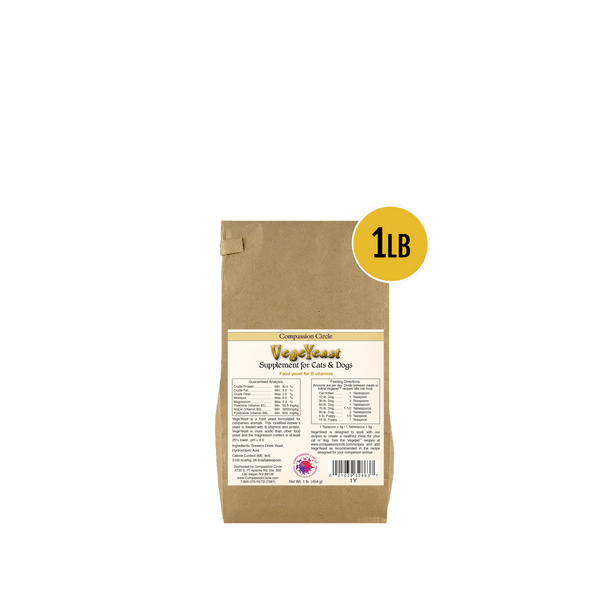
Credit: vecado.ca
Frequently Asked Questions
Is Nutritional Yeast Safe For Cats?
Yes, nutritional yeast is generally safe for cats in moderation. It’s rich in B vitamins and proteins. However, always consult with a veterinarian before adding new supplements to your cat’s diet to ensure it suits their specific health needs.
Can Cats Benefit From Nutritional Yeast?
Cats can benefit from nutritional yeast as it provides essential nutrients. It’s a great source of B vitamins, protein, and amino acids. These nutrients can support your cat’s overall health, boosting energy and aiding in maintaining a healthy coat.
How Much Nutritional Yeast Can Cats Eat?
Cats should consume nutritional yeast in moderation, typically no more than a teaspoon a day. It’s best to start with a small amount and observe for any adverse reactions. Always consult your veterinarian for personalized advice based on your cat’s health needs.
Does Nutritional Yeast Affect Cats’ Digestion?
Nutritional yeast can aid digestion in cats due to its B vitamins. These vitamins help in metabolizing carbohydrates, fats, and proteins. However, excessive amounts might lead to digestive upset, so it’s important to introduce it gradually and in moderation.
Conclusion
Nutritional yeast can add nutrients to your cat’s diet safely. It offers vitamins and a tasty flavor cats often enjoy. Always introduce it slowly and watch for any reactions. Consult your vet before adding new foods to your pet’s meals.
A balanced diet remains the best way to keep cats healthy and happy. Small changes like nutritional yeast can support their well-being over time. Simple steps make a big difference in your cat’s life.
