

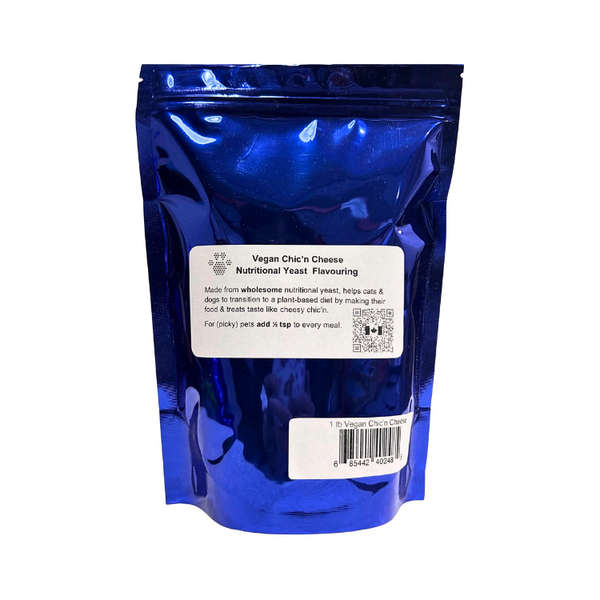
Have you ever wondered if nutritional yeast is safe for your cat? You want to give your furry friend the best, but it’s hard to know which foods can help and which might harm.
Nutritional yeast is popular among pet owners for its health benefits, but is it really good for your kitty? Keep reading to discover what nutritional yeast can do for your cat’s health, how to use it safely, and what you should watch out for.
Your cat’s well-being matters, and this simple addition to their diet might just make a big difference.
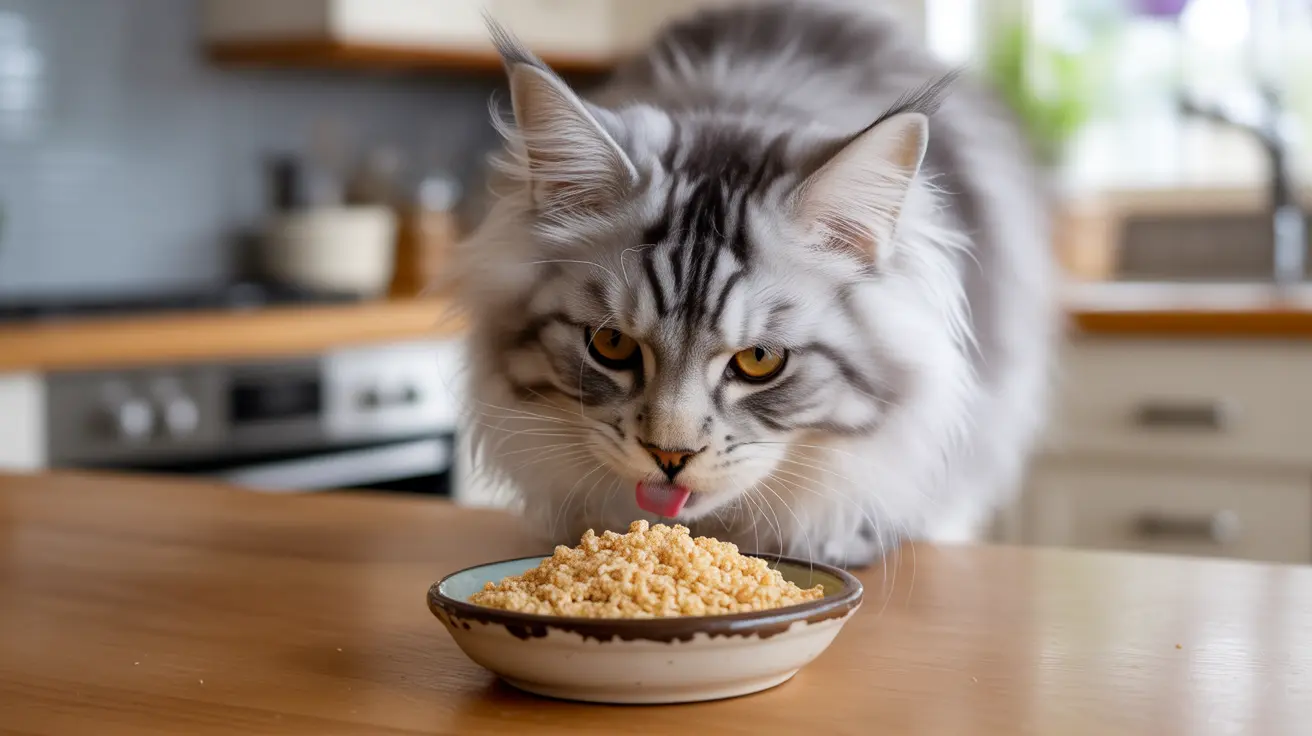
Credit: www.petscare.com
What Is Nutritional Yeast
Nutritional yeast is a popular supplement that many pet owners hear about but don’t fully understand. It’s a type of inactive yeast, often used as a food additive or seasoning, rich in vitamins and minerals. If you’re curious about what makes it special and whether it’s safe for your cat, let’s break it down.
What Exactly Is Nutritional Yeast?
Nutritional yeast is made from a single-celled fungus called Saccharomyces cerevisiae. Unlike baking yeast or brewer’s yeast, it’s grown specifically to be a nutritional supplement. After harvesting, it’s heated to deactivate it, so it doesn’t cause any fermentation.
It usually comes in the form of yellow flakes or powder with a cheesy, nutty flavor that many humans enjoy on popcorn or pasta. But how does this translate to benefits or risks for your cat?
Key Nutrients Found In Nutritional Yeast
This yeast is packed with B vitamins, especially B12, which is crucial for energy and nerve function. It also contains protein, fiber, and minerals like zinc and selenium. These nutrients can contribute to overall health, but cats have different dietary needs compared to humans.
- Vitamin B12:Essential for cats but usually obtained through meat.
- Protein:Cats need high-quality animal protein; yeast protein is not complete.
- Fiber:Helps with digestion but should be limited in cat diets.
How Is Nutritional Yeast Made?
The process starts with growing the yeast on a sugar-rich medium, like molasses. Once it has grown sufficiently, it’s harvested and pasteurized to stop any further growth. After drying, it’s crushed into flakes or powder, ready to be packaged for sale.
This careful process ensures the yeast is safe to eat and retains its nutritional value. Understanding this makes it easier to decide if you want to add it to your cat’s diet or not.
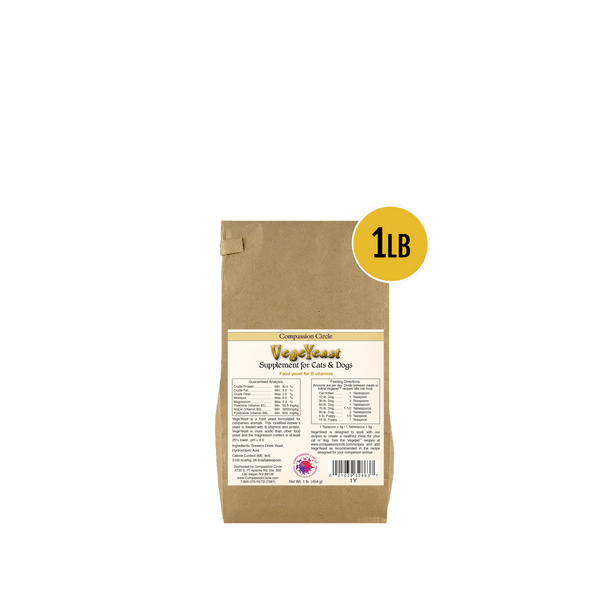
Credit: vecado.ca
Key Nutrients In Nutritional Yeast
Nutritional yeast is often praised for its rich nutrient profile, but what exactly does it offer for your cat? Understanding the key nutrients can help you decide if it’s a good addition to your furry friend’s diet. Let’s break down the essential vitamins, minerals, protein, and antioxidants that make nutritional yeast stand out.
Vitamins And Minerals
Nutritional yeast is loaded with B vitamins, especially B12, which is crucial for your cat’s energy and nerve function. Many commercial cat foods already include B vitamins, but nutritional yeast can be a natural boost.
It also contains minerals like zinc, selenium, and iron, which support your cat’s immune system and overall health. Have you ever checked the mineral content in your cat’s treats? Adding nutritional yeast could fill some gaps.
Protein Content
Protein is vital for cats since they are obligate carnivores and need it for muscle maintenance and repair. Nutritional yeast provides a moderate amount of complete protein with all nine essential amino acids.
This makes it a good supplement, but not a replacement, for your cat’s regular meat-based protein. Could your cat’s diet benefit from a little extra protein power?
Antioxidants
Antioxidants in nutritional yeast help protect your cat’s cells from damage caused by free radicals. This support can improve immune function and reduce inflammation.
While you might not see immediate effects, antioxidants contribute to your cat’s long-term well-being. What small changes can you make today to boost your pet’s health tomorrow?
Benefits For Cats
Nutritional yeast offers several benefits that can enhance your cat’s health in simple yet powerful ways. Adding it to your cat’s diet might seem small, but the results can be noticeable. From strengthening their immune defenses to making their coat shinier, nutritional yeast does more than you might expect.
Boosting Immune System
Nutritional yeast contains beta-glucans, compounds known to support the immune system. These help your cat fight off infections and stay healthier longer. Have you noticed how some cats seem to bounce back faster from colds? This could be one way to give your cat that extra edge.
Improving Coat And Skin Health
Rich in B-vitamins and protein, nutritional yeast can improve your cat’s coat and skin. You might see less shedding and a softer, shinier fur after adding it to their meals. Cats with dry skin or dull fur may particularly benefit from this nutrient boost.
Supporting Digestion
The fiber in nutritional yeast helps regulate your cat’s digestion. It can ease occasional constipation and support a healthy gut environment. If your cat has had tummy troubles, a small amount of nutritional yeast might be worth trying to help balance their digestive system.
Safe Ways To Feed Nutritional Yeast
Feeding nutritional yeast to cats can be beneficial if done safely. This natural supplement provides vitamins and proteins cats need. It must be given in the right amount and form. Careful preparation helps avoid digestive problems or allergies. Always watch your cat for any changes after feeding nutritional yeast.
Recommended Dosage
Start with a small amount to see how your cat reacts. For most cats, 1/4 teaspoon per day is enough. Larger cats may have up to 1/2 teaspoon daily. Do not exceed these amounts to avoid stomach upset. Spread the dose over several days when introducing it. Consult your vet before adding nutritional yeast to your cat’s diet.
Forms And Preparation Tips
- Use plain, unfortified nutritional yeast without added flavors.
- Mix the yeast powder into wet or dry cat food for easy eating.
- Sprinkle on top of meals rather than giving it alone.
- Store nutritional yeast in a cool, dry place to keep it fresh.
- Avoid yeast products with garlic or onion powder—both are toxic to cats.
Potential Risks And Precautions
Before adding nutritional yeast to your cat’s diet, it’s important to understand the potential risks and necessary precautions. While many pet owners share positive stories about this supplement, it can cause issues if not introduced carefully. Knowing what to watch for helps keep your feline friend safe and healthy.
Allergic Reactions
Some cats may be allergic to nutritional yeast. Signs can include itching, redness, swelling, or digestive upset like vomiting and diarrhea.
I once had a cat who developed skin irritation after trying a new supplement containing nutritional yeast. It was subtle at first, but quickly became uncomfortable for her. If you notice any unusual behavior or symptoms after feeding nutritional yeast, stop immediately and consult your vet.
Always start with a very small amount to see how your cat reacts. Monitor closely for any changes in their skin or digestion over the next 24 to 48 hours.
Interactions With Medications
Nutritional yeast contains compounds that might interact with certain medications your cat is taking. For example, it is rich in B vitamins, which can interfere with some antibiotics and antifungal drugs.
If your cat is on medication, talk to your veterinarian before adding nutritional yeast to their diet. They can advise whether it’s safe or if adjustments are needed.
Don’t guess when it comes to medication interactions—ask your vet to avoid unexpected side effects that could affect your cat’s health.
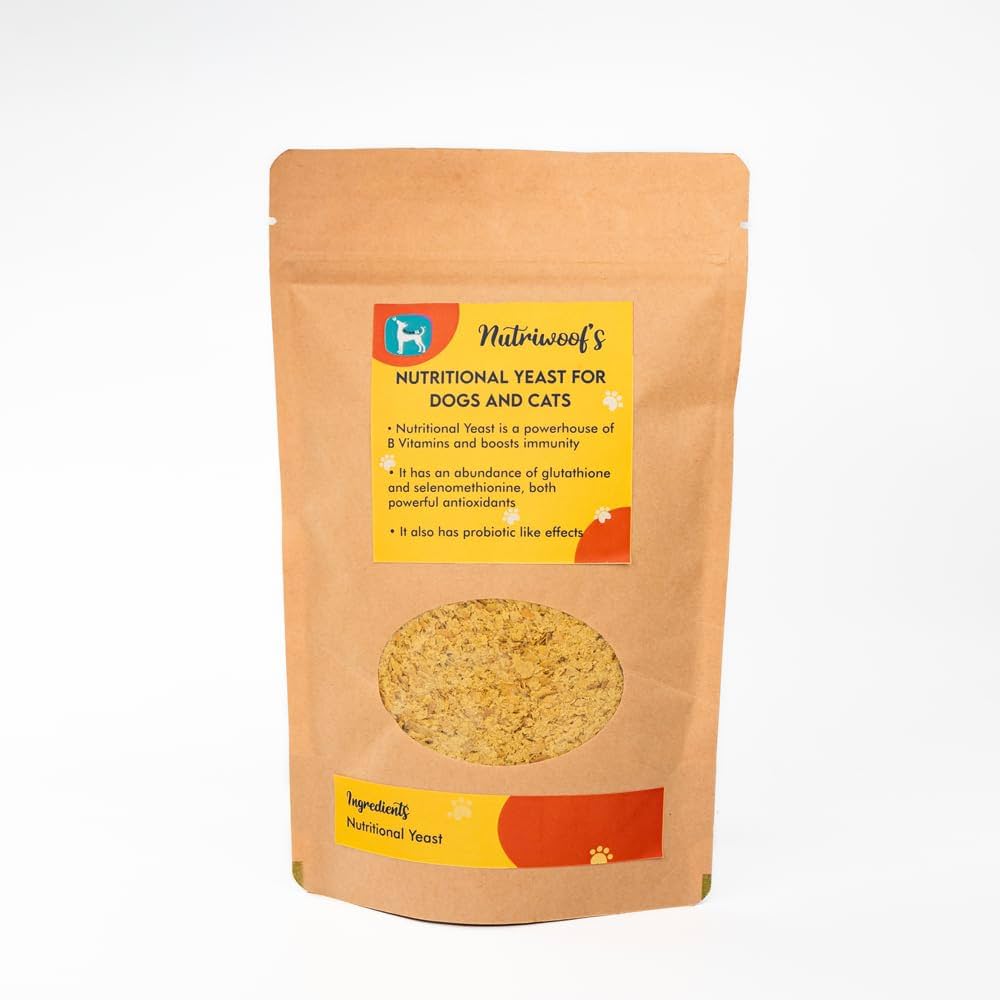
Credit: www.amazon.in
Comparing Nutritional Yeast To Other Supplements
Choosing the right supplement for your cat can be tricky. Nutritional yeast often comes up as a popular option, but how does it stack up against other supplements? Let’s take a closer look at the differences and benefits to help you decide what might work best for your furry friend.
Nutritional Yeast Vs. Fish Oil
Nutritional yeast is packed with B vitamins and protein, supporting your cat’s skin, coat, and immune system. Fish oil, on the other hand, is rich in omega-3 fatty acids that help reduce inflammation and promote brain health.
Both supplements offer unique benefits. If your cat struggles with dry skin or dull fur, nutritional yeast might be a good addition. But if joint health or cognitive function is your concern, fish oil could be more effective.
Nutritional Yeast Compared To Taurine Supplements
Taurine is an essential amino acid for cats, critical for heart and eye health. Nutritional yeast contains some amino acids but is not a reliable source of taurine.
If you want to ensure your cat gets enough taurine, a dedicated taurine supplement is safer. Nutritional yeast can complement but should not replace taurine supplements in your cat’s diet.
How Nutritional Yeast Measures Up To Probiotics
Probiotics support your cat’s digestive health by promoting good bacteria balance. Nutritional yeast has some prebiotic properties, but it doesn’t provide live bacteria like probiotics do.
If digestion is your main concern, probiotics offer a more targeted approach. Nutritional yeast can still help overall nutrition but won’t replace the gut benefits of probiotics.
Cost And Convenience Of Nutritional Yeast Versus Other Supplements
Nutritional yeast is often more affordable and easier to add to food than many specialty supplements. You can sprinkle it on your cat’s meals without much fuss.
However, some supplements require specific dosing and monitoring, which might be more time-consuming but necessary for certain health issues. Think about what fits your routine and your cat’s needs best.
What specific health goals do you have for your cat? Understanding that will help you weigh these options and pick the supplement that truly benefits your pet’s well-being.
Signs Your Cat Might Benefit
Recognizing signs that your cat might benefit from nutritional yeast can make a real difference in their health and happiness. Nutritional yeast is packed with vitamins, especially B-complex, and can support your cat’s immune system and coat condition. But how do you know if your furry friend needs this supplement?
Changes In Coat Quality And Shedding
If your cat’s fur looks dull or feels rough, it might be a sign they need extra nutrients. Excessive shedding or bald patches can also indicate a lack of essential vitamins. Adding nutritional yeast to their diet could help improve their coat’s shine and reduce shedding over time.
Low Energy And Lethargy
Have you noticed your cat seems less playful or naps more than usual? Fatigue in cats can sometimes be linked to nutritional deficiencies. Nutritional yeast contains B vitamins that support energy metabolism, which might help your cat feel more lively and active.
Digestive Issues And Appetite Changes
Digestive upset or a sudden change in appetite can be a sign your cat’s gut health needs support. Nutritional yeast is a source of fiber and prebiotics that may promote better digestion. If your cat is reluctant to eat or has irregular bowel movements, this supplement could provide gentle relief.
Frequent Infections Or Poor Immune Response
Do you find your cat catching colds or infections more often than usual? A weak immune system can show through recurring illnesses. Nutritional yeast is rich in antioxidants and nutrients that support immune health, potentially helping your cat fight off infections more effectively.
How To Introduce Nutritional Yeast Safely
Start by sprinkling a small amount of nutritional yeast on your cat’s food and watch how they respond. Some cats love the flavor, while others might need gradual introduction. Always monitor for any allergic reactions or digestive upset and consult your vet for personalized advice.
Frequently Asked Questions
What Is Nutritional Yeast And Is It Safe For Cats?
Nutritional yeast is a deactivated yeast rich in vitamins, especially B-complex. It is generally safe for cats in small amounts but should not replace a balanced diet. Always consult your vet before adding it to your cat’s food.
Can Nutritional Yeast Benefit My Cat’s Health?
Yes, nutritional yeast may support a cat’s immune system and coat health due to its B vitamins and antioxidants. However, it should be given as a supplement, not a primary food source, and only in moderation.
How Much Nutritional Yeast Can I Give My Cat?
A pinch or small sprinkle of nutritional yeast is enough for cats. Overfeeding can cause digestive upset or allergic reactions. Start with a tiny amount and monitor your cat’s response carefully.
Are There Any Risks Feeding Cats Nutritional Yeast?
Some cats may develop allergies or digestive issues from nutritional yeast. It may also interact with medications or cause vitamin imbalances. Always introduce it gradually and seek veterinary advice for safety.
Conclusion
Nutritional yeast can be a safe treat for cats in small amounts. It offers some vitamins and a cheesy flavor cats may enjoy. Watch your cat closely for any signs of upset after feeding it. Always ask your vet before adding new foods to your cat’s diet.
Remember, balance is key for your pet’s health and happiness. Nutritional yeast is not a must-have but can be a fun, occasional snack. Keep your cat’s needs first to ensure a long, healthy life together.
