

When it comes to caring for your cat, what you feed them matters more than you might think. Understanding the nutritional value of cat food can help you make smarter choices that keep your furry friend healthy and happy.
You want to ensure your cat gets the right balance of proteins, fats, vitamins, and minerals every day. But with so many options on the market, how do you know what’s truly best? This article will guide you through the essentials of cat food nutrition, so you can feel confident that you’re giving your cat the fuel they need to thrive.
Keep reading—you and your cat deserve it.
Key Nutrients In Cat Food
Cat food must contain essential nutrients for a healthy life. These nutrients support growth, energy, and overall well-being. Each key nutrient plays a unique role in your cat’s health. Understanding these helps choose the right food.
Proteins And Amino Acids
Proteins are the building blocks of a cat’s body. Cats need high-quality animal proteins for strong muscles. Amino acids like taurine and arginine are vital. Taurine supports heart and eye health. Cats cannot make enough taurine themselves, so it must come from food.
Fats And Fatty Acids
Fats provide energy and help absorb vitamins. Essential fatty acids like omega-3 and omega-6 keep skin and coat healthy. They also support brain function and reduce inflammation. Fats make food taste good, encouraging cats to eat well.
Vitamins And Minerals
Vitamins and minerals are crucial for many body functions. Vitamin A helps vision and immune health. B vitamins support energy and metabolism. Minerals like calcium and phosphorus build strong bones and teeth. Balanced vitamins and minerals keep cats active and healthy.
Carbohydrates Role
Carbohydrates provide quick energy. Cats need fewer carbs than dogs or humans. Too many carbs can cause weight gain. Fiber in carbs helps digestion and prevents hairballs. A small amount of carbs in cat food supports overall health.
Types Of Cat Food
Choosing the right type of cat food is essential for your feline’s health and happiness. Each type offers different nutritional benefits and challenges, so understanding these can help you make better decisions for your cat’s diet. Let’s look closely at the main types of cat food and what they bring to the table.
Dry Food Benefits And Drawbacks
Dry cat food is popular because it’s convenient and has a long shelf life. It’s easy to store and usually less expensive than other types, making it a go-to for many cat owners.
However, dry food often contains more carbohydrates and less moisture, which may not be ideal for cats prone to urinary issues. Does your cat drink enough water throughout the day to balance this? If not, dry food might require you to encourage hydration.
Wet Food Advantages
Wet food naturally contains high moisture, which supports your cat’s urinary tract health. It tends to have higher protein levels and fewer carbs than dry food, closely matching a cat’s natural diet.
Many cats find wet food more palatable, which can be a lifesaver if your cat is picky or has lost appetite. The downside? It’s more expensive and can spoil quickly once opened, so portion control matters.
Raw And Homemade Diets
Raw and homemade diets give you full control over ingredients and quality. They can be tailored to your cat’s specific needs, avoiding fillers and additives common in commercial foods.
But preparing raw meals requires careful planning to ensure balanced nutrition and food safety. Have you researched how to properly handle raw meat to prevent contamination? This option demands time and knowledge but may offer rewarding results for your cat’s health.
Reading Cat Food Labels
Reading cat food labels helps you choose the best nutrition for your pet. Labels reveal important information about ingredients and nutrients. Knowing how to read them ensures your cat gets a balanced diet. It also helps avoid harmful additives or fillers. Understanding labels can seem hard, but it becomes easier with practice.
Ingredient Lists
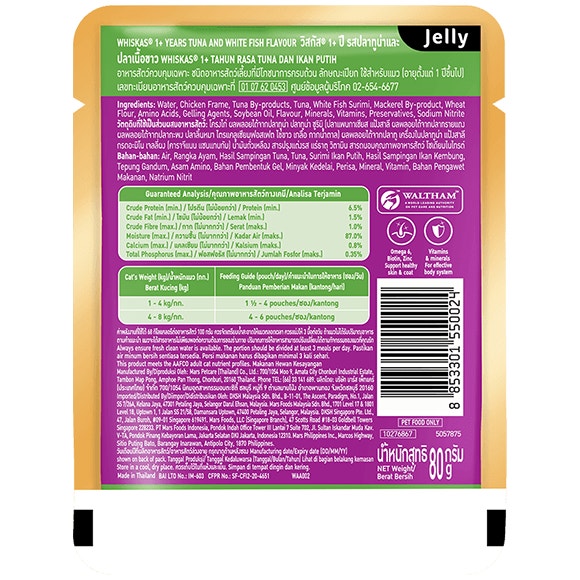
The ingredient list shows what is inside the cat food. Ingredients are listed by weight, from highest to lowest. The first few items are the main parts of the food. Look for real meat or fish near the top. Avoid foods with too many fillers like corn or wheat.
Ingredients like “chicken” or “salmon” provide good protein. Ingredients named “by-products” or “meal” may be less clear. Always check for artificial colors or preservatives. Natural ingredients are better for your cat’s health.
Guaranteed Analysis
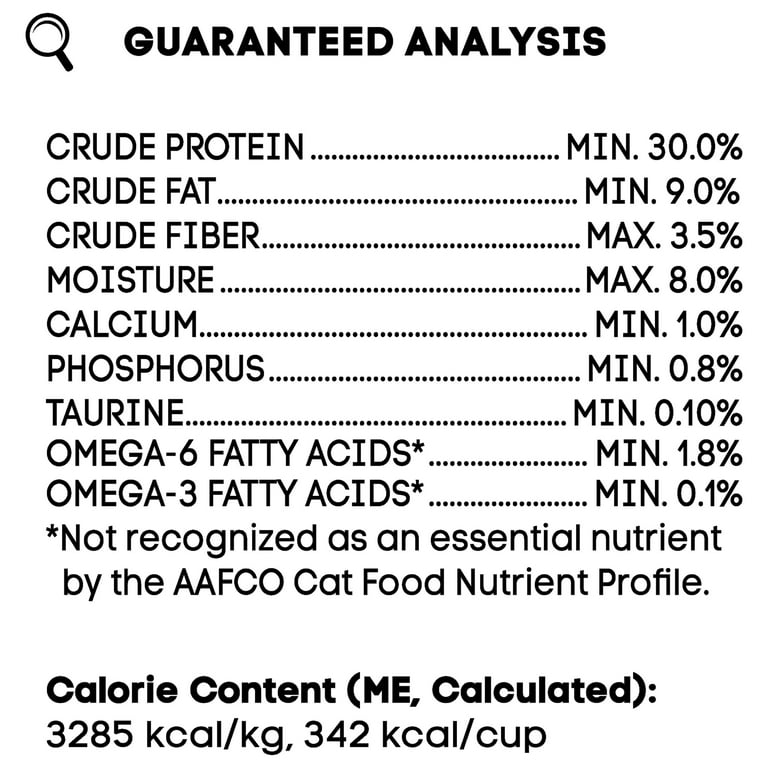
The guaranteed analysis shows nutrient percentages in the food. It lists protein, fat, fiber, and moisture content. Protein is important for muscle and energy. Fat provides essential fatty acids and energy. Fiber aids digestion. Moisture keeps the food fresh.
Compare these numbers to your cat’s needs. Kittens need more protein and fat than adult cats. Senior cats may need less fat. The analysis helps you pick food that fits your cat’s life stage.
Understanding Nutritional Claims
Labels often have claims like “complete and balanced” or “natural.” “Complete and balanced” means the food meets minimum nutrition standards. “Natural” means no artificial ingredients, but check the full list.
Words like “grain-free” or “high protein” can be helpful but check details. Some claims may be marketing tactics. Always verify with ingredient lists and guaranteed analysis. Trust facts, not just fancy words.

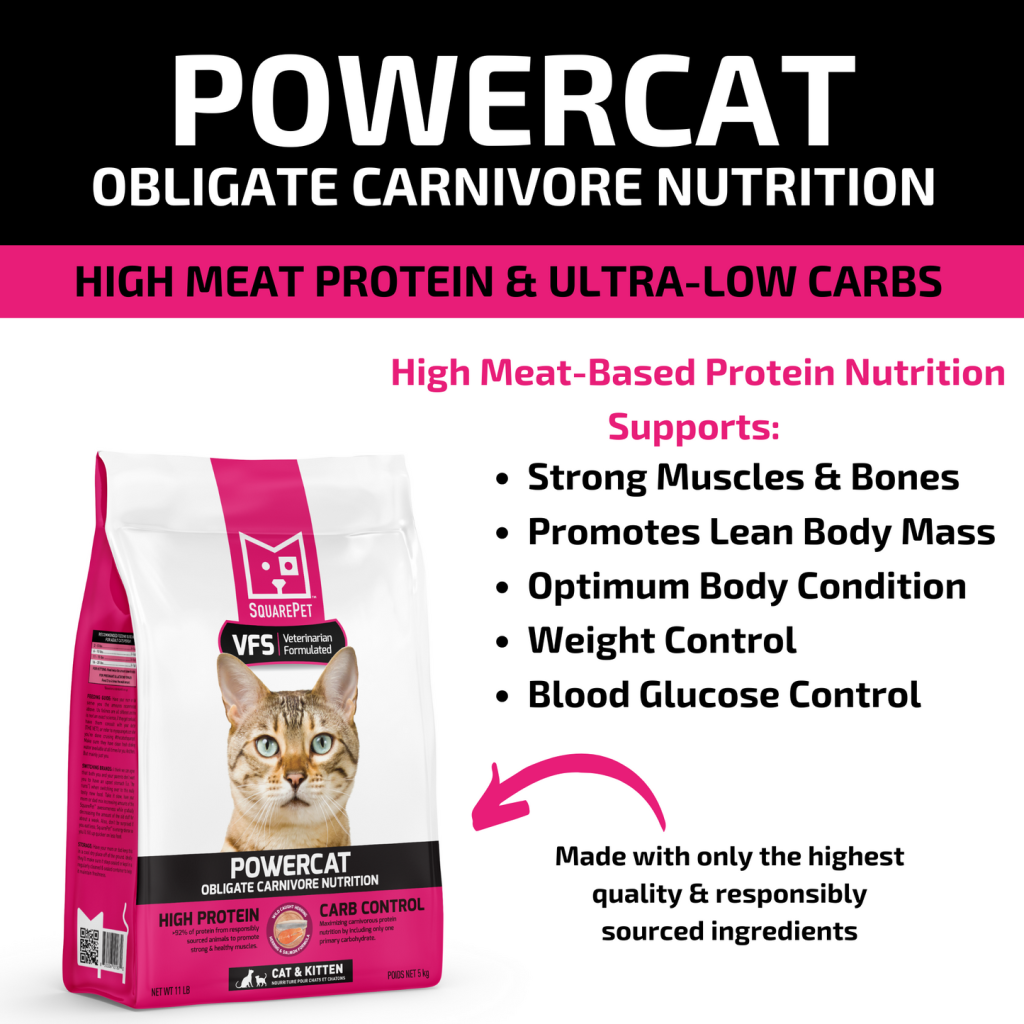
Credit: primalpetfoods.com
Special Dietary Needs
Every cat’s nutritional needs change throughout their life and health journey. Feeding your cat the right diet means paying close attention to these special dietary needs. Whether your cat is a playful kitten, a wise senior, or managing a health condition, their food should support their unique requirements.
Kittens And Growing Cats
Kittens need more calories, protein, and fat than adult cats to support their rapid growth and energy levels. Their food should be rich in essential nutrients like DHA for brain development and calcium for strong bones.
Have you noticed how your kitten seems to burn energy non-stop? That’s why their meals must fuel this constant activity. Feeding kitten-specific food ensures they get the right balance to grow healthy and strong.
Senior Cat Nutrition
Older cats often have slower metabolisms and different nutrient needs. They may benefit from diets lower in calories but higher in fiber to aid digestion and maintain a healthy weight.
Joint health becomes a concern too. Including foods with omega-3 fatty acids or supplements like glucosamine can help keep your senior cat moving comfortably. Have you adjusted your cat’s diet as they aged to support these changes?
Cats With Health Conditions
Health issues like kidney disease, diabetes, or allergies demand specialized diets. For example, cats with kidney problems need food lower in phosphorus and protein to reduce strain on their kidneys.
Diabetic cats benefit from low-carb, high-protein meals to manage blood sugar levels effectively. Allergy-prone cats often require hypoallergenic or limited ingredient diets to avoid flare-ups.
Consulting your vet to tailor your cat’s diet to their specific condition is vital. Are you aware of how diet can directly influence your cat’s recovery and quality of life?
Common Nutritional Deficiencies
Understanding the common nutritional deficiencies in cat food is crucial for keeping your feline friend healthy. Cats have unique dietary needs, and missing key nutrients can lead to serious health problems. Identifying these gaps helps you choose the right food or supplements to support your cat’s well-being.
Taurine Deficiency
Taurine is an essential amino acid that cats cannot produce enough of on their own. Without enough taurine, cats may develop heart problems like dilated cardiomyopathy or suffer from vision loss. Have you ever noticed your cat showing signs of lethargy or poor coat condition? These could be subtle signs of taurine deficiency.
High-quality commercial cat foods usually include taurine, but homemade diets often lack it. If you prepare your cat’s meals, consult your vet about taurine supplements to prevent these risks.
Vitamin A And D Shortages
Cats cannot convert beta-carotene into vitamin A, so they need preformed vitamin A in their diet. A shortage can cause skin issues, poor vision, and immune problems. Vitamin D is equally important for calcium absorption and bone health.
Have you checked if your cat food lists vitamins A and D in the ingredients? Low levels might mean your cat isn’t getting what it needs for strong bones and a healthy immune system. Supplementing these vitamins should only be done under veterinary guidance to avoid toxicity.
Mineral Imbalances
Minerals like calcium, phosphorus, magnesium, and potassium must be balanced carefully in cat food. Too much or too little of these can lead to urinary problems, bone disorders, or muscle issues. For example, excess magnesium is linked to urinary tract disease in cats.
Do you read the mineral content on your cat’s food label? Choosing products with balanced mineral profiles helps prevent these common health problems. If your cat has a specific condition, your vet might recommend a special diet to address mineral imbalances.
Credit: www.walmart.com
Feeding Tips For Optimal Health
Feeding your cat with the right approach can make a huge difference in their overall health. Understanding how much to feed, keeping them hydrated, and switching diets carefully are key steps to keep your feline friend happy and thriving. Let’s look at some practical feeding tips that can help you maintain your cat’s optimal health.
Portion Control
Overfeeding is a common issue that leads to weight gain and health problems in cats. Measure your cat’s food using a standard cup or a kitchen scale to avoid guesswork.
Check the feeding guidelines on the cat food packaging and adjust based on your cat’s age, activity level, and weight. Have you noticed your cat begging for food even after eating enough? It might be boredom rather than hunger.
Hydration Importance
Cats often don’t drink enough water, which can cause urinary and kidney problems. Wet cat food can help increase water intake, especially if your cat refuses to drink from a bowl.
Try offering fresh water several times a day and consider using a cat water fountain to encourage drinking. What’s your cat’s favorite way to stay hydrated?
Transitioning Between Diets
Switching your cat’s food abruptly can cause digestive upset like vomiting or diarrhea. Gradually mix the new food with the old over 7-10 days to give their stomach time to adjust.
Start with 25% new food and 75% old food, then slowly increase the new food amount. Have you ever noticed a change in your cat’s behavior or digestion after changing their diet too quickly?
Credit: www.whiskas.com.ph
Frequently Asked Questions
What Nutrients Are Essential In Cat Food?
Cats need protein, fats, vitamins, and minerals in their food. Protein supports muscle health, fats provide energy, and vitamins boost immunity. Balanced nutrition ensures overall well-being and vitality.
How Does Cat Food Support Feline Health?
Proper cat food provides essential nutrients for growth, energy, and immune function. It helps maintain healthy skin, coat, and digestion. Quality food reduces disease risk and promotes a longer life.
Are Wet Or Dry Cat Foods More Nutritious?
Both wet and dry cat foods offer balanced nutrition. Wet food hydrates and is easier to digest. Dry food supports dental health and is convenient. Choose based on your cat’s needs and preferences.
Can Homemade Cat Food Meet Nutritional Needs?
Homemade cat food can be nutritious if well-balanced. It must include proteins, fats, and essential vitamins. Consult a vet or nutritionist to avoid deficiencies and ensure complete nutrition.
Conclusion
Choosing the right cat food matters for your pet’s health. Cats need balanced nutrition to stay strong and happy. Proteins, fats, vitamins, and minerals all play key roles. Reading labels helps you find good quality ingredients. Fresh water and regular feeding times also support well-being.
Remember, healthy food leads to a healthy cat. Small changes can make a big difference in their life. Keep your cat’s needs in mind every time you shop. Care and attention show love in the best way.
