

Have you ever watched your cat and wondered, “Why does she do that?” Cats are fascinating creatures with their own unique ways of expressing themselves.
Understanding normal cat behavior can feel like deciphering a secret code. But once you do, it can bring you closer to your feline friend. Imagine being able to predict what your cat is feeling, knowing why she suddenly decides to sprint across the room, or understanding those mysterious late-night zoomies.
This knowledge can transform your relationship with your cat, making it richer and more rewarding. Are you ready to uncover the secrets of your cat’s world? Let’s dive into the intriguing world of normal cat behavior. You won’t want to miss what comes next.
Cat Communication
Cats communicate in ways that often go unnoticed by many pet owners. Understanding their signals can deepen your bond and help you respond to their needs better. Their communication is subtle but full of meaning, expressed through body language, vocal sounds, and tail movements.
Body Language Signals
Watch your cat’s posture to understand its mood. A relaxed cat will have loose muscles and half-closed eyes, showing comfort and trust.
On the other hand, a cat with flattened ears and a crouched body might feel threatened or scared. These signals help you know when to give your cat space or offer comfort.
Have you noticed your cat slowly blinking at you? This is a sign of affection and trust. Try blinking back slowly—it’s like a “cat kiss” that strengthens your connection.
Vocal Sounds And Meanings
Cats use a variety of sounds to communicate different needs and emotions. A soft purr often means contentment, but sometimes cats purr when they feel unwell or anxious, seeking comfort.
Meowing is mostly directed at humans. A short, sharp meow might mean “hello” or “I want attention,” while a drawn-out meow could signal hunger or frustration.
Have you ever heard a cat chatter or trill? This sound usually happens when they spot birds or prey outside and reflects excitement or frustration at not being able to hunt.
Tail Movements
Your cat’s tail is a powerful communicator. A tail held high often shows confidence and happiness.
If the tail twitches or flicks rapidly, your cat might be irritated or overstimulated. This is a cue to pause petting or playtime before they become agitated.
A bushy tail indicates fear or aggression, warning you to keep your distance. Observing these movements can prevent misunderstandings and keep both you and your cat safe.

Credit: www.feliway.co.uk
Daily Activity Patterns
Cats have unique daily activity patterns shaped by their instincts and environment. Understanding these patterns helps owners care for their pets better. Cats balance rest, play, and hunting in cycles throughout the day. These behaviors keep them healthy and happy.
Sleeping Habits
Cats sleep a lot, often 12 to 16 hours daily. Their sleep is not deep all the time. They take many short naps to stay alert. Cats are crepuscular, active mainly at dawn and dusk. This pattern helps them conserve energy for hunting and play.
Hunting Instincts
Hunting is natural for cats, even indoor ones. They stalk, chase, and pounce on toys or small objects. This behavior is strongest during early morning and evening. Hunting satisfies their need to move and use their senses. It also prevents boredom and stress.
Play Behavior
Play mimics hunting and helps cats stay fit. Cats enjoy chasing, batting, and pouncing on moving toys. Playtime often peaks at dawn and dusk like hunting. Engaging in play strengthens the bond between cats and owners. It also provides mental and physical exercise.
Social Interactions
Cats are social animals with unique ways of interacting. Their social behavior varies between individuals and situations. Understanding these interactions helps build a stronger bond with your cat. Social interactions include how cats connect with humans, other pets, and their environment.
Bonding With Humans
Cats show affection through gentle touches and soft purring. They may rub their heads against you to mark you as safe. Some cats follow their owners around the house. Eye contact and slow blinking express trust and comfort. Playtime and regular feeding also strengthen bonds.
Relationships With Other Pets
Cats can live peacefully with other animals if introduced slowly. They use body language to communicate feelings and intentions. Hissing or growling signals discomfort or fear. Friendly cats may groom each other or sleep close. Respecting each pet’s space reduces tension.
Territorial Behavior
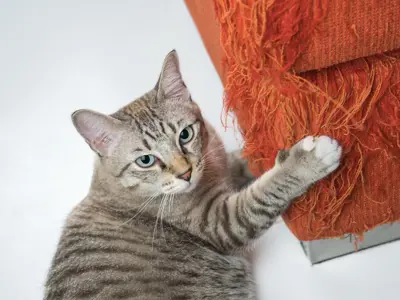
Cats feel safe in familiar surroundings and protect their space. They mark territory by scratching or rubbing scent glands on objects. New animals or changes can cause stress and defensive actions. Providing separate areas helps reduce conflicts. Watching for signs of anxiety keeps your cat calm.
Credit: www.ottawahumane.ca
Grooming Rituals
Cats spend a lot of time on grooming. It is a key part of their daily routine. Grooming keeps their fur clean and healthy. It also helps cats relax and feel safe. Understanding grooming rituals shows how cats care for themselves and others.
Self-cleaning Techniques
Cats use their tongues to clean their fur. Their tongues have tiny, rough bumps called papillae. These help remove dirt and loose hair. Cats lick their paws and rub their face and head. This reaches spots their tongues cannot touch. Grooming also spreads natural oils across their fur. These oils keep the coat shiny and soft.
Mutual Grooming
Cats often groom each other in a behavior called allogrooming. This happens between cats that trust each other. Mutual grooming strengthens social bonds and reduces stress. Cats lick each other’s heads, necks, and backs. This helps clean hard-to-reach areas. It is a sign of friendship and care.
Signs Of Grooming Issues
Changes in grooming habits can signal problems. Cats that groom too little may have skin issues or pain. Too much grooming can cause bald patches or sores. Watch for:
- Mattes or clumps of fur
- Red or irritated skin
- Excessive scratching
- Hair loss
These signs suggest a visit to the vet is needed. Early care can prevent serious health issues.
Feeding And Eating Habits
Cats have unique feeding and eating habits that reflect their natural instincts. Understanding these habits helps keep cats healthy and happy. Their diet, mealtime behavior, and play with food show how they interact with their environment and caregivers.
Preferred Diets
Cats are obligate carnivores, meaning they need meat to survive. Their diet mainly consists of protein and fat from animal sources. Wet food, dry kibble, and raw diets all serve different nutritional needs. Many cats prefer small, frequent meals rather than one big portion.
- High protein content
- Low carbohydrates
- Essential vitamins and taurine
Mealtime Behaviors
Cats often eat quietly and carefully. They use their teeth to tear food into small pieces. Some cats are slow eaters, while others finish quickly. They may pause between bites, showing natural hunting instincts. Routine mealtimes help cats feel secure and reduce stress.
Food-related Play
Many cats treat food as a toy or hunt. They may bat at kibble or pounce on moving pieces. This play mimics hunting and sharpens their instincts. Offering puzzle feeders or toys with treats keeps cats mentally active. Food-related play also prevents boredom and overeating.

Credit: www.reddit.com
Common Misconceptions
Many cat owners have ideas about their pets that don’t always match reality. These misconceptions can lead to misunderstandings and even frustration for both you and your feline friend. Let’s clear up some of the most common myths about normal cat behavior to help you better understand your companion.
Myths About Independence
People often say cats are completely independent and don’t need much attention. But cats actually crave social interaction, just in their own way. Your cat might not demand constant cuddles, but it appreciates your presence and can get lonely without you.
Think about how your cat follows you from room to room or sits near you while you work. These are signs it enjoys your company, even if it shows affection differently than a dog.
Aggression Misunderstood
Aggression in cats is usually seen as a sign of a “bad” or unfriendly cat. In reality, aggression is often a response to fear, pain, or stress. Your cat might hiss or swipe because it feels threatened, not because it wants to be mean.
If your cat suddenly becomes aggressive, consider what might have changed in its environment or health. Addressing those issues can reduce aggressive behavior and build trust between you.
Nocturnal Activity Explained
Cats are often called nocturnal, but they are actually crepuscular, meaning they are most active at dawn and dusk. This natural behavior can surprise you when your cat zooms around or plays at night.
You can help manage this by engaging your cat in active play during the evening. This tires them out and helps shift their energy to more convenient times for you.
Frequently Asked Questions
Why Do Cats Knead With Their Paws?
Cats knead to mark territory and show comfort. It’s a natural behavior from kittenhood. Kneading also helps cats relax and express affection.
What Does A Cat’s Purring Really Mean?
Purring usually signals contentment and relaxation. Cats also purr when scared or in pain to self-soothe. It’s a versatile form of communication.
Why Do Cats Bring Dead Animals Home?
Cats bring prey to share hunting success. It’s an instinct to provide for their family. This behavior stems from their wild ancestors.
How Can I Tell If My Cat Is Happy?
A happy cat shows relaxed body language, soft eyes, and purring. They engage in play and seek affection. Tail position also indicates mood.
Conclusion
Cats show many normal behaviors that help us understand them better. They use body language, sounds, and actions to communicate. Knowing these signs helps build a stronger bond with your pet. Respect their space and watch for changes in behavior.
This keeps cats happy and healthy. Enjoy their unique ways of showing love and curiosity. Understanding normal cat behavior makes pet care easier and more rewarding. Keep learning and observing your cat every day.
