

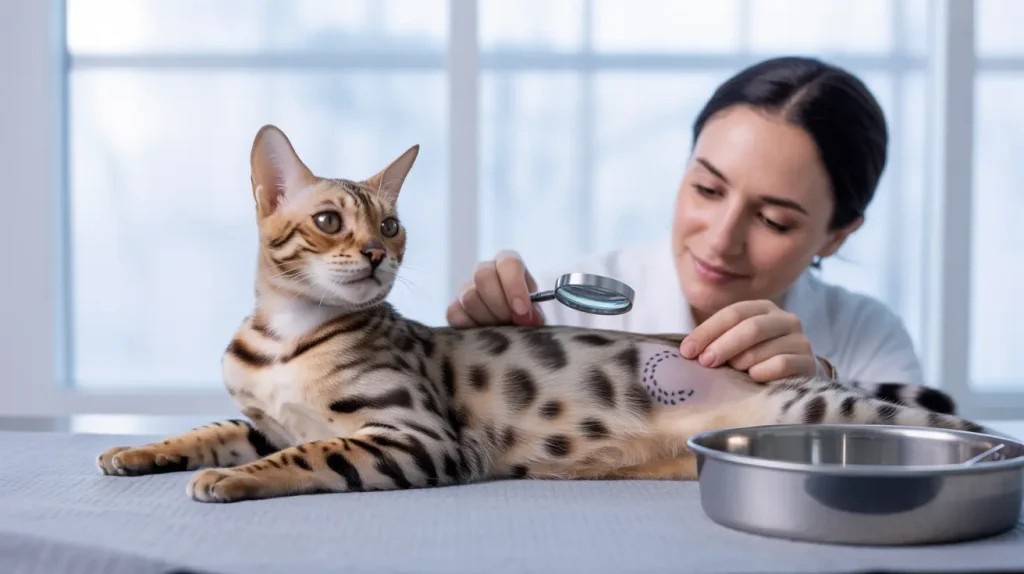
Have you ever wondered how neutering impacts your male cat’s behavior? You’re not alone.
Many pet owners are curious about the changes they might notice in their furry companions after this common procedure. Understanding these changes can help you provide the best care and build a stronger bond with your feline friend. You’ll discover the key behavioral shifts that often occur in neutered male cats, from reduced aggression to changes in territorial instincts.
By the end, you’ll feel more confident in navigating this transition and ensuring a happy, healthy life for your cat. Ready to uncover the secrets behind neutered male cat behavior? Let’s dive in!
Behavior Before Neutering
Before neutering, male cats show distinct behaviors driven by hormones. These actions reflect their natural instincts to protect territory and find mates. Understanding these traits helps owners prepare for changes after neutering.
Common Traits In Intact Males
Intact males often act more confident and bold. They may:
- Mark territory with strong scents
- Roam far from home
- Show aggressive behavior toward other cats
- Be more vocal, especially at night
These behaviors stem from high testosterone levels.
Territorial Marking And Spraying
Spraying is common among intact males. They spray urine on walls and furniture. This marks their territory and warns other cats. The smell is strong and hard to remove. This habit helps them claim their space.
Aggression And Roaming Habits
Intact males tend to fight with other cats. They defend their territory fiercely. Roaming is another common behavior. They travel long distances searching for females. This increases the risk of injuries and accidents.
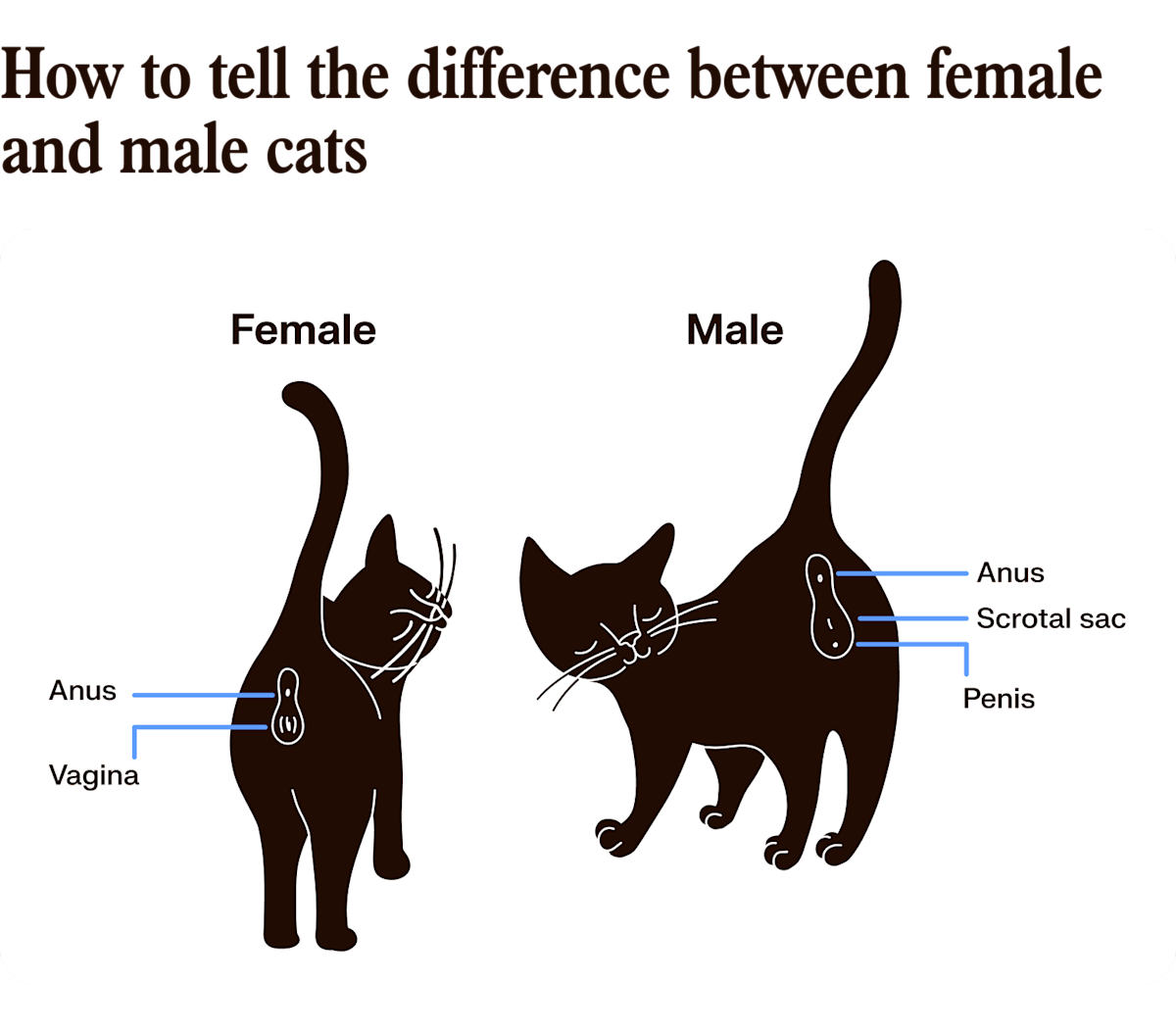
Credit: www.kinship.com
Immediate Effects After Neutering
After your male cat is neutered, you might notice some immediate changes in his behavior. These shifts can be surprising but are usually temporary. Understanding what to expect helps you support your cat through this adjustment period.
Changes In Activity Levels
Right after neutering, your cat may seem less energetic than usual. This drop in activity happens because he’s recovering from surgery and feeling a bit sore. You might find him resting more, which is normal and necessary for healing.
However, some cats become more relaxed and less aggressive after neutering. If your cat was previously very territorial or hyperactive, you may see a noticeable calmness. Keep an eye on his movements, but don’t worry if he’s less playful for a few days.
Shifts In Social Interaction
Your cat’s social behavior can change soon after neutering. He might seek more affection or, conversely, want some alone time as he recovers. This shift depends on his personality, so watch how he responds to your attention.
Neutering often reduces aggression and dominance behaviors, making your cat more approachable to other pets. Have you noticed your cat being less confrontational or more willing to share space? These are positive signs that the surgery is impacting his social instincts.
Appetite And Weight Variations
It’s common for a neutered cat’s appetite to increase shortly after surgery. This happens because the hormones that regulated his hunger are now lower. You may notice him asking for food more often or finishing meals faster than before.
Because of this increased appetite and reduced activity, weight gain can become a concern. To manage this, consider adjusting his portion sizes or feeding schedule. Have you tried interactive feeding toys to keep his mind engaged while controlling food intake?
Long-term Behavioral Changes
Neutering your male cat brings more than just health benefits—it changes how he behaves over time. These long-term changes often make life easier for both you and your feline friend. Understanding these shifts can help you better support your cat’s adjustment and enjoy a calmer, more affectionate companion.
Reduced Aggression And Dominance
Neutered males usually show less aggressive behavior. You’ll notice fewer fights with other cats and less territorial posturing. This happens because neutering lowers testosterone, the hormone linked to dominance and aggression.
Have you seen your cat calm down after neutering? Many owners report their cats becoming more approachable and less likely to lash out. This change not only protects your cat but also helps keep your home peaceful.
Decreased Roaming And Marking
Unneutered male cats often roam far from home looking for mates. After neutering, they tend to stay closer to your house, reducing the risk of accidents or getting lost. This shift also means less spraying and marking, which can damage your furniture and create unpleasant odors.
Consider how much easier it is to keep track of a cat that sticks around. You might find yourself less worried and more relaxed knowing your cat feels less urge to wander or mark territory.
Impact On Playfulness And Affection
Neutering doesn’t dull your cat’s playful side—in many cases, it enhances it. Without the distractions of mating instincts, your cat often becomes more focused on interactive play and bonding. You might notice increased cuddling and purring as your cat seeks comfort and connection.
Have you experienced your cat’s affectionate moments growing after neutering? These changes can deepen the bond you share, making your pet feel like a true part of the family.
Surprising Behavioral Shifts
Neutering your male cat often brings changes you might not expect. These shifts can be subtle or quite noticeable, affecting how your feline friend interacts with you and the environment. Understanding these changes helps you respond better and strengthen your bond.
Unexpected Mood Swings
You might notice your neutered cat acting moody at times. One day he’s affectionate, the next he may seem distant or irritable. This isn’t unusual; hormonal changes after neutering can cause fluctuations in behavior.
Think about your own mood shifts during stressful times—your cat experiences something similar. Pay attention to triggers like new people, changes in routine, or loud noises. Offering a calm environment and extra affection during these times can help your cat feel secure.
Changes In Vocalization Patterns
Neutered males often change how they communicate vocally. Some become quieter, while others might meow more frequently or with different tones. These changes reflect shifts in their social needs and comfort levels.
Ask yourself if your cat’s new vocal habits coincide with specific events like feeding or playtime. Responding by engaging more or providing reassurance can reduce excessive meowing. Remember, your cat is telling you something important through these new sounds.
Altered Sleep And Rest Cycles
After neutering, your cat’s sleep patterns might shift noticeably. He may sleep longer during the day or have bursts of energy at unusual times. This change happens as metabolism and hormone levels adjust.
Observe if your cat prefers new resting spots or changes his activity schedule. Adjust your play sessions to match his energy peaks and ensure he has quiet spaces for undisturbed rest. This helps maintain a healthy routine for both of you.
Managing New Behaviors
Neutering changes a male cat’s behavior. Some new habits may appear after the surgery. Managing these behaviors helps your cat stay happy and healthy. Adjusting your approach can make life easier for both of you.
Adapting Environment And Routine
Create a calm and comfortable space for your cat. Keep favorite toys and resting spots accessible. Avoid loud noises or sudden changes in the home.
Stick to a daily routine for feeding and playtime. Cats find comfort in predictability. This helps reduce stress and unwanted behaviors.
Encouraging Healthy Activity
Neutered cats often become less active. Encourage play to keep them moving. Use toys like feather wands or laser pointers.
Set aside short play sessions multiple times a day. This keeps your cat alert and engaged. Activity also helps prevent boredom and restlessness.
Addressing Weight Management
Neutered cats may gain weight more easily. Monitor their food intake carefully. Choose a diet designed for neutered cats.
- Measure portions to avoid overfeeding
- Limit treats and snacks
- Offer low-calorie, high-protein meals
Regular vet checkups support healthy weight control. Maintaining a proper weight keeps your cat active and reduces health risks.

Credit: www.reddit.com
When To Seek Veterinary Advice
Neutered male cats usually show calm and friendly behavior. Still, changes can happen that need attention. Knowing when to seek veterinary advice helps keep your cat healthy and happy. Sudden or unusual behaviors might signal an underlying issue. Early action can prevent serious problems and improve your cat’s quality of life.
Signs Of Behavioral Problems
- Aggression toward people or other pets
- Excessive hiding or withdrawal
- Changes in litter box habits
- Unusual vocalization or constant meowing
- Restlessness or pacing for long periods
- Destructive scratching or biting objects
- Loss of appetite or sudden weight change
These signs may suggest stress, anxiety, or illness. Note how long the behavior lasts and how severe it is. Share these details with your veterinarian for better diagnosis.
Health Issues Affecting Behavior
Physical health problems can change how your cat acts. Pain, infections, or hormonal imbalances often affect mood and behavior. Common issues include:
- Urinary tract infections causing discomfort
- Arthritis limiting movement and causing irritability
- Thyroid problems leading to hyperactivity or lethargy
- Dental pain causing withdrawal or aggression
- Parasite infestations that cause itching and stress
Regular veterinary checkups help detect these issues early. Treatment can improve behavior and overall well-being.
Credit: www.petscare.com
Frequently Asked Questions
What Behavioural Changes Occur In Neutered Male Cats?
Neutered male cats often become calmer and less aggressive. They show reduced territorial marking and spraying. Their roaming tendencies decrease. Overall, neutering leads to a more affectionate and relaxed cat.
How Does Neutering Affect Male Cats’ Aggression?
Neutering lowers testosterone, which reduces aggression in male cats. Neutered cats are less likely to fight or show dominance behaviors. This makes them safer and more sociable pets.
Will Neutered Male Cats Still Spray Or Mark Territory?
Neutered cats usually spray less because hormonal drives reduce. However, some may still mark due to stress or environment. Proper training and a calm home help minimize this behavior.
Does Neutering Impact Male Cats’ Activity Levels?
Neutering can slightly reduce activity and roaming. Neutered males often prefer indoor play and rest. Providing toys and interaction keeps them healthy and happy.
Conclusion
Neutering changes a male cat’s behavior in many ways. It often calms their mood and lowers aggression. Neutered cats usually roam less and mark territory less. They tend to be friendlier and more relaxed at home. These changes help create a peaceful environment for both cats and owners.
Understanding these behaviors helps you care better for your pet. Every cat is unique, so watch your cat closely. Patience and love go a long way in helping your cat adjust.
