

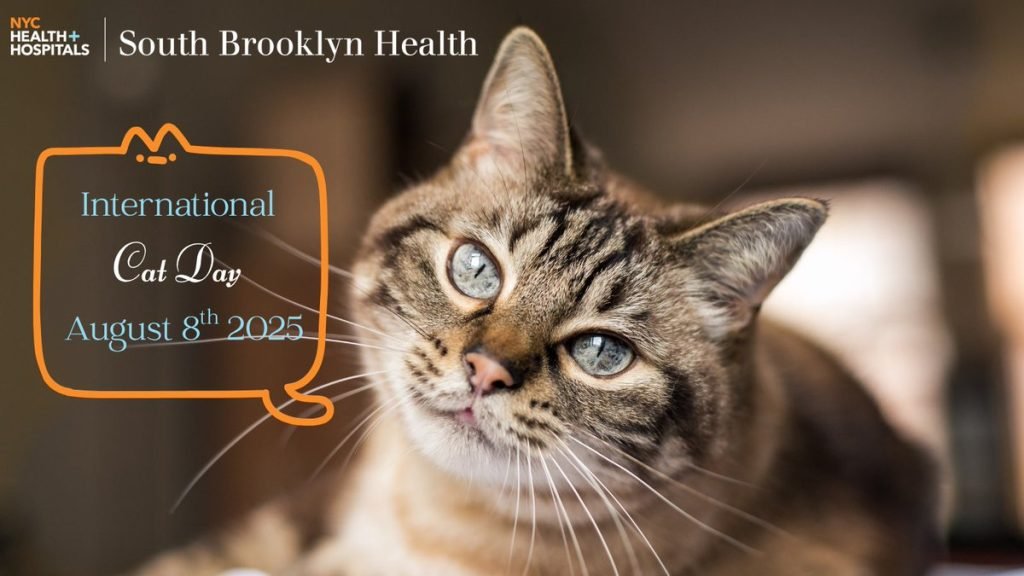
Did you know that your cat’s health depends on more than just the food you give them? National Cat Health Month is the perfect time for you to learn simple steps that can keep your furry friend happy and healthy all year long.
Imagine catching health problems early or making small changes that add years to your cat’s life. You’ll discover easy tips and essential facts that every cat owner needs to know. Keep reading to find out how you can give your cat the best care possible starting today.

Credit: bppethospital.com
Importance Of Cat Health
Keeping cats healthy is crucial for their happiness and longevity. Healthy cats live active, joyful lives and avoid many diseases. Paying attention to their health helps catch problems early. Early detection means easier treatment and better outcomes. National Cat Health Month reminds us to care for feline health regularly.
Benefits Of Regular Checkups
Regular veterinary visits help monitor your cat’s well-being. Checkups allow vets to spot health issues before they worsen. Vaccinations, dental care, and parasite control keep cats protected. Routine exams also update your cat’s medical history. Preventive care saves money and stress by avoiding serious illness.
Common Health Issues In Cats
Cats often face health problems like:
- Dental disease causing pain and eating issues
- Obesity leading to diabetes and joint problems
- Kidney disease affecting older cats
- Fleas and ticks causing irritation and infections
- Upper respiratory infections common in shelters
Understanding these issues helps owners watch for warning signs. Early treatment improves quality of life and survival rates.

Credit: www.freepik.com
Nutrition For A Happy Cat
Your cat’s nutrition plays a huge role in their overall happiness and well-being. Feeding your feline friend the right food fuels their energy, supports their immune system, and helps maintain a shiny coat. Have you ever noticed how your cat’s mood changes after a good meal? It’s real—good nutrition directly affects their behavior and health.
Choosing The Right Food
Not all cat foods are created equal. Look for options that list real meat, like chicken or fish, as the first ingredient. Cats are obligate carnivores, so they need a diet high in protein and low in fillers like corn or soy.
Consider your cat’s age, weight, and health conditions when picking food. Kittens, adults, and senior cats have different nutritional needs. If your cat has allergies or sensitivities, you might need to try hypoallergenic or grain-free formulas.
Have you checked the label for added vitamins and minerals? Essential nutrients like taurine, omega-3 fatty acids, and antioxidants keep your cat’s heart and eyes healthy. Sometimes, switching to a high-quality wet food can make a difference if your cat is a picky eater or needs extra hydration.
Hydration Tips
Hydration is often overlooked but is just as important as solid food. Cats don’t always drink enough water because their ancestors got moisture from prey. You can encourage your cat to drink more by:
- Providing fresh water daily in multiple bowls around the house
- Using a cat water fountain to make drinking more interesting
- Adding a little low-sodium broth to their water or food
- Including wet food in their diet to boost fluid intake
Have you noticed your cat’s water bowl often untouched? Try moving it to a quieter spot or away from their litter box, as cats prefer clean and calm drinking areas. Keeping your cat well-hydrated supports kidney function and overall health.
Exercise And Mental Stimulation
Exercise and mental stimulation are vital for a cat’s health and happiness. Cats need activity to keep their bodies strong and minds sharp. Without enough play and challenge, they can become bored or stressed. Regular exercise helps prevent obesity and related health problems. Mental activities improve focus and reduce anxiety.
Indoor Play Ideas
Indoor play keeps cats active and engaged. Use toys that mimic hunting, like feather wands and laser pointers. Puzzle feeders challenge their minds and slow down eating. Boxes and tunnels offer hiding spots and exploration fun. Rotate toys often to keep interest high. Simple games like hide-and-seek with treats also work well.
Outdoor Safety Measures
Outdoor time gives cats fresh air and new sights. Always supervise outdoor play to avoid dangers. Use a secure harness and leash for walks. Check the yard for toxic plants or sharp objects. Create a safe outdoor space with fences or enclosures. Avoid letting cats roam freely near busy roads or wild animals.
Grooming Essentials
Grooming your cat is key to keeping them healthy and happy. It helps prevent hairballs, skin problems, and discomfort. Regular grooming also strengthens the bond between you and your pet. Simple tools and gentle care make grooming easy and stress-free for both of you.
Brushing Techniques
Choose a brush that fits your cat’s fur type. Short-haired cats need soft bristle brushes. Long-haired cats benefit from wide-toothed combs to remove tangles.
- Brush gently in the direction of hair growth.
- Start from the head and move toward the tail.
- Focus on areas where mats form, like behind ears.
- Brush regularly, at least twice a week.
- Use short sessions to keep your cat calm.
Nail Care Tips
Trim your cat’s nails to avoid scratches and damage. Use a sharp pet nail clipper designed for cats.
- Hold the paw firmly but gently.
- Cut only the sharp tip, avoiding the pink quick.
- If unsure, trim a small amount at a time.
- Reward your cat with treats for good behavior.
- Check nails every two weeks to keep them healthy.
Preventive Care Practices
Preventive care is key to keeping cats healthy and happy. It helps avoid many common illnesses and conditions. Regular check-ups and proper care make a big difference in a cat’s life.
Preventive care includes vaccinations, parasite control, proper nutrition, and dental care. Each part plays a role in protecting your cat from diseases. Understanding and following these practices ensures long-term wellness.
Vaccinations Schedule
Vaccinations protect cats from serious diseases. Kittens need a series of shots starting at six to eight weeks old. Adult cats require booster shots yearly or every three years, depending on the vaccine.
| Age | Vaccine | Frequency |
|---|---|---|
| 6-8 weeks | FVRCP (Feline Viral Rhinotracheitis, Calicivirus, Panleukopenia) | Initial series |
| 12 weeks | Rabies | First dose |
| 1 year | Booster for FVRCP and Rabies | Annual |
| After 1 year | Booster shots | Every 1-3 years |
Discuss your cat’s vaccination needs with a veterinarian for best results.
Parasite Prevention
Parasites cause discomfort and illness in cats. Fleas, ticks, and worms are common threats. Preventive treatments keep these parasites away and protect your cat’s health.
- Use flea and tick preventives monthly.
- Administer deworming treatments as advised by your vet.
- Keep your cat’s environment clean and free of pests.
- Check your cat regularly for signs of parasites.
Parasite prevention supports overall well-being and prevents disease spread.
Creating A Safe Environment
Creating a safe environment is vital for your cat’s health. Cats explore every corner of the home. They need spaces that protect them from harm. A safe home reduces stress and prevents accidents. Focus on making your living space both secure and cozy for your feline friend.
Cat-proofing Your Home
Remove toxic plants and dangerous chemicals from reach. Secure loose wires and cords to avoid chewing hazards. Keep small objects that cats can swallow out of sight. Cover trash bins to stop curious paws from reaching inside. Ensure windows have secure screens to prevent falls. Block access to open flames and hot surfaces.
Comfortable Living Spaces
Create quiet corners where your cat can relax. Use soft bedding in warm, draft-free areas. Provide scratching posts to protect your furniture. Place toys and climbing trees to keep them active. Maintain clean litter boxes in private spots. Fresh water and balanced food should be easy to find. A calm and inviting space helps cats feel safe and happy.
Recognizing Signs Of Illness
Recognizing signs of illness in your cat is crucial for early intervention and effective treatment. Cats often hide discomfort, so spotting subtle changes can make a big difference in their health. Paying close attention to your cat’s behavior and physical condition helps you act quickly when something feels off.
Behavioral Changes
Have you noticed your cat suddenly avoiding you or hiding more than usual? A shift in social interaction can signal pain or distress.
Other behavioral signs include:
- Reduced activity or reluctance to jump and play
- Increased irritability or vocalization
- Changes in eating or drinking habits
When your usually friendly cat becomes withdrawn, ask yourself: is this normal for them, or is something wrong?
Physical Symptoms
Physical signs often accompany behavioral changes and can be easier to spot if you know what to look for.
- Weight loss or gain without a clear cause
- Unkempt fur or excessive grooming, sometimes leading to bald patches
- Visible wounds, swelling, or lumps
- Changes in litter box habits, like straining or accidents outside the box
Remember, some symptoms can be subtle. For example, a slight limp might mean injury or arthritis. What small changes have you noticed in your cat’s appearance or routine lately?

Credit: www.freepik.com
Frequently Asked Questions
What Is National Cat Health Month?
National Cat Health Month is celebrated in February to raise awareness about feline health. It emphasizes regular vet check-ups, balanced nutrition, and a stress-free environment. This month encourages cat owners to be proactive in their pets’ health, ensuring long, happy lives.
How Can I Improve My Cat’s Health?
Improving your cat’s health involves providing a balanced diet, regular vet visits, and mental stimulation. Ensure vaccinations are up-to-date and maintain a clean living environment. Regular exercise and playtime are essential for physical and mental well-being.
Why Are Regular Vet Visits Important For Cats?
Regular vet visits help detect health issues early, ensuring timely treatment. They provide vaccinations, dental care, and weight management advice. Routine check-ups also offer a chance to discuss any behavioral changes with a professional.
What Diet Is Best For My Cat’s Health?
A balanced diet rich in proteins, vitamins, and minerals is essential for cats. High-quality commercial cat food or a vet-recommended homemade diet ensures nutritional needs are met. Fresh water should always be available.
Conclusion
National Cat Health Month reminds us to care for our cats daily. Regular vet visits keep cats healthy and happy. Feeding balanced food helps maintain their strong bodies. Watching for changes in behavior can catch problems early. Clean water and a safe home are very important.
Celebrate your cat by giving love and attention. Small steps make a big difference in cat health. Caring for cats shows how much we value them. Keep your cat healthy and enjoy many happy years together.
