

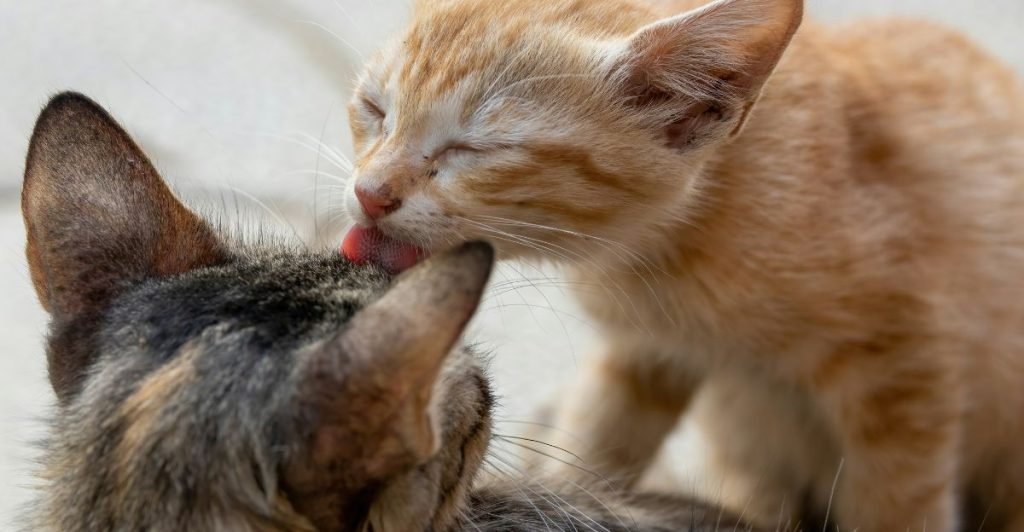
Have you ever watched your cats grooming each other and wondered why they do it? It’s more than just keeping clean.
When your cats groom each other, they’re sharing a special bond that tells you a lot about their relationship. Understanding this behavior can help you connect with your furry friends on a deeper level. Keep reading to discover what this sweet act means and how it affects your cats’ happiness and health.

Credit: www.youtube.com
Why Cats Groom Each Other
Cats grooming each other is a common sight among feline friends. This behavior goes beyond cleanliness. It plays a big role in their social lives and wellbeing. Understanding why cats groom each other helps us appreciate their unique bond.
Social Bonding Benefits
Grooming builds strong connections between cats. It shows friendship and acceptance. Cats share scents through grooming, creating a group identity. This helps reduce tension and fights. Grooming sessions often happen between cats that feel safe together. It works like a social glue, keeping the group united.
Mutual Comfort And Trust
Grooming each other provides comfort and calmness. Cats trust each other enough to let their guard down. It is a sign of deep friendship and security. The act also helps reduce stress and anxiety. Cats feel safe and relaxed during these moments. Mutual grooming strengthens their emotional bond and peace.
Common Grooming Behaviors
Cats grooming each other shows trust and care. It helps keep their fur clean and healthy. Grooming also strengthens their bond and calms them down. Watching these behaviors gives insight into their social life.
Licking Patterns
Cats use their tongues to clean each other’s fur. They lick gently in small, repeated strokes. The licking focuses on hard-to-reach areas like the head and neck. Cats often take turns licking one another. This mutual grooming helps remove dirt and loose fur.
Nuzzling And Purring
Nuzzling means rubbing their heads or bodies close together. This shows affection and comfort. Cats often purr during grooming, signaling they feel safe. Purring also helps reduce stress and relax both cats. Together, nuzzling and purring make grooming a soothing act.
What Grooming Says About Their Relationship
Watching your cats groom each other can reveal a lot about their bond. Grooming isn’t just about keeping clean; it’s a silent conversation between your furry friends. It shows how they see each other and where they fit in their shared world.
Hierarchy And Acceptance
Grooming often reflects the social order among cats. Usually, the dominant cat grooms the others more often, which shows its leadership role. If you notice one cat patiently allowing another to groom it, that’s a sign of acceptance and trust within their hierarchy.
This behavior can help you understand who your cats look up to or follow. Have you seen one cat consistently taking the lead during play or mealtime? Grooming patterns often match these dynamics, giving you clues about their relationships.
Stress Relief And Security
Grooming isn’t just about hierarchy—it’s also a way your cats comfort each other. When your cats groom together, they release calming chemicals that reduce stress. This shared activity creates a safe and secure environment for both.
Think about times when your cats have been anxious or scared. Have you noticed them grooming one another more during those moments? This mutual grooming helps them feel protected and connected, easing tension and building stronger bonds.

Credit: www.youtube.com
Signs Your Cats Are Close Friends
Watching cats groom each other is more than just cute behavior. It shows a strong friendship bond. Cats that share a deep connection often display signs that prove their closeness. These signs reveal trust and comfort between them. Understanding these behaviors helps you appreciate your pets’ relationship.
Shared Sleeping Spots
Close cats love to sleep near each other. They often choose the same cozy spots. This shows they feel safe and calm together. Sleeping side by side means they trust each other completely. You might find them curled up in a ball or stretched out together. Their shared space highlights their strong friendship.
Playful Interactions
Friends play and have fun. Cats that are close friends often chase and wrestle gently. Their play is full of happy energy, not aggression. They take turns being the “hunter” and the “prey.” Playful interactions build trust and keep their bond strong. These moments show they enjoy each other’s company deeply.
How To Encourage Grooming And Bonding
Encouraging cats to groom each other helps build trust and friendship. This natural behavior keeps them clean and calm. Creating the right setting and using gentle encouragement can strengthen their bond. Small steps can make a big difference.
Creating A Comfortable Environment
Choose a quiet, calm space with soft bedding for your cats. Avoid loud noises and sudden movements around them. Make sure each cat has its own food and water bowls nearby. A stress-free area helps cats feel safe together. Warm spots near windows or sunny areas invite relaxation.
Provide plenty of hiding places like boxes or cat trees. These spots give cats privacy when they want a break. Cats often groom more when they feel secure. Keep the room at a comfortable temperature. Clean the space regularly to avoid smells that stress cats.
Positive Reinforcement Techniques
Reward grooming behavior with gentle praise and treats. Use soft voices to encourage calm interactions. Offer small snacks right after you see grooming. This helps cats connect good feelings with the act.
Play with your cats together to build friendly feelings. Use toys they enjoy to keep them close. Avoid forcing grooming or separating them if they fight. Patience is key. Let them set their own pace.
- Give treats during calm moments.
- Pet them softly when they groom each other.
- Use a calm tone to praise good behavior.
- Spend time playing as a group.

Credit: catcuddlezone.com
When Grooming Might Signal Problems
Grooming is a natural way cats bond and show care for each other. Yet, not all grooming is healthy. Sometimes, grooming can signal problems. It is important to watch for signs that suggest stress or aggression. Knowing what to look for helps keep your cats happy and safe.
Overgrooming And Stress
Overgrooming happens when a cat licks or bites itself too much. This can cause bald spots or skin damage. Stress often triggers this behavior. Changes in the home, new pets, or loud noises may upset cats. Overgrooming acts like a coping mechanism to relieve anxiety. Watch for repeated licking or chewing on the same area. This can lead to infections or wounds.
Aggressive Grooming Behavior
Aggressive grooming looks different from gentle care. It involves biting hard, scratching, or pulling fur. One cat may force grooming on another unwilling cat. This causes fear and injury. Aggressive grooming often means tension between cats. It can be a sign of rivalry or poor social skills. Look for signs like growling, hissing, or swatting during grooming sessions. Separate cats if aggression continues to prevent harm.
Stories From Cat Owners
Cat owners often share touching stories about how their cats groom each other, revealing deep bonds and social behaviors. These moments go beyond just cleanliness—they show trust and affection between feline friends. Let’s look at some stories that might inspire you to observe your own cats more closely.
Heartwarming Grooming Moments
One owner noticed that her shy cat only allowed grooming from the more confident feline during quiet evenings. This gentle act helped the shy cat feel safer and more relaxed in their shared space.
Another story tells of two cats who groomed each other right after a stressful vet visit. This mutual care seemed to comfort them both, easing anxiety and reinforcing their bond.
- Grooming can be a sign of reconciliation after a disagreement.
- It’s often a way cats show who they trust in their group.
- Watching these moments can help you understand your cat’s social circle better.
Lessons Learned From Observing Cats
Watching cats groom each other teaches you about their communication and hierarchy. You might see that the dominant cat usually initiates grooming, signaling leadership and care.
These observations can also guide you in managing multi-cat households. If you notice one cat is always left out, you might need to intervene and help them feel included.
How often do you watch your cats interact quietly? You may discover new ways to support their wellbeing just by paying attention to these small but meaningful behaviors.
Frequently Asked Questions
Why Do My Cats Groom Each Other?
Cats groom each other to strengthen social bonds and show affection. It also helps them stay clean and reduces stress. Mutual grooming promotes trust and comfort between cats in the same household.
Is Mutual Grooming Normal Cat Behavior?
Yes, mutual grooming is a natural behavior among cats. It helps maintain hygiene and builds strong relationships. Cats often groom each other in friendly groups or family units.
Can Grooming Prevent Cat Fights?
Mutual grooming reduces tension and fosters harmony between cats. It helps prevent conflicts by reinforcing social bonds and trust. Grooming signals peaceful intentions and promotes group cohesion.
When Should I Worry About Cats Grooming Each Other?
If grooming becomes excessive or causes bald spots, consult a vet. Over-grooming may indicate stress, skin issues, or parasites. Normal grooming should be gentle and balanced between cats.
Conclusion
Cats grooming each other shows their strong bond. It’s a sweet display of affection. This behavior can enhance their relationship. It also helps with their cleanliness and relaxation. Observing this can be heartwarming for pet owners. It brings joy to see pets caring for one another.
Grooming creates a peaceful atmosphere. It’s essential for their social well-being. Understanding this behavior enriches the pet experience. It fosters a deeper connection with them. Enjoy these moments. They truly highlight the beauty of feline companionship.
