

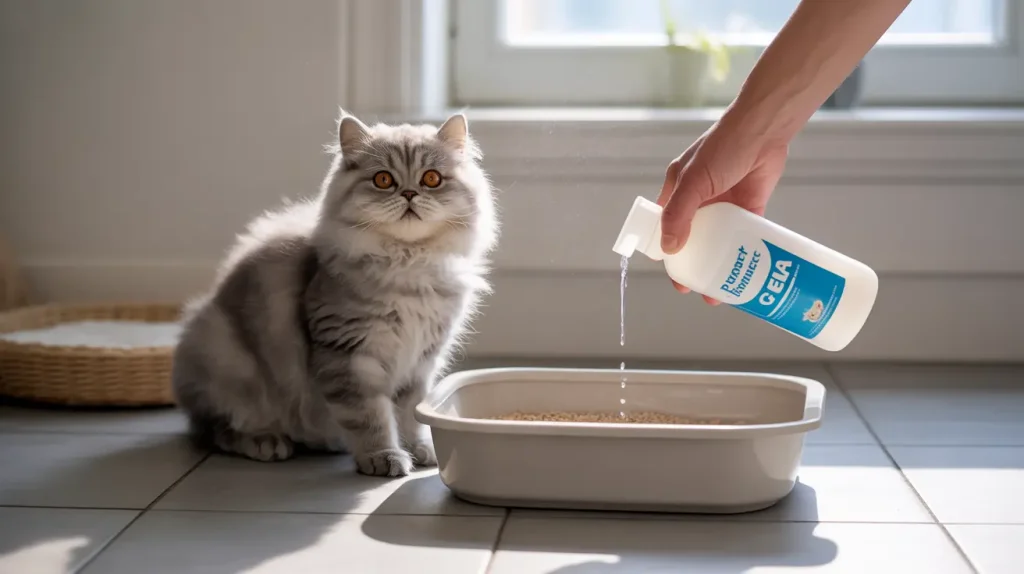
If your cat has worms, you’re probably worried about keeping your home safe and clean. Worms can spread quickly, and you want to stop them before they cause any more trouble.
You might be wondering, “How do I clean my house properly to protect my family and pets? ” This article will guide you step-by-step, showing you exactly what to do to get rid of worms in your home. By following these simple tips, you’ll feel confident that your space is fresh and healthy again.
Keep reading to discover the easy ways to protect your home and your furry friend.

Credit: www.perfect-fit.co.uk
Identifying Signs Of Worms In Cats
Worms in cats can cause many health issues. Early detection helps protect your cat and home. Understanding the signs of worms is key to quick action. Cats may not show obvious symptoms at first.
Watch for changes in behavior and appearance. These signs often indicate the presence of worms. Knowing what to look for can save your cat from discomfort.
Visible Worms In Stool Or Fur
Small white or brown segments may appear in stool. Sometimes worms look like rice grains. Check your cat’s fur around the anus for similar signs. These pieces can move and may be easier to spot after grooming.
Changes In Appetite And Weight
A cat with worms might eat more but lose weight. Some cats lose interest in food. Weight loss happens because worms steal nutrients. Monitor your cat’s eating habits closely.
Vomiting And Diarrhea
Frequent vomiting can be a sign of worms. Diarrhea may also contain blood or mucus. These symptoms often indicate an intestinal problem. Keep track of any digestive changes in your cat.
Visible Belly Swelling
A swollen or bloated belly can occur with worm infection. This sign is more common in kittens. The abdomen may feel hard or tender. Gently touch your cat’s belly to check for swelling.
Lethargy And Weakness
Worms can make cats tired and weak. They may sleep more than usual. Playfulness often decreases. Notice if your cat seems less active than normal.
Types Of Worms Affecting Cats
Cats can get different types of worms that affect their health. Knowing these worms helps to clean your house properly. Worms live inside your cat’s body and can spread eggs around your home. These eggs can cause infections for other pets and people. Understanding each worm type helps to take the right cleaning steps.
Roundworms
Roundworms are common in cats, especially kittens. They look like spaghetti and live in the intestines. Cats get roundworms by eating infected animals or from their mother. These worms lay eggs that pass in cat feces. Eggs can survive in soil or your house for a long time. Cleaning litter boxes and vacuuming floors helps reduce eggs.
Tapeworms
Tapeworms look like small rice grains around the cat’s anus. Cats get tapeworms by swallowing fleas during grooming. Fleas carry tapeworm larvae inside their bodies. Tapeworm segments break off and appear in cat feces or bedding. Regular flea control and washing bedding helps stop tapeworm spread.
Hookworms
Hookworms are small but dangerous. They attach to the cat’s intestines and suck blood. Cats catch hookworms from contaminated soil or feces. Hookworm eggs hatch into larvae that live in the environment. These larvae can enter through skin contact or by swallowing. Cleaning and disinfecting floors and litter areas keeps hookworms away.
Immediate Steps To Take
Discovering your cat has worms can feel overwhelming. Acting fast helps protect your cat and home. Taking immediate steps reduces the risk of spreading worms to other pets and family members. Cleanliness and proper treatment are key to stopping the problem.
Visit The Veterinarian
Schedule a vet visit as soon as possible. The vet will confirm the type of worms your cat has. They may perform tests on your cat’s stool or blood. Accurate diagnosis ensures the right treatment plan. The vet can also advise on cleaning your home safely.
Administer Prescribed Medication
Follow the vet’s medication instructions carefully. Give your cat the full course, even if symptoms improve quickly. Medication kills the worms inside your cat’s body. Proper dosing prevents re-infestation and resistance. Never use medicine without veterinary guidance.

Credit: www.goodrx.com
Preparing For Deep Cleaning
Preparing for deep cleaning after discovering your cat has worms is a crucial step to protect your family and your home. It’s not just about scrubbing surfaces; it’s about being thorough and organized to ensure every potential source of contamination is addressed.
Getting ready properly can make the process faster and less stressful. Have you ever started cleaning only to realize you’re missing key supplies or forgot a room? Avoid that by setting yourself up for success from the start.
Gathering Necessary Supplies
Before you begin, collect all the cleaning materials you’ll need. This includes:
- Strong disinfectants safe for pets
- Disposable gloves and masks to protect yourself
- Garbage bags for contaminated items
- Vacuum cleaner with a HEPA filter
- Microfiber cloths and mops
Having everything on hand prevents interruptions. Think about your cat’s favorite spots and gather supplies that target those areas, like enzyme cleaners for soft surfaces.
Creating A Cleaning Schedule
Plan your cleaning in stages rather than trying to do everything at once. Break it down by rooms or zones—start with the areas your cat frequents the most.
Set specific times to clean each space to avoid feeling overwhelmed. For example, dedicate one morning to vacuuming and the next afternoon to mopping floors.
Ask yourself: which rooms need daily attention during treatment, and which can wait? Scheduling helps keep you on track and ensures no spot is overlooked.
Cleaning Floors And Carpets
Cleaning floors and carpets thoroughly is crucial when your cat has worms. Parasite eggs and larvae can hide in tiny crevices and fibers, waiting to reinfect your furry friend or even your family. Tackling this area effectively reduces the risk and helps keep your home safe and fresh.
Vacuuming Techniques
Vacuum your floors and carpets frequently to pick up eggs and larvae. Use a vacuum with strong suction and a HEPA filter to trap microscopic particles better.
Pay extra attention to corners, under furniture, and along baseboards where debris tends to collect. Empty the vacuum bag or canister immediately after use to prevent parasites from escaping back into your home.
Have you noticed how much dirt accumulates in hidden spots? Regular vacuuming is a simple, effective way to remove potential threats before they multiply.
Steam Cleaning Carpets
Steam cleaning uses high temperatures to kill worms and their eggs in your carpets. The heat penetrates deep into carpet fibers, reaching places vacuuming can’t touch.
Make sure to use a steam cleaner with a temperature setting above 140°F (60°C) for the best results. This method not only disinfects but also refreshes your carpets, making your home feel cleaner.
If you don’t own a steam cleaner, consider renting one or hiring a professional service. Could a small investment in steam cleaning save you from repeated worm infestations?
Sanitizing Cat Bedding
Sanitizing cat bedding is essential to stop worms from spreading. Worm eggs and larvae can hide in fabric and soft surfaces. Cleaning bedding thoroughly keeps your home safe and your cat healthy. It also lowers the chance of reinfection.
Washing Procedures
Remove all bedding and shake off loose dirt outside. Use hot water to wash the bedding. Set the washing machine to the highest temperature safe for the fabric. Hot water kills most worm eggs and larvae.
Use a strong detergent that cleans deeply. Avoid mild soaps that may not remove parasites. Wash bedding separately from other laundry to prevent cross-contamination. Dry the bedding in a hot dryer or under direct sunlight. Heat helps destroy any remaining eggs.
Using Disinfectants
After washing, apply a pet-safe disinfectant to the bedding. Choose products that kill parasites but are gentle on fabric and skin. Follow the instructions on the disinfectant label carefully. Spray or soak the bedding as directed.
Let the bedding dry completely before using it again. Disinfecting adds an extra layer of protection. It reduces the risk of worms surviving in the fabric. Regular cleaning and disinfecting keeps your cat’s bedding safe and fresh.
Disinfecting Litter Boxes
Disinfecting litter boxes is a critical step when your cat has worms. Worm eggs can linger in the litter box and reinfect your pet or spread to other areas of your home. Proper cleaning not only protects your cat but also keeps your living space safe and hygienic.
Proper Cleaning Methods
Start by emptying the litter box completely. Dispose of the old litter in a sealed bag to prevent any eggs from spreading. Wash the box with hot water and mild soap to remove all residues.
After washing, soak the litter box in a disinfectant solution. Use a diluted bleach solution (about 1 part bleach to 32 parts water) or a veterinary-approved disinfectant. Let it sit for 10–15 minutes to kill any remaining parasites.
Rinse the box thoroughly with clean water to remove any chemical traces. Dry it completely before adding fresh litter. Do you realize how skipping thorough drying might expose your cat to harmful residues?
Safe Cleaning Products
Choose cleaning products that are strong enough to kill worms but safe for your cat. Avoid harsh chemicals like ammonia or strong detergents that can irritate your cat’s paws and respiratory system. Bleach diluted properly is effective and generally safe once rinsed well.
Look for pet-safe disinfectants labeled for use against parasites. These are designed to protect your cat without introducing toxic risks. If you’re unsure, consult your vet for recommendations on safe products.
Remember, your cat will be in close contact with the litter box every day. Using safe cleaning products means protecting your cat’s health while effectively eliminating worms. How often are you cleaning your cat’s litter box right now, and could this be improved for better hygiene?
Credit: www.purina.co.uk
Cleaning Cat Toys And Accessories
Cleaning your cat’s toys and accessories is essential when dealing with worms. These items can harbor eggs and bacteria, putting your feline and family at risk. Keeping them clean helps break the cycle of infection and keeps your home safer.
Machine Washable Items
Many cat toys, beds, and blankets can be tossed in the washing machine. Check the labels first to avoid damage. Use hot water and a pet-safe detergent to kill any parasites effectively.
Washing on a gentle cycle preserves the fabric while still getting it clean. Adding a cup of white vinegar to the rinse cycle can help eliminate odors and residual germs. Dry these items thoroughly, preferably in the sun or on high heat, to ensure all parasites are dead.
Hand Cleaning Techniques
Not all toys and accessories can go into the washing machine. For plastic, rubber, or electronic toys, hand cleaning is necessary. Use a mixture of warm water and mild soap, scrubbing thoroughly with a brush or cloth.
Disinfect these items by wiping them down with a diluted bleach solution (one part bleach to 10 parts water) or a pet-safe disinfectant. Rinse well and let them air dry completely before giving them back to your cat.
Have you ever noticed how some toys seem dirtier than others? Regularly cleaning even the less obvious items, like collars and scratching posts, can reduce the risk of re-infestation. Your cat’s health starts with a clean environment, so don’t skip this step.
Maintaining A Worm-free Environment
Keeping your home free from worms after your cat has been infected is crucial for your family’s health and your pet’s well-being. Maintaining a worm-free environment means more than just treating your cat; it requires thorough cleaning and ongoing care. The good news is that with consistent effort, you can create a safe and clean space that discourages parasites from returning.
Regular Cleaning Routine
A strong cleaning routine is your first line of defense. Wash your cat’s bedding, blankets, and soft toys frequently in hot water. This kills any worm eggs or larvae hiding in the fabric.
Vacuum floors, carpets, and furniture thoroughly every day to remove hair, dirt, and potential parasite eggs. Don’t forget to empty the vacuum bag or canister outside right after cleaning.
Clean litter boxes daily using gloves and disinfect them weekly with a pet-safe cleaner. This stops any worm eggs from spreading in your home.
Preventive Measures For Cats
Preventing worms starts with your cat’s health routine. Regular deworming, as advised by your vet, reduces the chance of reinfection. Ask your vet about the best deworming schedule and products for your cat’s specific needs.
Keep your cat indoors or supervise outdoor time to reduce exposure to infected animals or contaminated soil. Parasites often spread through contact with other animals or by ingesting infected prey.
Maintain good hygiene by washing your hands after handling your cat or cleaning its litter box. This simple habit protects you and your family from accidental infection.
Frequently Asked Questions
How Do I Disinfect My Home From Cat Worms?
Clean all surfaces with a pet-safe disinfectant. Vacuum carpets and furniture thoroughly. Wash pet bedding and toys in hot water. Dispose of vacuum bags immediately to prevent re-infestation.
Can I Use Household Cleaners For Worm Contamination?
Yes, use household cleaners with bleach or ammonia safely. Avoid harsh chemicals near your cat’s resting areas. Always ventilate rooms well during cleaning to protect your pet.
How Often Should I Clean If My Cat Has Worms?
Clean your home daily while treating your cat. Frequent cleaning reduces worm eggs and larvae spread. Continue until your vet confirms the infection is cleared.
Should I Wash All Fabrics After Cat Worm Treatment?
Yes, wash all washable fabrics in hot water. This includes bedding, blankets, and curtains. Hot water kills worm eggs effectively, preventing reinfestation.
Conclusion
Cleaning your house after your cat has worms is important. Start by washing all bedding and toys in hot water. Vacuum floors, carpets, and furniture well. Dispose of vacuum bags or empty canisters outside. Clean litter boxes daily with soap and water.
Keep your cat’s nails trimmed and wash your hands often. These steps help stop worms from spreading. A clean home keeps your family and pets safe. Stay consistent and patient. Your efforts will make a big difference in keeping worms away.
