

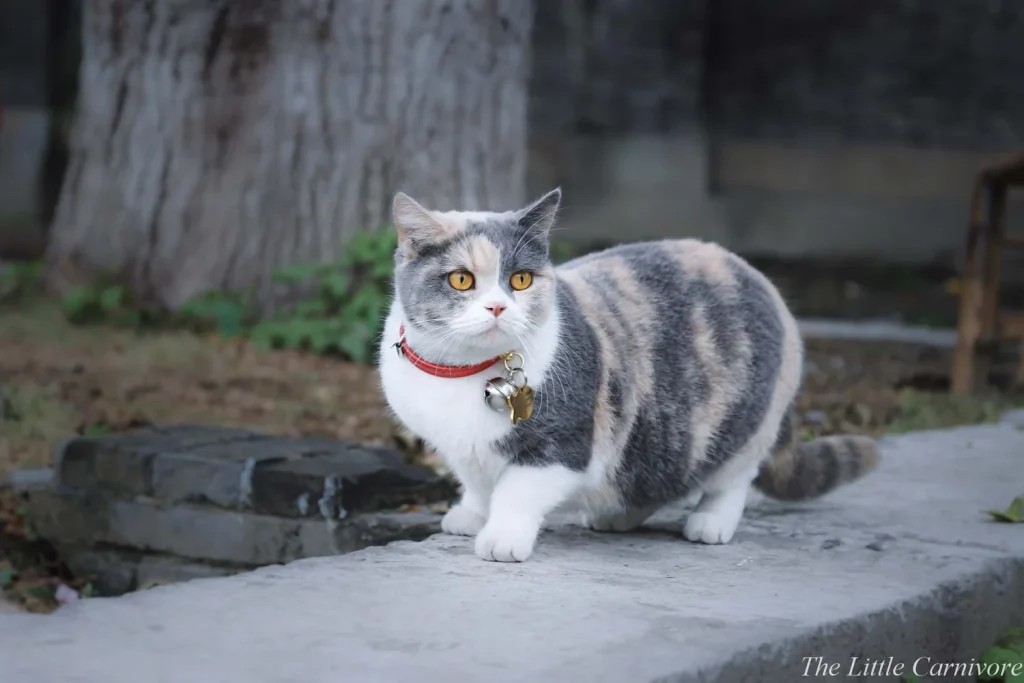
If you have a Munchkin cat or are thinking about getting one, it’s important to know about their health. These adorable little cats with short legs can bring so much joy, but they also come with some unique health challenges.
Understanding these problems early can help you keep your furry friend happy and healthy for years to come. You’ll discover the most common health issues Munchkin cats face and what you can do to protect your pet. Keep reading to make sure your Munchkin cat lives their best life!

Credit: purebredkitties.com
Common Health Issues
Munchkin cats are known for their short legs and playful nature. Their unique body shape can lead to certain health concerns. Understanding common health issues helps owners provide better care. Regular check-ups and early detection improve their quality of life.
Spinal Problems
The Munchkin’s short legs sometimes come with spinal issues. Their spine may curve or compress more than usual. This can cause pain or difficulty in movement. Watch for signs like limping or reluctance to jump. Early vet visits can catch problems before they worsen.
Arthritis Risks
These cats have a higher chance of arthritis. Their body structure puts extra strain on joints. Arthritis causes stiffness and discomfort, especially in older cats. Gentle exercise and proper diet help reduce arthritis risks. Regular vet care is essential to manage symptoms.
Obesity Concerns
Obesity is a common problem in Munchkin cats. Their small legs may limit physical activity. Extra weight adds pressure on their spine and joints. Feed balanced meals and avoid overfeeding. Encourage play to keep them active and healthy.
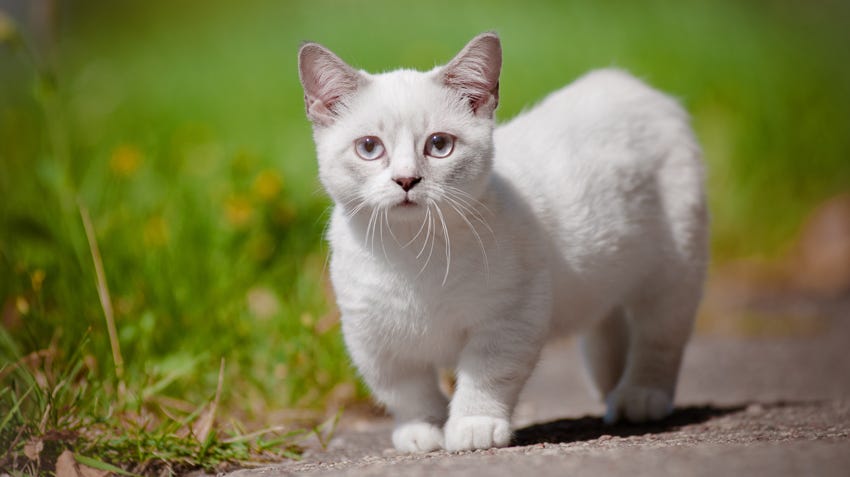
Credit: medium.com
Genetic Disorders
Genetic disorders play a significant role in the health challenges faced by Munchkin cats. These issues arise from the unique gene responsible for their short legs. Understanding these disorders helps you provide better care and make informed decisions about your cat’s well-being.
Patellar Luxation
Patellar luxation occurs when the kneecap slips out of its normal position. This condition is common in Munchkin cats due to their shortened limbs. You might notice your cat limping or suddenly skipping steps when walking.
Early detection is crucial. Regular check-ups with a vet can catch signs before they worsen. If you see your cat struggling with movement, don’t wait—seek professional advice promptly.
Lordosis
Lordosis is a spinal condition where the back curves downward more than usual. It can cause discomfort and affect your cat’s mobility. Some Munchkin cats develop this disorder because their body structure differs from typical cats.
Pay attention if your cat shows signs of weakness or trouble jumping. Physical therapy and careful monitoring can help manage symptoms effectively. Have you noticed any unusual posture in your cat during playtime?
Polydactyly Effects
Polydactyly means having extra toes, which is sometimes seen in Munchkin cats. While it might seem cute, extra toes can lead to nail problems or difficulty walking. Not every polydactyl cat faces issues, but it’s important to watch for signs of discomfort.
Regular nail trimming and foot inspections can prevent infections or injuries. If your cat seems hesitant to walk or scratch, check their paws closely. How often do you examine your cat’s feet for hidden problems?
Preventive Care Tips
Taking care of your Munchkin cat’s health means staying ahead of potential problems. Preventive care isn’t just about fixing issues but avoiding them altogether. You hold the key to your cat’s long, healthy life by understanding and acting on simple daily habits.
Regular Vet Checkups
Frequent vet visits catch health issues before they grow serious. Munchkin cats are prone to spine and joint problems, so early detection is crucial. Ask your vet to check for arthritis or spinal disc problems during each visit.
Vaccinations and parasite control are also vital parts of these checkups. Don’t wait for your cat to show symptoms. Scheduling vet visits twice a year keeps your pet in peak condition and gives you peace of mind.
Proper Nutrition
Your Munchkin’s unique body needs balanced nutrition to support strong bones and muscles. Choose high-quality cat food rich in proteins and essential vitamins like calcium and omega-3 fatty acids. These nutrients help maintain healthy joints and prevent obesity.
Watch your cat’s weight closely. Excess weight stresses their shorter legs and spine, increasing the risk of injury. If you notice weight gain, adjust portion sizes or switch to a weight-management formula. Have you checked your cat’s food label recently?
Exercise Importance
Exercise keeps your Munchkin agile and supports joint health. Short legs don’t mean less activity; they just need safe, low-impact play. Provide toys that encourage gentle movement like feather wands or laser pointers.
Set aside daily playtime to strengthen muscles without stressing joints. Avoid high jumps or rough play that can hurt their spine. How do you help your cat stay active without risking injury?
Signs To Watch For
Recognizing early signs of health problems in your Munchkin cat is crucial. These cats have unique body structures that can lead to specific issues. Watching closely for subtle changes can make a big difference in their well-being.
Mobility Changes
If your Munchkin starts moving differently, pay attention. Notice if they hesitate to jump or climb stairs, which they usually do with ease. Stiffness or limping can signal joint or bone problems common in this breed.
Try observing their playtime. Are they less active or avoiding their favorite spots? These can be early signs that something is wrong with their mobility.
Behavioral Shifts
Changes in behavior often hint at health issues before physical symptoms appear. If your cat becomes unusually withdrawn or aggressive, it might indicate discomfort or pain. A normally social Munchkin that hides more could be signaling distress.
Watch for changes in eating or grooming habits. Skipping meals or neglecting grooming can be subtle clues that your cat isn’t feeling well.
Pain Indicators
Cats are masters at hiding pain, but some signs stand out. Vocalizing more than usual, especially when touched, can mean they are hurting. You might also notice twitching, restlessness, or a reluctance to move.
Pay attention if your Munchkin flinches when you pick them up or avoids being petted in certain areas. These behaviors can help you catch pain early and get your cat the help they need.
Breeding Considerations
Breeding Munchkin cats requires careful thought and responsibility. These cats have a unique body structure that can lead to health problems. Thoughtful breeding helps reduce risks and promotes healthier kittens. Breeders must prioritize the cats’ well-being over appearance or trends. The focus should be on strong genetics and good health.
Ethical Breeding Practices
Ethical breeders avoid mating cats that may pass harmful traits. They ensure cats live in safe, clean environments. Breeders respect the cats’ needs and do not breed too often. They provide proper care during pregnancy and after birth. Transparency with buyers about potential health issues is important. Ethical breeding builds trust and protects the breed’s future.
Health Screening
Health screening helps detect diseases early. Breeders test for genetic disorders common in Munchkin cats. Regular check-ups include X-rays and blood tests. Screening ensures only healthy cats are used for breeding. It reduces the chance of passing health problems to kittens. Keeping records of health tests is a good practice.
Avoiding Genetic Risks
Munchkin cats have a gene causing their short legs. Breeders avoid mating two cats with this gene to prevent severe issues. Mixing Munchkins with cats without the gene is safer. This lowers the risk of spinal and joint problems. Careful selection helps maintain a healthy gene pool. Genetic counseling can guide breeders in making smart choices.

Credit: www.fidobiotics.com
Frequently Asked Questions
What Are Common Health Issues In Munchkin Cats?
Munchkin cats often face joint problems like lordosis and arthritis. They may also have spinal issues due to their short legs. Regular vet check-ups help detect these early and maintain their health.
How To Prevent Joint Problems In Munchkin Cats?
Keep your Munchkin cat at a healthy weight to reduce joint stress. Provide soft bedding and avoid high jumps. Balanced nutrition and gentle exercise support joint health effectively.
Are Munchkin Cats Prone To Spinal Diseases?
Yes, Munchkin cats can develop spinal conditions like lordosis and scoliosis. These issues stem from their unique bone structure. Early diagnosis and veterinary care are vital for managing symptoms.
Do Munchkin Cats Require Special Diet Considerations?
Munchkin cats benefit from a diet rich in omega-3s and antioxidants. These nutrients support joint and overall health. Consult your vet for diet plans tailored to their specific needs.
Conclusion
Munchkin cats can face unique health challenges. Knowing these issues helps owners care better. Regular vet visits catch problems early. A good diet supports their overall health. Watch for signs like difficulty walking or pain. Early action can improve their quality of life.
Loving care and attention keep them happy. Understanding their needs makes a big difference. Every Munchkin deserves a healthy, joyful life. Stay informed and prepared for their special care.
