

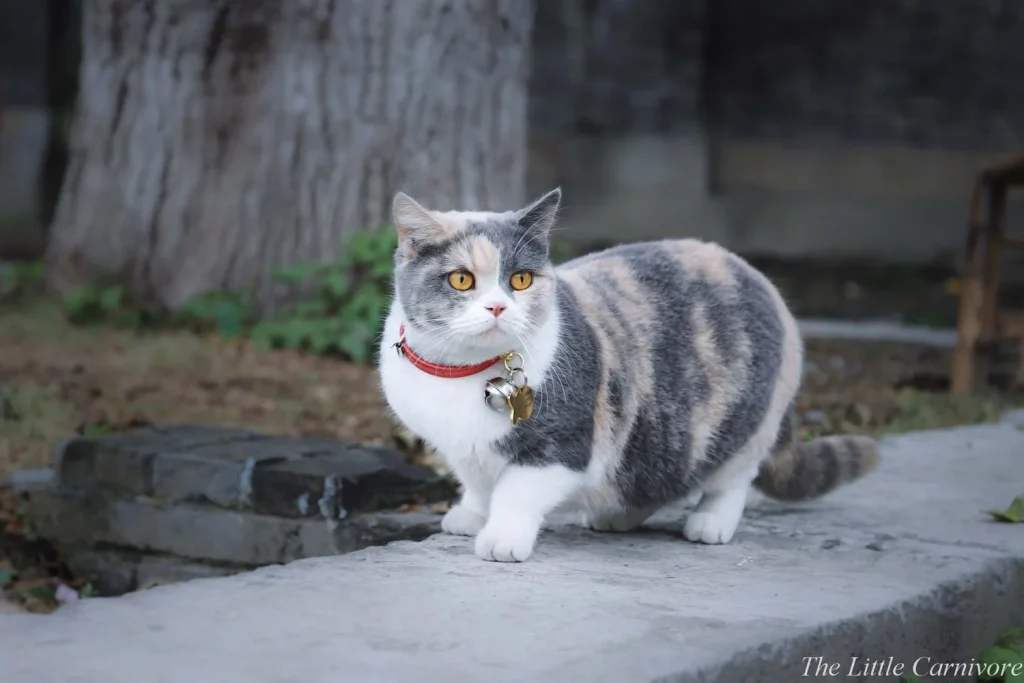
Are you thinking about bringing a Munchkin cat into your home? These adorable little cats with their short legs can steal your heart instantly.
But before you fall completely in love, it’s important to know about the health problems they might face. Understanding these issues can help you keep your furry friend happy and healthy for years to come. You’ll discover the common health concerns Munchkin cats may have and what you can do to protect your pet.
Keep reading to make sure you’re fully prepared to give your Munchkin cat the best life possible.
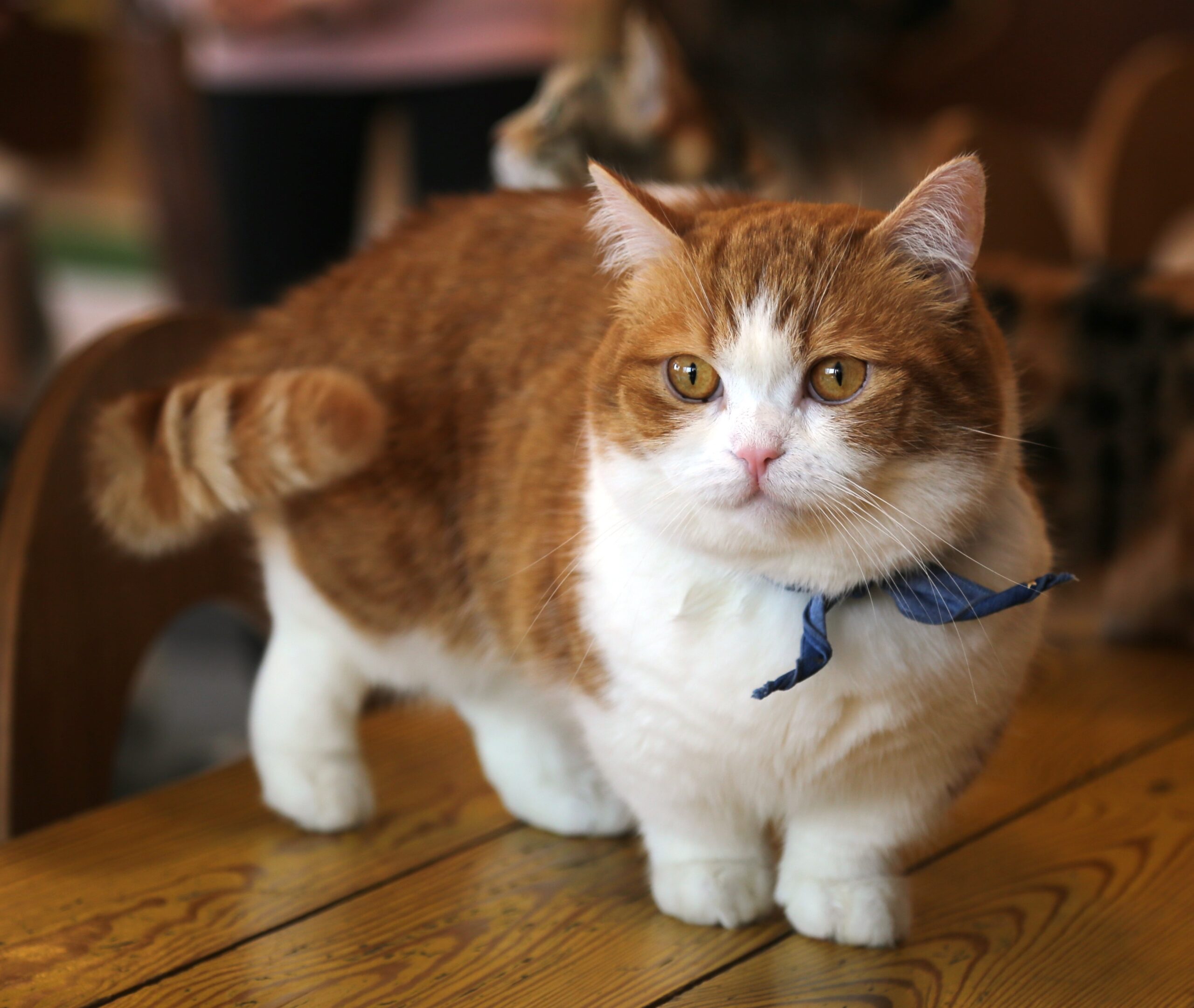
Credit: katesk9petcare.com
Common Health Issues
Understanding common health issues in Munchkin cats can help you spot problems early and provide better care. These cats have unique physical traits that sometimes lead to specific health challenges. Knowing what to watch for keeps your furry friend happy and healthy.
Spinal Problems
Munchkin cats have shorter legs due to a genetic mutation affecting their bone growth. This can put extra stress on their spine, making them prone to spinal problems like lordosis or scoliosis.
Look out for signs such as difficulty jumping, reluctance to move, or unusual posture. Early veterinary checkups can catch issues before they worsen, so don’t ignore subtle changes in your cat’s behavior.
Joint Disorders
Because of their shorter limbs, Munchkins may face joint disorders including arthritis or hip dysplasia. These conditions cause pain and stiffness, affecting their mobility.
Regular gentle exercise and a healthy weight can reduce joint strain. Have you noticed your cat limping or avoiding play? It’s time to consult your vet to manage joint health effectively.
Obesity Risks
Munchkin cats often have lower activity levels, which can lead to weight gain if their diet isn’t carefully managed. Excess weight puts pressure on their joints and heart, worsening other health problems.
Keep a close eye on their portion sizes and encourage playtime. Have you tried interactive toys or short play sessions to keep your cat active? These small changes make a big difference.
Heart Conditions
Some Munchkin cats are prone to heart issues like hypertrophic cardiomyopathy, a condition where the heart muscle thickens. This can affect their stamina and overall well-being.
Regular vet visits with heart screenings can detect problems early. Watch for symptoms like rapid breathing, coughing, or lethargy and seek prompt care.
Preventive Care Steps
Preventive care is vital for keeping your Munchkin cat healthy and happy. This breed can have unique health challenges that need attention. Taking simple daily and regular steps helps avoid serious problems. Focus on key areas to support your cat’s well-being and longevity.
Regular Vet Visits
Schedule vet check-ups at least twice a year. Early detection of health issues improves treatment success. Your vet can monitor your Munchkin’s growth and spot joint or spine concerns. Keep a record of all visits and follow vet advice closely.
Vaccination Schedule
Follow a strict vaccination plan to protect your cat from diseases. Core vaccines guard against common viral infections. Discuss booster shots and any local disease risks with your vet. Proper vaccination strengthens your cat’s immune system.
Dental Hygiene
Brush your Munchkin’s teeth regularly using cat-safe toothpaste. Dental care prevents gum disease and tooth loss. Provide dental toys or treats to reduce plaque buildup. Regular dental checks at the vet can catch problems early.
Proper Nutrition
Feed a balanced diet suited to your cat’s age and health. High-quality cat food supports strong bones and muscles. Avoid overfeeding to prevent obesity, a risk for short-legged breeds. Fresh water should always be available for hydration.
Exercise And Activity
Exercise and activity are essential for your Munchkin cat’s well-being. Despite their short legs, these cats are playful and curious creatures. Keeping them active helps maintain their physical health and mental sharpness.
Safe Play Ideas
Choose toys that encourage gentle movement without putting strain on your Munchkin’s legs. Soft balls, feather wands, and interactive laser pointers work great. Create short play sessions multiple times a day to keep your cat engaged without exhausting them.
Have you noticed your cat’s favorite toy? Use that as a starting point to customize playtime. You might find they prefer climbing low platforms or chasing slow-moving objects. Always supervise to prevent your cat from jumping from high places.
Weight Management
Extra weight puts pressure on your Munchkin’s spine and joints. You can help by combining playtime with a balanced diet. Measure their food portions and avoid frequent treats to prevent obesity.
Try tracking your cat’s activity and weight weekly. If you see a gain, add more play and reduce calorie intake. Maintaining a healthy weight is key to avoiding pain and mobility issues.
Avoiding Injury
Munchkin cats are prone to spinal and leg problems due to their body structure. Prevent injury by removing slippery rugs and sharp-edged furniture. Soft bedding and ramps can help your cat move safely around the house.
Watch how your cat jumps and lands. If you spot awkward movements or limping, consult your vet immediately. Protect your cat by creating a safe environment tailored to their unique build.

Credit: www.fidobiotics.com
Recognizing Symptoms
Recognizing symptoms of health problems in Munchkin cats helps catch issues early. Knowing what to watch for can protect their wellbeing. Observe your cat closely for signs that something is wrong.
Behavioral Changes
Munchkin cats may act differently when unwell. They can become more withdrawn or hide often. Restlessness or increased aggression can also signal discomfort. Sudden changes in activity levels are important to note. These shifts often mean the cat needs medical care.
Mobility Issues
Munchkin cats have short legs, which can cause joint problems. Watch for limping or difficulty jumping. Stiffness or reluctance to move may indicate pain. Struggling to climb or descend stairs is another warning. Early detection helps manage these issues better.
Appetite Fluctuations
Changes in eating habits often reveal health concerns. A Munchkin cat may eat less or more than usual. Loss of appetite can show illness or dental pain. Increased hunger might point to metabolic problems. Track your cat’s food intake daily for clues.
Home Care Tips
Caring for a Munchkin cat requires special attention to their unique needs. Creating a safe and healthy environment helps prevent common health issues. Simple home care routines support their well-being and happiness.
Comfortable Living Space
Provide soft bedding to protect their short legs. Avoid high shelves or furniture that requires jumping. Use ramps or stairs to help them reach favorite spots. Keep the environment clean to reduce allergies and infections. A quiet space helps them rest and feel secure.
Grooming Practices
Brush their coat regularly to prevent mats and hairballs. Check their nails often and trim as needed. Clean their ears gently to avoid infections. Bathing should be occasional and done with mild shampoo. Regular grooming keeps their skin healthy and fur shiny.
Stress Reduction
Offer toys and playtime for mental stimulation. Maintain a routine to give a sense of stability. Avoid loud noises and sudden changes in the home. Provide hiding spots for them to retreat when stressed. Calm environments promote better health and behavior.
When To Seek Help
Knowing when to seek help for your Munchkin cat’s health is crucial. These cats may hide pain or discomfort well, so being alert to changes is your best tool. Timely action can prevent small issues from becoming serious problems.
Emergency Signs
Pay close attention to sudden changes in behavior or physical state. If your Munchkin cat shows any of these signs, get veterinary help immediately:
- Difficulty breathing or rapid breathing
- Severe limping or inability to walk
- Sudden weakness or collapse
- Continuous vomiting or diarrhea lasting more than a few hours
- Bleeding that won’t stop
- Swollen abdomen or obvious pain when touched
One time, my cat refused to jump or climb for several hours. It turned out to be a slipped disc—a condition common in Munchkins because of their short legs. Early vet care made all the difference.
Choosing A Specialist
Not all vets have experience with Munchkin cats’ unique health needs. Look for a professional who understands their skeletal structure and common genetic issues.
Ask your vet about their experience with Munchkin cats or feline orthopedics. You might also consider:
- Veterinary neurologists for spine-related concerns
- Feline internal medicine specialists if your cat shows unusual symptoms
- Emergency veterinary clinics with 24/7 service for urgent care
Would you trust your cat’s health to someone unfamiliar with their breed? Choosing the right specialist can save time, reduce stress, and improve outcomes.
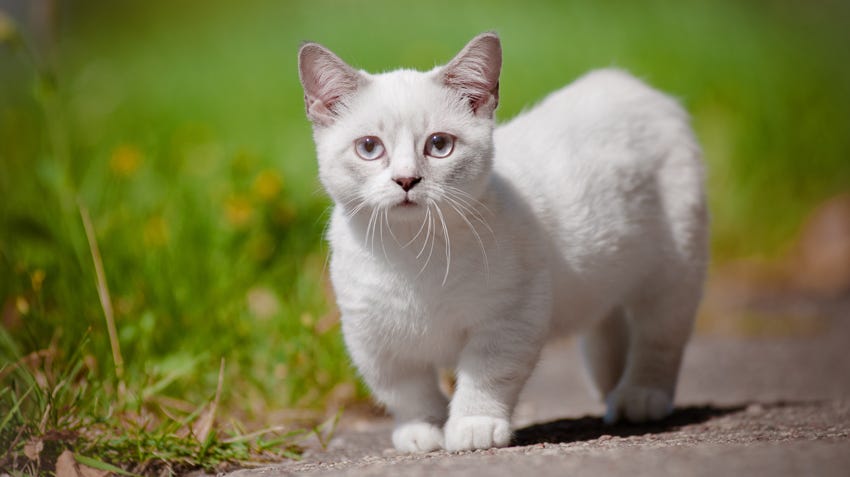
Credit: medium.com
Frequently Asked Questions
What Common Health Problems Affect Munchkin Cats?
Munchkin cats often face spinal issues due to their short legs. Arthritis and lordosis are common. Regular vet check-ups help detect problems early and maintain their health.
How Does Munchkin Cat’s Body Shape Impact Its Health?
Their short legs put extra pressure on the spine and joints. This can lead to mobility issues and discomfort. Proper care and exercise reduce risks and improve quality of life.
Are Munchkin Cats Prone To Genetic Diseases?
Yes, they may inherit conditions like osteochondrodysplasia. This affects bone and cartilage development. Responsible breeding and health screenings help minimize genetic risks.
What Signs Indicate Health Problems In Munchkin Cats?
Watch for limping, difficulty jumping, or unusual posture. These signs suggest joint or spinal issues. Prompt veterinary attention ensures early diagnosis and treatment.
Conclusion
Munchkin cats face some unique health challenges. Knowing these problems helps you care better. Regular vet visits catch issues early and keep your cat healthy. Watch for signs like trouble walking or breathing. A good diet and exercise support their well-being.
Loving care and attention make a big difference. Stay informed and prepared to give your cat the best life possible. Healthy munchkin cats bring joy every day.
