

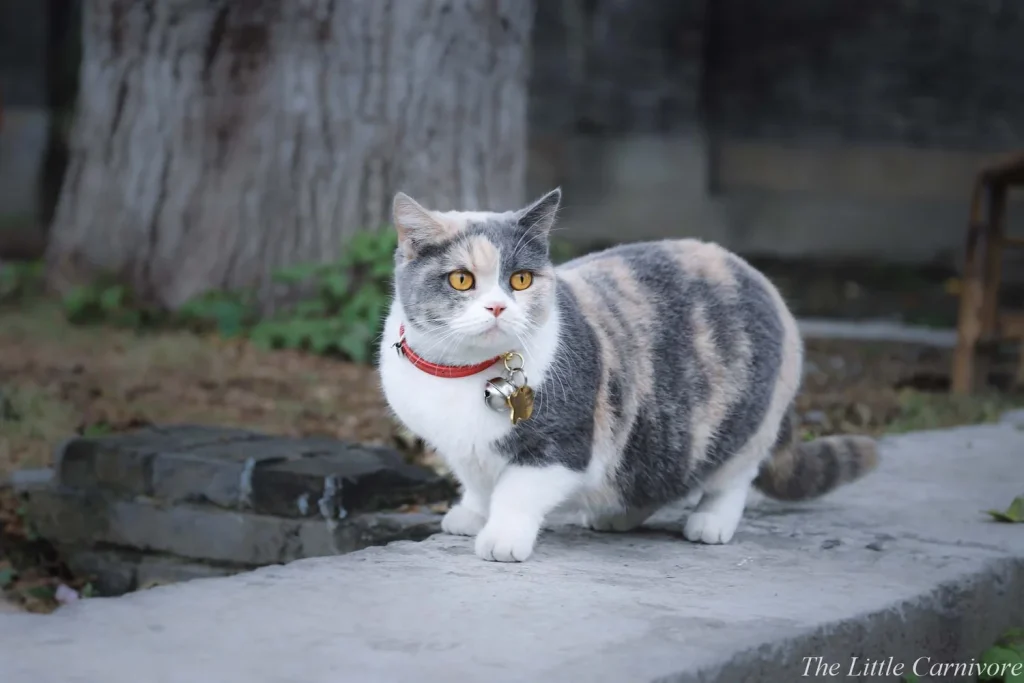
If you have a Munchkin cat or are thinking about bringing one into your home, understanding their health is crucial. These adorable little cats with short legs are charming, but they come with some unique health concerns you need to know about.
By learning what to watch for, you can keep your furry friend happy and healthy for years to come. Ready to discover the key health issues that could affect your Munchkin cat? Let’s dive in and give your pet the care they deserve.
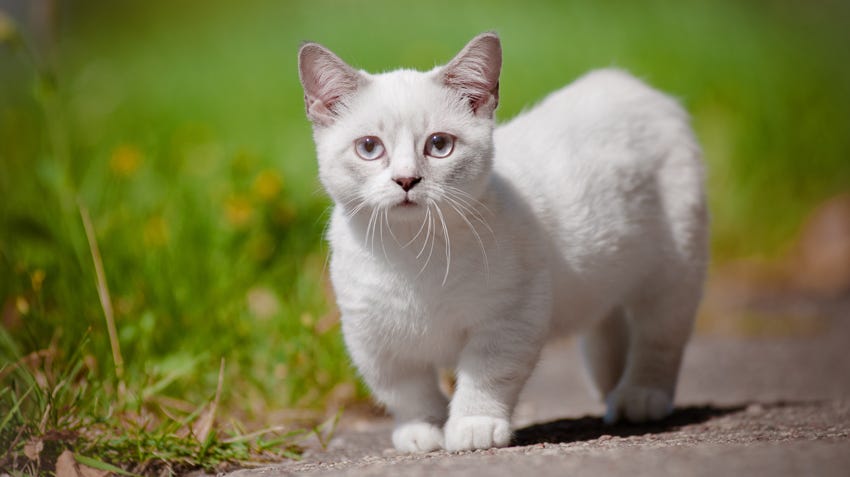
Credit: medium.com
Common Health Problems
Munchkin cats have unique health challenges due to their short legs. These common problems need attention to keep your cat healthy. Understanding them helps in early detection and care.
Spinal Issues
Munchkins may develop spinal problems because of their body shape. The short legs can cause extra pressure on the spine. This pressure might lead to discomfort or mobility problems. Regular vet check-ups are important to monitor spine health.
Joint Disorders
Joint problems are frequent in Munchkin cats. Their short limbs put stress on joints, especially hips and knees. This can cause arthritis or stiffness as they age. Keeping your cat active helps maintain joint strength and flexibility.
Obesity Risks
Obesity is a serious concern for Munchkin cats. Their small legs limit exercise, raising the risk of weight gain. Extra weight worsens joint and spinal issues. A balanced diet and controlled portions prevent obesity effectively.
Dental Concerns
Dental health is crucial for Munchkin cats. They may face gum disease and tooth decay if not cared for. Regular teeth cleaning and vet dental checks keep their mouth healthy. Good dental care improves overall well-being.

Credit: purebredkitties.com
Preventive Care Strategies
Preventive care plays a key role in keeping Munchkin cats healthy and happy. Early attention helps avoid many common health issues. Small daily habits can make a big difference for your cat’s well-being. Focus on regular checkups, proper food, playtime, and dental care. These steps support long-term health and comfort for your Munchkin cat.
Regular Vet Visits
Schedule vet visits at least twice a year. Early detection of health problems helps with faster treatment. Vaccinations and parasite checks protect your cat from diseases. Your vet can give advice tailored to your Munchkin’s needs. Keep a record of all visits and treatments for reference.
Balanced Nutrition
Feed your Munchkin a diet rich in protein and essential nutrients. Choose high-quality cat food that fits their age and activity level. Avoid overfeeding to prevent obesity, which strains their short legs. Fresh water should always be available. Consult your vet for special dietary needs or supplements.
Exercise And Play
Daily playtime supports strong muscles and joints. Use toys that encourage jumping and running to keep them active. Short legs need gentle exercise to avoid stress on the spine. Interactive play also reduces boredom and behavioral problems. Create a safe environment for your cat to explore and move freely.
Dental Hygiene
Clean your cat’s teeth regularly to prevent dental disease. Use pet-safe toothpaste and soft brushes designed for cats. Dental problems cause pain and can lead to other health issues. Offer dental treats or toys that help reduce plaque buildup. Check your cat’s mouth often for signs of redness or bad breath.
Recognizing Warning Signs
Recognizing warning signs early helps protect your Munchkin cat’s health. These cats have unique body shapes that sometimes hide health problems. Watch closely for subtle changes. Small signs may show bigger issues. Acting quickly can prevent serious illness.
Changes In Mobility
Notice if your cat moves less or limps. Difficulty jumping or climbing may signal joint pain. Stiffness or reluctance to walk could mean arthritis. Sudden weakness or unsteady steps need immediate attention. Keep track of how your cat moves daily.
Appetite Fluctuations
A drop or increase in eating habits can indicate health problems. Loss of appetite may show dental pain or digestive issues. Eating too much or too little affects weight and energy. Observe your cat’s meal patterns closely for any shifts.
Behavioral Shifts
Changes in behavior often reveal discomfort or illness. A usually playful cat becoming withdrawn might be in pain. Increased hiding, aggression, or vocalization could signal distress. Pay attention to mood swings or unusual actions.
Skin And Coat Changes
Look for dull, patchy, or thinning fur. Excessive scratching or licking may cause sores or hair loss. Skin redness or bumps need veterinary checks. A healthy coat reflects overall well-being. Regular grooming helps spot these issues early.
Home Care Tips
Providing the right home care for your Munchkin cat can make a significant difference in managing their health issues. Attention to their environment, grooming, diet, and emotional well-being helps prevent complications and keeps your feline friend happy. Here are practical tips you can apply every day.
Safe Environment Setup
Creating a safe space is crucial for Munchkin cats due to their short legs and unique body structure. Avoid high places or jumping challenges that could lead to injury.
Use soft rugs or mats near their favorite spots to cushion any accidental slips. Keep hazardous objects, like sharp tools or small items they might swallow, out of reach.
Think about how your cat moves around your home. Are there tight spaces where they might get stuck? Make sure pathways are clear and furniture is stable to support their movement.
Grooming Routine
Regular grooming prevents skin issues and helps you spot health problems early. Brush your Munchkin’s coat a few times a week to reduce shedding and avoid hairballs.
Check their nails often since short legs mean they may not wear down claws naturally. Trim nails carefully or seek a professional groomer if you’re unsure.
Pay attention to their ears and teeth as well. Clean ears gently to prevent infections and maintain dental health with routine brushing or dental treats.
Weight Management
Maintaining a healthy weight is vital for Munchkin cats to avoid extra stress on their joints. Measure their food portions instead of free-feeding to control calorie intake.
Choose high-quality, balanced cat food that supports their energy needs without excess fat. Engage them in regular play to keep them active and help burn calories.
Have you noticed your cat gaining weight after a change in routine or diet? Adjust their meals and activity levels promptly to prevent long-term issues.
Stress Reduction
Stress can worsen health problems in Munchkin cats, so creating a calm atmosphere is essential. Provide quiet, cozy spots where they can retreat and feel secure.
Introduce new people, pets, or changes gradually to avoid overwhelming your cat. Use interactive toys and gentle playtime to keep their mind engaged and reduce anxiety.
Consider pheromone diffusers or calming supplements if you observe signs of stress. How does your cat react to new situations? Observing their behavior helps you tailor stress relief effectively.
Special Considerations
Munchkin cats have unique health needs that owners should know. Their short legs can cause special challenges. Understanding these helps keep your pet happy and healthy.
Breeding And Genetics
Munchkin cats inherit their short legs from a genetic mutation. Breeding must be done carefully to avoid health problems. Responsible breeders avoid mating two Munchkins with the gene. This lowers risks of spine and joint issues.
Genetic testing can help identify carriers of harmful traits. It supports healthier breeding decisions. Always choose breeders who follow ethical practices. This protects the breed’s long-term health.
Age-related Care
As Munchkins age, joint health needs close attention. Their short legs put extra pressure on hips and knees. Regular vet visits help catch arthritis early. Gentle exercise keeps muscles strong.
Weight control is vital to reduce stress on limbs. Balanced diet and low-impact play support joint health. Watch for signs of pain or stiffness. Early action improves quality of life.
Medication Awareness
Munchkins may react differently to some medications. Their smaller bone structure requires careful dosing. Always inform your vet about your cat’s breed. This ensures proper treatment plans.
Avoid self-medicating your cat. Some drugs can worsen joint problems. Follow vet instructions strictly. Report any side effects immediately for quick care.

Credit: www.fidobiotics.com
Frequently Asked Questions
What Are Common Health Issues In Munchkin Cats?
Munchkin cats often face spinal problems due to their short legs. They may also develop joint issues and arthritis. Regular vet check-ups help detect early signs. Proper care and a balanced diet can reduce health risks. Always monitor their mobility and comfort levels.
Do Munchkin Cats Have Genetic Health Risks?
Yes, Munchkin cats have genetic risks linked to their short-legged gene. This gene can cause spinal deformities and arthritis. Responsible breeding reduces these risks. Genetic testing is recommended for breeding cats. Understanding these risks helps owners provide better care.
How To Prevent Health Problems In Munchkin Cats?
Provide a balanced diet and regular exercise to maintain joint health. Schedule frequent vet visits for early detection of issues. Avoid activities that strain their spine and legs. Use soft bedding and maintain a safe environment. Early care ensures a healthier life for Munchkins.
Are Munchkin Cats Prone To Arthritis?
Yes, Munchkin cats are prone to arthritis due to their unique leg structure. Arthritis can cause pain and reduced mobility. Early diagnosis and treatment improve quality of life. Joint supplements and pain management may be necessary. Regular monitoring helps catch symptoms early.
Conclusion
Munchkin cats need special care to stay healthy. Watch for signs of joint or spine problems. Regular vet visits help catch issues early. Feeding a balanced diet supports their well-being. Keep their environment safe and stress-free. Understanding their health needs makes pet care easier.
Loving attention and proper care keep them happy. Munchkin cats bring joy but need careful health management. Stay informed and proactive to help your cat thrive.
