

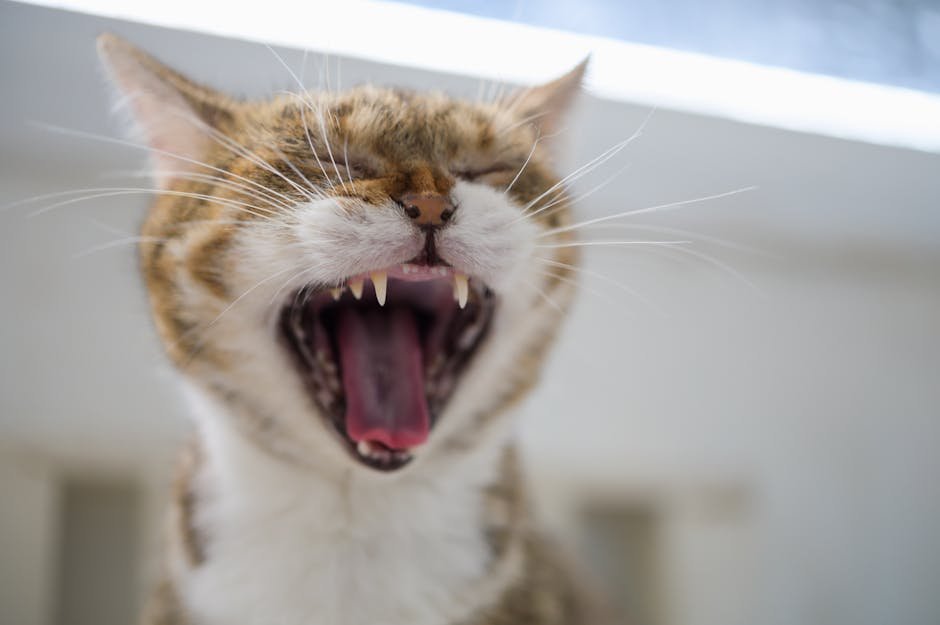
Are you thinking about bringing a cat into your home? It’s important to know which cat breeds might show more aggressive behavior.
Understanding the most aggressive cat breeds can help you prepare for their unique needs and avoid surprises. You’ll discover which cats tend to be more feisty and why. Knowing this can make a big difference in how you care for your furry friend and keep your home peaceful.
Keep reading to learn what signs to watch for and how to handle an aggressive cat with confidence.
Traits Of Aggressive Cats
Aggressive cats often show unique traits that set them apart from more laid-back felines. Understanding these traits can help you handle their behavior better and create a safer environment for both you and your pet. Recognizing what drives their aggression is the first step to managing it effectively.
Common Aggression Triggers
Aggression in cats usually stems from specific triggers. These can include:
- Fear or anxiety:Sudden movements or unfamiliar people can scare a cat into defensive aggression.
- Territorial disputes:Cats are territorial by nature and may act aggressively to protect their space.
- Pain or illness:A cat in pain might lash out unexpectedly.
- Overstimulation:Petting or play can sometimes become too intense, causing a cat to react aggressively.
Have you noticed your cat’s aggression spike in certain situations? Pinpointing these triggers can help you avoid or control them.
Behavioral Patterns
Aggressive cats often follow predictable behavior patterns before they snap. You might see:
- Flattened ears and dilated pupils as warning signs.
- Tail twitching or lashing, indicating irritation.
- Growling or hissing before any physical attack.
One cat I knew would freeze and stare intensely right before swatting. Recognizing these signs early gave the owner time to step back and prevent injury.
Impact On Owners
Living with an aggressive cat can be stressful and challenging. Owners may feel anxious about getting scratched or bitten and might limit interactions with their pet.
It can also affect your bond with the cat. When fear replaces trust, both you and your cat suffer. But understanding the reasons behind aggression can help rebuild that connection.
What steps are you willing to take to improve your cat’s behavior and your peace of mind?

Credit: www.msn.com
Top Aggressive Cat Breeds
Some cat breeds have a reputation for being more aggressive than others. These cats can show strong personalities and may not always be friendly. Understanding these breeds helps owners prepare for their unique needs and behavior. Here are some of the most aggressive cat breeds known for their bold and sometimes challenging nature.
Siamese
Siamese cats are very vocal and demanding. They can be clingy and sometimes aggressive if ignored. These cats need a lot of attention and mental stimulation. Without it, they may become frustrated and act out.
Bengal
Bengals are energetic and wild-looking cats. Their high energy can lead to aggressive play if not managed. They need plenty of exercise and interactive toys. Otherwise, their natural hunting instincts may cause rough behavior.
Chausie
Chausies are a mix of domestic cats and wild jungle cats. They have strong hunting instincts and can be very territorial. Their aggressive streak shows when they feel threatened or bored. Socialization from a young age is crucial for them.
Sphynx
Sphynx cats are usually friendly but can be aggressive if stressed. Their need for warmth and constant attention makes them sensitive. Stress or neglect can cause sudden mood changes and defensive behavior.
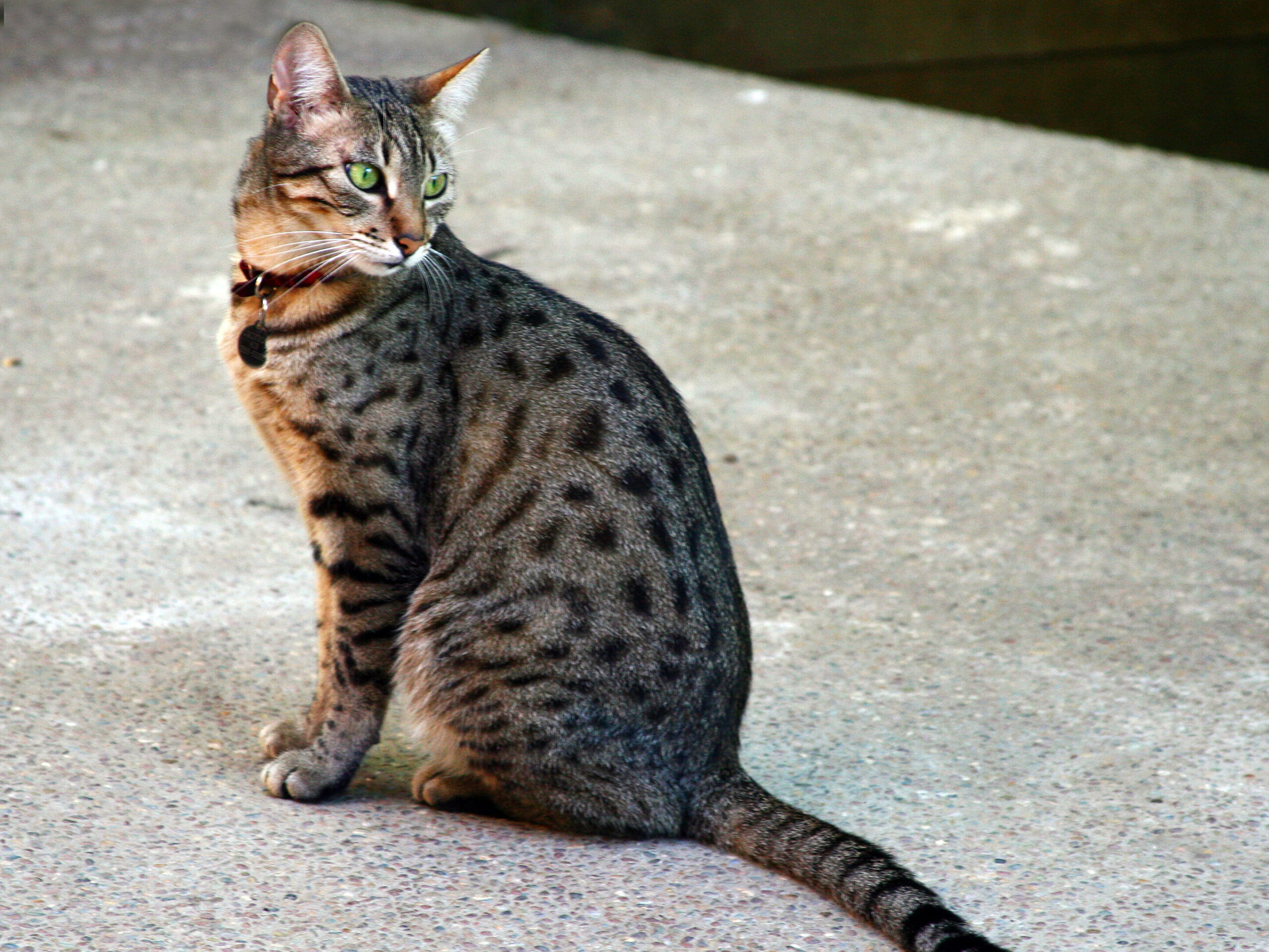
Savannah
Savannah cats are large and energetic with wild ancestry. Their wild traits make them independent and sometimes aggressive. They require a lot of space and mental challenges. Without this, they may become destructive or aggressive.
Reasons Behind Aggression
Aggression in cats often puzzles many owners, especially when it appears suddenly or without clear reason. Understanding why some cat breeds display more aggressive behavior helps you manage and even prevent these outbursts. Recognizing the root causes can change how you interact with your feline friend and improve your relationship.
Genetic Influences
Some cat breeds inherit traits that can make them more prone to aggression. Breeds like Bengals and Siamese are known for their high energy and assertiveness, which sometimes comes across as aggressive. Genetics don’t guarantee behavior but set a foundation that influences how a cat might react to stress or threats.
Think about your own cat’s breed history. Have you noticed if aggressive moments happen more often during play or when they feel cornered? This can help you understand whether genetics play a role in their behavior.
Environmental Factors
Your cat’s surroundings significantly affect their temperament. Loud noises, lack of safe spaces, or frequent changes in routine can trigger aggressive responses. Cats feel more secure in stable, quiet environments where they can control their space.
Have you created quiet zones or hiding spots for your cat? These small changes can reduce stress and lower aggression. Keep in mind that even small disruptions, like new furniture or visitors, might unsettle your cat more than you expect.
Socialization Effects
How a cat is socialized during its early life impacts its behavior as an adult. Cats that lack exposure to people or other animals may react aggressively out of fear or confusion. Positive, gradual social experiences help cats build confidence and reduce aggressive tendencies.
Reflect on your cat’s early days. Were they handled gently and exposed to different environments? If not, you might need to work slowly on building trust. Patience and consistent positive interactions can reshape their reactions over time.
Managing Aggressive Behavior
Managing aggressive behavior in cats requires patience and understanding. Aggression often signals stress, fear, or pain. By addressing these root causes, you can help your cat feel more secure and reduce outbursts.
Training Techniques
Training aggressive cats takes consistency and calm energy. Use positive reinforcement like treats and praise when your cat displays calm behavior. Avoid punishment; it usually makes aggression worse.
Try redirecting your cat’s energy with toys or gentle play to prevent biting or scratching. For example, if your cat lunges during petting, stop immediately and give a toy instead. This teaches them appropriate outlets for their energy.
Creating Safe Spaces
Your cat needs places to retreat where they feel safe. Set up quiet, cozy spots with bedding and familiar scents. This helps reduce stress and gives them control over their environment.
Think about vertical space too—cat trees or shelves let your cat observe from above, which can lower anxiety. Have you noticed your cat calming down when they can watch from a distance?
When To Seek Professional Help
If aggression persists despite your efforts, it’s time to consult an expert. A veterinarian can rule out medical causes like pain or illness. Behaviorists provide tailored strategies to manage aggressive tendencies.
Don’t wait for a serious bite or injury to get help. Early intervention can prevent escalation and keep both you and your cat safe. What’s your experience with professional help for pet behavior?
Living With Fierce Felines
Living with fierce felines requires patience and understanding. These cats have strong personalities and may test your limits. Creating a peaceful home means learning their signals and respecting their space.
Building a bond with an aggressive cat takes time. Trust grows slowly but steadily with gentle care and consistent behavior.
Building Trust
Trust is the foundation of any good relationship with a cat. Start by offering your hand for sniffing. Avoid sudden movements or loud noises. Speak softly and use calm gestures. Let the cat approach you on its own terms. Reward calm behavior with treats or gentle petting. Be patient; trust cannot be rushed.
Enrichment Activities
Keep your cat engaged to reduce aggressive behavior. Provide toys that mimic prey like feather wands or laser pointers. Create climbing spaces with shelves or cat trees. Rotate toys to maintain interest. Play sessions help release energy and satisfy hunting instincts. Bored cats often act out. A busy cat is a happier cat.
Balancing Affection And Boundaries
Learn when your cat wants attention and when it does not. Notice signs like tail flicking or ears back. Respect these signals and give space. Offer affection gently and stop if the cat shows discomfort. Set clear limits on rough play or biting. Consistency helps the cat understand acceptable behavior. Balance love with clear rules for a safe home.
Credit: housely.com

Credit: www.msn.com
Frequently Asked Questions
Which Cat Breeds Are Known For Aggressive Behavior?
Certain breeds like Siamese, Bengal, and Sphynx may show more aggression. Aggression varies by individual cat’s personality and environment. Proper socialization can reduce aggressive tendencies. Understanding breed traits helps owners manage behavior better.
Why Do Some Cat Breeds Act More Aggressively?
Aggression often stems from genetics, lack of socialization, or fear. Some breeds have higher energy and defensive instincts. Stress or pain can also trigger aggressive behavior. Early training and calm environments help manage aggression.
How Can I Handle An Aggressive Cat Breed Safely?
Use calm, gentle handling to avoid triggering aggression. Provide plenty of play and exercise to reduce stress. Avoid sudden movements and loud noises around the cat. Consult a vet or behaviorist for persistent aggression issues.
Are Aggressive Cat Breeds Suitable For Families With Kids?
Aggressive breeds may not be ideal for young children. Kids may unintentionally provoke aggressive reactions. Supervised interactions and teaching gentle handling can help. Choosing a more patient breed might be better for families.
Conclusion
Aggressive cat breeds need special care and attention. Knowing their behavior helps keep everyone safe. These cats can be loving with the right training. Watch their body language to avoid trouble. Patience and understanding make a big difference. Every cat is unique, even within breeds.
Choose a cat that fits your lifestyle well. Respect their space and needs always. A calm home helps reduce aggressive actions. Remember, love and care build trust over time.
