

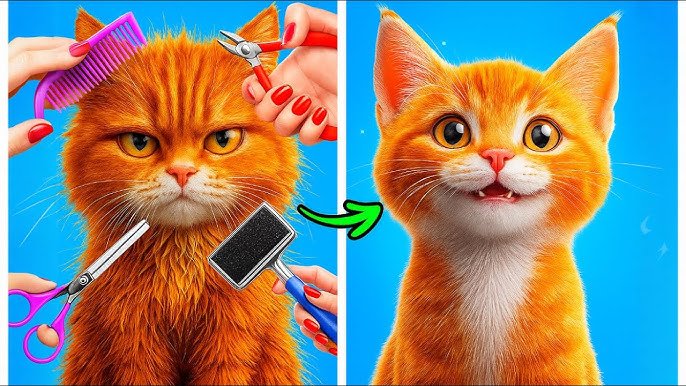
If you want your cat to look and feel their best, Meow Cat Grooming is the secret you need to know. You might think grooming is just about keeping your cat clean, but it does so much more—it boosts their health, comfort, and happiness.
Imagine your furry friend purring contentedly after a gentle brush, free from mats and shedding fur all over your home. You’ll discover easy tips and expert advice to make grooming a stress-free, enjoyable experience for both you and your cat.
Ready to see your cat shine with a beautiful, healthy coat? Let’s dive in!
Benefits Of Regular Grooming
Regular grooming offers many benefits for cats and their owners. It keeps cats healthy and comfortable. Grooming helps catch skin problems early. It also makes your cat look neat and shiny. Spending time grooming strengthens your bond with your cat. Here are some key benefits of regular grooming.
Improved Coat Health
Grooming removes dirt and dead hair from your cat’s coat. It spreads natural oils that keep fur soft and shiny. Brushing prevents mats and tangles that cause discomfort. A healthy coat means a happier cat.
Reduced Shedding
Regular brushing reduces loose hair around your home. It stops hair from falling on clothes and furniture. Grooming controls shedding and keeps your house cleaner. Less shedding means less cleaning for you.
Prevention Of Hairballs
Cats swallow hair when they groom themselves. This can form hairballs in their stomachs. Regular brushing removes loose hair before your cat swallows it. It lowers the chance of hairballs and related problems.
Strengthened Bond With Your Cat
Grooming sessions create calm, positive time together. Your cat learns to trust you more. It helps your cat feel safe and loved. Grooming builds a strong, caring relationship.

Credit: m.youtube.com
Essential Grooming Tools
Every cat deserves the best care, and having the right grooming tools makes all the difference. Essential grooming tools not only keep your feline friend looking great but also help maintain their health and comfort. Knowing which tools to use and how to use them can turn grooming from a chore into an enjoyable bonding moment.
Types Of Brushes And Combs
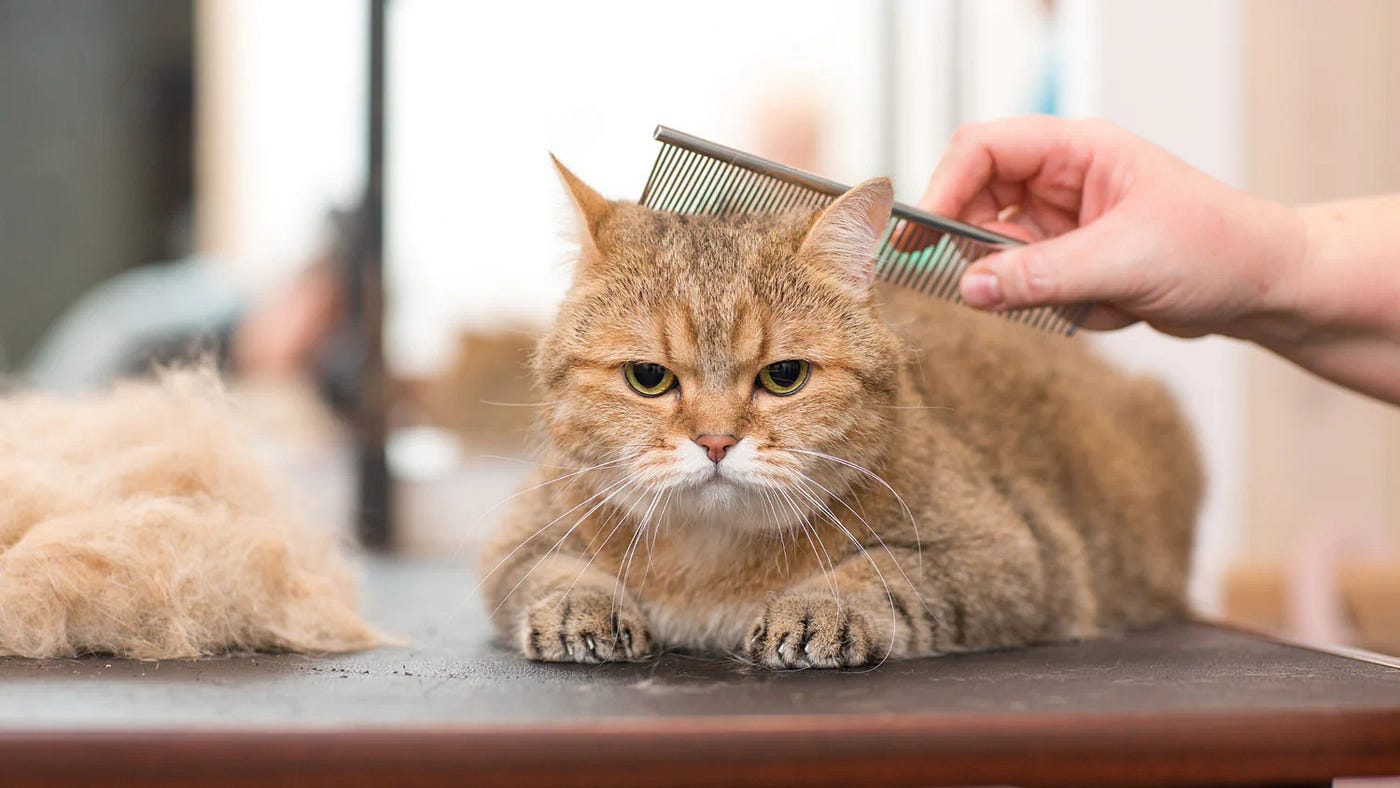
Choosing the right brush or comb depends on your cat’s coat type. Slicker brushes work wonders for removing loose fur and preventing mats, especially in long-haired cats. For short-haired cats, a bristle brush gently removes dirt and distributes natural oils to keep the coat shiny.
Combs with wide teeth help detangle knots without hurting your cat, while fine-toothed combs are perfect for removing fleas and debris. Have you noticed how your cat reacts differently to each type? Their preference can guide you in picking the best one.
Nail Clippers And Trimmers
Keeping your cat’s nails trimmed prevents scratching damage and discomfort. Scissor-style clippers offer precision, while guillotine clippers provide a quick, clean cut. Whichever you choose, ensure the tool is sharp to avoid crushing the nail, which can cause pain.
Trimming nails can be stressful for some cats, so try clipping just one or two nails at a time. Patience here pays off. Have you tried using a nail file afterward to smooth rough edges? It can make a big difference in comfort.
Shampoos And Conditioners
Not all shampoos are safe for cats. Look for products specifically designed for feline skin, which is more sensitive than a dog’s or human’s. Hypoallergenic and tear-free formulas reduce irritation during baths.
Conditioners help maintain softness and reduce tangles, especially for long-haired breeds. If your cat dislikes baths, using a waterless shampoo can be a good alternative. What scents or ingredients does your cat tolerate best?
Other Helpful Accessories
Beyond brushes and clippers, accessories like grooming gloves can simplify the process. These gloves allow you to pet your cat while removing loose fur, which many cats find soothing. A grooming mat or table keeps your cat secure and comfortable during sessions.
Eye wipes and ear cleaners are also important for hygiene. Regularly checking and cleaning these areas prevents infections. Do you have a favorite accessory that makes grooming easier for both you and your cat?
Step-by-step Grooming Routine
Maintaining a regular grooming routine keeps your cat healthy and comfortable. Grooming helps remove loose fur, dirt, and prevents matting. It also strengthens the bond between you and your feline friend. A calm, gentle approach makes grooming a positive experience for your cat.
Brushing Techniques
Choose a brush suited for your cat’s fur type. Use gentle strokes in the direction of hair growth. Start from the head and work toward the tail. Focus on problem areas like the belly and behind the ears. Brush daily for long-haired cats and twice a week for short-haired ones. Always check for signs of skin irritation or fleas.
Bathing Tips For Cats
Bathing is not always necessary but may be needed for dirty or oily fur. Use lukewarm water and mild cat shampoo. Wet your cat slowly, avoiding the head area. Lather shampoo gently, then rinse thoroughly. Dry your cat with a soft towel in a warm room. Speak softly to keep your cat calm throughout the process.
Nail Care Essentials
Trim your cat’s nails regularly to prevent overgrowth and scratching. Use sharp, cat-specific nail clippers. Hold your cat’s paw firmly but gently. Cut only the sharp tip, avoiding the pink quick inside the nail. Reward your cat with treats to create a positive association. Inspect nails weekly and trim as needed.
Cleaning Ears And Eyes
Check your cat’s ears for dirt, wax, or redness. Use a damp cotton ball to wipe the outer ear gently. Avoid inserting anything deep into the ear canal. For eyes, remove discharge with a clean, damp cloth. Use separate cloths for each eye to prevent infection. Regular checks help catch problems early.
Handling Common Grooming Challenges
Grooming cats often brings challenges that require patience and care. Cats do not always enjoy grooming, making the process tricky. Understanding common issues helps keep your cat calm and clean.
Dealing With Matted Fur
Matted fur can cause discomfort and skin problems for cats. Regular brushing prevents mats from forming. Use a wide-tooth comb to gently detangle knots. For severe mats, try softening them with a damp cloth before brushing. Never cut mats with scissors to avoid injury. Patience is key during this process.
Managing Anxious Cats
Many cats feel stressed during grooming sessions. Choose a quiet, comfortable space for grooming. Speak softly to reassure your cat throughout the session. Short grooming periods work better than long ones. Offer treats after grooming to create positive associations. Watch for signs of stress and pause if needed.
Avoiding Scratches And Bites
Cats may scratch or bite when scared or uncomfortable. Keep your nails trimmed to reduce damage if scratched. Use a towel to gently wrap the cat if needed for safety. Wear long sleeves to protect your arms. Stay calm and move slowly to avoid startling your cat. Respect your cat’s limits to build trust.
Special Grooming For Different Breeds
Cats have different grooming needs based on their breed. Each type requires special care to keep their coat and skin healthy. Understanding these differences helps maintain your cat’s comfort and beauty.
Long-haired Cats
Long-haired cats need daily brushing to avoid mats and tangles. Use a wide-toothed comb to gently remove knots. Check for dirt or debris stuck in their fur. Bathing occasionally helps keep their coat clean. Trim hair around the eyes and bottom for hygiene. Regular grooming prevents hairballs and skin problems.
Short-haired Cats
Short-haired cats need less frequent brushing, about once or twice a week. Use a soft brush to remove loose hair. This reduces shedding and prevents hairballs. Wiping them with a damp cloth helps keep their coat shiny. Check skin for fleas or irritation during grooming. Short-haired cats enjoy quick, gentle sessions.
Hairless And Exotic Breeds
Hairless cats need special skin care since they lack fur protection. Clean their skin weekly with a gentle, damp cloth. Use moisturizing products made for cats to avoid dryness. Protect them from sunburn and cold weather. Exotic breeds may have thick, dense coats needing careful grooming. Use soft brushes and avoid harsh shampoos.
Credit: visapoint.travel
Diet And Grooming Connection
Healthy fur starts from inside your cat’s body. Diet plays a key role in grooming and fur quality. Proper nutrition helps keep the coat shiny, soft, and strong. Poor diet can cause dullness, dryness, and hair loss. Feeding the right foods supports skin health and fur growth. This connection between diet and grooming is vital for every cat owner.
Foods That Promote Healthy Fur
Certain foods provide essential nutrients for a beautiful coat. Protein is the building block for fur. High-quality meat and fish supply important amino acids. Omega-3 and omega-6 fatty acids improve skin moisture and reduce inflammation.
- Salmon and sardines rich in omega-3
- Chicken and turkey for lean protein
- Eggs packed with biotin and protein
- Sweet potatoes and carrots for vitamins A and E
Fresh water is crucial to keep skin hydrated. Avoid too many fillers or grains that offer little benefit. Balanced meals support strong fur and reduce shedding.
Supplements For Skin And Coat
Supplements can boost your cat’s skin and fur health. Fish oil capsules add extra omega fatty acids. These help reduce dryness and itchiness. Vitamin E supports skin repair and protects cells. Zinc improves fur texture and prevents hair loss.
- Omega-3 fish oil
- Vitamin E capsules
- Zinc supplements
- Biotin for skin and hair strength
Always consult your vet before adding supplements. Correct doses ensure safety and effectiveness. Supplements are best used alongside a balanced diet for optimal grooming results.
When To Seek Professional Grooming
Knowing when to seek professional grooming for your cat can improve its health and comfort. Some cats need more care than regular brushing at home. Professional groomers handle mats, dirt, and nail care safely. They also spot problems early, like skin issues or parasites.
Signs Your Cat Needs Expert Care
- Thick mats that pull on the skin
- Unusual odors or dirt buildup
- Excessive shedding or bald patches
- Scratches or wounds hidden by fur
- Difficulty cleaning itself due to age or illness
- Overgrown nails causing discomfort
- Behavior changes like hiding or aggression during grooming
These signs show your cat may need more than simple home care. Professional groomers have tools and skills for gentle treatment.
Choosing The Right Groomer
Pick a groomer experienced with cats, not just dogs. Cats need calm handling to reduce stress. Check for clean facilities and good reviews. Ask if they handle special needs or medical conditions.
Visit the groomer first. See how they interact with your cat. Make sure they listen to your concerns and explain their process clearly. Good communication ensures your cat’s safety and comfort.

Credit: www.grove.co
Frequently Asked Questions
What Is The Best Frequency For Meow Cat Grooming?
Regular grooming every 1 to 2 weeks keeps your Meow cat healthy. It prevents mats, reduces shedding, and promotes a clean coat. Frequent grooming also helps detect skin issues early, ensuring your cat’s comfort and well-being.
How Do I Groom A Meow Cat Safely At Home?
Use a soft brush suited for your Meow cat’s fur type. Brush gently to avoid skin irritation. Trim nails carefully, and clean ears with a vet-approved solution. Stay calm and patient to make grooming stress-free for your cat.
What Grooming Tools Are Essential For Meow Cats?
A slicker brush, metal comb, nail clippers, and ear cleaner are must-haves. Choose tools that match your cat’s fur length and sensitivity. High-quality grooming tools ensure effective and gentle maintenance of your Meow cat’s coat.
Can Grooming Improve My Meow Cat’s Health?
Yes, grooming removes dirt and loose hair, reducing allergies. It also stimulates blood circulation and helps spot health problems early. Regular grooming boosts your Meow cat’s comfort and promotes a shiny, healthy coat.
Conclusion
Taking care of your cat’s grooming keeps them happy and healthy. Regular brushing stops mats and reduces shedding. Clean ears and trimmed nails prevent pain and infection. A calm grooming routine builds trust between you and your cat. Start slowly and use gentle tools for best results.
Remember, patience and kindness make grooming easier. Your cat will feel loved and look great too. Simple steps lead to a strong bond and a well-groomed pet. Keep these tips in mind for daily care. Your cat deserves the best attention every day.
