

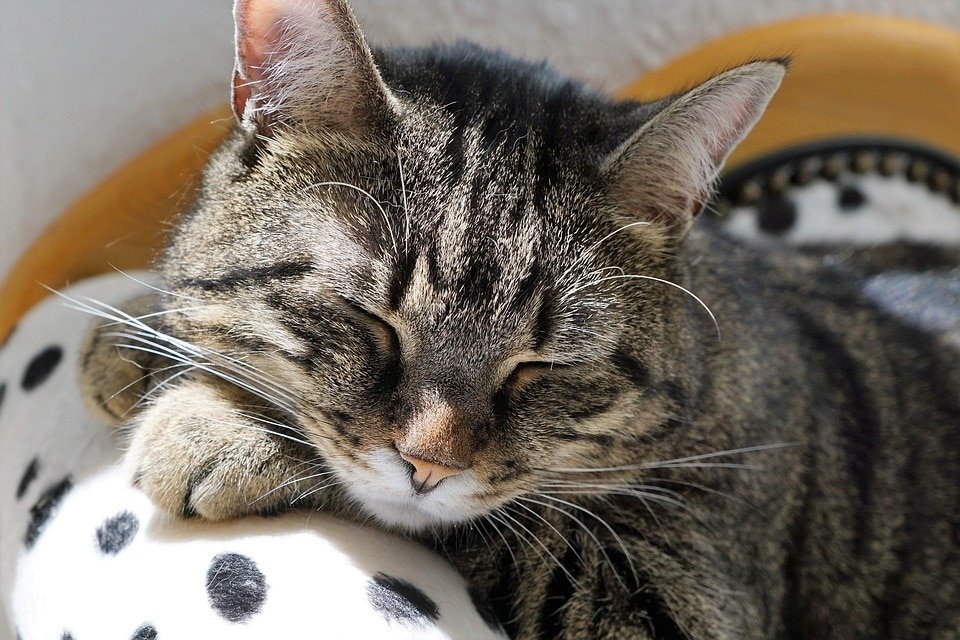
Have you ever noticed your cat acting differently—sudden mood swings, unusual hiding, or constant restlessness? These changes might be more than just quirky behavior.
Just like people, cats can face mental health issues that affect their happiness and well-being. Understanding these signs can help you support your furry friend and improve their quality of life. Keep reading to discover what mental health problems in cats look like and how you can help your companion feel their best.

Credit: www.utahhumane.org
Signs Of Mental Distress
Recognizing the signs of mental distress in your cat is crucial for their well-being. Unlike humans, cats can’t tell you when they feel anxious or depressed, so you need to watch closely for subtle changes. These signs often show up in their behavior, physical health, or social interactions.
Behavioral Changes
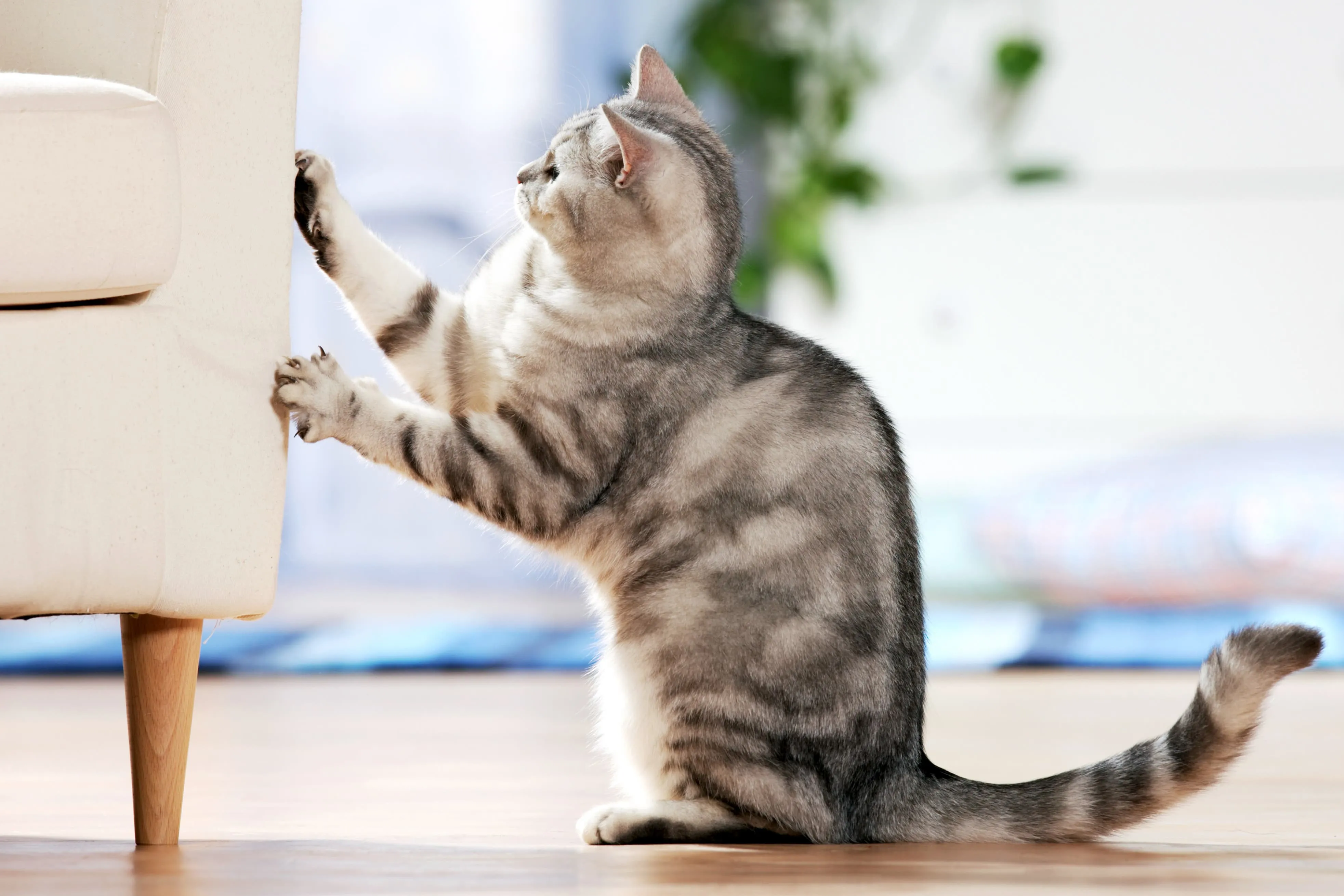
Have you noticed your cat suddenly becoming more aggressive or unusually clingy? These shifts can be clues that something is wrong mentally. Cats might start pacing, scratching furniture more, or vocalizing excessively.
On the other hand, some cats become unusually lethargic or lose interest in playtime. If your playful kitty stops chasing toys or hides when you try to engage, it’s a red flag. These behaviors are your cat’s way of signaling distress.
Physical Symptoms
Mental health issues often show up as physical symptoms in cats. You might see changes in grooming habits, like over-grooming or neglecting their coat. These can lead to bald patches or skin problems.
Other signs include changes in appetite or litter box habits. Has your cat started eating less or more than usual? Or is your cat avoiding the litter box? These shifts can indicate stress or anxiety affecting their body.
Social Withdrawal
When a cat withdraws from social interaction, it’s a clear sign of mental distress. If your cat used to greet you at the door but now hides under the bed, it’s time to pay attention. Social withdrawal can also mean avoiding other pets in the house.
Ask yourself: Has your cat stopped seeking your company or seems disinterested in affection? This change might not just be a mood swing but a deeper issue. Reaching out with gentle attention can make a difference.
Credit: www.webmd.com
Common Mental Health Issues
Mental health issues in cats often go unnoticed. Cats cannot tell us when they feel sad or anxious. Recognizing common mental health problems helps in caring for them better.
These issues can affect a cat’s behavior, eating habits, and overall happiness. Understanding signs and symptoms can lead to early help and support. Here are some common mental health problems found in cats.
Anxiety And Stress
Cats can feel anxious or stressed due to changes in their environment. New people, loud noises, or moving to a new home can trigger anxiety. Signs include hiding, excessive grooming, or sudden aggression.
Stress may cause loss of appetite or frequent urination outside the litter box. A calm, safe space and routine can reduce anxiety in cats.
Depression In Cats
Depression in cats is often caused by loss or lack of stimulation. Cats may seem withdrawn, sleep more, or lose interest in play. Changes in appetite and grooming habits are common signs.
Lack of social interaction or a sudden change in the household can lead to sadness. Providing attention and interactive toys helps improve their mood.
Obsessive-compulsive Behaviors
Some cats develop repetitive behaviors like licking, tail chasing, or pacing. These actions may seem strange but often signal stress or boredom. This condition is similar to OCD in humans.
Ignoring these behaviors can worsen the problem. Enriching the cat’s environment with toys and playtime can help reduce obsessive habits.
Causes Behind Mental Struggles
Understanding the causes behind mental struggles in cats is key to helping them live happier lives. Mental health issues often stem from factors that disrupt their sense of security and well-being. By identifying these causes, you can take steps to support your feline friend more effectively.
Environmental Factors
Your cat’s surroundings play a huge role in their mental health. Changes like moving to a new home, loud noises, or even the addition of a new pet can cause stress and anxiety. Cats thrive on routine, so sudden shifts can make them feel unsafe and unsettled.
Have you noticed your cat hiding or acting withdrawn after a change in the environment? This could be a sign they are struggling to adapt. Providing a quiet, stable space with familiar items can help ease their stress.
Trauma And Abuse
Past trauma or abuse leaves deep emotional scars in cats. Cats rescued from neglect or harsh conditions often exhibit signs of fear, aggression, or depression. These behaviors are not just “bad habits” but cries for help rooted in their experiences.
If your cat reacts fearfully to certain people or situations, consider their history. Patience and gentle care can rebuild their trust, but professional help may be necessary to address severe trauma.
Genetic Predispositions
Some cats are more prone to mental health issues due to their genetics. Certain breeds or family lines may carry traits that influence anxiety levels or behavioral tendencies. This doesn’t mean your cat is doomed, but awareness helps you watch for early signs.
Understanding your cat’s genetic background can guide you in choosing the right environment and care. Have you checked if your cat’s breed is known for specific sensitivities? This knowledge empowers you to act before problems escalate.
Impact On Overall Well-being
Understanding the impact of mental health issues on your cat’s overall well-being is crucial. Just like people, cats experience emotional struggles that ripple through their daily lives. These mental challenges don’t stay isolated—they affect their body, behavior, and relationships with other pets.
Effect On Physical Health
Mental health problems can weaken your cat’s immune system, making them more vulnerable to infections and illnesses.
Stress and anxiety often cause physical symptoms like excessive grooming, hair loss, or digestive issues. Have you noticed your cat scratching or licking themselves more than usual?
Ignoring these signs might mean missing an underlying emotional problem that’s harming their body.
Changes In Appetite And Sleep
Mental distress can disrupt your cat’s eating habits. Some cats lose interest in food, while others may overeat as a coping mechanism.
Sleep patterns also shift—your feline friend might rest too much or struggle to settle down at night. These changes can drain their energy and reduce their quality of life.
Pay close attention to sudden shifts in appetite or sleep; they often signal that your cat needs emotional support.
Interaction With Other Pets
Mental health struggles can alter how your cat interacts with other pets in the household. Anxiety or fear might cause withdrawal or increased aggression.
Imagine a usually playful cat suddenly avoiding its feline sibling or growling when approached. These behavior changes affect the harmony of your pet family.
Have you seen your cat’s social behavior change? Understanding this can help you create a supportive environment for all your pets.
Diagnosis And Assessment
Diagnosing mental health issues in cats requires careful assessment. Cats cannot explain their feelings, so observations and tests help. Early diagnosis can improve treatment results and quality of life.
Veterinary Evaluation
A vet checks the cat’s overall health first. Physical exams rule out diseases causing behavior changes. The vet asks about the cat’s habits, environment, and any recent changes. This info helps identify stress factors or illness.
Behavioral Observation
Watching the cat’s behavior over time is key. Signs like aggression, hiding, or changes in eating can indicate problems. Owners can keep a diary of behavior patterns. This record supports the vet’s understanding of the issue.
Use Of Diagnostic Tools
Diagnostic tools assist in thorough assessment. Blood tests detect infections or hormonal imbalances. Imaging like X-rays or ultrasounds check for internal issues. Sometimes, behavior specialists use questionnaires to evaluate mental health.
Treatment Options
Addressing mental health issues in cats requires a thoughtful approach tailored to each cat’s unique needs. Treatment focuses on reducing stress, improving behavior, and enhancing overall well-being. You’ll find that combining several strategies often works best to help your feline friend feel secure and happy.
Behavioral Therapy
Behavioral therapy helps your cat learn new, positive ways to cope with anxiety or stress. You can start by identifying triggers that cause your cat’s distress, such as loud noises or changes in routine. Consistent training and gentle redirection can guide your cat toward healthier behaviors.
Working with a veterinary behaviorist might sound daunting, but their expertise can make a big difference. They can teach you techniques like desensitization and counter-conditioning. Have you noticed if your cat reacts differently to certain environments or people? Observing these patterns can help shape the therapy.
Medication And Supplements
Sometimes, mental health issues in cats need medical support. Veterinarians may prescribe medications to reduce anxiety or depression symptoms. These drugs are carefully chosen and monitored to avoid side effects.
Natural supplements like omega-3 fatty acids or calming pheromones can also support your cat’s mental health. These options are often used alongside behavioral therapy to boost results. Would you consider trying supplements to create a more balanced mood for your cat?
Environmental Enrichment
Your cat’s environment plays a huge role in mental well-being. Adding climbing trees, interactive toys, and cozy hiding spots can keep your cat mentally and physically engaged. Changing the environment regularly prevents boredom and reduces stress.
Simple changes like playing soft music or using puzzle feeders can stimulate your cat’s mind. Have you ever watched your cat explore a new toy and noticed a spark of curiosity? Encouraging this natural behavior helps build confidence and happiness.
Preventive Measures
Preventing mental health issues in cats is about more than just reacting to problems. It involves setting up a lifestyle that supports their emotional well-being every day. You can make a big difference by focusing on their environment, social needs, and ways to lower stress.
Creating A Safe Environment
Your cat needs a space where they feel secure and calm. Avoid sudden loud noises or constant changes in their surroundings. Try to provide cozy hiding spots, like a covered bed or a quiet corner, where your cat can retreat whenever they feel overwhelmed.
Think about the layout of your home. Are there places your cat can climb or perch? Cats love vertical space because it helps them feel in control. Adding shelves or cat trees can keep them mentally stimulated and less anxious.
Regular Social Interaction
Some cats are social butterflies, while others prefer solitude. Pay attention to your cat’s personality and respect their boundaries. Spend quality time playing or simply sitting with them, but don’t force interaction if they’re not in the mood.
Try different toys or games to see what excites your cat. You might find that interactive toys, like feather wands or laser pointers, help reduce boredom and improve mood. Regular interaction reminds your cat that they are loved and cared for.
Stress Reduction Techniques
Stress can sneak into your cat’s life from many sources—new people, changes in routine, or loud noises. You can help by maintaining a consistent daily schedule for feeding and playtime. Cats thrive on predictability.
Consider natural calming aids like pheromone diffusers or gentle music designed for pets. These small changes can make your home feel more peaceful. Have you noticed any particular triggers that upset your cat? Identifying them can help you avoid unnecessary stress.

Credit: www.whiskas.co.nz
Supporting Your Cat’s Mental Health
Supporting your cat’s mental health is just as important as caring for their physical well-being. Cats can experience stress, anxiety, and depression, which often go unnoticed because they hide their feelings well. By paying close attention and providing a safe, stimulating environment, you can help your feline friend lead a happier, healthier life.
Recognizing Early Warning Signs
Is your cat suddenly hiding more or not eating like usual? These changes can signal mental health struggles.
Watch for behaviors like:
- Excessive grooming or hair loss
- Aggression or irritability
- Withdrawal from social interaction
- Changes in litter box habits
Spotting these signs early lets you act before problems worsen.
Building Trust And Comfort
Your cat needs to feel safe to thrive mentally. Creating a calm environment helps reduce stress.
Try adding:
- Quiet resting spots away from noise
- Interactive toys to keep their mind engaged
- Consistent daily routines
Speak softly and move slowly to build trust. Have you noticed how your cat responds when you change your tone or approach?
When To Seek Professional Help
If your cat’s behavior doesn’t improve or worsens, it’s time to consult a veterinarian or an animal behaviorist.
Professional help can:
- Identify underlying medical issues
- Provide behavior modification plans
- Recommend medications if necessary
Don’t hesitate to ask for advice. Your cat’s mental well-being is worth the effort and expertise.
Frequently Asked Questions
What Are Common Mental Health Issues In Cats?
Common mental health issues in cats include anxiety, depression, and stress. These conditions affect their behavior and well-being. Changes in environment or routine often trigger these problems. Early detection and proper care help improve their mental health significantly.
How Can I Tell If My Cat Is Stressed?
Signs of stress in cats include hiding, excessive grooming, and aggression. Changes in appetite and litter box habits are also indicators. Observing your cat’s behavior closely helps identify stress early. Reducing stressors and providing a calm environment can ease their anxiety.
Can Mental Health Issues Affect A Cat’s Physical Health?
Yes, mental health issues can impact a cat’s physical health. Stress and anxiety can cause digestive problems, weight loss, and weakened immunity. Addressing mental health is crucial for overall well-being. Consult a vet if you notice unusual physical or behavioral changes in your cat.
How Can I Help Improve My Cat’s Mental Health?
To improve your cat’s mental health, provide a stable routine and safe space. Playtime, enrichment toys, and social interaction reduce stress. Avoid sudden changes and loud noises. Regular veterinary check-ups ensure early detection and treatment of mental health issues.
Conclusion
Cats can suffer from mental health problems just like people. Watching their behavior helps spot issues early. Stress and changes in their environment may cause anxiety or depression. Providing a safe, calm space supports their well-being. Regular play and attention help keep cats happy and healthy.
Consult a vet for advice if your cat seems troubled. Understanding your cat’s mental health improves your bond together. Small steps make a big difference in their quality of life. Caring for their mind matters as much as their body.
