

If you’re a cat owner, you know how important it is to keep your furry friend healthy and comfortable. But did you realize that medical grooming plays a key role in your cat’s well-being?
Medical grooming isn’t just about making your cat look good—it helps prevent health problems before they start. You’ll discover simple yet powerful grooming tips that can protect your cat from infections, skin issues, and discomfort. By learning these techniques, you’ll feel more confident in caring for your pet and ensuring they live a happier, healthier life.
Keep reading to find out how medical grooming can make a real difference for your cat.

Credit: www.amazon.com
Health Benefits Of Medical Grooming
Medical grooming for cats offers more than a clean appearance. It plays a vital role in maintaining your cat’s overall health. Regular grooming sessions can help spot problems early and keep skin and fur in top shape. The health benefits are clear and important for every cat owner to know.
Prevention Of Skin Infections
Medical grooming helps keep your cat’s skin clean and free from harmful bacteria. Removing dirt and dead hair stops infections from forming. Groomers check for signs of irritation or wounds that need care. This helps prevent serious skin problems before they start.
Early Detection Of Health Issues
Groomers look closely at your cat’s skin, ears, and nails. They can spot lumps, bumps, or unusual changes early on. Finding these signs early allows quick visits to the vet. Early detection often leads to easier and better treatment.
Improved Coat Quality
Regular grooming removes loose fur and spreads natural oils. This keeps the coat shiny and soft. A healthy coat means less shedding and fewer hairballs. Grooming also helps reduce mats and tangles that can hurt your cat’s skin.
Credit: www.latimes.com
Key Medical Grooming Techniques
Medical grooming for cats involves specific care techniques that support their health. Proper grooming helps prevent infections, skin problems, and discomfort. It also allows early detection of health issues. Regular attention to grooming keeps cats comfortable and healthy.
Regular Brushing And Dematting
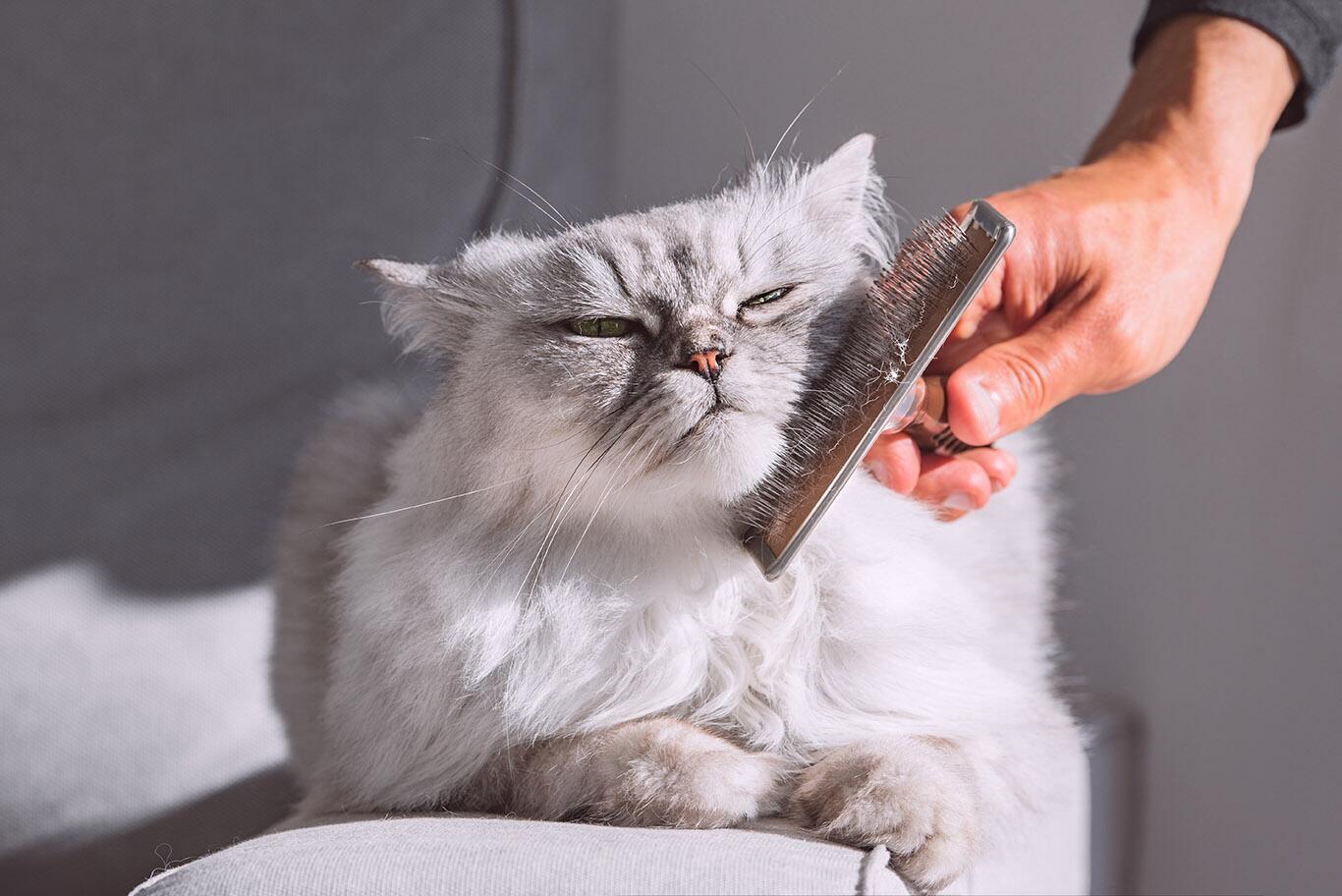
Brushing your cat removes loose fur and dirt. It reduces hairballs and skin irritation. Use a brush suited to your cat’s fur type. For long-haired cats, gently detangle mats. Mats can cause pain and skin infections. Regular brushing prevents mats from forming.
Nail Trimming And Paw Care
Trimming nails prevents overgrowth and injury. Long nails can catch on surfaces or hurt your cat. Use sharp, small nail clippers. Trim only the sharp tip, avoiding the quick. Check paws for cuts, swelling, or debris. Clean paws keep cats comfortable and healthy.
Ear And Eye Cleaning
Clean ears remove dirt and wax buildup. Use a soft cloth or cotton ball dampened with vet-approved cleaner. Avoid inserting anything deep into the ear canal. Check eyes for discharge or redness. Gently wipe eyes with a damp cloth. Clean ears and eyes prevent infections and irritation.
Tools And Products For Grooming
Having the right tools and products can make medical grooming for cats less stressful and more effective. Cats are sensitive creatures, so choosing equipment that suits their specific needs is crucial. The right brushes, safe grooming products, and specialized tools can help you manage your cat’s health and comfort with confidence.
Choosing The Right Brushes
Not all brushes are created equal, especially when it comes to cats with medical needs. A soft-bristle brush works well for cats with sensitive skin or those recovering from surgery. It gently removes loose fur without causing irritation.
For cats with thicker coats or mats, a slicker brush helps break up tangles carefully. You might want to avoid harsh metal combs if your cat is prone to skin issues. Have you noticed how your cat reacts to different brush types? Their response can guide you to the best choice.
Safe Grooming Products
Using products designed specifically for cats is essential. Many shampoos and conditioners made for humans or dogs contain chemicals that can harm your feline friend. Look for hypoallergenic, fragrance-free options that soothe sensitive skin.
If your cat has a medical condition like dermatitis or allergies, consult your vet before trying any product. Sometimes, simple wipes or waterless shampoos are safer and less stressful alternatives. Are you paying attention to how your cat’s skin reacts after grooming?
Specialized Medical Grooming Equipment
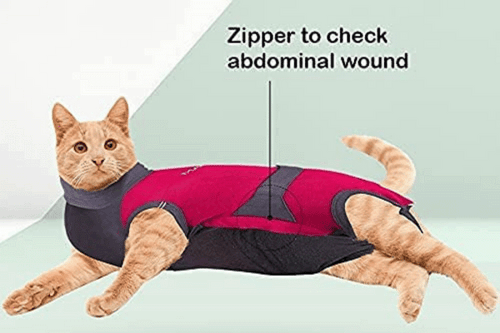
Specialized tools can make a big difference when grooming cats with health issues. For example, pet clippers with adjustable blades help trim fur around wounds or surgical sites gently. They reduce the risk of cutting the skin.
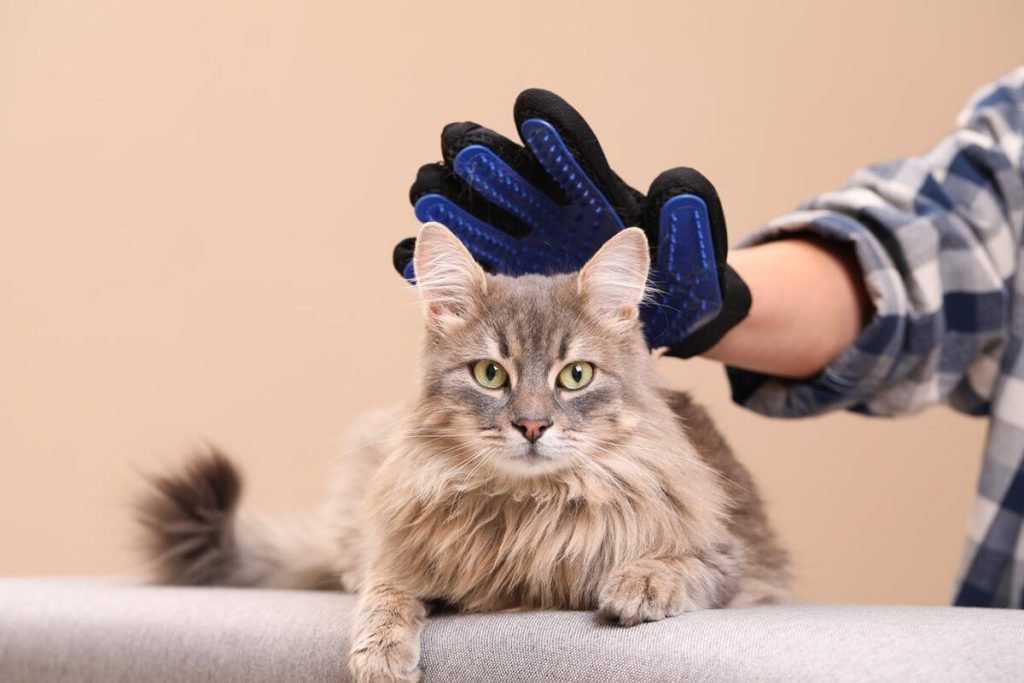
Electric nail grinders offer a safer way to manage nails for cats prone to scratching themselves or others. Also, consider grooming gloves that provide gentle stimulation while removing loose fur. Have you tried any specialized equipment that made grooming easier for your cat’s unique needs?
Credit: www.preventivevet.com
Grooming For Different Cat Breeds
Cats come in many breeds, each with unique grooming needs. Proper grooming keeps cats healthy and comfortable. Understanding the differences helps prevent skin problems and matting.
Some breeds shed less, while others need daily brushing. Certain cats have delicate skin requiring gentle care. Tailoring grooming to breed supports their well-being.
Short-haired Cats
Short-haired cats have fur that is easy to maintain. Brush them once or twice a week to remove loose hair. Use a soft-bristle brush to avoid skin irritation. Bathing is rarely needed unless the cat gets dirty. Check ears and teeth during grooming sessions. Short-haired breeds tend to shed less, but regular grooming reduces hairballs.
Long-haired Cats
Long-haired cats need daily grooming to prevent tangles. Use a wide-toothed comb to gently remove mats. Regular brushing spreads natural oils, keeping fur shiny. Bathe these cats occasionally to keep their coat clean. Pay attention to areas behind ears and under legs. Long-haired breeds may need professional grooming for heavy matting. Keep nails trimmed to avoid scratches during grooming.
Sensitive Skin Breeds
Some cats have sensitive or allergy-prone skin. Use hypoallergenic grooming products made for sensitive skin. Avoid harsh shampoos that dry out or irritate skin. Brush gently with a soft brush or glove. Monitor skin for redness, dryness, or irritation after grooming. Consult a vet for special grooming advice if needed. These cats benefit from shorter grooming sessions to reduce stress.
Tips For Stress-free Grooming
Grooming your cat can be a challenge. Stress often makes the process harder for both you and your pet. Simple steps can help create a calm, safe experience. Your cat will feel more relaxed, and grooming will go smoothly.
Creating A Calm Environment
Choose a quiet room with few distractions. Soft lighting helps keep your cat calm. Use a comfortable surface, like a towel or a soft mat. Play gentle music or keep the room silent. Keep all grooming tools close to avoid leaving your cat alone.
Handling Techniques
Speak softly to reassure your cat. Use slow, gentle movements to avoid startling. Hold your cat securely but never squeeze. Let your cat take breaks if it becomes tense. Reward good behavior with treats or petting. Focus on one small area at a time to avoid overwhelming your cat.
When To Seek Professional Help
Notice signs of extreme stress like hissing or biting. Avoid forcing grooming if your cat struggles too much. Visit a veterinarian or professional groomer for difficult tasks. Professionals have experience and special tools for safe grooming. Seek help for medical grooming needs like mats or skin issues. Your cat’s safety and comfort come first.
Medical Grooming And Senior Cats
Senior cats need special care during medical grooming. Their aging bodies require gentle handling. Medical grooming helps keep them clean and comfortable. It also supports their health by spotting issues early. Adjusting grooming routines for older cats improves their well-being.
Adapting Grooming For Aging Cats
Older cats have thinner skin and fragile fur. Use softer brushes to avoid irritation. Groom in short sessions to prevent stress. Check for lumps, bumps, or wounds carefully. Keep their nails trimmed but gentle to avoid pain. Warm water baths, if needed, should be brief and soothing.
Addressing Mobility Challenges
Senior cats may find grooming hard due to stiffness. Help them by supporting their body during brushing. Use non-slip mats to keep them steady. Choose grooming spots that are easy to reach. Avoid forcing movements that cause discomfort. Regular grooming helps maintain flexibility and comfort.
Monitoring Chronic Conditions
Many older cats have chronic health issues. Grooming time is perfect to check their skin and fur. Look for signs like redness, swelling, or hair loss. Pay attention to areas they cannot reach well. Report any unusual findings to the vet quickly. Good grooming helps manage conditions like arthritis or diabetes.
Frequently Asked Questions
What Is Medical Grooming For Cats?
Medical grooming involves cleaning and caring for cats with health issues. It helps prevent infections, manage skin problems, and supports overall well-being. This grooming is often done under veterinary guidance to ensure safety and effectiveness.
When Should Cats Receive Medical Grooming?
Cats need medical grooming when they have skin conditions, wounds, or mobility issues. It is also essential for elderly cats or those recovering from surgery to maintain hygiene and comfort.
How Does Medical Grooming Benefit A Cat’s Health?
Medical grooming improves skin health, reduces infection risks, and promotes healing. It also helps detect early signs of health problems, allowing timely veterinary intervention and better care.
Can I Perform Medical Grooming At Home Safely?
Basic medical grooming can be done at home with proper tools and guidance. However, complex cases require professional help to avoid injury and ensure correct treatment.
Conclusion
Regular medical grooming keeps cats healthy and happy. It helps spot health issues early. Clean fur and nails prevent infections and discomfort. Gentle care reduces stress for both cats and owners. Small steps make a big difference in your cat’s life.
Trust the process, and stay consistent with grooming. Your cat will feel loved and well cared for. Simple routines protect their health every day. Keep your furry friend comfortable and strong. Medical grooming is a key part of good cat care.
