

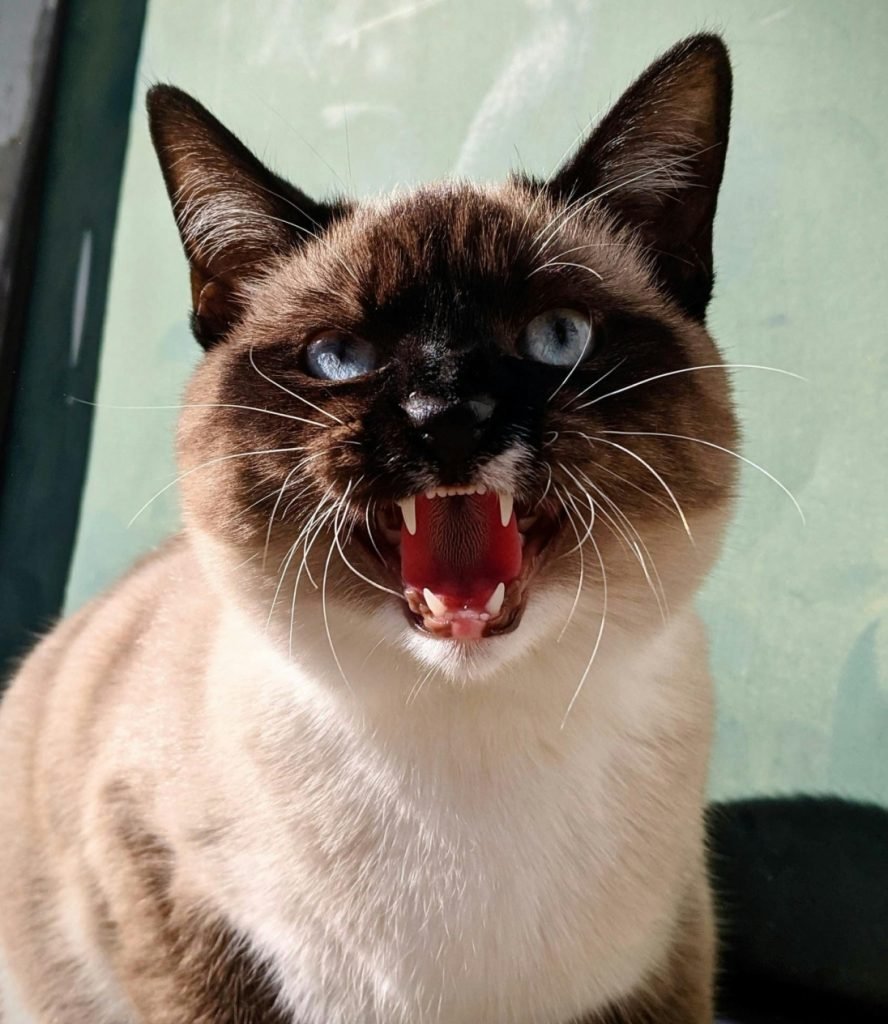
Are you curious about the feistiest feline friends out there? Ever wondered if there’s a cat that could rival your boss in terms of attitude?
You’re in the right place. Whether you’re a cat lover looking for a new challenge or just intrigued by the more intense side of feline personalities, understanding the meanest cat breeds can be both fascinating and insightful. These cats are not just about the fluff and purrs; they’re packed with personality and an air of independence that can be both thrilling and a tad intimidating.
Stick around, and you’ll discover what makes these breeds stand out—and why they might be the perfect, if not slightly mischievous, addition to your home.
Traits Of Fierce Cats
Fierce cats often grab attention with their bold and sometimes intimidating personalities. Understanding their traits can help you handle them better and create a more peaceful home. These cats aren’t mean without reason—they have distinct behaviors that signal their feelings and needs.
Common Behavioral Patterns
Fierce cats tend to be very territorial. They may patrol their space regularly and react strongly to any intruder, whether it’s another pet or a new person. You might notice them flicking their tail sharply or flattening their ears when feeling threatened.
These cats often prefer solitude and can be less tolerant of being touched or held. They may suddenly dart away if you try to pet them. This behavior helps them avoid unwanted interaction and maintain control over their environment.
Signs Of Aggression
Recognizing early signs of aggression can prevent scratches or bites. Watch for hissing, growling, or puffed-up fur—these are clear warnings. Dilated pupils and a slow, stiff body posture also indicate discomfort or anger.
Some fierce cats lash out with quick swipes of their paws, sometimes with claws extended. If your cat shows these signs, it’s best to give them space and avoid forcing contact. Ignoring these cues can escalate aggression quickly.
Why Some Cats Are Mean
Many factors influence why a cat might act mean. Past trauma or lack of socialization during kittenhood can make cats wary of humans. Genetics also play a role; certain breeds have naturally stronger defensive instincts.
Sometimes, what seems like meanness is actually fear or pain. A cat with an injury or illness may lash out to protect itself. Have you noticed changes in your cat’s behavior after a vet visit or a stressful event? Understanding the root cause helps you respond with patience rather than frustration.
Credit: vogdog.com
Top Mean Cat Breeds
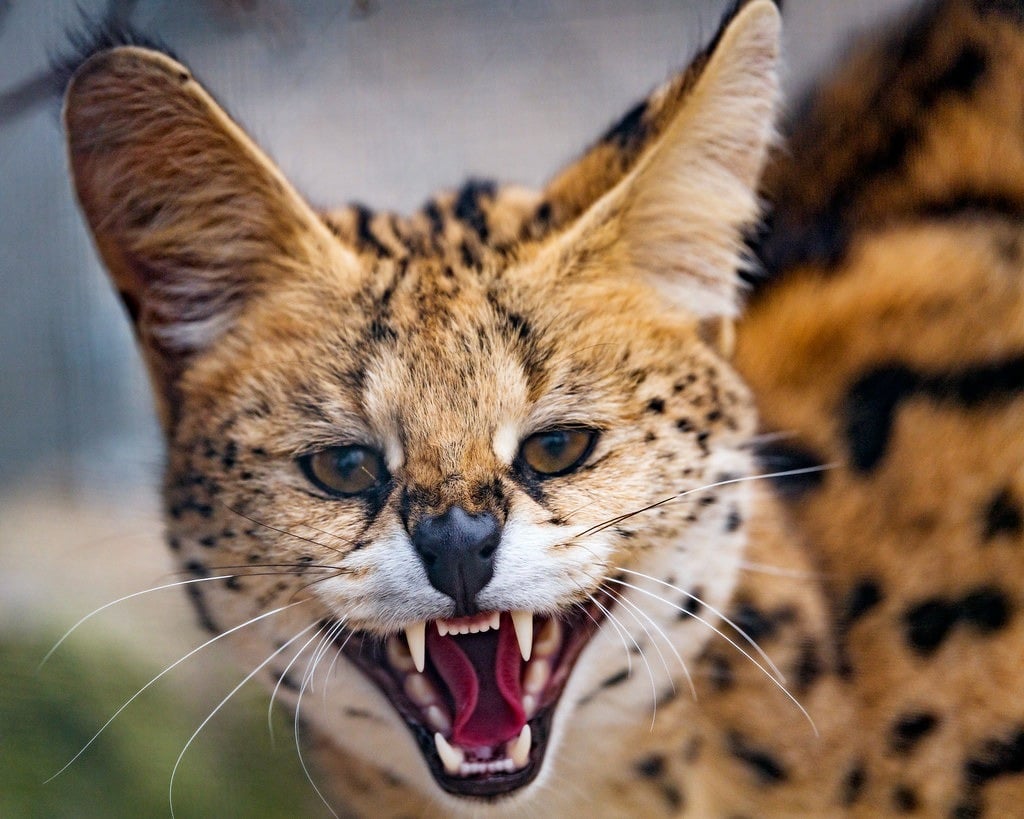
Some cat breeds have a reputation for being more aggressive or standoffish than others. These cats may show less patience and can be quick to react if annoyed. Knowing the traits of mean cat breeds helps owners manage their behavior better.
Below are some of the top cat breeds known for their feisty or mean tendencies. These cats are not always aggressive but can display sharp attitudes.
Siamese Cats
Siamese cats are vocal and demanding. They want attention and can get upset if ignored. Their sharp voices and strong personalities may seem mean to some people. They need mental stimulation to stay happy.
Chow Chow Cats
Chow Chow cats are independent and reserved. They do not like strangers or sudden changes. Their aloof nature can come off as mean or unfriendly. Early socialization is key to reduce their grumpiness.
Sphynx Cats
Sphynx cats are bold and confident. They may act bossy and pushy with other pets. Their lack of fur does not hide their strong will. They require lots of attention to avoid bad moods.
Bengal Cats
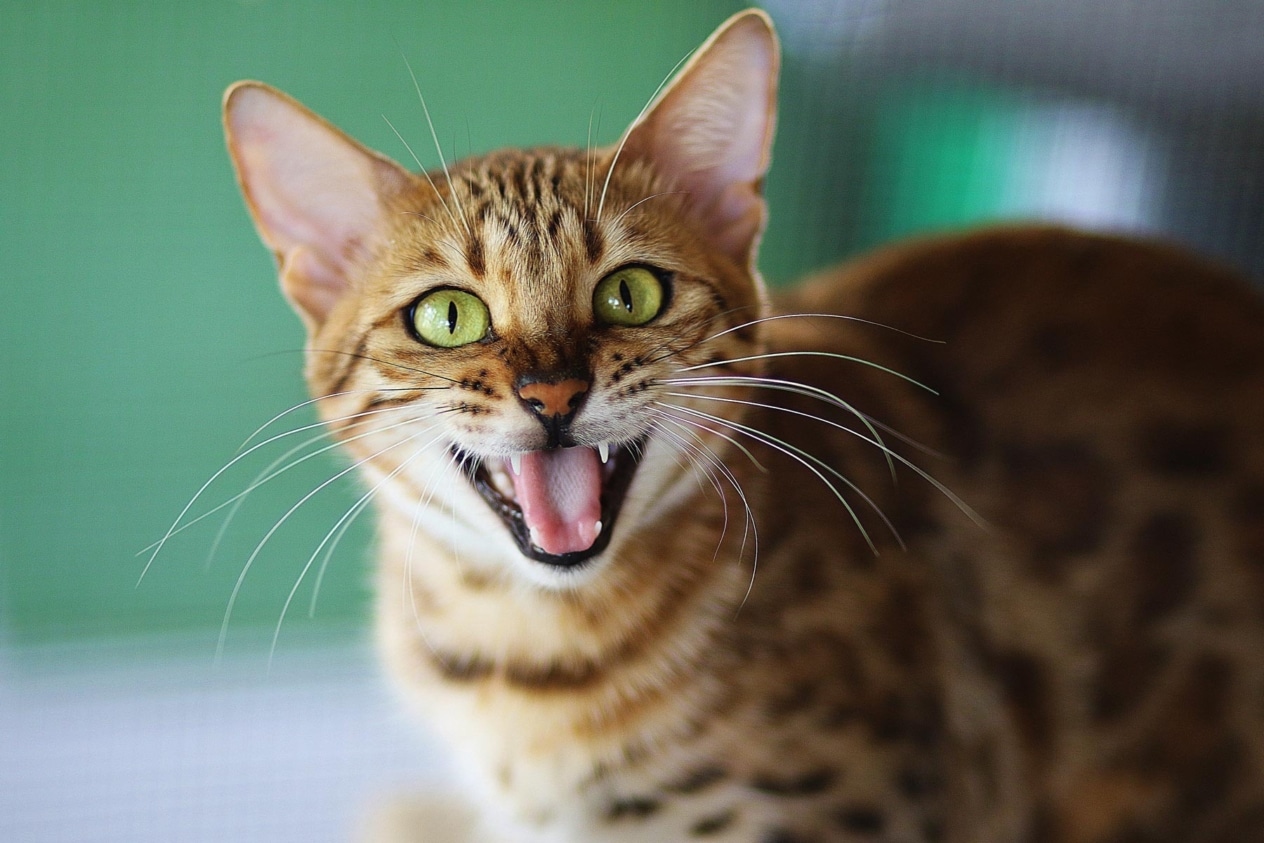
Bengals are wild-looking and energetic. They can be aggressive during play or if bored. Their high energy can lead to scratching or biting. Providing plenty of toys helps keep them calm.
Scottish Fold Cats
Scottish Folds are usually sweet but can be stubborn. They may hiss or swat if bothered. Their folded ears give them a serious look. Gentle handling helps reduce their defensive behavior.
Factors Influencing Cat Temperament
Understanding why some cats seem meaner than others starts with looking at what shapes their behavior. Cat temperament isn’t random; it’s influenced by several key factors that work together. Knowing these can help you better handle your feline friend or choose a cat that fits your lifestyle.
Genetics And Breed
Genetics play a big role in a cat’s personality. Some breeds, like the Siamese or Bengal, are naturally more vocal and high-energy, which some might interpret as aggressive or mean. On the other hand, breeds like the Ragdoll tend to be more laid-back and friendly.
Keep in mind, breed tendencies don’t guarantee behavior. Even within a “mean” breed, you’ll find cats that are sweet and gentle. Have you noticed how two cats of the same breed can act completely different?
Environment And Socialization
The environment where a cat grows up can change its attitude significantly. Cats raised in a loving, stable home usually feel safe and show less aggressive behavior. In contrast, cats exposed to stress, neglect, or frequent changes may develop defensive or mean traits.
Socializing kittens early with people and other animals helps them become more confident and friendly adults. If you want a cat that’s easygoing, consider how much time and effort you can put into socialization before bringing one home.
Health And Well-being
Sometimes what looks like meanness is actually a sign of pain or illness. Cats in discomfort may hiss, scratch, or bite when touched. Regular vet check-ups and attention to their health can prevent these behaviors.
Even stress from changes in routine or environment affects a cat’s mood. Are you monitoring your cat’s health closely enough to catch signs that might explain sudden changes in attitude?
Dealing With Aggressive Cats
Aggressive cats can be tough to handle. Their behavior may cause stress for owners and family members. Understanding how to manage aggression improves life for both the cat and owner.
Patience and consistency are key in dealing with aggressive cats. Early action can prevent bad habits from forming. Focus on calm interaction and clear communication.
Training Tips
- Use gentle, firm commands to guide behavior.
- Reward calm and friendly actions with treats or praise.
- Avoid yelling or physical punishment; it increases aggression.
- Redirect aggressive behavior with toys or playtime.
- Keep training sessions short and regular for better results.
Creating A Calm Environment
- Provide quiet spaces where the cat can relax.
- Use soothing scents like lavender to reduce stress.
- Maintain a routine feeding and play schedule.
- Limit loud noises and sudden movements around the cat.
- Offer scratching posts and climbing areas for exercise.
When To Seek Professional Help
- If aggression worsens or causes injury, consult a vet.
- Behaviorists can identify triggers and suggest training plans.
- Medical issues like pain can cause aggression; get a health check.
- Professional advice helps create a safe home for everyone.
Preventing Mean Behavior In Cats
Mean behavior in cats can often be traced back to fear, stress, or lack of proper interaction early in life. Preventing these behaviors requires attention to how you raise and interact with your feline friend. By understanding key strategies, you can help your cat grow into a calm and friendly companion.
Early Socialization
Introducing your cat to different people, sounds, and environments during its kitten stage makes a huge difference. Cats that experience gentle handling and varied settings early on tend to be less aggressive and more confident. Have you ever noticed how shy cats often react out of fear? Early socialization helps reduce that fear.
Spend time holding your kitten, letting it explore new toys and spaces, and exposing it to different household noises. This builds trust and helps your cat feel safe in various situations.
Proper Play And Exercise
Cats need physical and mental stimulation to stay balanced. Without enough playtime, boredom can lead to frustration, which sometimes shows as mean behavior. Provide interactive toys like feather wands or laser pointers to engage your cat’s hunting instincts.
Set aside at least 15 minutes twice a day for active play sessions. This not only burns off excess energy but also strengthens your bond. Have you tried rotating toys to keep your cat interested? It’s a simple trick that keeps playtime exciting.
Positive Reinforcement Techniques
Rewarding good behavior encourages your cat to repeat it. Use treats, petting, or praise right after your cat acts calmly or gently. This clear communication helps your cat understand what you expect.
Avoid punishment, which can increase fear and aggression. Instead, redirect negative behavior with toys or distractions. For example, if your cat scratches furniture, offer a scratching post and reward use of it. How often do you catch your cat doing something right and celebrate it? Positive reinforcement works best when it’s timely and consistent.
Credit: vogdog.com
Credit: vogdog.com
Frequently Asked Questions
What Cat Breeds Are Known As The Meanest?
Breeds like Siamese, Bengal, and Sphynx often show aggressive traits. These cats may be territorial or highly active, leading to mean behavior if not properly socialized.
Why Do Some Cat Breeds Act Mean Or Aggressive?
Aggression can stem from genetics, lack of socialization, or environment. Certain breeds have natural hunting instincts, making them more prone to aggressive acts if unstimulated.
Can Mean Cat Breeds Be Trained To Be Friendly?
Yes, with patience and proper training, most mean cat breeds can become friendly. Early socialization and consistent positive reinforcement help reduce aggressive tendencies.
Are Mean Cat Breeds Suitable For Families With Children?
Mean cat breeds might not be ideal for young kids due to their unpredictable behavior. Families should consider calmer breeds or ensure close supervision during interactions.
Conclusion
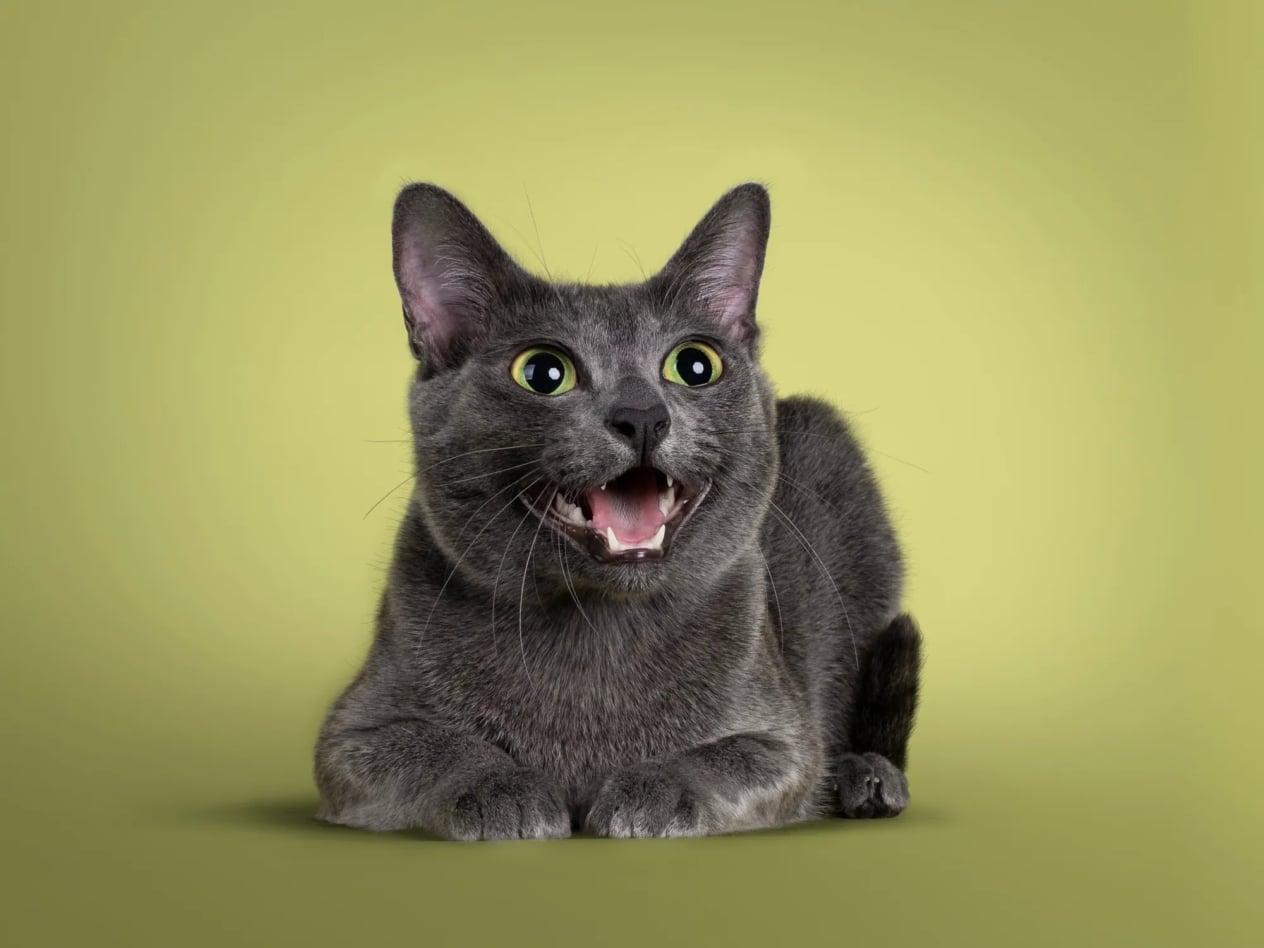
Mean cat breeds can be tricky to handle. They need patience and care every day. Not all cats act mean all the time. Sometimes, their behavior changes with love and attention. Understanding their needs helps build trust and friendship. Choose a cat that fits your lifestyle well.
Remember, every cat has a unique personality. Treat them kindly and give them space. A little effort brings a happy, calm pet. Caring for these cats can be very rewarding.
