

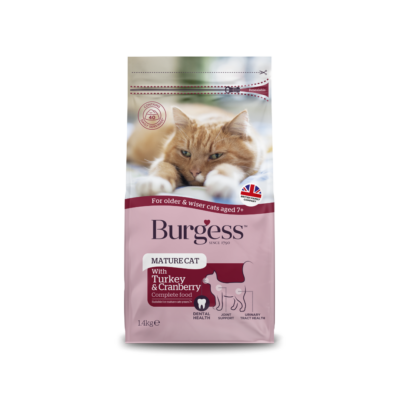
If you have a cat that’s no longer a kitten but still full of life, you know how important it is to keep them healthy and happy. Choosing the right food for your mature cat can make all the difference in their energy, comfort, and overall well-being.
You might wonder what makes mature cat food special and why it matters for your furry friend. This article will guide you through everything you need to know to give your cat the best nutrition as they age. Keep reading to discover how the right food can help your cat enjoy their golden years to the fullest.

Credit: www.amazon.ca
Nutritional Needs Of Senior Cats
Senior cats have unique dietary needs that differ from younger cats. Their bodies change, affecting how they digest and use nutrients. Feeding the right food helps keep them healthy and active. It supports their immune system, joints, and overall well-being. Understanding these needs ensures they get the best care through nutrition.
Changes In Metabolism
As cats age, their metabolism slows down. They burn fewer calories daily. This means older cats need less energy from food. Overfeeding can lead to weight gain and health problems. Feeding balanced meals with the right calorie content is important. It helps maintain a healthy weight and muscle tone.
Protein And Fat Requirements
Senior cats need high-quality protein to support muscle mass. Their ability to digest protein may decline with age. Protein helps repair tissues and supports a strong immune system. Fat provides essential energy and supports skin and coat health. The right balance of fat and protein keeps senior cats energetic and healthy.
Vitamins And Minerals
Vitamins and minerals play key roles in aging cats’ health. Vitamin E and C help fight cell damage. Calcium and phosphorus support bone strength. Taurine is vital for heart and eye health. A diet rich in these nutrients supports overall vitality and longevity.

Credit: www.walmart.ca
Key Ingredients In Mature Cat Food
Choosing the right food for mature cats means focusing on key ingredients. These ingredients support aging bodies and keep cats healthy. Mature cat food often has unique nutrients that help with energy, digestion, and joint care.
Understanding these ingredients helps pet owners pick the best food. Each ingredient plays a special role in a cat’s health. Here are the most important ones found in mature cat food.
High-quality Proteins
Protein is vital for muscle maintenance and repair. Mature cats need protein that is easy to digest. Sources like chicken, fish, and turkey provide essential amino acids. These proteins help keep cats strong and active.
Essential Fatty Acids
Fatty acids such as Omega-3 and Omega-6 support skin and coat health. They also reduce inflammation and promote brain function. Fish oil and flaxseed are common sources of these fats in cat food.
Fiber For Digestion
Fiber aids in healthy digestion and prevents constipation. Ingredients like beet pulp and pumpkin add natural fiber. Fiber also helps maintain a healthy weight by making cats feel full.
Antioxidants And Supplements
Antioxidants protect cells from damage and support the immune system. Vitamins E and C are powerful antioxidants found in mature cat food. Supplements like glucosamine and chondroitin help joint health and mobility.
Benefits Of Specialized Senior Cat Diets
Specialized diets for senior cats offer many health benefits. These diets meet the unique needs of older cats. They help maintain vitality and improve quality of life. Tailored nutrition supports aging bodies gently and effectively.
Weight Management
Senior cats often become less active and gain weight easily. Specialized diets help control calories while providing nutrients. Balanced protein and fiber keep muscles strong and digestion smooth. Maintaining a healthy weight reduces risks of diabetes and heart problems.
Joint Health Support
Older cats may face joint pain and stiffness. Diets with added omega-3 fatty acids and glucosamine ease inflammation. These nutrients support cartilage and joint repair. Improved joint health helps cats stay mobile and comfortable.
Kidney And Urinary Care
Kidney function declines with age in many cats. Special diets reduce protein and phosphorus to protect kidneys. Controlled mineral levels prevent urinary tract issues. Proper hydration and kidney support extend a cat’s lifespan.
Cognitive Function
Aging cats can experience memory and focus problems. Diets enriched with antioxidants and vitamins support brain health. Nutrients like taurine and DHA promote sharpness and alertness. Feeding brain-friendly food helps maintain mental clarity.
Choosing The Right Mature Cat Food
Selecting food for a mature cat needs care and thought. Older cats have different nutritional needs than younger cats. Their metabolism slows down, and their bodies need more support to stay healthy. The right food helps maintain energy, supports joints, and keeps their coat shiny.
Understanding what to look for in mature cat food helps you make better choices. This section breaks down key points to consider when choosing the right food for your senior feline friend.
Reading Labels
Check the ingredient list carefully. Look for high-quality protein sources like chicken, fish, or turkey. Avoid foods with too many fillers such as corn or wheat. Ingredients should be easy to understand. The label should mention essential nutrients like taurine, omega fatty acids, and vitamins.
Pay attention to the guaranteed analysis on the package. It shows protein, fat, and fiber levels. Mature cats usually need less fat but enough protein to maintain muscle. Fiber helps with digestion and can prevent constipation in older cats.
Wet Vs. Dry Food
Wet food contains more moisture. It helps keep older cats hydrated, especially those who drink less water. Wet food is often softer and easier to chew for cats with dental problems.
Dry food is convenient and can help keep teeth clean. It also lasts longer once opened. Some owners mix wet and dry food to offer variety and balance. Choose based on your cat’s preferences and health needs.
Consulting Your Veterinarian
Your vet knows your cat’s health history. They can recommend the best food based on medical conditions. Some mature cats need special diets for kidney health, weight control, or allergies.
Regular check-ups help adjust food choices as your cat ages. Always ask your vet before changing your cat’s diet. This ensures your cat gets the right nutrition at every life stage.
Feeding Tips For Senior Cats
Feeding your senior cat requires more attention than just choosing the right food. As cats age, their dietary needs and eating habits change. Paying close attention to how, when, and what you feed your mature cat can greatly improve their quality of life.
Meal Frequency And Portion Control
Older cats often have slower metabolisms and may not need as many calories as they did when younger. Instead of one or two large meals, try offering smaller, more frequent meals throughout the day. This helps maintain steady energy levels and prevents overeating.
Portion control is key. Overfeeding can lead to obesity, which puts extra strain on joints and organs. Use a kitchen scale or measuring cup to keep portions consistent. Have you noticed if your cat finishes their food or leaves some behind? This can guide you in adjusting meal sizes.
Hydration Importance
Senior cats tend to drink less water, which increases their risk for kidney problems and urinary tract issues. Wet food is an excellent way to boost their water intake without forcing them to drink more.
Make sure fresh water is always available and try placing multiple water bowls in different spots around your home. Some cats prefer running water, so a cat water fountain might encourage more drinking. Have you tried changing your cat’s water source to see if it drinks more?
Monitoring Health And Appetite
Changes in your cat’s appetite or eating habits can signal health problems. Keep a daily log of how much your cat eats and any changes you notice in their behavior or weight.
If your cat suddenly eats less or refuses food, don’t wait to consult your vet. Early detection of issues like dental pain or digestive problems can make a big difference. Have you observed any subtle signs that your senior cat might not be feeling well?
Credit: www.petsmart.ca
Frequently Asked Questions
What Age Is Considered Mature For Cats?
Mature cats are usually aged 7 years and older. At this stage, their metabolism slows down. Nutritional needs change, requiring special diet adjustments. Mature cat food supports joint health and digestion. It also helps maintain a healthy weight and energy level.
Why Choose Specialized Mature Cat Food?
Specialized mature cat food contains balanced nutrients tailored to older cats. It supports aging joints, digestion, and immune function. The formula often has lower calories to prevent obesity. It also includes antioxidants and vitamins for overall health. This food helps extend your cat’s active, healthy years.
What Ingredients Are Best In Mature Cat Food?
Look for high-quality protein sources like chicken or fish. Ingredients rich in antioxidants such as vitamins E and C are beneficial. Omega-3 fatty acids support joint and heart health. Fiber aids digestion and weight control. Avoid artificial additives, fillers, and excessive carbohydrates.
How Often Should Mature Cats Be Fed Daily?
Mature cats benefit from multiple small meals daily, usually 2 to 4 times. This helps maintain steady energy levels and prevents overeating. Feeding smaller portions supports digestion and weight management. Consistency in feeding times also helps maintain routine and comfort.
Conclusion
Choosing the right food helps your mature cat stay healthy and happy. Older cats need gentle care and proper nutrition every day. Feeding them balanced meals supports their joints, teeth, and energy. Watch for signs of discomfort or changes in appetite.
Regular vet visits keep your cat’s health on track. Simple steps make a big difference in their life. Give your cat the comfort they deserve with thoughtful feeding. Healthy meals mean a longer, more joyful time together. Caring for your mature cat feels rewarding and wise.
