

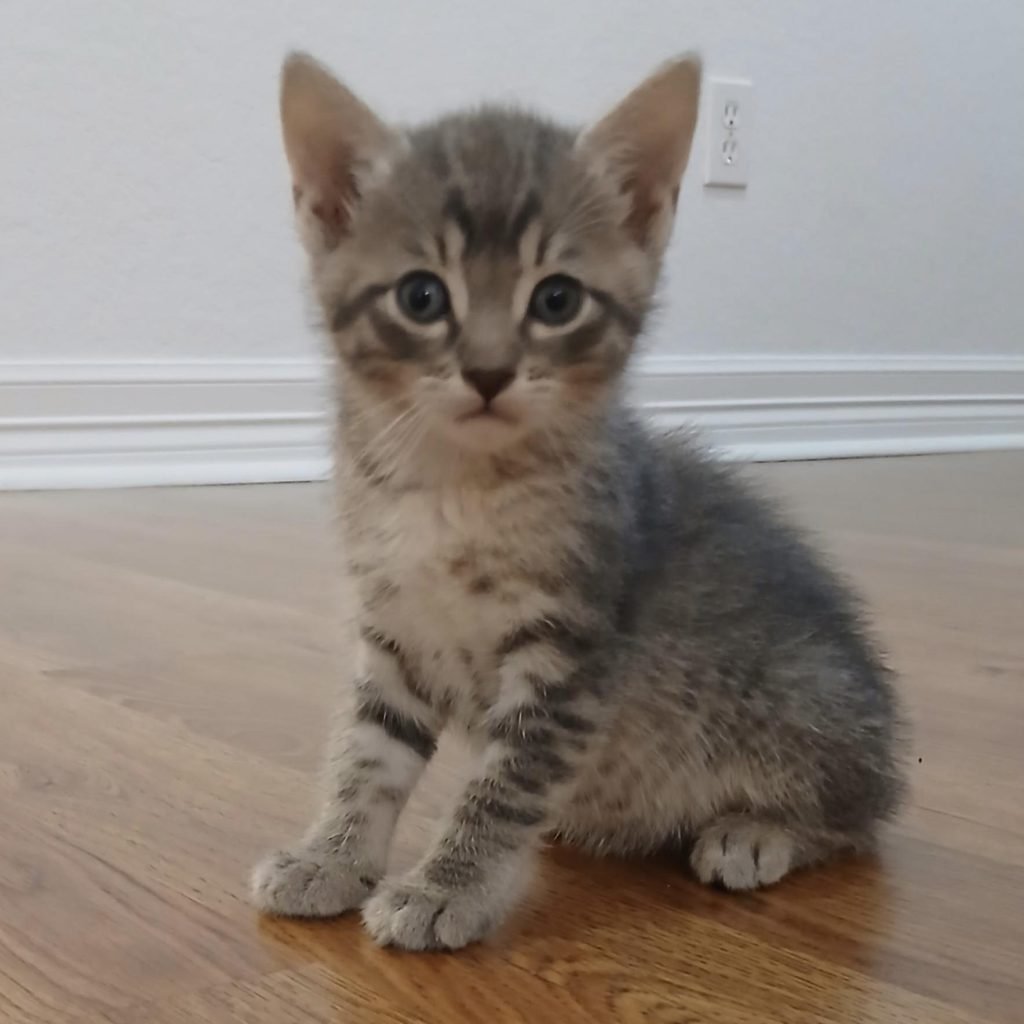
Are you looking for a unique, loving pet to welcome into your home? Manx cats might be exactly what you need.
Known for their playful nature and distinctive tailless appearance, these cats bring joy and companionship like no other. If you’ve ever wondered what makes Manx cats so special, or how you can adopt one, this article is made for you.
Keep reading to discover everything you need to know about Manx cats for adoption and how to find your perfect feline friend.
Credit: www.chewy.com
Manx Cat Origins
Manx cats are famous for their unique look and rich history. Their origins trace back to the Isle of Man, a small island in the Irish Sea. These cats have fascinated people for centuries. They are well-known for their tailless bodies and strong hunting skills. Understanding their origins helps appreciate their special traits and charm.
History And Heritage
The Manx cat’s story begins on the Isle of Man. This island is isolated, which helped the breed develop unique features. Legends say these cats lost their tails by chance or accident long ago. The breed became popular in the 19th century. People admired them for their loyalty and bold nature. Manx cats were once used to catch mice on farms. Their heritage is deeply tied to the island’s culture and folklore.
Unique Physical Traits
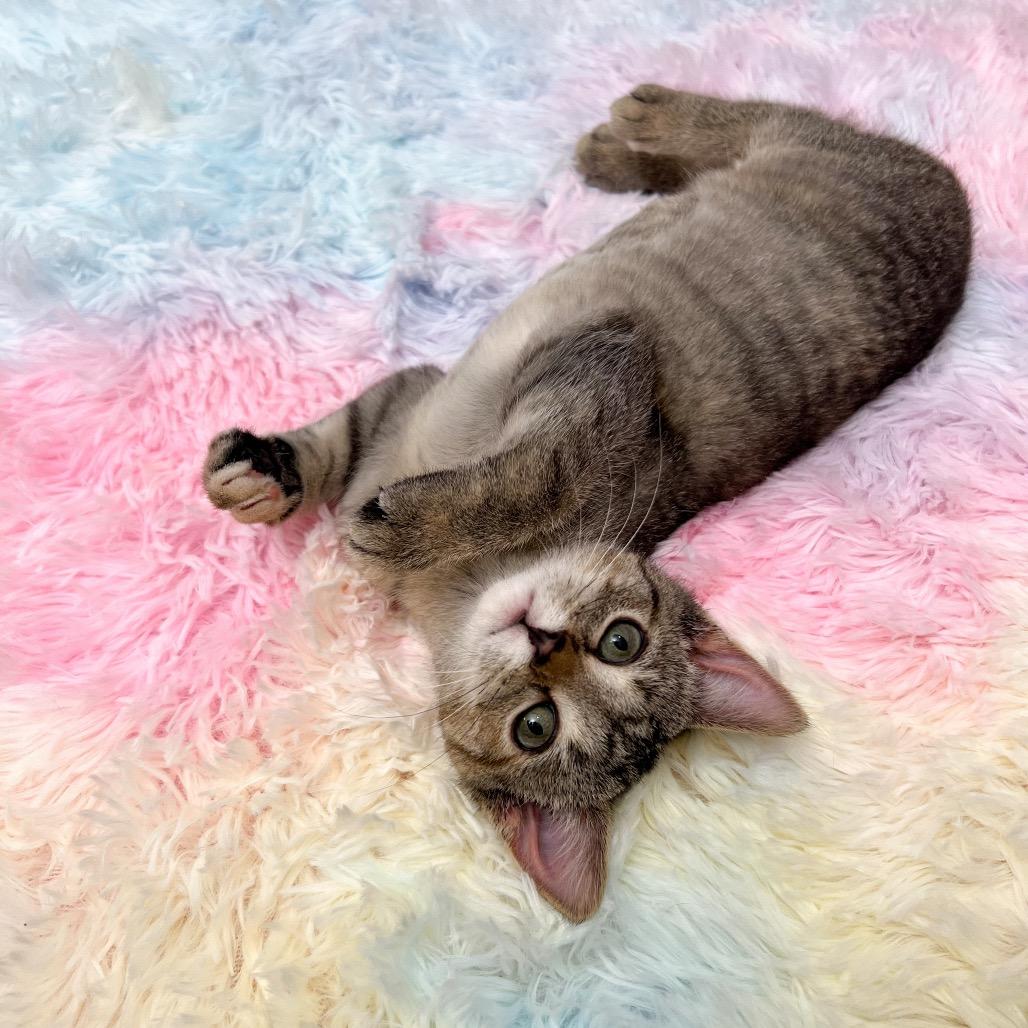
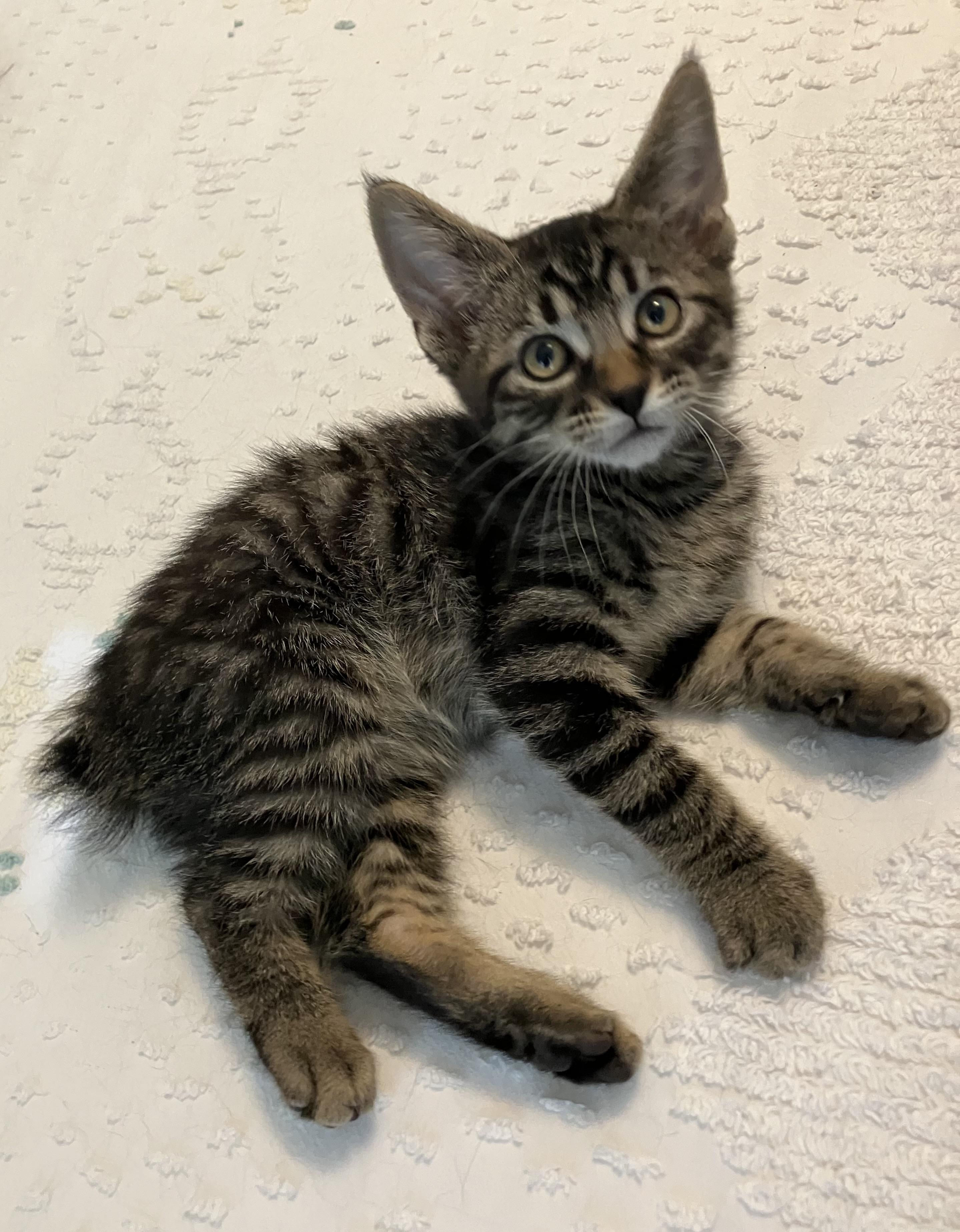
Manx cats are best known for their short or missing tails. Some have a full tail, but many have a stub or none at all. This trait is caused by a natural genetic mutation. Their bodies are round with strong hind legs. This gives them a distinctive hopping walk. Their thick fur can be short or long. Manx cats have large eyes and ears. Their unique shape and tail set them apart from other cats.
Credit: www.petfinder.com
Manx Personality Traits
The Manx cat is unlike any other breed, not just because of its unique tailless appearance but also due to its distinct personality traits. Understanding these traits can help you decide if a Manx is the right fit for your home. Their behavior and social habits often surprise new owners, revealing a depth of character beyond their adorable looks.
Temperament And Behavior
Manx cats are known for being both playful and calm. They enjoy chasing toys and climbing but also appreciate quiet moments by your side. This balance makes them ideal companions for people who want an active yet relaxed pet.
You might notice how a Manx quickly learns new games or tricks. Their intelligence shows in the way they solve puzzles or open doors. This cleverness means they need mental stimulation to stay happy.
Have you ever had a cat that seems to understand your mood? Manx cats often respond to your emotions with gentle purring or nuzzles, making them excellent emotional support pets.
Social Interaction
Manx cats tend to be very social with both humans and other pets. They often form strong bonds with their owners and enjoy being part of family activities. This breed rarely prefers solitude, instead seeking attention and interaction.
If you have children or other animals, a Manx can be a great addition. Their friendly nature allows them to adapt well to busy households. However, they do appreciate having their own space to retreat when needed.
When introducing a Manx to your home, consider how you will engage with them daily. Regular playtime and gentle affection go a long way in building trust. How do you plan to include your new pet in your daily routine?
Health Considerations
Owning a Manx cat is a rewarding experience, but it comes with unique health considerations you should know about. These cats have distinct genetic traits that can affect their wellbeing. Knowing what to watch for and how to care for them can help you keep your feline friend happy and healthy for years.
Common Health Issues
Manx cats are known for their taillessness, but this trait can lead to specific health challenges. One well-known condition is Manx Syndrome, which affects the spine and nervous system. It can cause problems with walking, bowel control, and bladder function.
Another issue to watch for is hip dysplasia, which can cause discomfort and mobility problems. Regular vet check-ups can help spot these issues early. You might notice your cat struggling to jump or showing signs of pain; these are signals to get professional advice.
Care Tips For Longevity
Keeping a Manx cat healthy means paying close attention to their diet and exercise. A balanced diet rich in protein supports muscle health and energy levels. Avoid overfeeding to prevent obesity, which can worsen joint problems.
Daily playtime helps maintain muscle tone and keeps your cat mentally stimulated. Gentle massages around the back can also ease tension, especially if your cat shows signs of discomfort. Have you noticed how your Manx reacts after a good stretch? Use those moments to check for stiffness or tenderness.
Regular veterinary visits are crucial, not just for vaccinations but for monitoring those specific health risks. Discussing your cat’s unique needs with your vet can help tailor a care plan just for them. How proactive are you about spotting subtle changes in your cat’s behavior or movement?
Adoption Process
Adopting a Manx cat is a rewarding journey that brings joy and companionship. Understanding the adoption process helps ensure a smooth transition for both you and the cat. This section guides you through where to find Manx cats and what to expect during adoption.
Where To Find Manx Cats
Manx cats are unique and may not be available everywhere. Start by checking local animal shelters and rescue groups. Specialized breed rescues often have Manx cats waiting for homes. Online adoption platforms also list Manx cats from various locations. Visiting cat shows or breed clubs can connect you with breeders and adopters. Always choose responsible sources that care for the cats’ well-being.
What To Expect When Adopting
The adoption process usually begins with an application. Shelters or rescues ask questions about your lifestyle and experience. A home visit or interview may follow to ensure a safe environment. Adoption fees cover vaccinations, spaying/neutering, and health checks. After approval, you can bring your new Manx cat home. Prepare for an adjustment period as the cat settles in. Patience and gentle care help build trust and a strong bond.
Preparing Your Home
Preparing your home for a Manx cat is an exciting step. These unique cats have special needs due to their tailless or partially tailed bodies. Making sure your space is ready will help your new feline friend settle in quickly and comfortably.
Essential Supplies
Start by gathering the right supplies to meet your Manx cat’s needs. You’ll want a litter box that’s easy for them to access, especially since some Manx cats may have mobility quirks.
- Food and water bowls:Choose shallow, sturdy dishes to prevent spills.
- Litter box:A low-entry box helps if your cat has limited jumping ability.
- Scratching posts:Essential to keep their claws healthy and protect your furniture.
- Comfortable bedding:Look for soft, warm spots where they can curl up.
- Toys and enrichment:Interactive toys stimulate their curious minds and keep them active.
I once noticed my Manx cat preferred a cozy nook over a fancy cat bed. Paying attention to their preferences helps you create a more welcoming space.
Creating A Safe Environment
Safety is key for Manx cats, especially since their spine differences can make them more prone to injuries. Remove any sharp objects or items that might cause falls.
- Secure windows and balconies to prevent accidents.
- Keep cords and small objects out of reach to avoid choking hazards.
- Use ramps or steps for furniture access if jumping is difficult.
Think about your cat’s daily routes around the house. Can they move easily without risking injury? Adjusting your space might include rearranging furniture or adding soft rugs for better traction.
Are you ready to make your home both welcoming and safe? Small changes can make a big difference in your Manx cat’s happiness and health.
Credit: www.petfinder.com
Caring For Your Manx
Caring for your Manx cat means understanding its unique needs. This breed has a playful spirit and a strong body. Proper care helps your Manx live a happy, healthy life. Focus on feeding, grooming, and health checks. These basics keep your cat comfortable and active.
Feeding And Nutrition
Manx cats need balanced meals to stay strong. Choose high-quality cat food with real meat. Protein helps build muscles and supports energy. Avoid foods with too many fillers or artificial ingredients.
Feed your Manx twice a day in small portions. Fresh water should always be available. Treats are okay but keep them limited. Watch your cat’s weight to prevent obesity. Obese cats can face health problems like joint pain.
Grooming Needs
Manx cats have short to medium fur that is easy to maintain. Brush their coat once or twice a week. This removes loose hair and reduces shedding. Grooming also helps you check for skin problems or fleas.
Trim your Manx’s nails regularly to avoid scratches. Clean their ears and eyes gently with a soft cloth. Bathing is rarely needed unless your cat gets very dirty. Regular grooming keeps your Manx looking neat and feeling good.
Bonding With Your Cat
Bonding with your Manx cat is a rewarding experience that builds a lifelong connection. These unique cats have a special charm that thrives on trust and interaction. Spending time and attention on your new feline friend helps them feel secure and loved.
Building Trust
Start by letting your Manx approach you at their own pace. Avoid sudden movements or loud noises that might scare them away. Sit quietly and offer a gentle hand for sniffing—this simple gesture invites curiosity and comfort.
Consistency is key. Feed your cat at regular times and use a calm voice when you speak to them. Over time, your cat will begin to recognize you as a safe presence in their world.
Have you noticed how some cats prefer head scratches while others like gentle ear rubs? Pay attention to your Manx’s preferences and respect their boundaries. Trust grows when you honor their signals.
Play And Enrichment
Engaging your Manx in play not only entertains them but also strengthens your bond. Use toys that mimic prey, like feather wands or laser pointers, to spark their natural hunting instincts.
Rotate toys regularly to keep their interest alive. You can also create simple DIY puzzles, such as hiding treats inside cardboard boxes, to challenge their intelligence and curiosity.
Ask yourself: what kind of play does your cat enjoy most? Some Manx cats love interactive sessions, while others prefer solo play with balls or soft toys. Tailoring activities to your cat’s personality keeps your time together exciting and meaningful.
Frequently Asked Questions
What Makes Manx Cats Unique For Adoption?
Manx cats are unique due to their taillessness and strong hind legs. They have a playful, affectionate nature. Their distinct look and loving personality make them popular pets.
Are Manx Cats Good With Children And Pets?
Yes, Manx cats are friendly and social. They generally get along well with children and other pets. Their gentle temperament makes them great family companions.
How Much Care Do Manx Cats Require?
Manx cats need moderate grooming, especially regular brushing. They require a balanced diet and daily playtime. Regular vet visits ensure their health and happiness.
Where Can I Find Manx Cats For Adoption?
You can find Manx cats through breed-specific rescues, animal shelters, or adoption websites. Check local animal rescue groups for available Manx cats near you.
Conclusion
Manx cats make delightful companions. Their playful nature charms everyone. Adopting a Manx brings joy and warmth to your home. They offer unique personality traits. A perfect choice for cat lovers seeking something different. Visit local shelters or rescue groups to find your Manx friend.
You’ll gain a loyal, furry family member. Remember, adopting saves lives and provides love. Giving a Manx cat a home is rewarding. Their affection will brighten your days. Ready to welcome a Manx? Your new friend awaits!
