

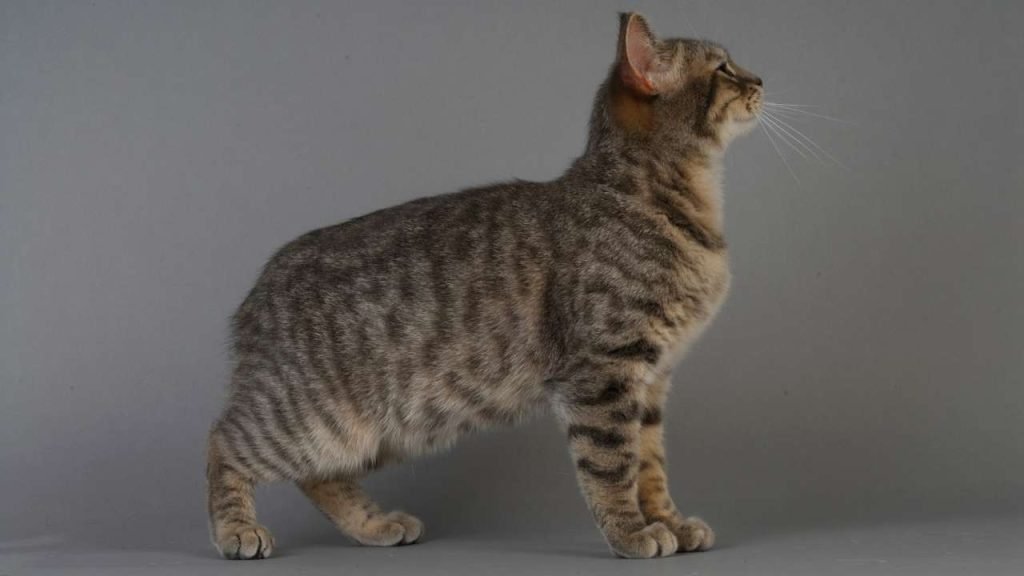
If you have a Manx cat or are thinking about bringing one into your home, understanding their health is crucial for keeping your furry friend happy and safe. Manx cats are unique and charming, but they come with specific health challenges that you need to know about.
By learning what these problems are, you can spot warning signs early and give your cat the care they deserve. Keep reading to discover the key health issues affecting Manx cats and how you can protect your beloved pet.

Credit: petcareshed.com.au
Common Genetic Issues
The Manx cat is famous for its unique appearance, especially its lack of a tail. But this distinct feature comes with certain genetic challenges that you should be aware of if you own or plan to own one. Understanding these common genetic issues can help you spot problems early and ensure your pet stays healthy and happy.
Spinal Defects
One of the most serious genetic issues in Manx cats involves spinal defects. Because their tail gene affects spine development, some cats are born with problems like spina bifida or other malformations.
These defects can cause symptoms such as difficulty walking, incontinence, or even paralysis. If you notice your cat struggling to move or showing unusual behavior, it’s important to get a vet’s evaluation right away.
Have you seen a Manx cat with a wobbly gait or unusual posture? That could be a sign of a spinal defect linked to their genetic makeup.
Tail-related Conditions
The Manx’s distinctive tail—or lack of one—is a genetic trait, but it can lead to complications. Some cats are born with a partial tail, while others have none at all, and both situations can cause health problems.
Issues like a painful spinal knot or cyst may develop where the tail should be. These can require medical attention and sometimes surgery.
When you’re choosing a Manx kitten, ask the breeder about the tail type and any history of tail-related health issues. This can help you avoid some of the common pitfalls and prepare for what to watch out for.
Digestive Health Concerns
The digestive health of your Manx cat is an essential aspect to watch closely. Due to their unique genetic makeup, these cats may face specific challenges that affect their digestive system. Understanding these concerns helps you provide the best care and avoid discomfort or serious issues.
Dietary Sensitivities
Many Manx cats have sensitive stomachs that react poorly to certain foods. You might notice symptoms like vomiting, diarrhea, or excessive gas after feeding specific meals. Identifying and avoiding these trigger foods is crucial.
Common culprits include:
- Dairy products
- Grains such as corn or wheat
- Artificial additives and preservatives
Have you observed your cat reacting to any particular food? Keeping a food diary can help spot patterns and guide your feeding choices. Opt for high-quality, grain-free cat food tailored for sensitive digestion to keep your Manx comfortable.
Gastrointestinal Disorders
Manx cats are prone to certain gastrointestinal disorders linked to their spine and nerve development. This can lead to problems like constipation or megacolon, where the colon becomes enlarged and loses function.
Watch for signs such as:
- Straining during bowel movements
- Infrequent or hard stools
- Abdominal discomfort or bloating
Early intervention can prevent worsening symptoms. Regular vet check-ups and prompt attention to changes in bowel habits make a significant difference. Could subtle changes in your cat’s bathroom routine signal a deeper issue?
Joint And Mobility Challenges
Joint and mobility challenges are common concerns for Manx cats due to their unique skeletal structure. Their naturally short or absent tails can sometimes affect their balance and movement, making it important to watch for any signs of discomfort or stiffness. Understanding these issues can help you support your cat’s well-being and keep them active for longer.
Arthritis Risks
Manx cats have a higher chance of developing arthritis because of the extra stress on their spine and joints. This condition causes pain and stiffness, which can make your cat less playful or reluctant to jump.
If you notice your Manx slowing down or having trouble climbing, it might be arthritis. Early check-ups with your vet can catch these problems before they worsen.
- Look for limping or favoring one leg.
- Watch for difficulty in jumping on furniture.
- Notice changes in grooming habits due to pain.
Exercise And Movement
Keeping your Manx active is essential, but you should tailor their exercise to avoid joint strain. Gentle play sessions and short bursts of movement work better than long, intense activities.
Try using toys that encourage stretching and light running, like feather wands or laser pointers. You might be surprised how much your cat enjoys these simple games without overexerting themselves.
Have you checked if your home environment supports easy movement? Providing ramps or low platforms helps your Manx navigate without jumping too high, which can protect their joints.

Credit: www.petsradar.com
Respiratory Problems
Manx cats can face certain respiratory problems due to their unique body structure. These issues might affect their breathing and overall health. Recognizing respiratory problems early helps keep your cat comfortable and healthy.
Common Respiratory Infections
Manx cats often catch respiratory infections similar to other cats. These infections affect the nose, throat, and lungs. Symptoms include:
- Sneezing
- Coughing
- Runny nose
- Watery eyes
- Difficulty breathing
Upper respiratory infections are the most common. They spread quickly in places where many cats live. Viruses and bacteria cause these infections. Sometimes, more serious infections like pneumonia can develop.
Preventive Measures
Good care helps reduce respiratory problems in Manx cats. Keep their living area clean and dry. Avoid exposing cats to cold drafts or smoke. Regular vet check-ups catch infections early.
- Vaccinate your cat against common viruses
- Keep your cat indoors to limit exposure
- Ensure proper nutrition to boost immunity
- Maintain clean water and food bowls
- Isolate sick cats to prevent spread
Prompt treatment of any symptoms is essential. Early care prevents complications and speeds recovery.
Skin And Coat Issues
The Manx cat’s unique coat and skin need special care to stay healthy. Their dense fur protects them but can also hide skin problems. Skin and coat issues may cause discomfort and affect their overall health. Understanding common problems helps in early detection and treatment.
Allergies And Irritations
Manx cats can suffer from allergies that cause itchy skin and redness. Common allergens include pollen, dust, and certain foods. Irritations may also result from flea bites or harsh grooming products. Watch for signs like excessive scratching, hair loss, or scabs. Persistent problems require a vet visit to find the cause and proper treatment.
Grooming Tips
Regular grooming keeps the Manx cat’s coat shiny and healthy. Brush their fur at least twice a week to remove loose hair and dirt. Use a soft brush to avoid skin damage. Check the skin for bumps or dry patches during grooming. Bathing is rarely needed but can help if the coat gets very dirty. Keep nails trimmed to prevent scratching injuries.

Credit: felinefancy.co.uk
Regular Health Screening
Regular health screening is essential for keeping your Manx cat happy and thriving. This breed has unique health challenges, so early detection through consistent check-ups can make a huge difference. Staying proactive helps catch issues before they become serious.
Veterinary Check-ups
Scheduling regular visits to the vet allows you to monitor your Manx cat’s overall health closely. During these visits, the vet will examine your cat’s spine and tail area, which are prone to abnormalities in this breed. You can ask your vet to check for signs of spinal problems or arthritis, common concerns in Manx cats.
Don’t wait for symptoms to appear. Even if your cat seems fine, subtle changes might go unnoticed without professional evaluation. Regular check-ups give you peace of mind and help maintain your cat’s quality of life.
Genetic Testing
Genetic testing can identify inherited conditions that often affect Manx cats. These tests reveal risks for disorders like spina bifida or other spinal malformations linked to the Manx gene. Knowing your cat’s genetic makeup helps you prepare and manage potential health problems early.
Have you considered genetic testing for your cat? It may sound technical, but many vets now recommend it as part of a comprehensive health plan. This insight empowers you to tailor care specifically for your Manx’s needs, preventing surprises down the road.
Nutrition For Longevity
Nutrition plays a crucial role in extending the life and enhancing the well-being of your Manx cat. Feeding your feline friend the right foods helps prevent common health problems and keeps their unique body strong. How much attention do you give to your Manx cat’s daily diet and supplements?
Balanced Diet
Providing a balanced diet tailored to the Manx cat’s needs is essential. These cats benefit from high-quality protein sources such as chicken, turkey, or fish to support their muscular build and energy levels.
Include moderate amounts of fats and essential fatty acids to maintain a shiny coat and healthy skin. Avoid fillers like corn and wheat, which offer little nutritional value and can cause allergies or digestive issues.
Try to feed your cat small meals throughout the day instead of one large meal. This keeps their metabolism steady and prevents obesity, a common risk for Manx cats due to their shorter tail and unique spine.
Supplements And Vitamins
Supplements can boost your Manx cat’s health, but it’s important to choose them wisely. Omega-3 fatty acids help reduce inflammation and support joint health, especially since Manx cats are prone to spinal problems.
Adding probiotics to their diet can improve digestion and strengthen the immune system. Vitamins like A, E, and B-complex promote eye health, skin condition, and energy production.
Always consult your vet before adding supplements. Over-supplementing can cause harm instead of good. Have you considered which vitamins your Manx truly needs?
Creating A Safe Environment
Creating a safe environment is vital for the health of a Manx cat. This breed has unique needs due to its physical traits and genetic background. A secure home reduces the risk of injuries and health issues. It also helps keep your cat calm and happy. Thoughtful care leads to a longer, healthier life for your Manx.
Home Safety
Manx cats have a strong back and tail variations that need extra caution. Sharp edges and small spaces can cause harm. Remove or cover objects that might injure your cat. Check for gaps where your pet could get stuck or fall. Use secure screens on windows and balconies. Keep harmful plants and chemicals out of reach. Provide soft bedding to protect their spine and joints.
Stress Reduction
Stress can worsen health problems in Manx cats. Maintain a calm, quiet environment for your pet. Create a routine with regular feeding and playtimes. Offer hiding places where your cat feels safe. Avoid sudden loud noises and changes in the home. Spend time interacting gently to build trust. Use calming sprays or diffusers designed for cats if needed.
Frequently Asked Questions
What Are Common Health Issues In Manx Cats?
Manx cats often face spinal problems due to their tail mutation. They may also suffer from hip dysplasia and arthritis. Regular vet check-ups help detect these issues early. Proper care and a balanced diet can improve their quality of life significantly.
How Does Manx Syndrome Affect Manx Cats?
Manx syndrome is a genetic disorder linked to Manx cats’ short tails. It causes spinal defects and nerve problems. Symptoms include difficulty walking and incontinence. Early diagnosis and veterinary care are essential to manage this condition effectively.
Can Manx Cats Develop Joint Problems?
Yes, Manx cats are prone to joint issues like arthritis and hip dysplasia. These problems stem from their unique bone structure. Providing joint supplements and maintaining a healthy weight can reduce discomfort and improve mobility.
How To Prevent Health Problems In Manx Cats?
Regular veterinary visits and genetic screening are key to prevention. Maintain a nutritious diet and provide regular exercise. Early detection of any symptoms ensures better treatment outcomes. Responsible breeding also minimizes inherited health risks.
Conclusion
Manx cats have unique health risks to watch for. Regular vet visits help catch problems early. Careful breeding reduces the chance of genetic issues. Owners should learn signs of common health problems. A healthy diet and exercise support their well-being.
Understanding these concerns keeps Manx cats happy and safe. Taking good care makes a big difference. Love and attention help them thrive every day.
