

Are you puzzled by your male cat’s quirky antics? Whether it’s the inexplicable midnight zoomies, the mysterious tail twitches, or the sudden bouts of affection, male cats often leave their owners scratching their heads.
Understanding male cat behavior is like unlocking the secrets to a whole new world. Imagine knowing exactly why your furry friend does what he does. This knowledge not only deepens your bond but also makes life easier for both of you.
By the end of this article, you’ll have a clear insight into the fascinating behaviors of your male feline companion, allowing you to foster a happier and healthier relationship. So, are you ready to decode your cat’s mysterious ways? Read on to discover the intriguing world of male cat behavior!
Credit: www.kinship.com
Physical Traits Of Male Cats
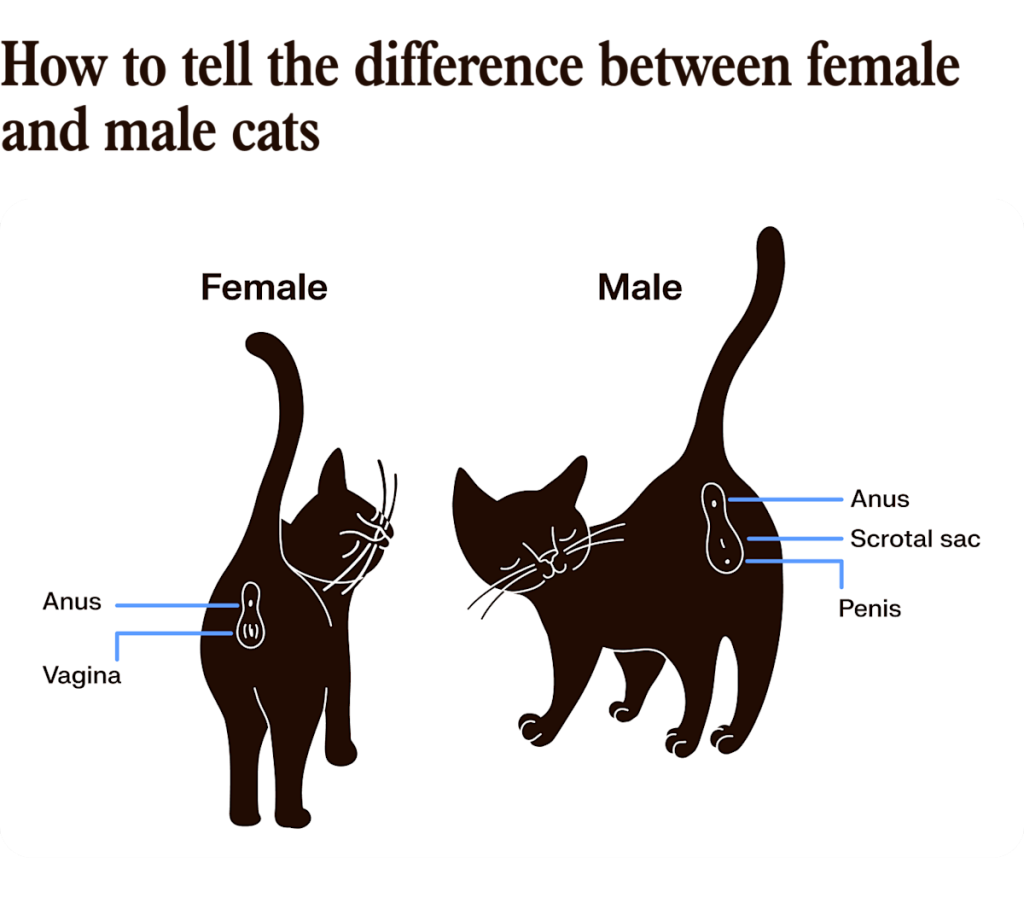
Male cats have unique physical traits that often make them stand out. These traits can help identify their gender and sometimes hint at their behavior. Understanding these features gives insight into their nature and care needs.
Size And Build
Male cats generally grow larger than females. Their bodies are more muscular and robust. They have broader shoulders and a thicker neck. This solid build makes them appear strong and powerful. Weight varies but males usually weigh more than females.
Coat Patterns And Colors
Male cats show a wide range of coat patterns and colors. Some colors are more common in males due to genetics. For example, orange or ginger cats are often male. Coat patterns include solid, striped, spotted, and patched. These variations add to their charm and individuality.
Distinctive Features
Male cats often have larger heads with pronounced cheek pads. Their eyes tend to look more intense and expressive. The tail is usually thick and long. Male cats may develop a thicker fur ruff around the neck. These features highlight their masculinity and presence.
Credit: www.kinship.com
Territorial Instincts
Male cats have strong territorial instincts that shape much of their behavior. These instincts help them establish and protect their living space, which is crucial for their sense of security and survival. Understanding these behaviors can help you manage your cat’s actions and create a peaceful environment for both of you.
Marking And Scenting
Male cats use scent marking to claim their territory. They rub their cheeks or bodies against furniture, walls, and even people to leave their unique scent. This isn’t just a random habit—it’s a clear message to other cats that this area belongs to them.
You might notice your cat spraying urine on vertical surfaces. While it can be frustrating, this behavior is a natural way of marking boundaries. If your cat is spraying inside your home, providing more litter boxes or reducing stress can help minimize this behavior.
Territory Defense
Male cats can be quite protective of their territory. They might hiss, growl, or even fight with intruders, including other pets or unfamiliar animals. These defensive actions are driven by the need to keep their space safe and undisrupted.
Have you ever seen your cat suddenly freeze or stalk around the yard? That’s part of their territory defense, scanning for threats. You can help by ensuring your cat has a safe, secure space where they feel in control.
Roaming Behavior
Roaming is a common trait in male cats, especially those who are not neutered. They often travel long distances to patrol their territory or find mates. This can sometimes lead to risky situations like traffic or fights with other animals.
Keeping your male cat indoors or supervised outside can reduce these risks. If you allow roaming, consider a collar with an ID tag and regular check-ins. How far do you think your cat would roam if given the chance?
Social Interactions
Understanding your male cat’s social interactions can transform how you connect with him. These behaviors reveal his needs, moods, and boundaries. Let’s look closer at how he communicates with other cats, forms bonds with humans, and expresses himself through play and aggression.
Interactions With Other Cats
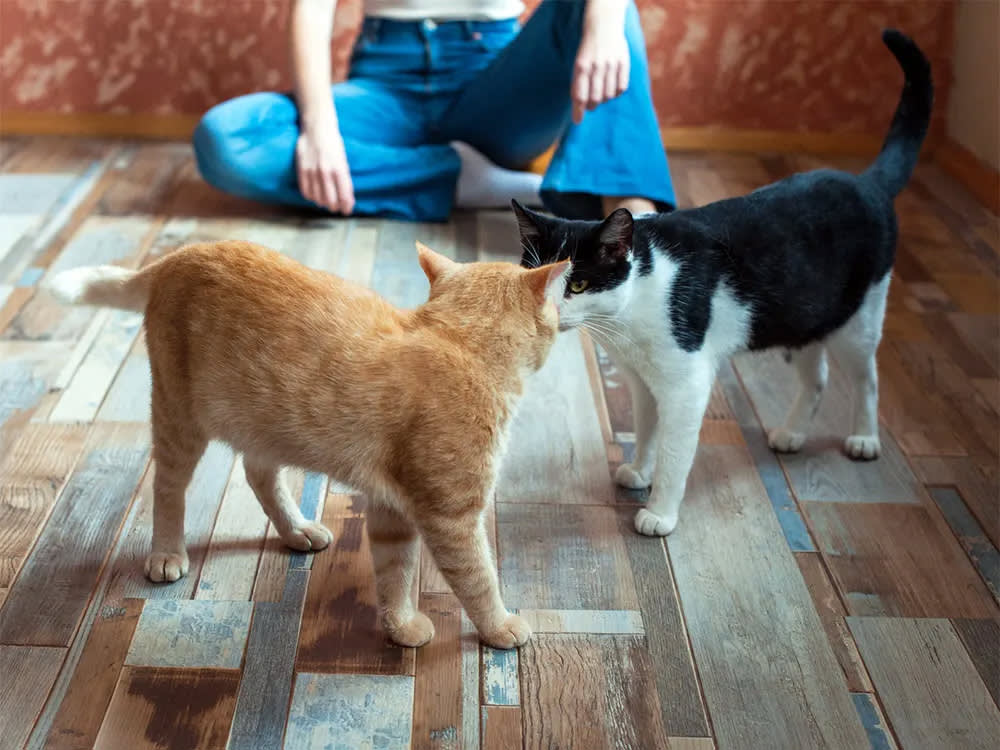
Male cats often have complex relationships with other felines. Some may be territorial, especially unneutered males, leading to occasional conflicts or displays of dominance. Yet, many male cats can coexist peacefully when introduced gradually and given enough space.
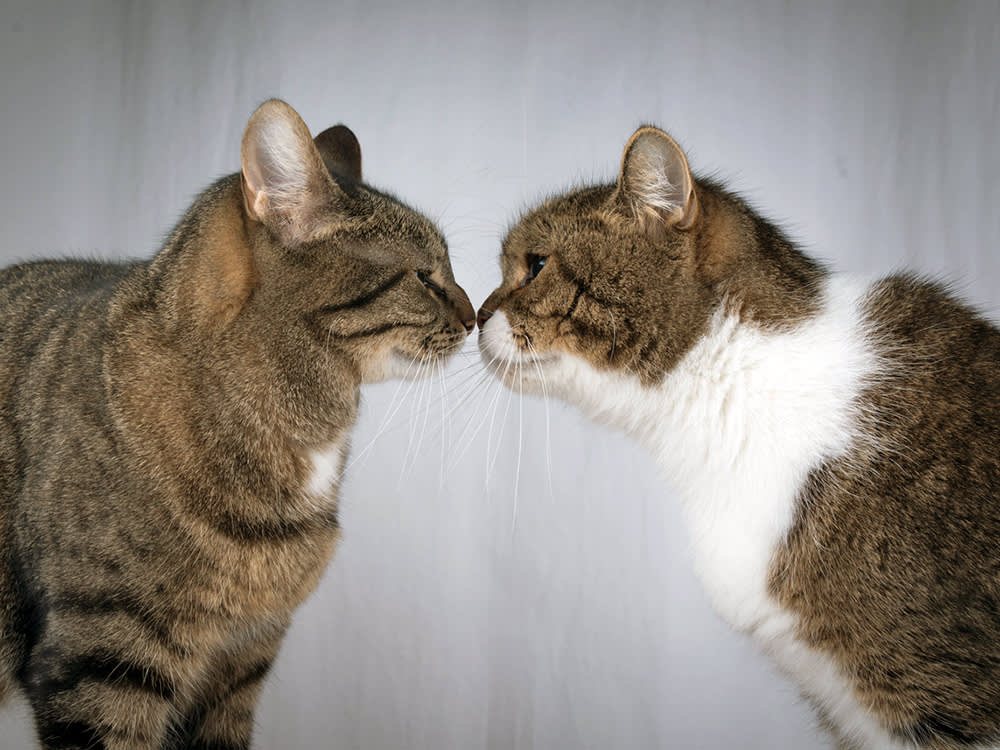
Have you noticed your cat rubbing against another cat or sharing the same resting spot? These are signs of social acceptance and trust. However, hissing or swatting signals discomfort and a need for distance. Observe these cues closely to help your cat build healthy relationships.
Bonding With Humans
Male cats often show affection in unique ways. Some may head-butt or purr loudly when near you, signaling comfort and attachment. Others express their trust by following you around or sleeping close to you.
Try offering gentle petting and talking softly to encourage your cat’s social side. You might be surprised how quickly he responds to your attention. Have you ever noticed a sudden change in his behavior when you spend quality time together?
Play And Aggression
Play is a vital part of a male cat’s social behavior, but it can sometimes blur into aggression. Rough play like chasing and pouncing is natural, especially in young or unneutered males. However, if biting or scratching becomes too intense, it’s important to set clear boundaries.
Use toys to redirect aggressive energy and avoid using your hands as play objects. Regular play sessions can reduce stress and prevent unwanted aggression. What strategies have you found effective in managing your cat’s playful bursts?
Vocalizations And Communication
Male cats use a variety of vocalizations and body signals to communicate their feelings and needs. Understanding these sounds and gestures can deepen your connection with your feline friend and help you respond appropriately to their messages. Have you noticed how your male cat’s voice changes depending on the situation?
Common Sounds
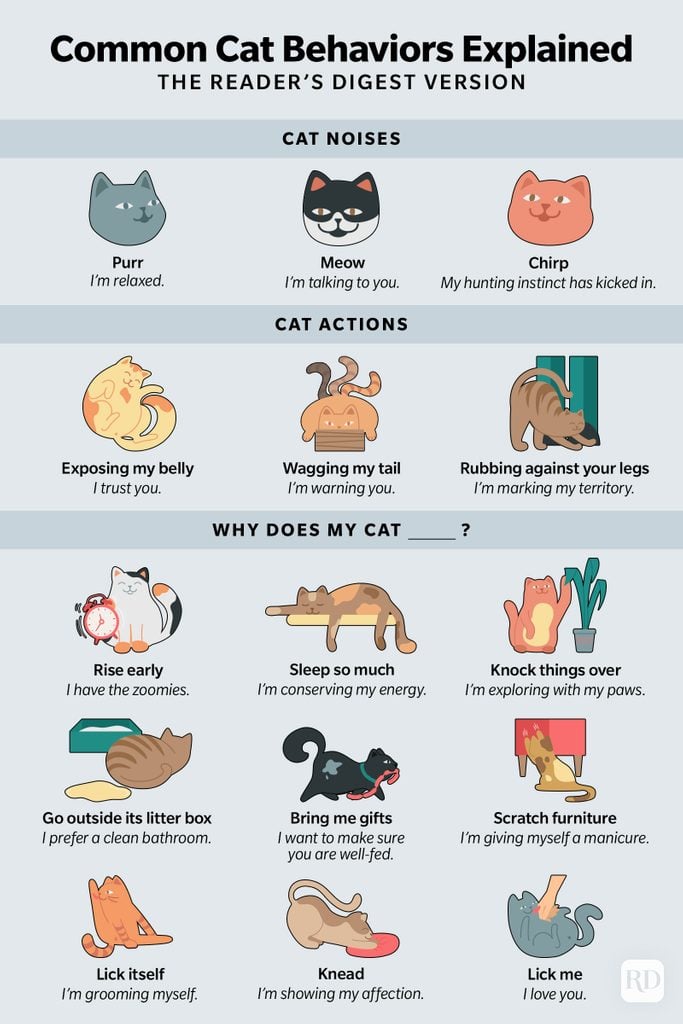
Male cats produce several distinct sounds, each serving a different purpose. The most familiar is the meow, often used to get your attention or express hunger. You might also hear purring, a sign of contentment or sometimes self-soothing when they are stressed.
Other sounds include:
- Chirps and trills:Usually friendly greetings or invitations to play.
- Hissing and growling:Clear warnings of fear or aggression.
- Yowling:Common during mating season or when a male feels threatened.
Meaning Behind Meows
Every meow your male cat makes tells a story. A short, soft meow often means “hello” or “I’m nearby.” A loud, persistent meow could indicate hunger or a need for attention.
Notice the pitch and length:
- High-pitched meows often express excitement or urgency.
- Lower-pitched meows may indicate annoyance or discomfort.
Next time your cat meows, try matching its tone or responding with words. You might find that your cat adjusts its vocalizations, creating a two-way conversation.
Body Language Signals
Vocalizations rarely stand alone; your cat’s body language complements their sounds. A tail held high usually shows confidence and friendliness. If your male cat’s ears are flat against his head while hissing, it’s a sign to give him space.
Look for these cues:
- Slow blinking:A sign of trust and affection.
- Tail twitching:Indicates excitement or slight irritation.
- Raised hackles:Shows fear or aggression.
Paying attention to both vocal and physical signals helps you understand your male cat’s true feelings. Have you ever missed these signs and misunderstood your cat’s mood?
Effects Of Neutering
Neutering your male cat can bring significant changes to his behavior and overall health. Understanding these effects helps you make informed decisions about his care. It also prepares you to support him through the adjustment period after surgery.
Behavioral Changes
Neutering often reduces aggressive tendencies in male cats. You might notice less fighting and fewer territorial disputes. This can make your cat calmer and more sociable around other pets.
Marking territory by spraying strong-smelling urine usually decreases or stops after neutering. This change can save your home from unpleasant odors and damage. However, some cats may continue this behavior, especially if neutered later in life.
Have you ever wondered why your cat suddenly seems less restless? Neutering lowers the drive to roam and seek out mates. This often keeps your cat safer by reducing the chance of outdoor accidents.
Health Benefits
Neutering lowers the risk of certain cancers, such as testicular cancer. It also reduces the chance of prostate problems, which can cause discomfort and illness. These benefits contribute to a longer, healthier life for your cat.
Moreover, neutered cats tend to have fewer infections related to mating behavior. This means fewer vet visits and less stress for both you and your pet. It’s a proactive step to protect your cat’s well-being.
Timing And Considerations
The ideal age for neutering is usually between 4 to 6 months. Neutering too early or too late can affect the benefits and recovery time. Discuss the best timing with your vet to match your cat’s needs.
Consider your cat’s personality and lifestyle before deciding. Indoor cats might have different risks compared to outdoor cats. You could also think about how neutering fits into your overall care plan.
What changes do you expect to see in your cat after neutering? Preparing yourself helps you notice subtle improvements and address any unexpected issues quickly.
Credit: www.rd.com
Common Habits And Routines
Understanding the common habits and routines of male cats can help you connect better with your feline friend. These behaviors are not just random actions but are rooted in instincts and daily needs. Observing these routines closely can reveal a lot about your cat’s health and happiness.
Hunting And Play
Male cats often display strong hunting instincts, even if they live indoors. You might notice your cat stalking toys or pouncing on shadows with intense focus. This play mimics real hunting, keeping their mind sharp and body active.
Try adding interactive toys like feather wands or laser pointers to your cat’s routine. These tools satisfy their need to chase and capture, reducing boredom and destructive behavior. Have you noticed how your cat’s mood improves after a good play session?
Sleeping Patterns
Male cats can sleep anywhere from 12 to 16 hours a day, often in short bursts. They choose cozy spots that feel safe, like a sunny windowsill or a soft blanket. Your cat’s sleeping pattern often adjusts to your schedule, showing a unique bond between you.
Pay attention if your cat suddenly changes sleep habits—it could signal stress or health issues. Offering a quiet, comfortable space encourages restful sleep. How does your cat’s sleep routine fit into your daily life?
Grooming Habits
Grooming is a crucial routine for male cats, helping them stay clean and regulate body temperature. You’ll see them licking their fur meticulously, sometimes focusing on specific areas like the face or tail. This habit also reduces stress and strengthens their sense of security.
If your cat grooms excessively or neglects grooming, it might indicate discomfort or illness. Regular grooming sessions with you can boost your bond and keep their coat healthy. Have you tried brushing your cat to complement their grooming routine?
Addressing Behavioral Issues
Dealing with behavioral issues in male cats can be challenging, but understanding the reasons behind these behaviors helps you manage them effectively. Each male cat is unique, and addressing concerns like spraying, aggression, or separation anxiety requires patience and tailored strategies. Your goal is to create a calm environment where your cat feels secure and understood.
Spraying And Marking Indoors
Spraying is a natural way for male cats to mark their territory, but it can be frustrating when it happens inside your home. Neutering your cat often reduces this behavior significantly, especially if done before the behavior starts. Clean any sprayed areas thoroughly with enzymatic cleaners to remove the scent, discouraging repeat marking.
You can also provide your cat with vertical spaces like cat trees or shelves to mark, redirecting the behavior to appropriate spots. Ask yourself: Is your cat feeling threatened by other animals outside? Minimizing those stressors can reduce spraying too.
Aggression Management
Aggression in male cats often stems from fear, frustration, or territorial instincts. Observe what triggers your cat’s aggressive episodes—is it visitors, other pets, or sudden movements? Identifying these triggers allows you to manage interactions carefully and avoid escalation.
Use interactive toys to help your cat release energy in a positive way. If your cat lashes out, avoid physical punishment; instead, redirect attention to play or a calming activity. Consistency and calm responses teach your cat that aggression won’t get the desired result.
Separation Anxiety
Male cats can develop separation anxiety when left alone for long periods. Signs include excessive meowing, destructive behavior, or overgrooming. To ease this anxiety, establish a routine that includes interactive play before you leave and after you return.
Leaving familiar items like worn clothing or toys can comfort your cat when you’re away. Consider using puzzle feeders to keep your cat mentally engaged during your absence. Have you noticed your cat’s anxiety worsening at specific times? Adjusting your schedule to provide more attention during those moments can make a big difference.
Frequently Asked Questions
Why Do Male Cats Spray Urine Indoors?
Male cats spray urine to mark territory. It is common in unneutered males. Neutering reduces this behavior significantly.
How Can I Stop My Male Cat From Being Aggressive?
Aggression in male cats may be due to stress or dominance. Providing toys and neutering can help reduce aggression.
Do Male Cats Behave Differently Than Female Cats?
Yes, male cats tend to roam and be more territorial. Females usually are more nurturing and less aggressive.
When Do Male Cats Reach Sexual Maturity?
Male cats reach sexual maturity around 6 to 9 months. Neutering before maturity prevents unwanted behaviors like spraying and roaming.
Conclusion
Male cats show unique behaviors that reflect their nature and needs. Understanding their actions helps build a strong bond. They may mark territory, seek attention, or show affection in special ways. Patience and observation reveal what your cat wants. Respect their space and respond with kindness.
Every male cat has a personality that makes him special. Caring for him means learning his habits and moods. Enjoy the moments and watch your relationship grow. Male cat behavior is a window to their world. Keep exploring, and your cat will feel safe and loved.
