

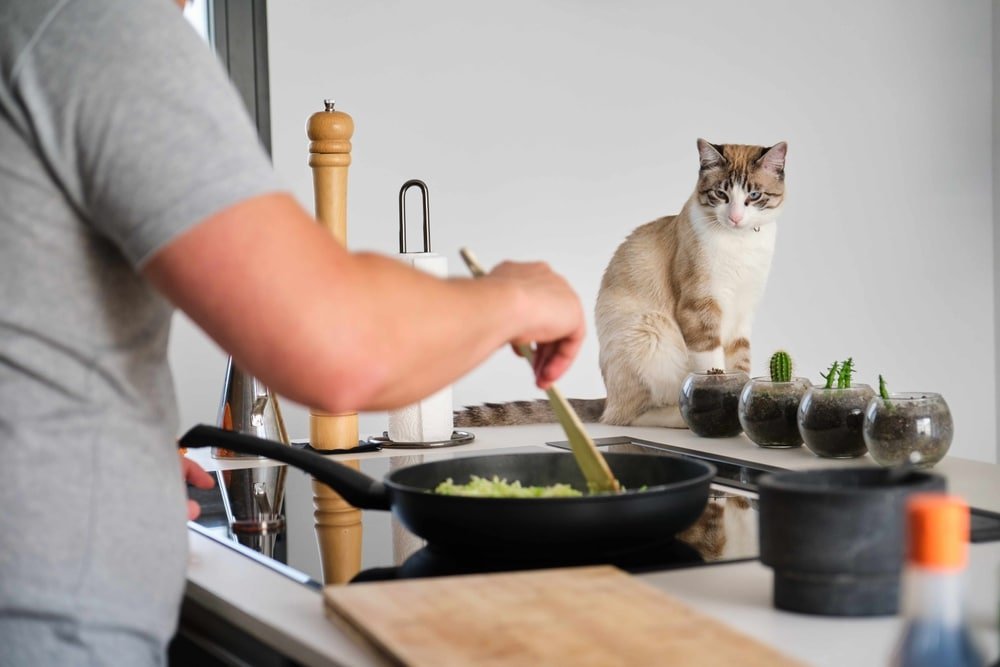
Are you worried about what goes into your cat’s bowl every day? Making cat food at home can give you complete control over what your furry friend eats.
When you prepare meals yourself, you ensure your cat gets fresh, healthy ingredients without any hidden fillers or preservatives. Imagine the peace of mind knowing exactly what’s in your pet’s food—and the joy your cat will feel tasting something made just for them.
Keep reading to discover simple, safe, and nutritious recipes you can easily make at home to keep your cat happy and healthy.
Benefits Of Homemade Cat Food
Homemade cat food offers many benefits for your feline friend. You get to decide exactly what goes into each meal. This helps keep your cat healthy and happy. It can also reduce the risk of allergies or stomach problems. Making food at home means fresh ingredients and no hidden fillers.
Control Over Ingredients
You choose every ingredient in your cat’s food. This control ensures the best quality and nutrition. You can pick fresh meats, vegetables, and supplements. Avoid low-quality fillers often found in store-bought cat food. This way, your cat eats only what is good for them.
Tailoring To Cat’s Needs
Every cat is unique with different dietary needs. Homemade food allows you to customize meals to fit those needs. Adjust protein, fat, and vitamins according to your cat’s age or health. This helps manage weight, allergies, or digestive issues better. Your cat receives a diet that suits them perfectly.
Avoiding Additives And Preservatives
Commercial cat food often contains additives and preservatives. These can cause allergies or health problems over time. Homemade cat food has no artificial chemicals or preservatives. It stays fresh and natural, reducing the risk of side effects. Your cat enjoys pure, wholesome meals every day.
Essential Nutrients For Cats
Feeding your cat homemade food means you need to pay close attention to the essential nutrients they require. Cats have unique dietary needs that differ from other pets, and missing just one key nutrient can affect their health. Understanding these essentials helps you create balanced meals that keep your feline friend happy and healthy.
Proteins And Amino Acids
Cats are obligate carnivores, which means protein is the cornerstone of their diet. They need high-quality animal proteins rich in amino acids like taurine and arginine. Taurine is crucial for heart function, vision, and reproduction, and your cat can’t make enough of it on their own.
Chicken, turkey, and fish are excellent protein sources. Have you ever noticed how your cat loves the taste of fresh meat? That’s their instinct guiding you towards what they need. Always include a variety of meats to cover all essential amino acids.
Fats And Fatty Acids
Fats provide energy and help absorb fat-soluble vitamins like A, D, E, and K. Omega-3 and omega-6 fatty acids support skin health, reduce inflammation, and keep your cat’s coat shiny. Fish oil or flaxseed oil can be good additions, but balance is key.
Too little fat can make your cat’s coat dull, but too much may cause weight gain. Do you track the fat content in your cat’s meals? Adjusting fat levels based on your cat’s activity and age can make a big difference.
Vitamins And Minerals
Vitamins and minerals are the tiny powerhouses of your cat’s health. Calcium and phosphorus keep bones strong, while vitamin A supports vision and immune function. Cats cannot convert beta-carotene from plants into vitamin A, so they need animal-based sources.
Adding a small amount of organ meat like liver can boost vitamin and mineral intake. Don’t forget trace minerals like zinc and iron—they’re vital for metabolism and oxygen transport. Have you checked if your homemade recipe covers these micronutrients fully?
Safe Ingredients For Cat Meals
Choosing safe ingredients is key to making healthy cat meals at home. Cats need foods that support their unique diet. Their bodies require high protein and certain nutrients found only in specific foods. Using the right ingredients helps avoid health problems and keeps cats happy.
Meats And Proteins
Meat is the main part of a cat’s diet. Good options include:
- Chicken
- Turkey
- Beef
- Fish like salmon or sardines (in small amounts)
- Eggs (cooked)
Always cook meat well to kill harmful bacteria. Avoid processed meats with added salt or spices. Protein helps build strong muscles and supports energy.
Vegetables And Supplements
Cats eat little plant matter, but some vegetables add fiber and vitamins. Safe choices are:
- Cooked carrots
- Peas
- Pumpkin
Supplements like taurine are essential since cats cannot make enough naturally. Fish oil or omega-3 can improve skin and coat health. Consult a vet about supplements to ensure proper nutrition.
Avoiding Toxic Foods
Some foods are very dangerous for cats. Keep these away:
- Onions and garlic
- Chocolate
- Grapes and raisins
- Alcohol
- Caffeine
- Raw dough with yeast
Even small amounts can cause serious illness. Always research new ingredients before feeding your cat. Safety first.
Basic Equipment For Diy Cat Food
Preparing homemade cat food requires some basic equipment. The right tools ensure safety, ease, and proper nutrition. Having these items ready helps in making fresh and healthy meals for your cat.
Start with simple kitchen tools, proper storage containers, and good cleaning practices. These elements keep the food safe and tasty for your pet.
Kitchen Tools Needed
- Sharp knives for cutting meat and vegetables
- Cutting board dedicated to pet food preparation
- Measuring cups and spoons for accurate portions
- Blender or food processor for mixing ingredients
- Mixing bowls in various sizes
- Cooking pots or pans for boiling or steaming
- Kitchen scale for precise weight measurement
Storage Containers
- Airtight containers to keep food fresh longer
- Freezer-safe bags or containers for batch storage
- Labeling tools to mark dates and contents
- Small containers for portioning daily meals
Sanitation Tips
- Wash hands before and after handling ingredients
- Clean all tools and surfaces with hot, soapy water
- Sanitize cutting boards and utensils regularly
- Store food at safe temperatures to avoid spoilage
- Discard leftovers not consumed within 24 hours
Simple Homemade Cat Food Recipes
Simple homemade cat food recipes offer a healthy and fresh alternative to store-bought options. They use natural ingredients that cats love and digest easily. Preparing food at home helps control what your cat eats and avoids fillers or preservatives.
These recipes are easy to make and require few ingredients. Each one provides balanced nutrition with protein, fiber, and essential vitamins. You can prepare meals in small batches to keep them fresh.
Chicken And Rice Blend
This recipe is mild and gentle on a cat’s stomach. It combines lean chicken with cooked rice for easy digestion.
- Cook 1 cup of chicken breast until fully done.
- Mix with ½ cup of cooked white rice.
- Add 1 tablespoon of chicken broth for moisture.
- Let cool before serving.
Fish And Pumpkin Mix
Fish offers omega-3 oils, and pumpkin supports digestion. This mix is tasty and healthy for cats.
- Cook 1 cup of white fish like cod or tilapia.
- Mix with ¼ cup of cooked pumpkin (no spices).
- Add a pinch of taurine powder for cat health.
- Serve after cooling to room temperature.
Beef And Veggie Stew
This stew provides protein and vitamins from beef and vegetables. It’s hearty and satisfying.
- Cook 1 cup of ground beef thoroughly.
- Steam ¼ cup of carrots and peas until soft.
- Combine beef with vegetables and 2 tablespoons of water.
- Stir well and let cool before feeding your cat.

Credit: www.youtube.com
Balancing Meals For Nutritional Completeness
Balancing meals for your cat means giving the right nutrients for their health. Cats need protein, fats, vitamins, and minerals. Homemade food must cover all these needs. A balanced meal keeps your cat active and strong. It also prevents health problems.
To make sure meals are complete, add supplements, control portions, and feed at proper times. Each part plays a key role in your cat’s diet.
Adding Supplements
Home-cooked meals may lack some nutrients. Supplements fill these gaps. Common ones include taurine, fish oil, and calcium. Taurine supports heart and eye health. Fish oil adds omega-3 fatty acids. Calcium helps bones and teeth.
Use supplements made for cats. Follow dosage instructions carefully. Too much or too little can cause problems. Consult a vet for advice on supplements.
Portion Control
Feeding the right amount prevents obesity and malnutrition. Portion size depends on your cat’s weight, age, and activity. Overfeeding leads to weight gain. Underfeeding causes weakness and illness.
Measure food with a kitchen scale or measuring cup. Keep track of your cat’s weight and adjust portions as needed. Balanced portions support steady energy and growth.
Frequency Of Feeding
Cats do best with small, frequent meals. Adult cats usually eat two to three times a day. Kittens need more frequent feeding, about four times daily. Regular meals help digestion and maintain energy.
Keep feeding times consistent. Cats like routine. Consistency helps prevent overeating and hunger stress. Plan your schedule to feed your cat on time every day.
Common Mistakes To Avoid
Making cat food at home can be rewarding but tricky. Many cat owners make simple mistakes that affect their pet’s health. Avoiding these errors helps keep cats happy and strong. Here are some common pitfalls to watch out for.
Overfeeding Or Underfeeding
Feeding too much can lead to obesity and health issues. Feeding too little causes weakness and nutrient gaps. Measure portions carefully based on your cat’s weight and activity. Watch for signs of hunger or fullness. Adjust amounts as your cat’s needs change.
Using Unsafe Ingredients
Some human foods are toxic to cats. Ingredients like onions, garlic, chocolate, and grapes must never be used. Avoid raw dough or anything with caffeine. Use only fresh, cat-safe ingredients. Check every recipe ingredient for safety before feeding.
Ignoring Nutritional Balance
Cats need specific nutrients like taurine, protein, and fats in correct amounts. Homemade meals lacking balance can cause serious health problems. Use recipes designed for cats or consult a vet. Include all essential vitamins and minerals. Variety in ingredients helps meet nutritional needs.

Credit: www.youtube.com
Tips For Transitioning To Homemade Food
Switching your cat to homemade food requires patience and care. Cats can be sensitive to new diets. Sudden changes may upset their stomach or cause refusal to eat. A smooth transition helps your cat adjust comfortably. Follow these tips to ease the change and keep your cat healthy and happy.
Gradual Introduction
Start by mixing a small amount of homemade food with your cat’s current food. Increase the homemade portion slowly over 7 to 10 days. Watch for signs of rejection or digestive upset. This slow change helps your cat get used to new flavors and textures without stress.
Monitoring Cat’s Health
Observe your cat’s eating habits and energy levels daily. Check for vomiting, diarrhea, or changes in litter box use. Notice any weight gain or loss during the transition. Keep track of your cat’s mood and activity. Healthy cats usually adapt well to homemade diets when monitored closely.
Consulting A Veterinarian
Talk to your vet before starting homemade food. Your vet can advise on balanced nutrition and portion sizes. They may suggest supplements to prevent deficiencies. Regular check-ups help catch health issues early. Professional guidance ensures your cat’s diet meets all its needs.

Credit: www.amazon.com
Frequently Asked Questions
How Do I Make Nutritious Cat Food At Home?
Start with balanced proteins like chicken or fish. Add essential fats, vitamins, and minerals. Avoid toxic ingredients such as onions and garlic. Consult your vet to ensure the recipe meets your cat’s dietary needs.
What Are The Benefits Of Homemade Cat Food?
Homemade cat food offers control over ingredients and quality. It ensures freshness and avoids preservatives. Tailoring meals to your cat’s health needs is easier. This can improve digestion and overall wellbeing.
Can Homemade Cat Food Provide All Nutrients?
Yes, if properly balanced with proteins, fats, vitamins, and minerals. Use supplements as recommended by your vet. Regularly update recipes to meet changing dietary requirements. Nutrient completeness is crucial for your cat’s health.
How Often Should I Feed My Cat Homemade Meals?
Feed adult cats two to three times daily in small portions. Kittens need more frequent meals, around four times a day. Monitor your cat’s weight and energy to adjust feeding frequency. Consistency helps maintain a healthy diet.
Conclusion
Making cat food at home gives you control over ingredients. You can choose fresh and healthy options for your pet. It helps avoid preservatives and fillers found in some store foods. Always balance nutrients to keep your cat healthy and happy.
Consult a vet for safe recipes and portion sizes. Homemade food can strengthen your bond with your cat. It takes time but shows you care deeply. Try small batches first and watch your cat’s reaction. Feeding your cat well starts with smart choices at home.
