

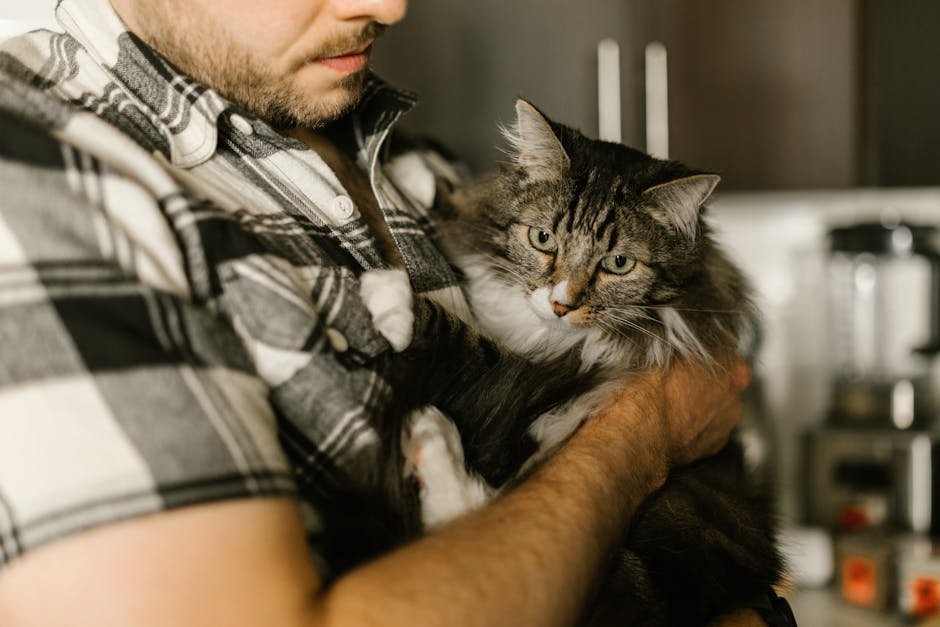
Are you thinking about adding a Maine Coon to your family? Imagine welcoming a gentle giant with a heart as big as its fluffy paws.
Maine Coon rescue cats offer a unique chance to bring home a loving companion while giving a cat in need a second chance. You’ll discover why choosing a rescue Maine Coon could be one of the most rewarding decisions you make.
Ready to learn how you can make a difference and find your perfect furry friend? Keep reading—your new best friend might be waiting right now.
Maine Coon Cat Traits
The Maine Coon cat is a breed that captivates many with its distinctive traits. Understanding these traits helps you appreciate why this breed is so beloved and how to care for one, especially if you’re considering adopting a rescue Maine Coon. Their unique characteristics make them stand out both in looks and behavior.
Physical Characteristics
Maine Coons are among the largest domestic cats, often weighing between 10 to 25 pounds. Their muscular build is complemented by a long, bushy tail and tufted ears, which add to their wild, rugged appearance.
Their thick, water-resistant fur keeps them warm in cold climates, and it comes in a wide range of colors and patterns. Have you noticed how their expressive eyes seem to tell a story? That’s part of their charm.
Personality And Temperament
Maine Coons are known for their friendly and playful nature. They often act more like dogs, following you around and even playing fetch.
They tend to be gentle giants, making them great companions for families and other pets. If you want a cat that’s affectionate but not overly demanding, a Maine Coon might be the perfect match.
Health Considerations
Despite their robust appearance, Maine Coons have specific health risks to watch for, such as hypertrophic cardiomyopathy (HCM), a common heart condition in cats.
Regular vet checkups and genetic screening can help catch issues early. Are you prepared to keep up with their grooming needs to prevent matting and skin problems?
Reasons To Rescue
Choosing to rescue a Maine Coon cat brings many rewards. It offers a second chance to a cat in need. Rescue cats often face hardships before finding a home. Understanding the reasons to rescue helps more cats find loving families.
Benefits Of Adoption
- Giving a Maine Coon a loving home saves a life.
- Rescued cats usually adjust quickly to new families.
- Adoption fees often cover vaccinations and spaying/neutering.
- Rescue cats can bring joy and companionship immediately.
- Adopting supports shelters and rescue groups financially.
Common Rescue Scenarios
Maine Coons often enter rescue due to owner surrender. Some owners face financial or health problems. Others may have moved to places where pets are not allowed. Stray cats found injured or lost may also be rescued. Rescue centers work hard to care for these cats until adoption.
How Rescue Helps Cats
- Rescue provides medical care and shelter to cats.
- Cats receive socialization to prepare for new homes.
- Rescue workers assess each cat’s health and behavior.
- They find the best match between cats and families.
- Rescue saves cats from living on the streets or shelters.
Finding A Rescue
Finding a Maine Coon rescue cat offers a chance to give a loving home to a gentle giant. These cats are known for their friendly nature and beautiful fur. Adopting from a rescue helps save lives and brings joy to both cat and owner.
Finding a rescue cat can be a rewarding experience. Maine Coon cats are known for their gentle nature and friendly demeanor. Rescuing one means giving a cat a second chance at a loving home. It’s essential to know where to look and what to ask. Evaluating rescue organizations is also crucial to ensure a good match.Where To Look
Start by checking local animal shelters. Many shelters have Maine Coon cats waiting for homes. Online platforms dedicated to cat adoption can also be useful. Websites like Petfinder or Adopt-a-Pet list available cats by location. Consider joining Maine Coon rescue groups on social media. These groups often share posts about cats in need of homes.Questions To Ask
Ask about the cat’s health history. Knowing any past medical issues is important. Inquire about the cat’s temperament. Is it good with children or other pets? Find out the reason for the cat’s rescue. This can provide insight into any behavioral needs. Ask about the adoption process and fees involved.Evaluating Rescue Organizations
Research the rescue’s reputation. Look for reviews from past adopters. Check if they are a registered non-profit. A good rescue will have a clear adoption process. They should provide support after adoption. Ensure they prioritize the cat’s well-being. They should offer a trial period to ensure a good fit.Adoption Process
Adopting a Maine Coon rescue cat is an exciting journey that requires thoughtful planning and commitment. The process ensures that both you and the cat are a perfect match, creating a loving home for your new companion. Understanding the steps can help you prepare emotionally and practically for this rewarding experience.
Application Steps
Start by filling out an adoption application provided by the rescue organization. These forms usually ask about your living situation, experience with pets, and how you plan to care for a Maine Coon.
Be honest and thorough—rescue groups want to ensure their cats go to safe and loving homes. After submitting your application, expect a phone or in-person interview where you can ask questions and learn more about the cat’s personality.
Home Preparation
Before bringing your Maine Coon home, create a safe and welcoming space. Cats need cozy spots for resting, scratching posts to protect your furniture, and clean litter boxes placed in quiet areas.
Think about potential hazards like toxic plants or loose wires and remove them. Does your home have enough room for a large, active cat to explore? Maine Coons enjoy climbing, so consider adding cat trees or shelves to keep them entertained.
Meeting Your Cat
Meeting your Maine Coon for the first time is a special moment. Arrange a calm meeting, allowing the cat to approach you at their own pace.
Observe their behavior: Are they curious, shy, or playful? This initial interaction helps you understand their personality and needs.
Remember, building trust takes time. Patience and gentle handling make all the difference in forming a lasting bond with your new furry friend.
First Days At Home
Bringing a Maine Coon rescue cat home is an exciting moment filled with hope and new beginnings. The first days are crucial for building trust and helping your new feline friend feel comfortable. How you handle this transition can shape your cat’s happiness and behavior for years to come.
Settling In Tips
Start by keeping your Maine Coon in a quiet room with all essentials—food, water, litter box, and a cozy bed. This controlled environment reduces stress and lets your cat explore at their own pace.
Speak softly and move slowly around your cat. Loud noises and sudden movements can scare them, especially during these initial days.
Offer treats or gentle play sessions to encourage positive interactions. Have you noticed how a simple feather toy can spark curiosity even in the shyest cats?
Introducing To Family And Pets
Introduce family members one at a time. This prevents your Maine Coon from feeling overwhelmed and helps build individual bonds.
If you have other pets, keep initial meetings brief and supervised. Separate spaces with scent swapping—like exchanging bedding—can ease the introduction before face-to-face encounters.
Watch your cat’s body language closely. Signs of stress or aggression mean you should slow down the process and give your cat more time to adjust.
Creating A Safe Space
Your Maine Coon needs a place to retreat when the world feels too big. A designated safe space might be a quiet corner with a soft blanket or a covered cat bed.
Make sure this space is off-limits to other pets and bustling family areas. Quiet and privacy help your cat regain confidence after the shock of moving.
Have you tried adding familiar items from the rescue, like a blanket or toy? Their scent can comfort your cat and make the new space feel like home faster.
Daily Care Essentials
Caring for a Maine Coon rescue cat needs attention to key daily routines. These cats have unique needs due to their size and fur. Proper care keeps them healthy and happy. Simple daily habits can make a big difference.
Feeding Guidelines
Provide a balanced diet made for large cats. Choose high-quality dry or wet food with protein. Feed twice a day in measured portions. Fresh water must always be available. Avoid giving human food or too many treats. Watch for weight gain or loss. Adjust food based on activity and age.
Grooming Needs
Maine Coons have long, thick fur that needs regular brushing. Brush at least three times weekly to prevent mats and tangles. Use a wide-toothed comb for best results. Check ears and clean if needed. Trim nails every two weeks. Grooming also helps spot skin problems early. Make grooming a calm, positive time.
Exercise And Play
These cats are active and enjoy playtime daily. Provide toys like feathers, balls, and interactive puzzles. Encourage climbing with cat trees or shelves. Spend at least 15 minutes playing each day. Play helps keep their muscles strong and minds sharp. Rotate toys to keep interest high. This also reduces stress and boredom.
Health And Wellness
Keeping your Maine Coon rescue cat healthy goes beyond feeding and playing. It requires regular attention to their well-being and an understanding of what could affect their health. Staying proactive helps your feline friend live a long, happy life by catching issues early and maintaining their overall wellness.
Routine Vet Visits
Regular vet check-ups are essential for your Maine Coon. These visits allow early detection of any health problems before they become serious. During a visit, your vet will check their weight, teeth, and listen to their heart and lungs.
Think about scheduling vet appointments every six months. This keeps you updated on vaccinations and dental care. Plus, it’s a good chance to discuss any behavior changes you’ve noticed.
Common Health Issues
Maine Coons are generally robust but can face specific health challenges. One common issue is hypertrophic cardiomyopathy (HCM), a heart condition that can be silent at first. Regular screening can help catch it early.
Other concerns include hip dysplasia and spinal muscular atrophy. If your cat shows signs of stiffness or difficulty moving, it’s time to consult your vet. Watching for subtle symptoms can make all the difference.
Preventive Care
Preventive care means more than just vaccinations. It includes proper nutrition tailored to Maine Coons, regular grooming to avoid matting, and parasite control. You can reduce risks by keeping your cat indoors or supervised outside.
- Feed a balanced diet rich in protein.
- Brush their thick fur weekly to prevent mats.
- Use flea and tick prevention regularly.
- Provide mental stimulation to reduce stress.
Have you noticed how your Maine Coon reacts to grooming or vet visits? Observing their behavior can guide you in making these routines less stressful. Your attentive care builds trust and keeps your rescue cat feeling safe and loved.
Behavior And Training
Training a Maine Coon rescue cat brings a unique blend of challenge and reward. Their intelligence and social nature make them quick learners, but their independent streak means you need patience and consistency. Understanding their behavior lays the foundation for successful training and a happy home.
Understanding Behavior
Maine Coons are known for their gentle and curious nature. They often show dog-like behaviors, such as following you around or playing fetch. Notice how your cat reacts to new environments or people—this helps you anticipate their needs and moods.
These cats are social but value their personal space. If your Maine Coon seems aloof at times, it’s just their way of processing the world. Respecting these signals can prevent stress and strengthen your bond.
Litter Training Tips
Many Maine Coon rescues come already litter trained, but some may need a refresher. Keep the litter box in a quiet, accessible place and clean it regularly to encourage use.
- Use unscented, clumping litter to attract your cat.
- Show your cat the box after meals or naps.
- Reward them with gentle praise or treats when they use the box correctly.
Consistency is key here. Have you noticed your cat avoiding the box? That might signal stress or a health issue worth checking with a vet.
Managing Scratching
Scratching is natural for Maine Coons—they do it to mark territory, stretch muscles, and keep claws healthy. Instead of stopping scratching, redirect it to approved surfaces.
- Place sturdy scratching posts in areas your cat frequents.
- Use toys or catnip to attract them to these posts.
- Trim their claws regularly to reduce damage.
Have you tried different textures for scratching posts? Some cats prefer sisal, others like carpet or wood. Experiment to find what your Maine Coon enjoys most.
Building A Bond
Building a strong bond with your Maine Coon rescue cat takes time and patience. These gentle giants thrive on love and trust. Creating a connection helps your cat feel safe and happy in its new home. Understanding their behavior and needs brings you closer together.
Socializing Your Cat
Introduce your Maine Coon to new people and pets slowly. Let your cat explore its surroundings at its own pace. Use soft voices and gentle touches to build trust. Offer treats during calm moments to encourage positive feelings. Respect your cat’s space if it seems scared or shy.
Recognizing Cat Communication
Learn to read your cat’s body language and sounds. Tail movements, ear positions, and purring tell a lot. A relaxed cat will have soft eyes and a calm posture. Hissing or growling means your cat feels threatened. Responding to these signals strengthens your bond.
Enrichment Activities
Keep your Maine Coon mentally and physically active. Provide toys like feather wands and balls to play with. Create climbing spaces with cat trees or shelves. Hide treats around the house to encourage natural hunting skills. These activities reduce stress and build trust with your cat.
Long-term Commitment
Caring for a Maine Coon rescue cat means a long-term promise to provide love and safety. These gentle giants need patience and ongoing attention to thrive in their new homes.
Long-term commitment is a vital aspect of adopting a Maine Coon rescue cat. These majestic felines are not just pets; they become cherished family members. Before bringing one into your home, it’s crucial to understand the responsibility involved.Financial Considerations
Adopting a Maine Coon involves several financial responsibilities. Initial costs include adoption fees, vaccinations, and spaying or neutering. Routine expenses like high-quality food, grooming, and vet visits add up over time. Prepare for unexpected costs as well. Medical emergencies or specialized care can arise, impacting your budget significantly. Having a financial plan ensures you can provide for your cat’s needs without undue stress.Time And Attention
Maine Coons are social creatures that thrive on interaction. They require daily playtime and mental stimulation to stay happy and healthy. Are you ready to dedicate a portion of your day to bonding with your furry friend? Neglecting their need for attention can lead to behavioral issues. Balancing work, family, and cat care demands careful planning. Consider your current lifestyle and how a Maine Coon will fit in.Planning For The Future
Life changes, and so do your circumstances. What happens to your Maine Coon if you move, change jobs, or start a family? Having a plan ensures your pet’s well-being no matter what life throws your way. Think about long-term care options. Who will look after your cat if you travel or face a health crisis? Discuss with family or friends willing to step in if needed, ensuring your cat’s happiness and security.Frequently Asked Questions
What Should I Know Before Adopting A Maine Coon Rescue Cat?
Maine Coon rescue cats often need patience and care. They may have unknown histories or health issues. Understanding their temperament and providing a loving home helps them adjust well. Always get a veterinary check-up before adoption.
How Can I Care For A Maine Coon Rescue Cat?
Provide regular grooming to manage their thick fur. Feed a balanced diet suitable for large breeds. Offer plenty of playtime and mental stimulation. Schedule routine vet visits to monitor their health and well-being.
Are Maine Coon Rescue Cats Good With Children?
Yes, Maine Coons are generally gentle and sociable. They often get along well with children and other pets. Their playful nature makes them great companions. Supervise interactions to ensure safety for both cat and kids.
Where Can I Find A Maine Coon Rescue Cat?
Check local animal shelters, rescue groups, or breed-specific rescues. Online adoption platforms often list Maine Coon rescues. Networking with Maine Coon communities can also help locate cats in need of homes.
Conclusion
Maine Coon rescue cats bring joy to many homes. They need love, care, and a safe place. Adopting one saves a life and gains a friend. These cats are gentle, playful, and very smart. Think about giving a Maine Coon a new start.
It feels good to help an animal in need. You get a loyal companion who loves attention. Rescue cats deserve a happy, healthy future with you.
