

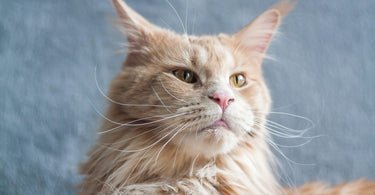
Are you fascinated by the majestic Maine Coon cat and curious about what makes them tick? You’re not alone.
These gentle giants are not only one of the largest domesticated cat breeds but also some of the most intriguing. Understanding their behavior can help you develop a deeper bond with your feline friend. Imagine having the ability to decode their body language, predict their mood, and even anticipate their needs! This isn’t just about satisfying curiosity; it’s about enhancing the way you interact with your Maine Coon.
Stick around to uncover the secrets behind their unique behaviors and discover how you can make your home a paradise for your feline companion.

Credit: www.youtube.com
Maine Coon Personality Traits
Maine Coon cats have unique personality traits that make them stand out. They are known for their friendly and social nature. These cats easily adapt to different homes and families. Their behavior shows a mix of gentleness and liveliness. Understanding these traits helps in creating a happy environment for them.
Gentle Giants
Maine Coons are called gentle giants for a reason. They have a large body but a soft heart. These cats rarely show aggression. They enjoy calm interactions and are patient with kids. Their gentle nature makes them great companions.
Playful Nature
These cats love to play and explore. They enjoy toys and games that challenge their skills. Playtime keeps them active and happy. Maine Coons often play like kittens even when they grow older. This playful side adds joy to the home.
Affectionate Behavior
Maine Coons show love in many ways. They often follow their owners around the house. These cats enjoy sitting close and being petted. They express affection with soft purrs and gentle head butts. Their loving behavior builds strong bonds with people.
Intelligence And Curiosity
These cats are smart and curious by nature. They learn new tricks quickly and enjoy puzzles. Maine Coons like to investigate new things in their space. Their intelligence helps them solve problems easily. Curiosity keeps them engaged and interested daily.
Social Habits
Maine Coon cats are known not just for their majestic looks but also for their unique social habits. Understanding how they interact can help you build a stronger bond and create a harmonious home environment. Their social nature often surprises new owners who expect a more aloof feline.
Interactions With Humans
Maine Coons are often called “gentle giants” because they enjoy human company without being overly demanding. They tend to follow you around the house and love being involved in daily activities.
Unlike some cats that shy away from strangers, many Maine Coons are friendly and curious about new people. Have you noticed your cat watching guests closely or even approaching them?
They also communicate with soft chirps and trills rather than loud meows, which can make their social interactions feel more intimate and calming.
Relations With Other Pets
These cats usually get along well with other pets, including dogs and smaller animals. Their playful and tolerant nature makes them excellent companions in multi-pet households.
However, it’s important to introduce them slowly and under supervision to avoid any stress or territorial behavior. You might find your Maine Coon adopting a protective role over smaller pets.
How do your pets react when a Maine Coon enters the room? Observing their body language can give you clues about the best way to manage their interactions.
Adaptability To New Environments
Maine Coons are surprisingly adaptable. Whether you move to a new home or rearrange furniture, they adjust without much fuss.
Still, they appreciate familiar scents and routines, which help reduce stress during changes. Adding their favorite blanket or toy in the new space can make the transition smoother.
Have you tried creating a dedicated safe spot for your cat when introducing new surroundings? It can help them feel secure and confident while exploring.
Communication Styles
Maine Coon cats have unique ways of sharing their feelings and thoughts. Their communication styles help them connect with humans and other pets. Understanding these signals builds a strong bond and avoids confusion.
This breed uses both sounds and body language to express themselves. They can be very clear about their moods and needs. Observing these signs helps owners respond better and create a happy environment.
Vocalizations And Sounds
Maine Coons are known for their wide range of vocal sounds. They use soft chirps, trills, and gentle meows to catch attention. These sounds often mean they want to play or need affection.
Unlike loud cats, Maine Coons rarely yowl or hiss loudly. Their voices are usually calm and friendly. This makes them great companions for families and quiet homes.
- Chirping: Often used when watching birds or small animals.
- Trilling: A happy, friendly sound to greet people.
- Meowing: Requests for food, play, or attention.
- Purring: Shows contentment or comfort.
Body Language Signals
Body language is a big part of how Maine Coons communicate. They use their tails, ears, and eyes to send messages without sounds. Watching these signals helps understand their mood quickly.
A slow blink means trust and relaxation. A high, upright tail shows confidence and friendliness. Flattened ears or a twitching tail tip can indicate irritation or stress.
| Signal | Meaning |
|---|---|
| Slow blink | Trust and comfort |
| Upright tail | Friendly and confident |
| Flattened ears | Fear or annoyance |
| Twitching tail tip | Excitement or irritation |
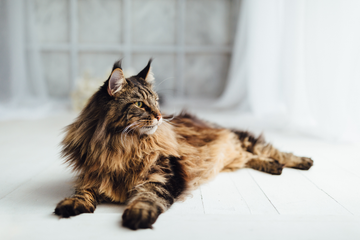
Credit: www.dutch.com
Activity Levels
Maine Coon cats are known for their lively and curious nature. Their activity levels vary throughout the day, blending bursts of play with quiet rest. Understanding these energy patterns helps owners keep their cats happy and healthy.
Playtime Preferences
Maine Coons enjoy interactive play and mental challenges. They love toys that move or mimic prey. Feather wands, laser pointers, and puzzle feeders keep them engaged.
These cats prefer short, frequent play sessions. They often invite their owners to join in. Playtime strengthens the bond between cat and human.
Hunting Instincts
Despite domestic life, Maine Coons have strong hunting drives. They stalk, chase, and pounce with skill. This natural behavior can appear during indoor play.
Providing outlets for hunting instincts prevents boredom. Toys that simulate small animals satisfy this need. It keeps their minds sharp and bodies active.
Energy Patterns
Maine Coons show energy peaks at dawn and dusk. These crepuscular habits mean they are most active early morning and evening. During the day, they rest or nap quietly.
Recognizing these rhythms helps owners schedule play and feeding times. It also supports the cat’s natural lifestyle and wellbeing.
Training And Intelligence
Maine Coon cats are not just big in size but also in brainpower. Their training and intelligence make them stand out among other breeds. Understanding how they learn and solve problems can help you build a stronger bond with your feline friend.
Learning Ability
Maine Coons pick up new skills quickly. They respond well to consistent routines and positive reinforcement. You might notice they remember commands or tricks after just a few sessions.
Have you ever seen a Maine Coon figure out how to open a door or find hidden treats? Their sharp memory and curiosity make them excellent learners. This ability means you can teach them more than just basic commands.
Training Tips
Patience is key when training your Maine Coon. Use treats and praise to encourage good behavior. Keep training sessions short—around 5 to 10 minutes—to maintain their interest.
- Start with simple commands like “sit” or “come.”
- Use clicker training to mark desired actions clearly.
- Be consistent with commands and rewards.
- Avoid punishment; it can hurt their trust and slow learning.
Have you tried engaging your cat with puzzle feeders or interactive toys during training? These can boost their motivation and make learning fun.
Problem-solving Skills
Maine Coons excel at figuring things out on their own. They often find creative ways to reach toys or solve puzzles you set up. This skill reflects their natural hunting instincts and intelligence.
Try setting up challenges like hiding treats under cups or in boxes. Your cat’s approach to solving these problems can surprise you. How do you encourage your Maine Coon’s curiosity and cleverness at home?
Common Behavioral Challenges
Maine Coon cats are gentle giants with unique personalities. Despite their friendly nature, they may show some common behavioral challenges. Understanding these traits helps build a stronger bond.
These cats can be shy at first, curious but cautious. They also have a playful side that sometimes turns mischievous. Without guidance, their natural energy may lead to destructive habits.
Dealing With Shyness
Some Maine Coons take time to trust new people or environments. They prefer quiet spaces and gentle introductions. Patience matters most. Let them approach at their own pace.
Creating safe zones with cozy beds or hiding spots can ease anxiety. Soft voices and slow movements encourage confidence. Avoid forcing attention or sudden changes.
Managing Mischievous Behavior
Maine Coons love to explore and play. Their curiosity can lead to knocking objects or opening cabinets. Redirection works well. Offer toys and interactive play sessions.
Set daily playtime to burn energy. Use puzzle feeders or wand toys to keep them busy. Positive reinforcement helps reward good behavior.
Preventing Destructive Habits
Scratching furniture or chewing cords may occur without proper outlets. Provide sturdy scratching posts and safe chew toys. Place them near favorite resting spots.
Regular nail trimming reduces damage. Use deterrent sprays on forbidden areas. Consistency in training limits unwanted actions and keeps your home safe.
Caring For Their Behavior
Caring for a Maine Coon’s behavior is more than just managing their actions—it’s about understanding their unique needs and helping them thrive. These cats have big personalities and require thoughtful attention to keep them happy and balanced. How you respond to their behavior can strengthen your bond and create a peaceful home environment.
Environmental Enrichment
Maine Coons are curious and intelligent. They need a stimulating environment to prevent boredom and destructive behavior.
Try adding tall cat trees, interactive toys, and puzzle feeders to their space. These keep their minds sharp and bodies active.
Changing toys regularly keeps things fresh and exciting. You might notice your cat more engaged and less restless.
Social Interaction Needs
These cats are social creatures who enjoy company but also value their space. Spending quality time playing or simply sitting together meets their need for connection.
Observe your cat’s cues—some Maine Coons want constant attention, while others prefer short interactions. Respecting their boundaries helps prevent stress.
Have you noticed how your cat reacts when you bring new people around? Understanding these reactions can guide you in managing social situations better.
Health And Wellbeing Impact
A Maine Coon’s behavior often reflects their health. Sudden changes like increased aggression or withdrawal might signal discomfort or illness.
Regular vet visits and a balanced diet support their physical and mental health. Keeping them well can reduce behavioral issues.
Think about your cat’s daily routine—does it include enough play, rest, and grooming? These simple habits play a big role in their overall wellbeing.
Credit: www.feliway.co.uk
Frequently Asked Questions
What Are Common Maine Coon Cat Personality Traits?
Maine Coons are friendly, playful, and intelligent. They enjoy socializing with people and other pets. Their gentle nature makes them great family companions.
How Do Maine Coon Cats Communicate?
They use vocalizations like chirps and trills, plus body language. Maine Coons often “talk” to their owners, showing affection and curiosity.
Are Maine Coon Cats Good With Children?
Yes, Maine Coons are patient and gentle. They tolerate kids well and enjoy interactive play, making them ideal family pets.
Do Maine Coon Cats Require Special Grooming?
Yes, regular brushing is needed to prevent matting. Their thick fur demands weekly grooming to keep it healthy and shiny.
Conclusion
Maine Coon cats show friendly and gentle behavior. They enjoy being part of the family. These cats are curious and love to explore. They communicate well with their owners using sounds. Patience and care help build a strong bond. Understanding their habits makes living with them easier.
Maine Coons bring joy and warmth to any home. Their playful nature keeps days fun and lively. Each cat has a unique personality to discover. Spending time with them creates lasting memories.
