


Imagine opening your heart and home to a majestic Maine Coon cat in need. As one of the largest and most affectionate cat breeds, these gentle giants are known for their striking appearance and loving nature.
But did you know that many Maine Coon cats are waiting for rescue, longing for a forever family? By choosing to rescue, you’re not just saving a cat; you’re gaining a loyal companion who will enrich your life with endless purrs and playful antics.
Discover how you can make a difference and bring joy to your life by exploring the world of Maine Coon cat rescue. Ready to change a life—and maybe even your own? Let’s dive in.
Maine Coon Cat Traits
The Maine Coon cat is a unique blend of size, personality, and resilience. Recognizing the traits of this breed helps you understand why they make such devoted companions. Whether you’re considering adoption or already have a Maine Coon, knowing their characteristics can guide you in providing the best care.
Physical Characteristics
Maine Coons are one of the largest domestic cats. Males can weigh between 13 and 18 pounds, while females are slightly smaller. Their long, thick fur is water-resistant, making them well-suited for colder climates.
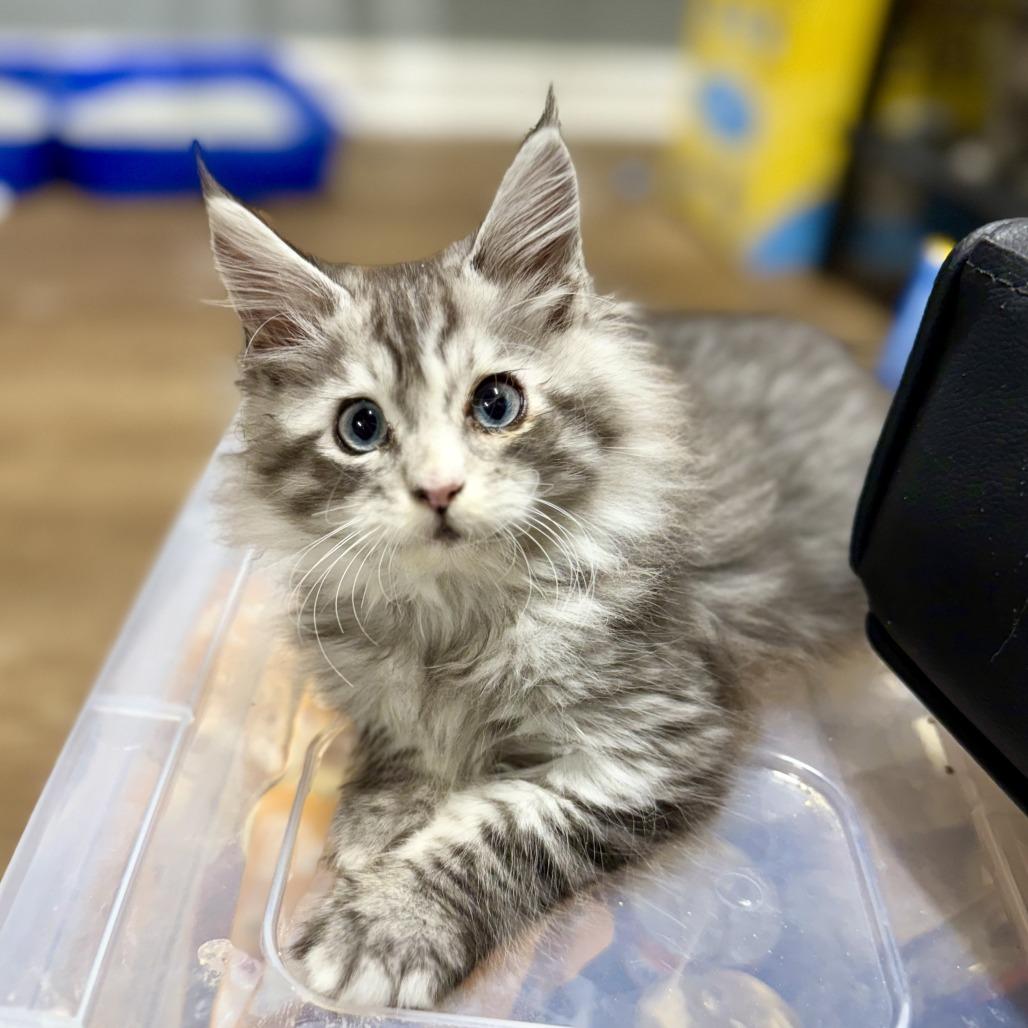
Look for their distinctive tufted ears and bushy tails. Their large paws act like snowshoes, perfect for walking on soft ground. These features not only define their appearance but also reflect their rugged origins.
Temperament And Behavior
Maine Coons are known for being gentle giants. They are friendly and often behave like dogs, following you around and responding to their names. Their playful nature stays with them well into adulthood.
They enjoy interactive toys and puzzles, so keep their minds active. Have you noticed how they can sense your mood? Their empathy makes them excellent companions, especially if you live alone.
Common Health Issues
Maine Coons are generally healthy, but they have some breed-specific risks. Hypertrophic cardiomyopathy (HCM) is a common heart condition you should watch for. Regular vet check-ups and screenings can catch this early.
Hip dysplasia can affect their mobility, especially as they age. Maintaining a healthy weight helps reduce strain on their joints. Are you ready to commit to routine health monitoring? This proactive approach keeps your cat happy and active longer.
Why Rescue Maine Coons
Rescuing Maine Coons is more than just finding a cat a new home—it’s about saving a life and giving a gentle giant the love and care it deserves. These majestic cats face unique challenges that make rescue efforts vital. Understanding why rescue matters can open your eyes to the real impact you can have.
Challenges In Finding Homes
Maine Coons are large and require more space, which not everyone can provide. Their thick fur demands regular grooming, which can be intimidating for first-time cat owners. Because of these factors, many Maine Coons end up in shelters longer than smaller or less demanding cats.
Have you ever considered how your lifestyle fits the needs of a Maine Coon? Many potential adopters hesitate, leading to fewer adoption opportunities for these gentle giants. Rescue groups often see these cats waiting patiently, hoping for someone who understands them.
Impact Of Abandonment
Abandonment can severely affect Maine Coons, both physically and emotionally. These cats bond deeply with their owners and struggle with stress when left alone or rehomed repeatedly. Abandoned Maine Coons may suffer from health issues due to neglect or improper care.
Think about the trauma a large, social cat experiences when suddenly left without a family. It’s not just about food and shelter—it’s about emotional security. Your decision to adopt can help break this cycle of abandonment and provide stability.
Benefits Of Adoption
Adopting a Maine Coon from rescue means giving a deserving cat a second chance at happiness. These cats often come vaccinated, spayed or neutered, and checked for health problems, making your transition smoother. You also gain support from rescue groups who offer advice and guidance tailored to Maine Coons.
- Enjoy the company of a loving and social pet
- Support ethical pet ownership and reduce shelter overcrowding
- Experience the satisfaction of saving a life
Could opening your home to a rescue Maine Coon be the start of a rewarding friendship? Your choice has the power to change a life—and maybe even yours.
Finding Maine Coon Rescues
Finding a Maine Coon cat rescue can feel overwhelming at first, but it becomes manageable once you know where to look. Maine Coons are a popular breed, so there are dedicated resources and communities focused on rescuing and rehoming them. Knowing the right places to check can save you time and connect you with cats that truly need a loving home.
Local Rescue Groups
Start by searching for local cat rescue groups that specialize in or frequently handle Maine Coon cats. These groups often have a network of foster homes and volunteers who care deeply about the breed.
Local rescues usually offer a chance to meet the cat in person before adopting, which helps you understand their personality and needs better. Have you checked community bulletin boards or social media pages for announcements from nearby rescues? Sometimes, the best finds come through word of mouth.
Online Resources
The internet offers a variety of platforms dedicated to Maine Coon rescues. Websites like Petfinder and Adopt-a-Pet allow you to filter searches by breed and location.
Joining Maine Coon-specific Facebook groups or forums can also connect you with owners or fosters who might need to rehome their cats. These online communities often share updates on available rescues and adoption events, giving you timely information.
Shelters And Foster Homes
Don’t overlook general animal shelters and foster homes in your area—they sometimes have Maine Coons or Maine Coon mixes waiting for adoption. These places can provide medical care and behavioral assessments, ensuring you get a healthy cat.
Visiting shelters regularly or establishing a relationship with the staff can increase your chances of adopting a Maine Coon. Could a shelter be your next step in giving a Maine Coon a second chance?
Rescue Process Steps
Understanding the rescue process steps helps you prepare for adopting a Maine Coon cat. Each step ensures the cat’s safety and your readiness to provide a loving home. The process is designed to protect both the cat and the adopter.
Application And Screening
Begin by filling out a detailed application form. This includes questions about your lifestyle, experience with pets, and home environment. Rescue groups want to match the cat’s needs with your ability to care for it.
Expect questions like:
- Do you have other pets?
- How many hours will the cat be alone daily?
- Are you prepared for a long-term commitment?
Honesty here speeds up the process and prevents mismatches.
Home Visits And Interviews
After approval, a volunteer often schedules a home visit. This step checks if your environment is safe and comfortable for a Maine Coon. They look for hazards like loose wires or toxic plants.
The interview is your chance to ask questions too. Sharing your daily routine helps the rescuer understand how the cat will fit into your life. Think of it as a conversation, not an inspection.
Have you thought about where the cat will sleep or play? These details matter more than you might expect.
Adoption Fees And Contracts
Adoption fees cover vaccinations, spaying/neutering, and vet checks. Fees vary but usually reflect the care the cat has received. Paying this fee supports the rescue’s ongoing work.
The contract outlines your responsibilities as an adopter. It might include clauses about returning the cat if needed. Reading this carefully protects you and the cat.
Consider this: Would you be ready to make this commitment for years to come? The contract is not just paperwork; it’s a promise.
Caring For Rescued Maine Coons
Caring for rescued Maine Coons requires patience and knowledge. These gentle giants need special attention after rescue. Their past may include neglect or poor health. A calm environment helps them adjust quickly. Understanding their unique needs ensures a happy life ahead.
Initial Health Checks
Start with a full vet examination. Check for parasites, infections, and injuries. Vaccinations and spaying or neutering come next. Dental health is important for Maine Coons. Monitor weight and overall condition carefully. Early health care prevents future complications.
Nutrition And Diet
Provide high-quality cat food rich in protein. Maine Coons are large and need balanced nutrition. Wet food helps keep them hydrated. Avoid too many treats or fillers. Fresh water should always be available. Adjust portions to maintain a healthy weight.
Grooming Needs
Brush their thick fur regularly to avoid mats. Maine Coons have long, dense coats. Grooming reduces shedding and hairballs. Trim nails every few weeks. Check ears and clean if needed. Bathing is rarely necessary but can help in some cases.

Credit: freedommountainmainecoons.com
Behavioral Support
Behavioral support plays a vital role in helping Maine Coon cats adapt to new environments. These gentle giants often face challenges after rescue. Understanding their behavior eases their transition into loving homes. Proper guidance ensures a happy, confident feline companion.
Adjusting To New Homes
Maine Coons need time to feel safe in new spaces. Quiet rooms help reduce their stress. A consistent daily routine builds trust. Provide familiar blankets or toys for comfort. Patience is key during this adjustment period.
Training And Socialization
Early training helps Maine Coons become well-behaved pets. Simple commands like “come” or “stay” improve communication. Gentle play encourages positive interaction. Socializing with people and other pets builds confidence. Reward good behavior with treats or praise.
Handling Anxiety And Stress
Maine Coons may show anxiety through hiding or vocalizing. Creating a calm environment reduces stress. Use soft lighting and quiet sounds. Offer hiding spots like boxes or cat trees. Regular play helps release nervous energy.
Supporting Rescue Efforts
Supporting Maine Coon cat rescue efforts can make a real difference in the lives of these gentle giants. Your involvement helps provide care, shelter, and loving homes for cats in need. Whether through your time, resources, or temporary care, every action counts.
Volunteering Opportunities
Volunteering offers hands-on ways to support Maine Coon rescues. You might help with daily care, socializing shy cats, or organizing adoption events. Even simple tasks like cleaning or transport can free up staff to focus on medical needs.
Have you ever spent time with a rescued cat? Your patience and kindness can transform a fearful cat into a confident companion. Many rescues welcome volunteers for a few hours a week—what could you fit into your schedule?
Donations And Fundraising
Financial support is crucial for rescue groups managing vet bills, food, and shelter costs. Donations of any size help keep operations running smoothly. You can also organize local fundraisers or online campaigns to gather community support.
Think about a small fundraiser you could lead—a bake sale, a pet photo contest, or a charity walk. These activities raise money and increase awareness about Maine Coon rescue needs. How might you inspire others to join your cause?
Fostering Maine Coons
Fostering gives cats a safe, loving environment while they wait for permanent homes. It can be rewarding to watch a cat regain trust and personality in your care. You’ll provide a vital stepping stone from rescue to adoption.
Fostering requires commitment but not necessarily a long-term one. It’s a chance to test how a Maine Coon fits with your lifestyle before adopting. Could opening your home for a few weeks change a cat’s future—and yours?

Credit: maine-coon-cat-club.com
Success Stories
The success stories from Maine Coon Cat Rescue are powerful reminders of how second chances change lives—not just for the cats, but for the people who welcome them. These stories reveal the real impact of rescue efforts, showing growth, transformation, and the ripple effects on entire communities. Let’s look closely at some inspiring journeys that might encourage you to consider adoption or support your local rescue.
Rescue To Adoption Journeys
Many Maine Coon cats arrive at rescues in rough shape—abandoned, sick, or scared. Take Jasper’s story: he came in underweight and shy, but after weeks of gentle care, he blossomed into a playful and affectionate companion.
Adoption is more than finding a home—it’s about restoring trust. When you open your door to a rescue Maine Coon, you become part of their healing journey. Could your home be the next chapter in a cat’s story?
Transformations And Growth
The transformation these cats undergo goes beyond physical health. Emotional healing is just as important. One rescue cat, Luna, who was once withdrawn and fearful, learned to love human touch and even started seeking attention.
This growth happens through patience, love, and consistency. It’s a reminder that every cat has the potential to thrive with the right environment. How might your patience help a Maine Coon flourish?
Community Impact
Rescues don’t just change individual lives—they strengthen communities. When a rescued Maine Coon finds a loving home, it often inspires others to adopt or volunteer. This creates a network of support and awareness that benefits more animals.
Local shelters often see increased donations and volunteerism after sharing success stories. You can be part of this movement by spreading the word or helping your local rescue. What role will you play in building this caring community?
Credit: www.petfinder.com
Frequently Asked Questions
What Is A Main Coon Cat Rescue?
Main Coon cat rescue is an organization that saves and rehomes abandoned or stray Main Coon cats. They provide medical care, shelter, and find loving homes for these cats in need.
How Can I Adopt From A Main Coon Rescue?
Visit the rescue’s website or shelter to view available cats. Fill out an adoption application, complete interviews, and meet the cats before adoption approval.
Why Choose A Main Coon Rescue Cat?
Rescue cats are often healthier and socialized with care. Adopting saves lives and helps reduce homeless cat populations. It’s a compassionate and responsible choice.
What Are Common Health Issues In Rescued Main Coon Cats?
Main Coons may face hip dysplasia, heart disease, or dental problems. Rescue groups typically screen and treat these issues before adoption to ensure cat well-being.
Conclusion
Main Coon cat rescue saves many cats from harm. These cats find loving homes and care. Rescuing helps reduce stray cat numbers. It also teaches people to treat cats kindly. Every rescued cat brings joy and hope. Supporting rescue groups makes a big difference.
Think about helping or adopting a Main Coon today. Together, we can give these cats better lives. Small actions matter. Save a cat, change a life.
