

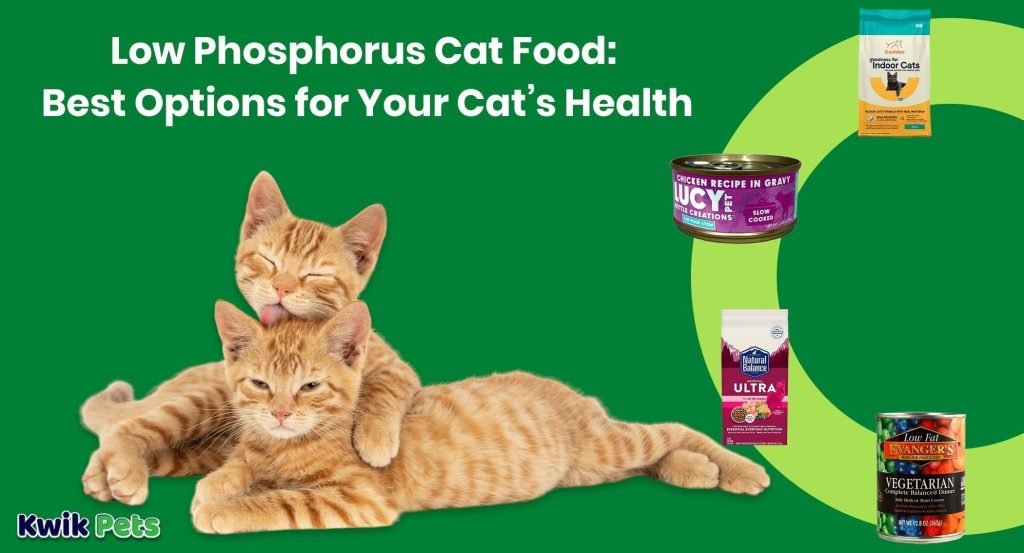
If your cat has kidney problems or other health issues, choosing the right food can feel overwhelming. You want to give your furry friend the best care, but where do you start?
Low phosphorus cat food might be the key to supporting your cat’s health and keeping them comfortable. You’ll discover why phosphorus matters, how it affects your cat’s body, and what to look for when picking the perfect food. Keep reading to find out how to make a simple change that could make a big difference for your cat’s well-being.
Importance Of Low Phosphorus Diets
Low phosphorus diets play a key role in managing feline health. Cats with kidney problems often struggle to process phosphorus properly. High phosphorus levels can worsen kidney damage and affect overall well-being.
Feeding a low phosphorus diet helps reduce strain on the kidneys. It supports kidney function and slows disease progression. Many veterinarians recommend this diet for cats with chronic kidney disease.
Protecting Kidney Health
Phosphorus builds up in the blood when kidneys fail. This buildup harms the kidneys further. A low phosphorus diet limits this buildup, helping to protect kidney health.
Reducing Toxins In The Body
Kidneys filter toxins from the blood. When damaged, toxins stay in the body longer. Lower phosphorus levels ease the workload on kidneys and reduce toxin levels.
Improving Quality Of Life
Cats with kidney issues often feel tired and weak. A low phosphorus diet supports better kidney function. This helps cats feel more energetic and comfortable.
Supporting Long-term Health
Consistent low phosphorus intake slows kidney disease progression. It helps cats live longer and healthier lives. Early diet changes make a big difference over time.
Benefits For Kidney Health
Low phosphorus cat food supports kidney health by reducing the workload on the kidneys. Cats with kidney problems often struggle to process excess phosphorus. Feeding them low phosphorus food helps slow kidney damage and maintain better kidney function.
Keeping phosphorus levels low can reduce symptoms like fatigue and loss of appetite. It also helps prevent the buildup of toxins in the blood, which kidneys usually filter out. This type of diet can improve your cat’s quality of life and extend their lifespan.
How Low Phosphorus Supports Kidney Function
Phosphorus is a mineral found in many foods. High phosphorus levels can strain the kidneys. Low phosphorus cat food reduces this strain by limiting phosphorus intake. This helps the kidneys work more efficiently and stay healthier for longer.
Reducing Toxin Buildup In Blood
Healthy kidneys filter waste and toxins from the blood. When kidneys fail, toxins build up and harm the body. Low phosphorus diets ease this problem by lowering waste production. This helps keep toxin levels more manageable in cats with kidney issues.
Managing Symptoms Of Kidney Disease
Kidney disease can cause tiredness, poor appetite, and weight loss. Low phosphorus cat food helps manage these symptoms by supporting kidney health. Cats may feel more energetic and eat better on this diet.
Supporting Long-term Kidney Health
Feeding low phosphorus cat food is a key step to protect kidneys over time. It helps slow kidney damage and maintain function. This diet supports your cat’s health and comfort as they age or face kidney challenges.
Key Ingredients To Look For
Choosing the right low phosphorus cat food means paying close attention to the ingredients. Not all recipes are created equal, especially when managing your cat’s kidney health. Knowing which ingredients support a balanced diet while keeping phosphorus levels low can make a big difference in your cat’s wellbeing.
High-quality Protein Sources
Your cat still needs protein, but the type and amount matter. Look for protein from high-quality sources like chicken, turkey, or egg whites. These provide essential amino acids without adding too much phosphorus.
Plant-based proteins often have higher phosphorus and lower digestibility. So, they may not be the best choice for a low phosphorus diet. Have you checked your cat food label lately to see where the protein comes from?
Essential Vitamins And Minerals
Low phosphorus cat foods should include vitamins and minerals that support overall health and kidney function. Vitamin B complex, vitamin E, and omega-3 fatty acids are great examples. They help reduce inflammation and promote energy.
Trace minerals like zinc and selenium also play a crucial role. They aid in immune function and antioxidant defense. Are you paying attention to these nutrients in your cat’s food?
Natural Flavor Enhancers
When phosphorus is limited, taste can sometimes suffer, making your cat less interested in eating. Natural flavor enhancers such as chicken broth, fish oils, or herbs can help improve palatability. This keeps your cat eager to eat without extra additives.
Artificial flavors or excessive fillers can add unwanted phosphorus or chemicals. Choosing foods with real, natural ingredients ensures your cat enjoys mealtime while staying healthy. Have you noticed your cat’s preference for certain flavors over others?
Top Cat Food Brands
Choosing the right low phosphorus cat food brand is key for cats with kidney issues. The market offers many options tailored to support kidney health and manage phosphorus intake. Understanding the types of available products helps pet owners select the best diet.
Prescription Diet Options
Prescription diets provide controlled phosphorus levels to protect kidney function. These foods are made under veterinary guidance and often require a vet’s approval.
- Hill’s Prescription Diet k/d
- Royal Canin Renal Support
- Purina Pro Plan Veterinary Diets NF Kidney Function
These brands focus on balanced nutrition with reduced phosphorus. They also support overall health with added vitamins and minerals.
Over-the-counter Choices
Some commercial cat foods manage phosphorus without a prescription. These products offer convenience and are easier to access.
- Blue Buffalo Natural Veterinary Diet
- Natural Balance L.I.D. Limited Ingredient Diets
- Wellness CORE Grain-Free
Over-the-counter options vary in phosphorus content. Always check labels and consult a vet before switching diets.
Homemade Diet Considerations
Homemade diets allow full control over ingredients and phosphorus levels. They require careful planning and vet advice to meet all nutritional needs.
- Use low-phosphorus proteins like egg whites or chicken breast
- Add appropriate supplements recommended by a vet
- Avoid high-phosphorus foods like organ meats and fish
Regular monitoring is crucial to ensure the diet supports kidney health effectively.
Reading Labels Effectively
Reading cat food labels carefully helps choose the right diet for your pet. Understanding labels ensures you pick food low in phosphorus. This is important for cats with kidney issues or special dietary needs.
Phosphorus Content Indicators
Check the guaranteed analysis section for phosphorus levels. It is often listed as a percentage. Lower percentages mean less phosphorus in the food.
Look for terms like “low phosphorus” or “reduced phosphorus.” These indicate the food is designed for cats needing less phosphorus.
Understanding Ingredient Lists
Ingredients are listed by weight, from most to least. Avoid foods with high-phosphorus ingredients near the top. Examples include fish meal, bone meal, and certain grains.
Look for ingredients such as rice, chicken, or vegetables. These usually have lower phosphorus levels. This helps keep your cat’s phosphorus intake controlled.
Nutritional Adequacy Statements
Find the nutritional adequacy statement on the packaging. It tells if the food meets standards for complete and balanced nutrition. Look for approval by AAFCO or similar organizations.
This statement ensures the food supports your cat’s health. It also confirms the nutrient levels, including phosphorus, are appropriate for specific life stages.
Credit: www.thepetpantry.com
Transitioning To A New Diet
Switching your cat to a low phosphorus diet is a crucial step for their kidney health, but it requires patience and attention. Sudden changes can upset their stomach or make them refuse the new food. Taking time to transition gently helps your cat adjust comfortably and stay happy during the process.
Gradual Introduction Tips
Start by mixing a small amount of the new low phosphorus food with your cat’s current diet. Try a ratio of 25% new food and 75% old food for the first few days.
Slowly increase the new food portion over 7 to 10 days until your cat is eating only the new diet. This helps their digestive system adapt without stress.
Offer the food at regular times and keep your cat’s environment calm. Sometimes a change in feeding routine can cause resistance.
Monitoring Cat’s Response
Watch closely for any changes in appetite, digestion, or energy levels. Is your cat eating eagerly, or are they hesitant?
Look out for signs like vomiting, diarrhea, or constipation, which might indicate the new diet isn’t agreeing with them. Noticing these early lets you adjust accordingly.
Keep a simple diary of what your cat eats and any reactions. This record can be invaluable if you need to discuss the transition with a vet.
Consulting With A Veterinarian
Always check with your veterinarian before making significant diet changes, especially for cats with health issues. They can recommend the best low phosphorus foods tailored to your cat’s needs.
Your vet can also advise on how long the transition should take and what signs to watch out for that require professional attention.
Remember, your vet’s guidance ensures that the new diet supports your cat’s health without causing unintended problems.
Common Myths And Misconceptions
Many cat owners have wrong ideas about low phosphorus cat food. These myths can confuse choices and harm cat health. Clearing up these myths helps in making smart decisions for cats with kidney issues.
Myth Of Grain-free Diets
Some believe grain-free means low phosphorus. This is not true. Grain-free foods may still have high phosphorus. Grains do not cause high phosphorus in cat food. Meat and fish are the main phosphorus sources. Always check the label for phosphorus content.
Misunderstandings About Protein
Many think low phosphorus means low protein. Cats need protein to stay healthy. Not all proteins have the same phosphorus levels. Some proteins are low in phosphorus but high in quality. Choose foods with balanced protein and low phosphorus for kidney health.

Credit: www.amazon.com
Additional Tips For Kidney Care
Proper kidney care is vital for cats with kidney issues. Low phosphorus cat food helps reduce kidney stress. Supporting your cat’s kidneys with simple care tips improves their quality of life. These additional steps work well alongside a special diet. Small habits make a big difference.
Encouraging Hydration
Water supports kidney function and flushes out toxins. Provide fresh water bowls in several spots. Wet food can increase fluid intake naturally. Some cats prefer running water, so try a cat water fountain. Monitor your cat’s drinking habits daily. If they drink less, offer ice cubes or broth to tempt them.
Regular Veterinary Check-ups
Frequent vet visits catch kidney problems early. Schedule check-ups every three to six months. Blood tests and urine checks track kidney health. Your vet can adjust diet or treatment based on results. Early detection slows kidney disease progression. Keep records of your cat’s symptoms and share them with your vet.
Supplemental Care Options
Supplements may support kidney health alongside diet. Omega-3 fatty acids reduce inflammation in kidneys. Ask your vet about phosphate binders if phosphorus levels rise. Antioxidants protect kidney cells from damage. Avoid giving human supplements without vet approval. Always follow professional advice for safe use.

Credit: www.amazon.com
Frequently Asked Questions
What Is Low Phosphorus Cat Food?
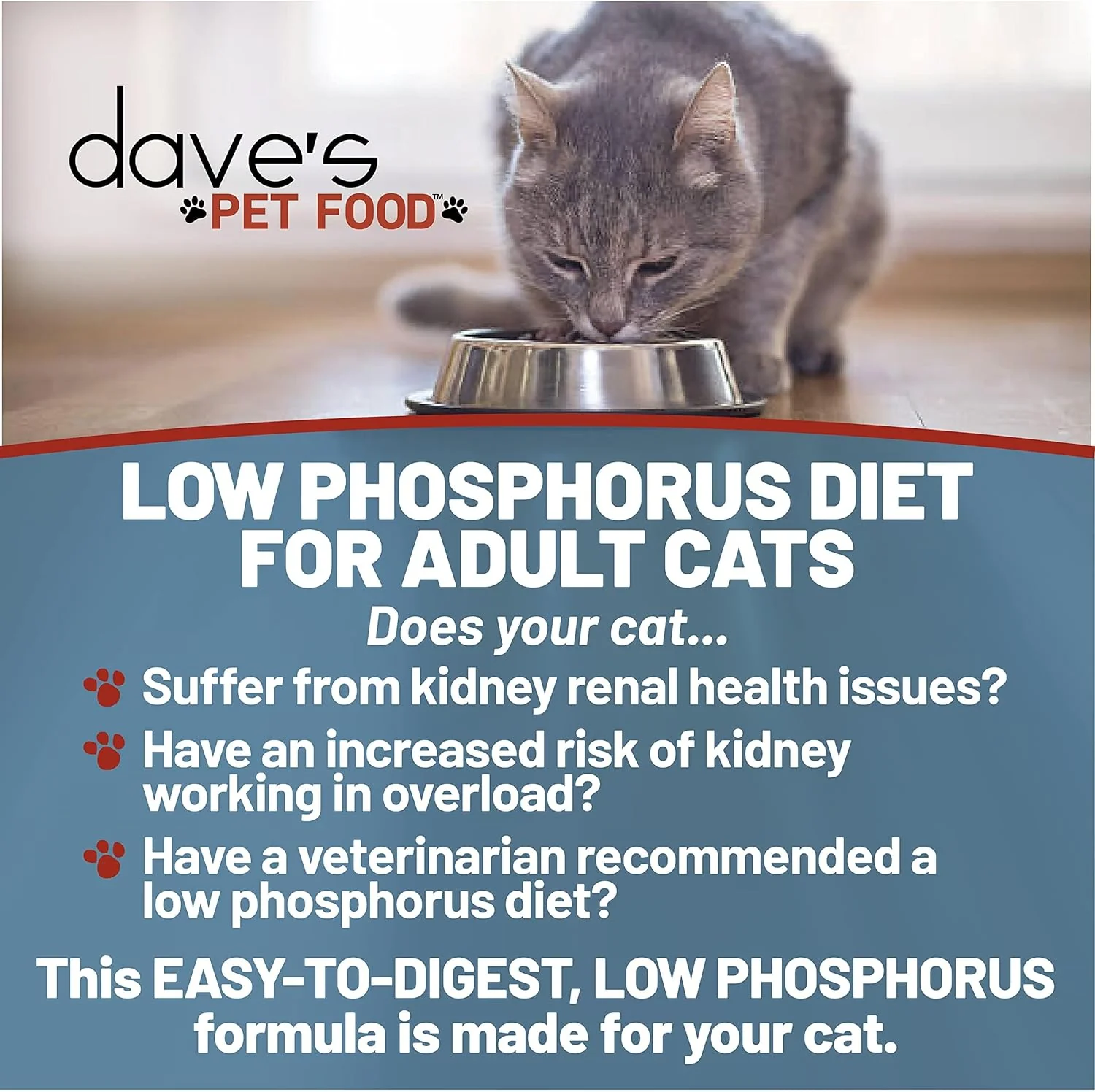
Low phosphorus cat food contains reduced phosphorus levels. It supports cats with kidney issues and prevents further kidney damage. This diet helps maintain kidney function and overall health in affected cats.
Why Is Phosphorus Control Important For Cats?
Phosphorus control prevents kidney strain and damage. High phosphorus levels worsen kidney disease and reduce lifespan. Managing phosphorus improves quality of life and slows disease progression in cats.
Which Cats Need Low Phosphorus Food?
Cats with chronic kidney disease or kidney dysfunction need low phosphorus food. It helps manage symptoms and supports kidney health. Always consult a vet before changing your cat’s diet.
How To Choose The Best Low Phosphorus Cat Food?
Look for products labeled low phosphorus or renal support. Check ingredient lists and phosphorus content. Choose high-quality protein and consult your vet for recommendations tailored to your cat’s needs.
Conclusion
Choosing low phosphorus cat food helps keep your cat healthy. It supports kidney function and reduces strain. Cats with kidney issues need special diets to feel better. Always check the food label for phosphorus content. Talk with your vet before changing your cat’s diet.
Small changes can make a big difference. Feeding the right food helps your cat live longer. Healthy cats are happy cats. Remember, good nutrition is key to your cat’s well-being. Simple steps today protect your cat’s health tomorrow.
