

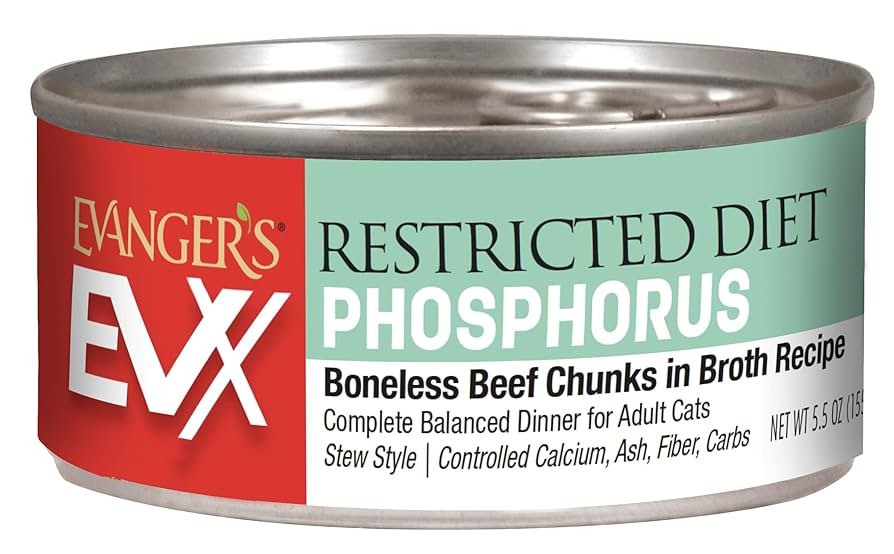
If your cat needs a special diet, finding the right food can be tough. Low phosphorus canned cat food is a key choice for cats with kidney issues or other health concerns.
But how do you pick the best one? You want food that keeps your furry friend healthy and happy without compromising taste. You’ll discover why low phosphorus matters and how to choose the perfect canned cat food for your pet’s needs.
Keep reading to give your cat the care they deserve.

Credit: www.amazon.com
Why Low Phosphorus Matters
Phosphorus is a vital mineral for cats, but too much can harm their health. Low phosphorus canned cat food helps keep this mineral in balance. This balance supports overall well-being, especially for cats with kidney problems. Understanding why low phosphorus matters can guide better food choices.
Impact On Cat Kidney Health
Kidneys filter waste and regulate minerals like phosphorus. High phosphorus levels put extra strain on kidneys. This can speed up kidney damage, especially in older cats. Low phosphorus diets reduce this burden. They help slow kidney disease progression. This keeps cats feeling healthier longer.
Signs Of Phosphorus Imbalance
Too much phosphorus can cause noticeable health issues in cats. Watch for these signs:
- Increased thirst and urination
- Loss of appetite
- Weight loss
- Lethargy or weakness
- Vomiting or diarrhea
Spotting these signs early helps in managing phosphorus levels better. Low phosphorus canned cat food supports better kidney health and overall vitality.

Credit: www.amazon.com
Key Benefits Of Low Phosphorus Cat Food
Low phosphorus canned cat food offers important health benefits. It helps manage certain health issues and supports daily wellness. Cats with kidney problems especially need diets low in phosphorus. Feeding low phosphorus food can slow kidney damage and improve life quality.
Supports Kidney Function
Kidneys filter waste and balance minerals in the blood. High phosphorus levels can strain kidneys and cause harm. Low phosphorus cat food reduces this strain. It helps kidneys work better for longer. Cats with kidney disease often show improved symptoms on this diet. It also lowers the risk of kidney failure in healthy cats.
Improves Overall Wellness
Proper nutrition affects a cat’s energy and mood. Low phosphorus food supports healthy bones and muscles. It prevents mineral imbalances that cause weakness or illness. Cats feel more active and comfortable on this diet. The food also helps maintain a healthy weight. It keeps cats feeling their best every day.
Top Ingredients To Look For
Choosing the right low phosphorus canned cat food means paying close attention to the ingredients list. You want components that support your cat’s health without overloading their kidneys. Quality ingredients not only nourish your pet but can also make managing their diet much easier.
High-quality Protein Sources
Look for real meat or fish listed as the first ingredient. Ingredients like chicken, turkey, salmon, or whitefish provide essential amino acids without excess phosphorus. Avoid foods that rely heavily on by-products or plant-based proteins, as these can increase phosphorus levels and reduce digestibility.
Have you noticed how your cat responds to a protein source? Cats often prefer whole meat, which can improve their appetite and overall well-being. Choosing high-quality proteins helps maintain muscle mass and energy, which is crucial if your cat has kidney concerns.
Natural Additives And Supplements
Check for added ingredients that support kidney health and digestion. Ingredients such as omega-3 fatty acids from fish oil, antioxidants like vitamin E, and natural fiber sources can make a big difference. These additives help reduce inflammation and promote better nutrient absorption.
Many low phosphorus formulas include supplements like potassium or B vitamins to replace what kidney issues might deplete. Does your cat’s food list these? They play a vital role in balancing electrolytes and supporting overall vitality.

Credit: www.amazon.com
Best Low Phosphorus Canned Cat Foods
Choosing the right low phosphorus canned cat food supports kidney health. Cats with kidney issues need diets with controlled phosphorus levels. This helps reduce kidney strain and improves quality of life. Quality canned foods offer balanced nutrition and are easy to serve. The best options combine low phosphorus with good taste and essential nutrients.
Premium Brand Options
Premium brands focus on high-quality ingredients and balanced nutrition. These options often use real meat and avoid fillers. They usually have clear labeling about phosphorus content. Many premium foods include added vitamins and minerals for overall health. These choices are ideal for cats with sensitive diets or medical needs.
- Hill’s Prescription Diet k/d: Formulated for kidney support with low phosphorus.
- Royal Canin Renal Support: Offers several flavors with controlled phosphorus levels.
- Blue Buffalo Natural Veterinary Diet: Combines natural ingredients with kidney health focus.
- Weruva Cats in the Kitchen: Grain-free with low phosphorus and high moisture.
Budget-friendly Choices
Affordable low phosphorus canned cat foods provide good nutrition without high costs. These options suit owners on a budget but wanting quality care. They often have fewer fancy ingredients but still maintain safety standards. Reading labels carefully helps find low phosphorus options in regular stores.
- Purina ONE Urinary Tract Health: Supports urinary and kidney health affordably.
- Fancy Feast Classic Pate: Some varieties have lower phosphorus content.
- Sheba Perfect Portions: Convenient, portion-controlled cans with moderate phosphorus.
- Friskies Pate: Economical and palatable, check for phosphorus levels on label.
How To Transition Your Cat’s Diet
Changing your cat’s food to a low phosphorus canned option takes time and care. Sudden changes can upset your cat’s stomach or make them refuse the new food. A smooth transition helps your cat accept the new diet without stress. It also supports their health by allowing their body to adjust gradually.
Gradual Food Introduction
Start by mixing a small amount of low phosphorus canned food with your cat’s current food. Use about 25% new food and 75% old food at first. Offer this mix for three to four days. If your cat eats well and shows no problems, increase the new food to 50%. Keep doing this for another three to four days. Next, move to 75% new food and 25% old food. After about two weeks, your cat should be eating only the low phosphorus canned food.
Use a clean bowl and fresh food each time. Keep feeding times regular to help your cat adjust.
Monitoring Cat’s Response
Watch your cat closely during the change. Look for signs like vomiting, diarrhea, or loss of appetite. If you notice any of these, slow down the transition. Go back to the previous mix ratio for a few more days. Also, pay attention to your cat’s energy and mood. Healthy cats stay active and alert.
Keep track of your cat’s weight and drinking habits. Changes in these can show how well the new diet suits them. Contact your vet if any problems continue or if you have concerns. Regular check-ups help ensure your cat’s health stays on track.
Common Mistakes To Avoid
Choosing the right low phosphorus canned cat food is crucial for your cat’s health, especially if they have kidney issues. However, many pet owners make avoidable mistakes that can undermine their efforts. Recognizing these common pitfalls can help you make better decisions and keep your feline friend healthier.
Ignoring Phosphorus Levels
Phosphorus content is the key factor in low phosphorus cat food. Some brands may advertise “kidney-friendly” or “healthy” but still have high phosphorus levels. Always check the nutrition label carefully—your cat’s well-being depends on it.
Have you ever picked a product based on the brand name alone and later found it unsuitable? That’s a common trap. Even if the label doesn’t highlight phosphorus, look for ingredients like meat meals or additives that can increase phosphorus.
Choosing Inappropriate Ingredients
Not all ingredients are created equal when managing phosphorus intake. Ingredients like organ meats, dairy, and certain grains can spike phosphorus levels even if the overall number looks low. Avoid foods that list these near the top of the ingredient list.
Consider the quality of protein sources too. Real meat or fish is better than by-products, which often contain hidden phosphorus. Ask yourself—does the ingredient list look natural and simple, or is it full of fillers and additives?
Frequently Asked Questions
What Is Low Phosphorus Canned Cat Food?
Low phosphorus canned cat food has reduced phosphorus levels. It helps support kidney health and prevents further damage in cats with kidney disease.
Why Choose Low Phosphorus Canned Cat Food?
Choosing low phosphorus canned cat food protects your cat’s kidneys. It helps manage chronic kidney disease and improves their quality of life.
How To Identify Low Phosphorus Cat Food?
Check the label for phosphorus content. Low phosphorus cat food usually contains less than 0. 3% phosphorus on a dry matter basis.
Can All Cats Eat Low Phosphorus Canned Food?
Not all cats need low phosphorus food. It is best suited for cats with kidney issues as advised by a vet.
Conclusion
Choosing low phosphorus canned cat food helps protect your cat’s kidneys. It supports their health and keeps them active. Feeding the right diet can reduce risks of kidney problems. Cats enjoy tasty meals that also suit their needs. Always check labels for phosphorus content before buying.
Talk to your vet to find the best option. Healthy food means a happier, longer life for your cat. Small changes in diet make a big difference. Keep your cat’s wellbeing a top priority every day.
