

If your cat has been diagnosed with thyroid issues, you might be feeling overwhelmed about what to feed them. Choosing the right food is crucial, and that’s where low iodine cat food comes in.
You want to give your furry friend meals that support their health without making their condition worse. You’ll discover why low iodine cat food matters, how it can help your cat feel better, and what to look for when picking the best option.
Keep reading to learn how to make the best choice for your cat’s health and happiness.

Credit: www.canadianpetconnection.ca
Why Low Iodine Matters
Choosing low iodine cat food is important for cats with specific health needs. Iodine affects how a cat’s body works, especially the thyroid gland. Too much iodine can cause problems, making it vital to control iodine intake in certain cats. Understanding why low iodine matters helps pet owners make better food choices.
Impact Of Iodine On Cat Health
Iodine is a mineral essential for thyroid hormone production. These hormones control metabolism, energy, and growth. Too much iodine can overstimulate the thyroid, causing it to work too hard. Too little iodine can slow down the thyroid, leading to health problems. Balance is key for a cat’s well-being.
Common Conditions Linked To Iodine
High iodine levels can cause hyperthyroidism in cats. This condition speeds up metabolism and causes symptoms like:
- Weight loss
- Increased appetite
- Restlessness
- Rapid heartbeat
Low iodine intake is important for cats with thyroid disease. It helps manage symptoms and supports proper thyroid function. Feeding low iodine food can reduce risks and improve a cat’s health.
Symptoms That Signal Iodine Issues
Noticing signs that your cat might be struggling with iodine issues can be tricky. Iodine is essential for their thyroid function and overall health. Missing these symptoms early can lead to bigger health problems, so keeping an eye on changes is crucial.
Physical Signs To Watch For
One common physical sign is unexplained weight gain or loss. Your cat might look bloated or develop a rough, dull coat. Swelling around the neck area could also indicate thyroid enlargement due to iodine imbalance.
Other signs include lethargy and feeling cold even in warm environments. You might notice your cat’s skin becoming dry or flaky. These symptoms are subtle but important to catch early.
Behavioral Changes In Cats
Have you noticed your cat becoming unusually tired or less playful? Iodine issues can cause your cat to act sluggish or withdrawn. They might also seem more irritable or restless without any obvious cause.
Changes in appetite are another clue. Your cat may eat less or more than usual, which can confuse many pet owners. Watching for these shifts in behavior helps you spot iodine problems before they worsen.
Choosing Low Iodine Cat Food
Choosing the right low iodine cat food can feel overwhelming, especially when your feline friend’s health depends on it. You want to make sure the food supports their condition without compromising on nutrition or taste. Understanding what to avoid and knowing which brands deliver quality low iodine options will help you make confident choices for your cat’s diet.
Key Ingredients To Avoid
Not all cat foods labeled as “low iodine” are created equal. You need to watch out for ingredients that naturally contain high iodine levels. Avoid seafood like kelp, fish, and shellfish, as they are rich in iodine and can quickly spike your cat’s intake.
Also, be cautious about dairy products and iodized salt. These can sneak iodine into your cat’s meals without you realizing it. Instead, look for foods that use alternative seasonings and fillers that don’t add iodine.
- Seaweed and kelp
- Fish and shellfish
- Iodized salt
- Dairy ingredients
Have you checked your current cat food’s label for these ingredients? Sometimes, even trusted brands include additives that are not suitable for a low iodine diet.
Top Low Iodine Cat Food Brands
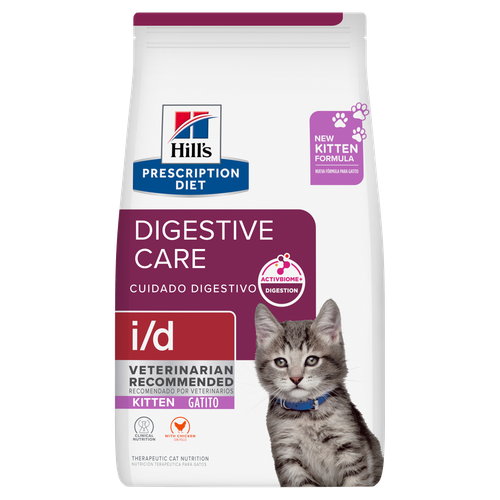
Finding reliable brands that specialize in low iodine cat food saves you time and stress. Some companies focus on veterinary-formulated diets, ensuring they meet strict iodine limits. Brands like Hill’s Prescription Diet and Royal Canin Veterinary Diet offer options tailored for cats with thyroid concerns.
Homemade recipes can also be an option if you want full control over the ingredients. However, this requires guidance from a vet or pet nutritionist to keep iodine levels safe. Have you considered consulting a professional to customize your cat’s meals?
| Brand | Product Line | Special Features |
|---|---|---|
| Hill’s Prescription Diet | y/d Thyroid Care | Clinically tested, low iodine, supports thyroid health |
| Royal Canin Veterinary Diet | Thyroid Support | Vet-formulated, balanced nutrition, low iodine |
| Blue Buffalo Natural Veterinary Diet | Support Formula | Natural ingredients, low iodine options, no artificial additives |
Would your cat benefit from switching to one of these trusted brands? Monitoring their response to new food is key to maintaining their health.

Credit: www.amazon.com
Homemade Low Iodine Diets
Making homemade low iodine diets for your cat can feel overwhelming at first. But with the right ingredients and a clear understanding of nutritional balance, you can prepare meals that support your cat’s health without excess iodine. It’s a hands-on way to control what your pet eats and avoid additives found in many commercial foods.
Safe Ingredients For Diy Meals
Choosing safe ingredients is key to keeping iodine levels low. Plain cooked meats like chicken, turkey, and rabbit work well. Avoid seafood, dairy, and iodized salt since they contain higher iodine amounts.
- Fresh chicken breast (skinless and boneless)
- White rice or pasta (plain, no seasoning)
- Egg whites (avoid yolks, which have more iodine)
- Vegetables like carrots and green beans, cooked and chopped finely
Have you checked the labels on any supplements or treats? Even small amounts of iodized salt can add up quickly. Always double-check to keep iodine low.
Balancing Nutrients At Home
Low iodine doesn’t mean low nutrition. You need to add vitamins and minerals to keep your cat healthy. A vet or pet nutritionist can help you find supplements that fit a low iodine plan.
Protein is essential, but so are fats and certain vitamins. You might add fish oil for omega-3s—but only if it’s from a low iodine source. Calcium can come from crushed eggshells, but in measured amounts.
| Nutrient | Sources to Use | Notes |
|---|---|---|
| Protein | Chicken, turkey, egg whites | Cook thoroughly, avoid processed meats |
| Fat | Chicken fat, fish oil (low iodine) | Consult vet for safe doses |
| Calcium | Crushed eggshells | Use measured amounts to avoid imbalance |
| Vitamins & Minerals | Supplements prescribed by vet | Must be low iodine and balanced |
Are you ready to commit time to meal prep that truly supports your cat’s health? The effort pays off by reducing risks associated with excess iodine and giving you peace of mind about your pet’s diet.
Feeding Tips For Cats On Low Iodine Diets
Caring for a cat on a low iodine diet needs special feeding habits. This diet helps manage thyroid health and supports overall well-being. Proper feeding techniques make this diet easier and more effective for your feline friend.
Transitioning To New Food
Switch your cat to low iodine food slowly. Mix the new food with the old one in small amounts. Gradually increase the new food over 7 to 10 days. Watch your cat’s appetite and digestion during this time. A slow change helps avoid upset stomach and stress.
Portion Control And Frequency
Feed your cat small, balanced meals several times a day. This supports steady iodine levels and energy. Follow your vet’s advice on portion sizes based on your cat’s weight and health. Avoid free feeding to control iodine intake better. Regular feeding times help your cat feel secure and healthy.

Credit: www.zealandiapets.com
Veterinary Care And Monitoring
Veterinary care plays a key role in managing a cat’s low iodine diet. Careful monitoring helps ensure the diet supports your cat’s health. It also helps catch any problems early. Regular visits to the vet allow for close observation of your cat’s condition. This helps tailor the diet and treatment plan to meet your cat’s needs.
Regular Checkups And Tests
Frequent checkups help track your cat’s thyroid function and overall health. Blood tests measure hormone levels and iodine status. These tests show how well the diet controls the condition. Your vet will also examine your cat physically. They watch for changes in weight, energy, and coat quality. These signs indicate how the diet affects your cat.
Adjusting Diet Based On Health
Veterinarians adjust the low iodine diet based on test results and symptoms. If hormone levels rise, the diet may need tightening. If your cat loses weight or acts tired, changes might be necessary. Adjustments can involve different food brands or homemade recipes. The goal is to keep iodine levels low but provide good nutrition. Close monitoring ensures the diet stays effective and safe over time.
Frequently Asked Questions
What Is Low Iodine Cat Food?
Low iodine cat food contains reduced iodine levels to support cats with thyroid issues. It helps manage hyperthyroidism by limiting iodine intake. This diet is often prescribed by veterinarians for cats with thyroid imbalances to improve their health safely.
Why Do Cats Need Low Iodine Diets?
Cats need low iodine diets to control hyperthyroidism, a common thyroid disorder. Excess iodine can worsen thyroid problems. A low iodine diet helps regulate hormone production, reducing symptoms and improving the cat’s quality of life.
How To Choose The Best Low Iodine Cat Food?
Choose low iodine cat food by checking iodine content on the label. Look for veterinary-approved brands specifically designed for thyroid health. Consult your vet for recommendations and ensure the food meets all nutritional needs of your cat.
Can Low Iodine Cat Food Treat Hyperthyroidism?
Yes, low iodine cat food can help treat hyperthyroidism by limiting iodine intake. This reduces thyroid hormone production, managing symptoms effectively. It is often part of a comprehensive treatment plan including medication or surgery.
Conclusion
Choosing low iodine cat food helps support your cat’s health well. It reduces stress on their thyroid and keeps them comfortable. Always check ingredient lists and pick trusted brands. Consult your vet for the best diet plan. Feeding the right food can make a big difference.
Your cat will feel better and stay strong longer. Simple changes in diet bring great benefits for your pet. Care and attention matter the most for your cat’s well-being.
