

If you have a longhair cat, you know how stunning their silky fur can be. But you also know it takes effort to keep that coat looking healthy and beautiful.
Grooming your longhair cat isn’t just about appearance—it’s about comfort and health too. Imagine avoiding painful mats, reducing shedding, and enjoying more quality time with your furry friend. You’ll discover simple, effective grooming tips that fit into your daily routine.
Ready to make grooming easy and enjoyable for both you and your cat? Let’s dive in.

Credit: www.downtowntabbycattery.com
Choosing The Right Tools
Choosing the right tools makes grooming easier and more effective. Longhair cats need special care to keep their coats clean and healthy. Using proper tools helps avoid pain and stress for your cat. It also saves time and effort during grooming sessions.
Quality tools protect your cat’s delicate fur from damage. They help remove dirt, loose hair, and tangles gently. Select tools that fit your cat’s size and coat type. Comfort for both you and your cat matters most.
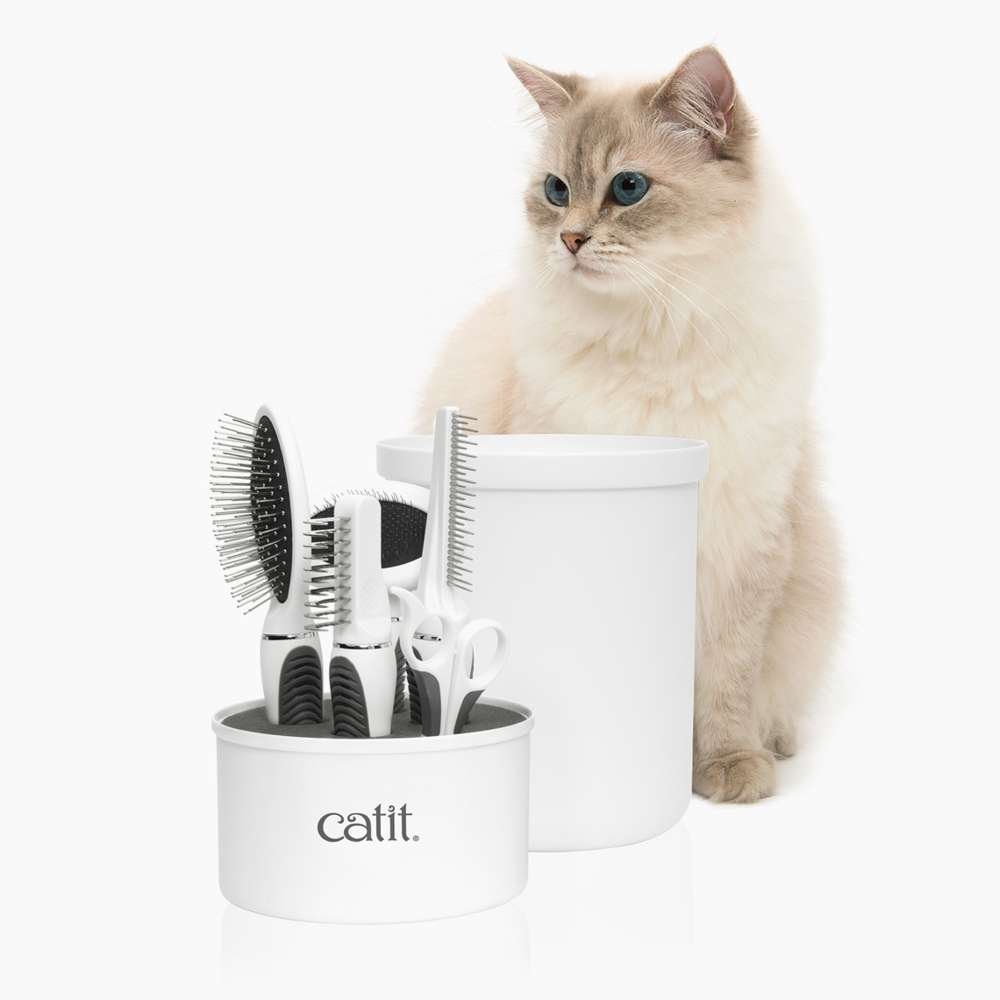
Brushes And Combs
Use brushes designed for long fur. Slicker brushes remove loose hair and mats carefully. Wide-tooth combs work well for detangling knots without pulling. Choose soft bristles to protect your cat’s sensitive skin.
Brush your cat regularly to prevent mats from forming. Start brushing gently from the head and move toward the tail. Check for hidden tangles behind ears and under legs.
Detangling Sprays
Detangling sprays soften fur and ease combing. They reduce pulling and discomfort during grooming. Look for sprays made with natural ingredients. Avoid sprays containing harsh chemicals or strong scents.
Spray lightly on tangled areas before brushing. Let it sit for a few minutes to work better. This makes combing smooth and less stressful for your cat.
Nail Clippers And Scissors
Trim your cat’s nails to prevent scratches and injury. Use sharp nail clippers designed for cats. Rounded-tip scissors help trim fur around sensitive areas safely. Avoid cutting too close to the quick to stop bleeding.
Keep grooming tools clean and sharp. Dull blades can hurt your cat and cause discomfort. Regular maintenance ensures safe and easy grooming sessions.

Credit: catit.ca
Daily Grooming Routine
Keeping your longhair cat looking and feeling great starts with a daily grooming routine. This isn’t just about appearance—it helps prevent painful mats, keeps their coat healthy, and strengthens your bond. A few minutes each day can make a huge difference in your cat’s comfort and happiness.
Brushing Techniques
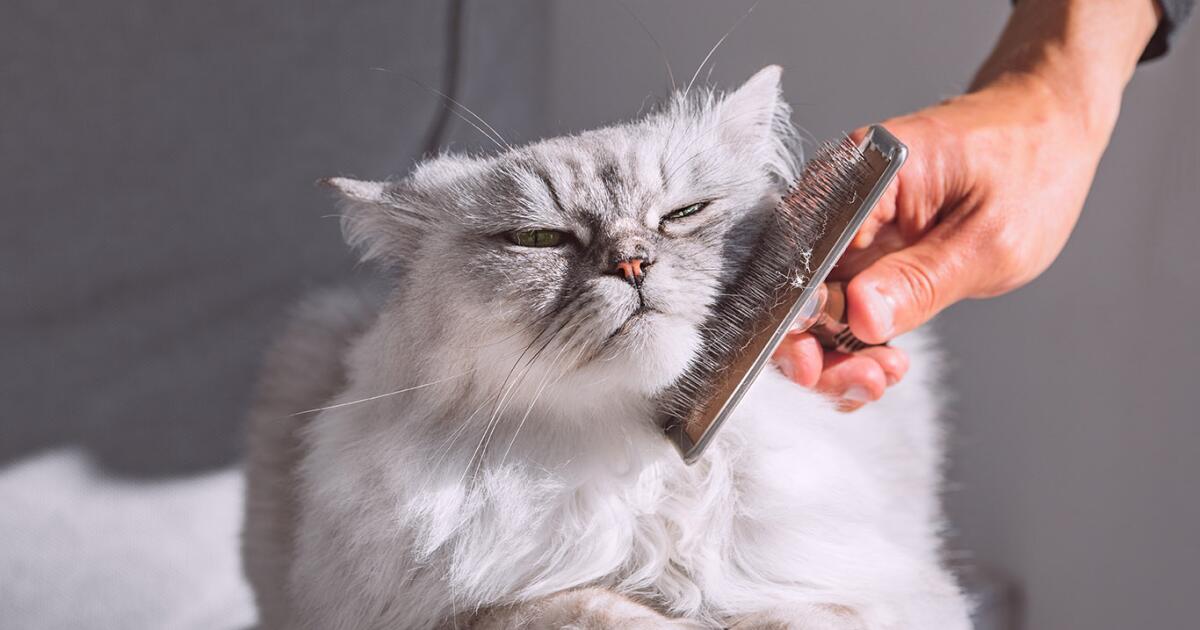
Use a wide-toothed comb or a slicker brush to gently work through your cat’s fur. Start at the head and move toward the tail in small sections to cover all areas. Always brush in the direction of hair growth to avoid pulling or hurting your cat.
Pay special attention to spots where fur tends to clump, like behind the ears and under the legs. If your cat resists, try brushing for just a minute or two and gradually increase the time. Have you noticed how some cats actually seem to enjoy this quiet bonding time?
Checking For Mats And Tangles
Mats can form quickly in long fur and cause discomfort or skin problems. Run your fingers gently through the coat after brushing to feel for any tight clumps. If you find a mat, don’t pull hard—use a mat splitter or your fingers to carefully loosen it.
Regular checks help you catch mats before they get too big or painful. Could a quick daily check save your cat from future vet visits?
Cleaning Eyes And Ears
Longhair cats often get tear stains and ear buildup that need daily attention. Use a soft, damp cloth to wipe around the eyes gently. For ears, a cotton ball lightly moistened with a vet-approved solution can clean the outer ear without causing harm.
Never insert anything deep into the ear canal. Keeping these areas clean prevents infections and makes your cat more comfortable. Have you ever discovered a simple daily habit that stopped a bigger health issue?
Bathing Your Longhair Cat
Bathing a longhair cat needs care and patience. Their thick fur can trap dirt and oils, which makes regular cleaning important. A good bath keeps their coat shiny and helps avoid mats and tangles. Many cats dislike water, so gentle handling is key. Prepare your space and supplies before starting to make the process smooth. Calm your cat with soft words and slow movements.
When To Bathe
Only bathe your longhair cat when necessary. Too many baths can dry out their skin. Bath your cat if their fur is very dirty or greasy. Also, if they have fleas or skin issues, a bath may help. After outdoor adventures or accidents, a bath is a good idea. Most cats need a bath every few months at most.
Selecting Cat-friendly Shampoo
Use shampoo made specifically for cats. Human or dog shampoos can harm their skin. Look for gentle, hypoallergenic formulas. Avoid products with strong fragrances or harsh chemicals. Shampoos with natural ingredients soothe skin and fur. Always read labels carefully to ensure safety for cats.
Drying Tips
Dry your cat gently to prevent chills. Use a soft towel to absorb water. Avoid rubbing hard, which can tangle fur. Pat the coat and wrap your cat in a towel. If your cat allows, use a hairdryer on low, cool setting. Keep the dryer moving to avoid hot spots. Make sure the room is warm and draft-free during drying.
Dealing With Mats And Tangles
Mats and tangles can turn your longhair cat’s beautiful coat into a troublesome mess quickly. They not only look unpleasant but can also cause discomfort and skin problems for your feline friend. Handling these knots carefully and promptly will keep your cat happy and healthy.
Preventing Mats
Prevention is the easiest way to deal with mats. Regular brushing, ideally daily, helps remove loose fur and stops tangles from forming. Use a wide-toothed comb followed by a slicker brush to reach deep layers without hurting your cat.
Keep an eye on areas prone to mats like behind the ears, under the legs, and around the collar. Bathing your cat occasionally with a gentle shampoo can also soften the fur, making it less likely to tangle. Have you noticed your cat grooming less? That’s a sign you need to step up the brushing routine.
Safe Removal Methods
When mats do form, avoid pulling or cutting them out carelessly. Pulling causes pain and can hurt your cat’s skin. Instead, gently work through the mat with your fingers or a dematting comb designed to split knots safely.
If a mat is too tight, apply a little conditioner or detangling spray to loosen it. Patience is key—take your time, break the mat into smaller sections, and be sure to reward your cat with treats to keep the experience positive. Have you tried using your cat’s favorite toy as a distraction during grooming?
When To Seek Professional Help
Sometimes mats become too stubborn or cover sensitive areas. If your cat shows signs of distress or the mats are close to the skin, it’s best to visit a professional groomer. They have special tools and experience to safely remove tough mats without causing pain.
Professional grooming also helps if your cat is anxious or aggressive during grooming sessions at home. Don’t wait for mats to worsen—early professional intervention can save your cat from discomfort and skin infections.
Maintaining Healthy Fur
Maintaining healthy fur on your longhair cat is more than just brushing. It involves a combination of good nutrition, proper hydration, and regular health checkups. These elements work together to keep your cat’s coat shiny, strong, and free from mats and tangles.
Nutrition For Coat Health
Your cat’s diet plays a key role in the condition of their fur. Foods rich in omega-3 and omega-6 fatty acids help to maintain a glossy, soft coat. Look for cat food that lists fish oils, flaxseed, or chicken fat as ingredients.
Protein is another important nutrient for fur strength and growth. High-quality animal protein supports the natural shedding cycle and helps prevent dry, brittle hair. Have you checked your cat’s food label lately to ensure it meets these needs?
Hydration Importance
Water is essential for healthy skin and fur. Dehydration can cause your cat’s coat to become dull and flaky. Always provide fresh water and consider adding wet food to your cat’s diet to boost their fluid intake.
If you notice dry patches or excessive shedding, ask yourself if your cat is drinking enough. Sometimes a water fountain can encourage your cat to drink more, improving their overall coat condition.
Regular Vet Checkups
Regular visits to the vet help catch skin or coat problems early. Parasites, allergies, or hormonal imbalances can affect your cat’s fur quality without obvious signs. Your vet can recommend treatments or dietary adjustments to keep the coat healthy.
Think about your last vet visit—did you discuss your cat’s fur health? Early detection of issues can save your cat from discomfort and keep their coat looking its best.
Seasonal Grooming Adjustments
Longhair cats require grooming that changes with the seasons to keep their coats healthy and comfortable year-round. Different times of the year bring varying challenges, from heavy shedding to temperature shifts. Adjusting your grooming routine as the seasons change helps prevent matting, skin problems, and discomfort for your feline friend.
Shedding Seasons
Shedding usually peaks in spring and fall when your cat is getting ready to adjust to new temperatures. During these times, you’ll notice more fur on your furniture and clothes. Increasing brushing sessions to daily can help catch loose hair before it falls out around your home.
Using a wide-toothed comb or a deshedding tool can make a big difference. This extra attention not only reduces shedding but also prevents painful mats from forming. Have you ever tried brushing your cat outdoors during shedding season? It can save your vacuum from endless cleanups.
Temperature Considerations
Longhair cats feel heat and cold more intensely because of their thick coats. In colder months, they appreciate extra brushing to remove dead fur and allow fresh coat growth to keep them warm. However, in summer, too much fur can cause overheating, so trimming or thinning the coat slightly might be necessary.
Keep an eye on your cat’s behavior—if they seem restless or seek cool surfaces, it might be time to lighten their coat. Balancing grooming with temperature changes helps your cat stay comfortable and healthy all year.
Special Care During Molting
Molting is more intense than regular shedding and requires special care. It’s a stressful time for your cat because their skin can become sensitive and prone to irritation. Gently brushing with soft bristles and avoiding harsh grooming tools will protect their skin and coat.
Offer your cat extra hydration and nutrition during molting to support healthy fur regrowth. Have you noticed your cat’s mood change during heavy molting? Patience and gentle care can make a big difference in helping them through this phase.
Credit: www.latimes.com
Frequently Asked Questions
How Often Should I Groom A Longhair Cat?
Longhair cats need grooming at least 3-4 times a week. Regular brushing prevents mats and reduces shedding. Frequent grooming keeps their coat healthy and shiny. It also helps detect skin issues early and reduces hairballs.
What Tools Are Best For Grooming Longhair Cats?
Use a slicker brush and a wide-toothed comb for longhair cats. A grooming rake helps remove loose undercoat. Nail clippers and grooming scissors are also useful. Always choose tools designed specifically for cats to avoid discomfort.
How Can I Prevent Mats In Longhair Cat Fur?
Prevent mats by brushing your cat daily or every other day. Focus on areas prone to tangles like the belly and behind ears. Use detangling sprays if needed. Regular grooming keeps the coat smooth and mat-free.
Is Professional Grooming Necessary For Longhair Cats?
Professional grooming is recommended every few months for longhair cats. Groomers can handle tough mats and trims safely. They offer services like bathing, nail clipping, and ear cleaning. This keeps your cat comfortable and well-maintained.
Conclusion
Caring for a longhair cat takes time and patience. Regular brushing stops mats and keeps fur smooth. Clean eyes and ears help avoid infections. Healthy food supports shiny, strong hair. Watch your cat’s skin for any changes. Grooming builds trust and deepens your bond.
Small daily efforts bring big rewards. Your cat will feel happy and loved. Keep routines simple and consistent for best results. Enjoy every moment with your furry friend.
