

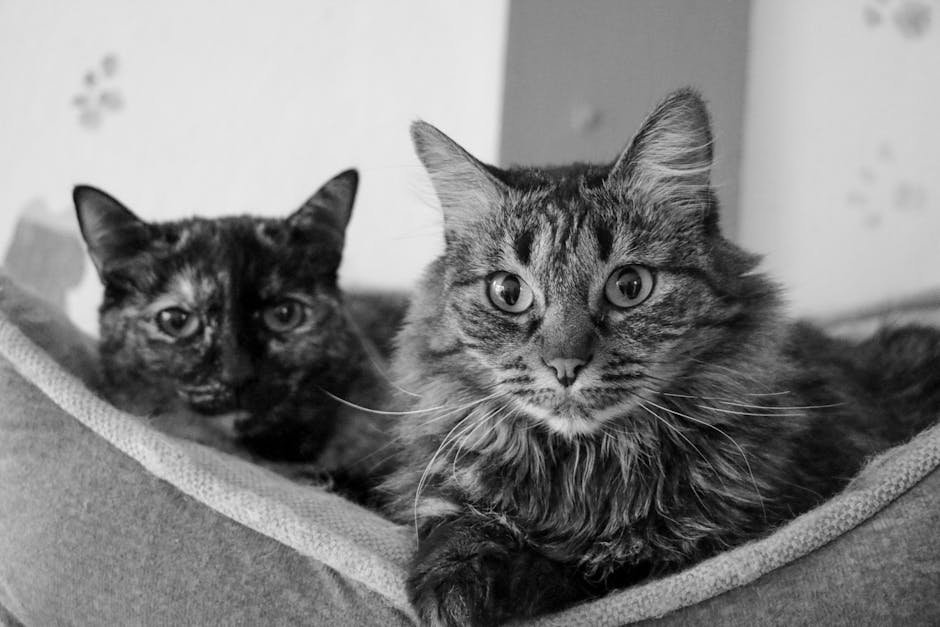
Are you drawn to the soft, flowing coats of long haired domestic cats? These beautiful companions aren’t just a treat for the eyes—they bring warmth and charm into your home.
But with so many breeds to choose from, how do you find the perfect one for your lifestyle? You’ll discover the most popular long haired cat breeds, what makes each unique, and tips to care for their luxurious fur. Keep reading to find the ideal feline friend that fits right into your life.
Popular Long Haired Breeds
Long haired domestic cats bring charm and elegance to any home. Their thick, flowing coats and gentle personalities attract many cat lovers. These breeds often require regular grooming but reward owners with beauty and affection. Discover some popular long haired breeds known for their unique looks and friendly nature.
Maine Coon
The Maine Coon is one of the largest domestic cats. It has a thick, water-resistant coat and tufted ears. Friendly and playful, this breed loves family life. Maine Coons adapt well to different environments and enjoy interactive toys.
Persian
Persians have a luxurious, long coat and a flat face. They are calm and enjoy quiet surroundings. This breed needs daily grooming to prevent mats and tangles. Persians are perfect for owners who want a relaxed, loving pet.
Ragdoll
Ragdolls are known for their striking blue eyes and soft fur. They have a gentle temperament and often go limp when held. This breed is social and enjoys spending time with people. Their coat is silky and requires regular brushing.
Norwegian Forest Cat
This breed has a dense double coat that protects against cold weather. Norwegian Forest Cats are strong and agile climbers. They are independent but enjoy human company. Regular grooming helps keep their coat healthy and shiny.
Siberian
Siberians have a thick triple coat that resists water and dirt. They are playful, intelligent, and very affectionate. This breed adapts well to families with children or other pets. Their fur needs brushing to avoid knots and maintain softness.
Unique Traits Of Fluffy Cats
Fluffy cats captivate with their soft, luxurious fur and charming personalities. These long-haired domestic breeds stand out not just for their looks but also for unique traits that make them special companions. Understanding these traits can help you choose a cat that fits your lifestyle perfectly.
Coat Types And Colors
Long-haired cats come with a variety of coat textures, from silky and fine to thick and woolly. Some breeds, like the Maine Coon, have a dense undercoat that keeps them warm in cold weather, while others, such as the Persian, boast a smooth, flowing coat.
The color patterns are equally diverse. You might find solid colors, tabby stripes, or striking bi-color and tri-color combinations. Imagine the surprise of seeing a fluffy cat with shimmering silver fur or a rich chocolate brown coat sitting comfortably in your home.
Personality And Temperament
Fluffy cats often have personalities as distinct as their coats. Many are known for being gentle and affectionate, making them excellent lap cats. However, some breeds like the Norwegian Forest Cat are playful and adventurous, always eager to explore.
Think about how your daily routine matches with a cat’s energy level. Would you enjoy a calm companion who loves quiet cuddles or a lively friend ready for interactive play? Your cat’s temperament can shape your daily moments together in surprising ways.
Size And Build
Size varies widely among fluffy cats. The large and muscular Maine Coon can weigh up to 18 pounds, while the smaller Siberian cat remains more compact but still robust. Their build affects how they move and play.
Consider how much space you have at home and how active your cat might be. A bigger cat may need more room to roam and stretch, while a smaller one might be happy curling up in cozy spots. Your living space and lifestyle can influence which build fits best.
Grooming Tips For Long Hair
Grooming long-haired domestic cats requires patience and the right techniques to keep their coats healthy and beautiful. Regular grooming prevents discomfort for your cat and reduces shedding around your home. Understanding how to properly care for long fur will make the experience enjoyable for both you and your feline friend.
Brushing Techniques
Choose a wide-toothed comb or a soft-bristle brush designed for long-haired cats. Start brushing from the head and move towards the tail, following the direction of hair growth to avoid pulling or hurting your cat.
Be gentle around sensitive areas like the belly and legs. Brushing daily helps catch loose hairs early and keeps your cat’s coat shiny and smooth.
Dealing With Mats And Tangles
Mats can form quickly in long fur, especially behind the ears and under the legs. Use a detangling spray or a little conditioner to loosen knots before gently working them out with your fingers or a mat splitter.
If a mat is stubborn, cut it out carefully with blunt-ended scissors to avoid skin injury. Regular brushing reduces the chance of mats forming, but staying calm and patient when tackling tangles is key.
Bathing Frequency
Long-haired cats usually don’t need frequent baths, but occasional washing can help with oily coats or dirt buildup. Aim for once every 4 to 6 weeks, or as your cat’s coat condition demands.
Use a cat-specific shampoo and rinse thoroughly to avoid residue that can irritate the skin. After bathing, towel dry your cat and use a hairdryer on a low, warm setting if your cat tolerates it.
Health Considerations
Long-haired domestic cats are known for their beauty and grace. Their health needs careful attention to ensure they thrive. From common health issues to diet and exercise, understanding their needs is vital.
Common Health Issues
Long-haired cats can face unique health challenges. They are prone to hairballs due to their long fur. Regular grooming helps minimize this risk. These cats may also suffer from skin issues. Check for signs of redness or irritation. Dental problems can occur, so maintain regular dental check-ups.
Diet And Nutrition
Proper diet is crucial for long-haired cats. Choose high-quality cat food rich in protein. This helps maintain a healthy coat. Omega-3 fatty acids are beneficial for their skin. Ensure they have access to fresh water at all times. Overfeeding can lead to obesity, so monitor their weight.
Exercise And Activity Needs
Long-haired cats require regular physical activity. Interactive toys stimulate their mind and body. Encourage them to play to maintain a healthy weight. Provide climbing structures for them to explore. This keeps them active and prevents boredom. Regular exercise supports their overall well-being.
Choosing The Right Companion
Choosing the right long-haired domestic cat breed means more than just loving their fluffy coats. You want a companion that fits well with your daily routine, health needs, and values around pet adoption. Taking time to understand these factors will help you enjoy a happy, lasting relationship with your new feline friend.
Lifestyle Compatibility
Think about your daily activities and how much time you can spend with your cat. Long-haired breeds like Maine Coons or Persians often need regular grooming and attention. If you have a busy schedule or travel frequently, look for breeds that require less maintenance or consider arranging help for grooming.
Do you live in a small apartment or a house with lots of space? Some long-haired cats enjoy climbing and exploring, so providing cat trees or play areas is important. Matching your living environment with the cat’s energy level keeps both of you happy.
Allergy Considerations
Many people assume long-haired cats cause more allergies, but it’s not always the fur length that triggers reactions. Allergies come from proteins in cat saliva and skin oils. If you or someone in your household has allergies, spend time around different breeds before deciding.
Some breeds, like the Siberian, are known to produce fewer allergens. Testing your reaction by visiting breeders or shelters can prevent future discomfort. Have you noticed sneezing or itchy eyes around cats before? This small test could save you from heartbreak.
Adoption Vs. Breeder
Deciding between adopting from a shelter or buying from a breeder changes your journey with a long-haired cat. Shelters often have mixed-breed cats with long hair who need loving homes. Adopting can be rewarding and cost-effective.
Breeders, on the other hand, provide specific breeds with known traits and health histories. This might be important if you want a particular look or temperament. Whatever path you choose, ask questions about health checks and background to ensure a responsible decision.
Frequently Asked Questions
What Are The Most Popular Long Haired Cat Breeds?
Popular long haired cat breeds include Maine Coon, Persian, Ragdoll, and Siberian. These breeds are loved for their luxurious coats and gentle temperaments. Each breed has unique traits, but all require regular grooming to maintain their long fur and prevent matting.
How Do You Groom Long Haired Domestic Cats?
Long haired cats need daily brushing to avoid tangles and mats. Use a wide-toothed comb and a soft brush for best results. Regular grooming helps reduce shedding and keeps the coat healthy. Bathing is optional but can help with cleanliness.
Are Long Haired Cats Hypoallergenic?
No cat breed is completely hypoallergenic. However, some long haired cats like the Siberian produce fewer allergens. Allergens come from saliva and skin, not just fur length. Regular grooming and cleaning can reduce allergen levels in your home.
Do Long Haired Cats Require Special Diets?
Long haired cats benefit from diets rich in omega-3 and omega-6 fatty acids. These nutrients promote healthy skin and shiny fur. High-quality protein also supports coat condition. Consult your vet for diet advice tailored to your cat’s needs.
Conclusion
Long-haired domestic cats add beauty and charm to any home. Their soft fur needs regular care and gentle brushing. These breeds often have calm and friendly personalities. Choosing the right cat depends on your lifestyle and preferences. Enjoy the company of these elegant and loving pets every day.
Caring for them can be rewarding and fun. Their unique looks make them stand out among other cats. A long-haired cat can bring warmth and joy to your family.
