

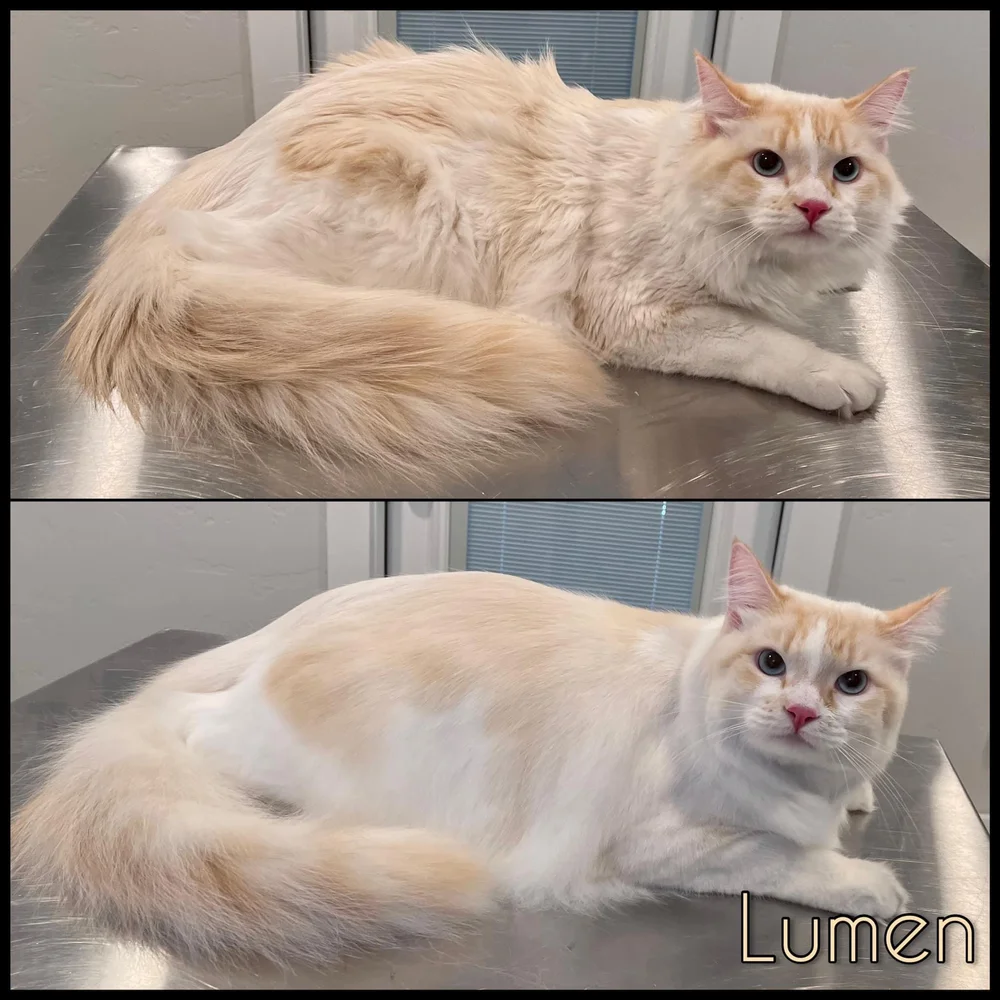
If you have a long-haired cat, you know how beautiful—and challenging—their fur can be. Tangled knots, shedding, and mats can quickly turn your cat’s coat from soft and shiny to messy and uncomfortable.
But don’t worry—you can keep your cat’s fur healthy and smooth with the right grooming routine. You’ll discover simple tips and tricks that make grooming easier for both you and your cat. Ready to make brushing a breeze and keep your furry friend looking their best?
Let’s dive in!
Choosing The Right Grooming Tools
Choosing the right grooming tools for your long-haired cat is crucial for keeping their coat healthy and beautiful. The right tools make grooming easier and more comfortable for both you and your feline friend. It’s not just about having the best products but understanding which tools suit your cat’s specific needs.
Brushes And Combs For Long Hair
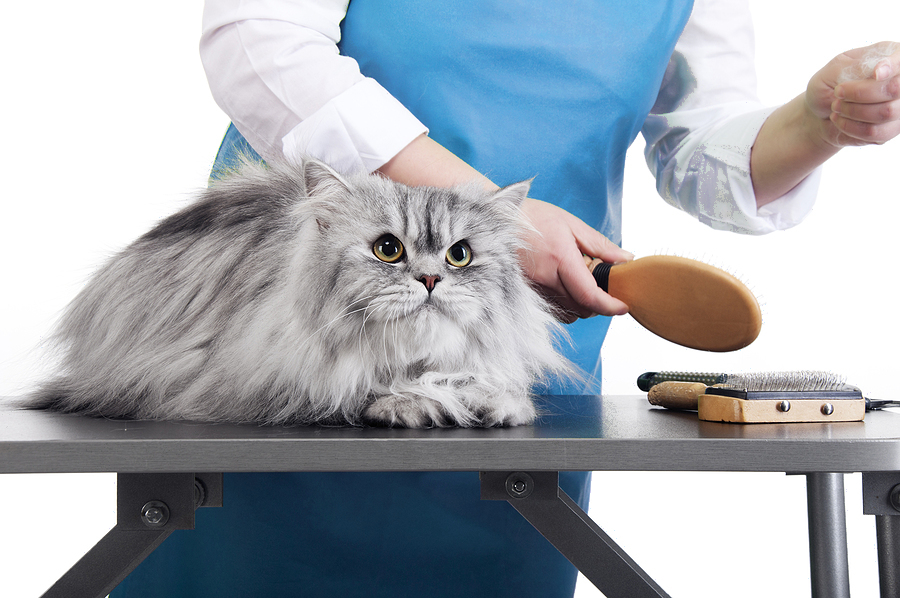
Long-haired cats need brushes and combs that can reach deep into their thick fur without causing pain. A slicker brush with fine, short wires works wonders for removing tangles and loose hair. You might also want a wide-tooth comb to gently detangle mats without pulling too hard.
Think about your cat’s coat texture—some have silkier fur, while others have denser undercoats. Selecting a brush that matches this can prevent discomfort. When I switched to a pin brush for my Maine Coon, grooming sessions became shorter and more peaceful, proving the right brush really matters.
Clippers And Scissors
Sometimes, trimming is necessary to keep your cat comfortable, especially around problem areas like the rear or under the legs. Clippers designed for pets with quiet motors reduce stress during grooming. If you prefer scissors, choose ones with rounded tips to avoid accidental cuts.
Sharp scissors are essential for precise trimming, but they require steady hands. Many owners find that combining scissors for detail work with clippers for larger areas offers the best results. Have you noticed any spots where your cat’s fur tends to mat quickly? Those areas might need regular trims.
Nail Trimmers And Other Accessories
Trimming your cat’s nails is part of grooming that prevents damage to furniture and keeps claws healthy. Guillotine-style trimmers are easy to use, but some owners prefer scissors-style for more control. Always have styptic powder or cornstarch on hand to stop bleeding if you accidentally cut too close.
Other useful accessories include grooming gloves, which help remove loose hair while petting, and detangling sprays to ease combing. These small additions can make grooming a more enjoyable experience for your cat. What grooming tools have you found indispensable in caring for your long-haired cat?
Daily Grooming Routine
Daily grooming keeps a long haired cat healthy and comfortable. It stops fur from tangling and mats from forming. Regular care also helps spot health problems early. A simple routine saves time and avoids pain for your cat. Spend a few minutes every day on grooming tasks. This builds trust and makes grooming easier.
Brushing Techniques To Prevent Mats
Use a wide-tooth comb first to remove loose hair. Follow with a fine-tooth comb to catch small tangles. Brush in the direction of hair growth. Focus on problem areas like behind the ears and under the legs. Be gentle to avoid hurting your cat. Regular brushing stops mats before they start. Aim for at least 10 minutes daily.
Cleaning Eyes And Ears
Check eyes for discharge or redness every day. Use a soft, damp cloth to wipe away dirt. Avoid touching the eyeball directly. Look inside ears for wax or debris. Use a cotton ball moistened with a vet-approved cleaner. Never insert anything deep into the ear canal. Cleanliness here prevents infections and keeps your cat happy.
Checking For Skin Issues
Run your hands over your cat’s body to check skin. Look for redness, bumps, or dry patches. Watch for signs of fleas or ticks. Pay special attention to areas under the fur. Early detection helps treat problems quickly. Contact your vet if you find unusual spots or wounds. Healthy skin means a happy, comfortable cat.
Bathing Your Long Haired Cat
Bathing your long haired cat can feel like a daunting task, but it’s an important part of keeping their coat healthy and beautiful. Bath time helps remove dirt, excess oils, and loose fur that regular brushing might miss. Knowing when and how to bathe your cat, choosing the right shampoo, and drying their thick fur properly can make the experience smoother for both of you.
When And How Often To Bathe
Not every long haired cat needs frequent baths. Bathing once every 4 to 6 weeks is usually enough unless your cat gets into something messy or has skin issues. Overbathing can dry out their skin and damage the natural oils that keep their fur shiny.
Pay attention to your cat’s lifestyle and coat condition. If your cat spends time outdoors or has oily fur, a bath might be needed more often. But if they groom themselves well and stay mostly indoors, less frequent baths work best.
Choosing The Right Shampoo
Pick a shampoo specifically designed for cats, ideally one that suits your cat’s skin type. Avoid shampoos made for humans or dogs as they can irritate your cat’s skin. Look for gentle, hypoallergenic formulas that maintain the natural moisture balance of your cat’s coat.
Some shampoos include conditioners that help detangle thick fur, making brushing afterward easier. If your cat has skin problems like dryness or allergies, consult your vet for a medicated shampoo recommendation. Remember, the right shampoo makes a big difference in your cat’s comfort and coat health.
Drying Tips For Thick Fur
Drying your long haired cat quickly and thoroughly is crucial to prevent mats and skin infections. Use a large, absorbent towel to gently pat down the fur, removing as much water as possible. Avoid rubbing hard, as it can tangle the fur and irritate your cat’s skin.
If your cat tolerates it, use a hairdryer on the lowest heat and speed settings, keeping it at a safe distance. Move the dryer constantly to avoid overheating any spot. Many cats dislike the noise, so be patient and offer treats to keep them calm during drying.
Dealing With Mats And Tangles
Mats and tangles can turn grooming your long-haired cat into a challenge. These knots not only look messy but can cause discomfort and skin problems if ignored. Handling them carefully is key to keeping your cat happy and healthy.
Preventive Measures
Regular brushing is the best way to stop mats before they form. Aim to brush your cat daily, especially in areas where mats tend to develop, like behind the ears and under the legs.
Use a wide-toothed comb or a specialized detangling brush designed for long fur. This helps catch loose hairs early and prevents them from clumping together.
Keep your cat’s coat clean by bathing occasionally, but not too often. Overbathing can dry out the skin, making fur more prone to tangling.
Safe Removal Techniques
Start by gently teasing apart small tangles with your fingers. If you need tools, choose a mat splitter or a dematting comb, which are safer than regular scissors.
Work slowly and patiently. Hold the fur close to the skin to avoid pulling and causing pain. If a mat is too tight, try applying a little conditioner or detangling spray to loosen it.
Never cut mats out unless you’re confident and cautious. A sudden slip can hurt your cat and damage their coat.
When To Seek Professional Help
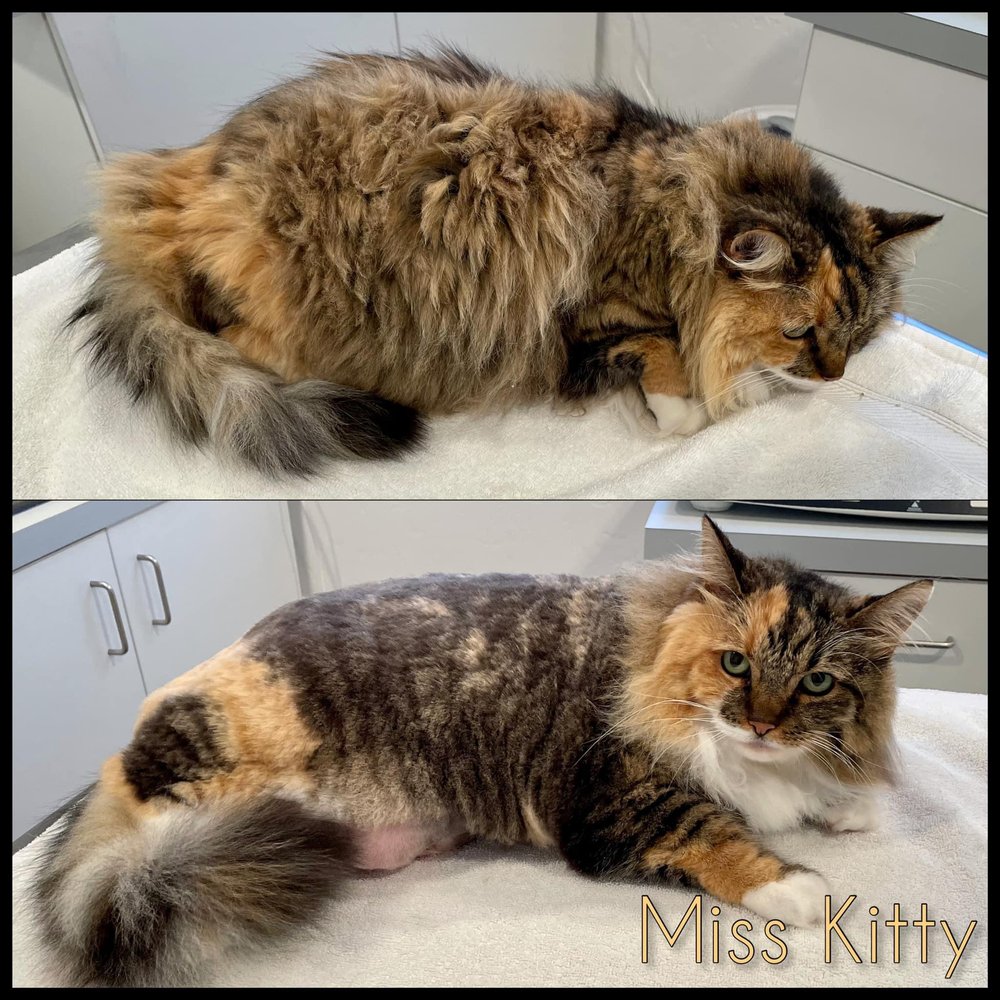
If mats cover large areas or are tightly bound, it’s time to call a groomer. Professionals have the right tools and experience to remove mats safely without stressing your cat.
Also, if your cat resists grooming or shows signs of pain, a vet or groomer can help assess if there’s an underlying issue. Remember, forcing grooming can damage your relationship with your pet.
Have you ever struggled with a stubborn mat that just wouldn’t come out? Sometimes, knowing when to get help makes all the difference for your cat’s comfort and your peace of mind.
Handling Seasonal Shedding
Seasonal shedding can feel overwhelming, especially if your long-haired cat leaves fur all over your home. Understanding how to handle this natural process helps keep your cat comfortable and your space cleaner. Let’s look at practical ways to manage shedding without stress.
Identifying Shedding Patterns
Shedding isn’t random; it usually follows seasonal cycles. Most long-haired cats shed heavily in spring and fall as they adjust their coats for temperature changes. Watch your cat’s fur thickness and the amount of loose hair around this time to predict peak shedding periods.
Have you noticed your cat’s fur thinning more in certain months? Knowing these patterns lets you prepare with extra grooming sessions and cleaning tools. Keep a simple calendar or note to track when shedding increases.
Managing Loose Fur
Regular brushing is your best defense against loose fur. Use a wide-toothed comb or slicker brush designed for long coats to gently remove dead hair. Aim for daily brushing during peak shedding to stop fur from spreading around your house.
Besides brushing, vacuuming furniture and using lint rollers on clothes can reduce fur buildup. You might also try pet grooming gloves for a quick fur catch while petting your cat. What grooming tools work best for you and your cat? Experiment to find your favorites.
Boosting Skin Health
Healthy skin means less shedding and a happier cat. Make sure your cat’s diet includes omega-3 and omega-6 fatty acids—they support skin hydration and coat strength. Adding supplements or feeding high-quality cat food can improve coat condition significantly.
Also, check for dry or flaky skin during grooming. If you spot issues, consult your vet to rule out allergies or infections. Regular hydration and gentle baths with cat-friendly shampoos help maintain skin moisture.
Credit: tipptotail.com
Nutrition And Grooming
Nutrition plays a vital role in the grooming process of long-haired cats. Healthy fur starts from the inside. Proper food and hydration support shiny, soft coats and reduce shedding. Grooming efforts become easier when your cat has the right nutrients. Focus on diet and supplements to keep skin and fur in top condition.
Foods That Promote Healthy Fur
High-quality protein is essential for strong, healthy fur. Look for cat foods with real meat like chicken, fish, or turkey. Omega-3 and omega-6 fatty acids improve fur softness and shine. Ingredients rich in vitamins A, E, and biotin support skin and coat health.
- Salmon and other oily fish
- Chicken and turkey
- Eggs for protein and biotin
- Leafy greens for vitamins
- Whole grains for energy
Supplements For Skin And Coat
Supplements can boost fur quality if the diet lacks certain nutrients. Fish oil capsules are popular for adding omega-3s. Vitamin E supplements help repair damaged skin. Consult a vet before starting any supplements to ensure safety and correct dosage.
- Fish oil for omega-3 fatty acids
- Vitamin E for skin repair
- Biotin for fur strength
- Zinc for skin healing
Hydration And Its Role
Water keeps your cat’s skin hydrated and fur healthy. Dehydration causes dry, brittle hair and flaky skin. Always provide fresh, clean water. Wet cat food also helps increase water intake. Hydration supports natural oils that protect fur and reduce mats.
Grooming Tips For Different Cat Breeds
Grooming long-haired cats demands attention to the unique needs of each breed. Their fur types, skin sensitivity, and activity levels all influence how you should care for their coats. Understanding these differences helps you avoid common grooming pitfalls and keeps your cat comfortable and healthy.
Persian Cats
Persians have thick, dense fur that mats easily. Daily brushing is essential to prevent tangles and reduce shedding. Use a wide-toothed comb to gently detangle and a soft brush to smooth the coat afterward.
Bathing once a month can help maintain their luxurious coat and reduce oil buildup. Don’t forget to clean their eyes regularly, as Persians are prone to tear staining. Have you noticed how much calmer your cat feels after a thorough grooming session?
Maine Coons
Maine Coons have a water-resistant, shaggy coat that is less prone to matting but still needs regular care. Aim for brushing two to three times a week to keep the fur free of debris and loose hair. Their thick ruff around the neck and bushy tail require extra attention.
These cats are usually active, so grooming can also be a bonding time. Try using a rubber brush to remove loose fur while giving your cat a gentle massage. How often do you make grooming a playful experience for your Maine Coon?
Ragdolls And Others
Ragdolls have semi-long fur that is silky and less dense than Persians or Maine Coons. Brushing two times a week typically keeps their coat smooth and tangle-free. Use a soft brush to avoid irritating their sensitive skin.
Other long-haired breeds, like the Birman or Siberian, share similar grooming needs but might have subtle differences in fur texture. Observe how your cat reacts to grooming tools and adjust accordingly. Have you found that your cat prefers certain brushes or combs over others?
Credit: www.downtowntabbycattery.com
Creating A Stress-free Grooming Experience
Grooming your long-haired cat doesn’t have to be a stressful chore for either of you. Creating a calm and positive environment helps your cat feel safe and makes the grooming process smoother. With patience and the right approach, you can turn grooming into a bonding moment instead of a battle.
Building Trust With Your Cat
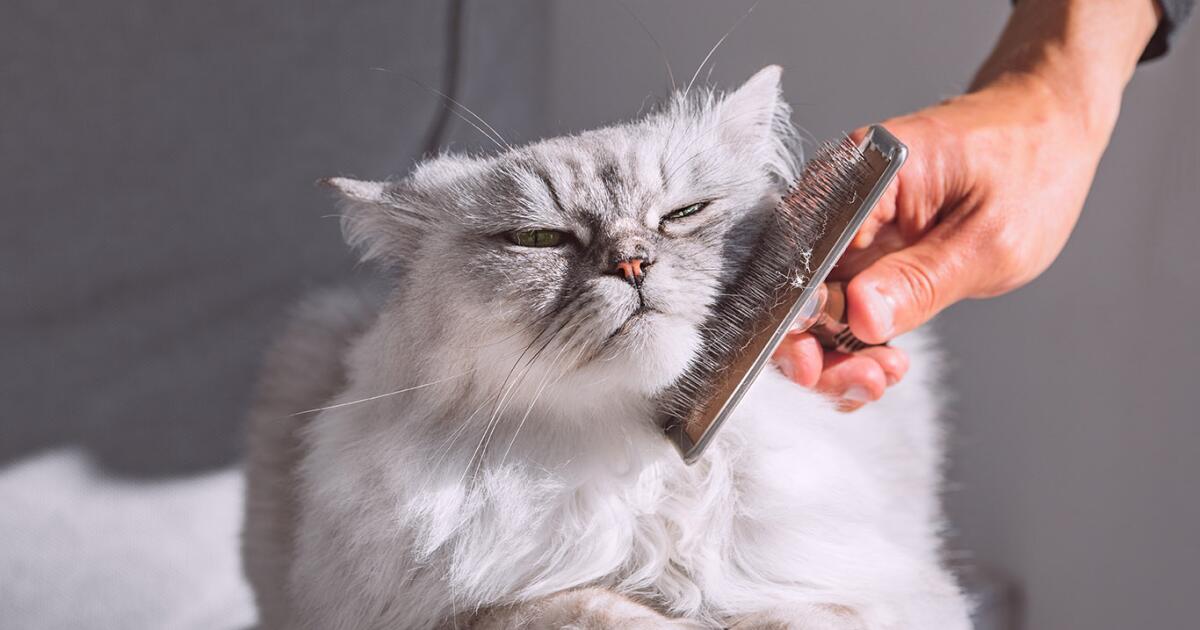
Your cat needs to feel comfortable before you even reach for the brush. Spend quiet time near your cat, gently petting and speaking softly to build a sense of safety.
Try letting your cat sniff and explore the grooming tools first. This small step helps reduce fear and resistance.
Remember, trust grows slowly. If your cat pulls away, pause and try again later rather than forcing the interaction.
Using Positive Reinforcement
Reward your cat’s calm behavior during grooming with treats or gentle praise. This connects grooming with positive experiences.
Keep sessions short and end on a good note, even if you only manage a few strokes. Gradually increase the time as your cat gets more comfortable.
Positive reinforcement can include:
- Soft petting after brushing
- Favorite treats given immediately after handling
- Playtime following grooming sessions
Managing Difficult Behaviors
Some cats may hiss, scratch, or try to escape during grooming. Stay calm and avoid sudden movements to prevent escalating their stress.
If your cat becomes aggressive, take a break and try again later. Using a towel to gently wrap your cat can provide control and comfort.
Consult your veterinarian if grooming becomes too challenging; sometimes underlying health issues cause discomfort during brushing.
Credit: www.latimes.com
Frequently Asked Questions
How Often Should You Groom A Long Haired Cat?
Long haired cats need grooming at least 3-4 times a week. Regular brushing prevents mats and tangles. It also reduces shedding and hairballs, keeping your cat healthy and comfortable.
What Tools Are Best For Grooming Long Haired Cats?
Use a wide-toothed comb, slicker brush, and grooming scissors. These tools help remove tangles, loose fur, and mats effectively. Choose gentle tools to avoid hurting your cat’s delicate skin.
Can Grooming Reduce Hairballs In Long Haired Cats?
Yes, regular grooming significantly reduces hairballs. Brushing removes loose fur before your cat swallows it. This helps maintain digestive health and minimizes hairball formation.
How To Prevent Matting In Long Haired Cats?
Brush your cat daily to prevent matting. Focus on common mat areas like behind ears and under legs. Regular grooming keeps fur soft and tangle-free.
Conclusion
Long-haired cats need regular grooming to stay healthy. Brushing helps prevent mats and keeps fur soft. Clean their eyes and ears gently every day. Use the right tools for their delicate coat. Grooming also builds a strong bond with your pet.
Watch for signs of skin problems or discomfort. A calm routine makes grooming easier for both. Keep your cat happy and comfortable with simple care. Regular attention means fewer health issues later. Enjoy the beauty and softness of your long-haired friend.
