

If you love cats with flowing, silky fur, you’re in for a treat. Long hair cat breeds are more than just beautiful—they have unique personalities and care needs that might surprise you.
Whether you’re thinking about adding one to your family or just curious about these fluffy companions, this guide will help you discover which breed fits your lifestyle perfectly. Get ready to explore the charm and elegance of long-haired cats like never before!
Popular Long Hair Cat Breeds
Long hair cat breeds captivate with their soft, flowing coats. These cats often have a calm and gentle nature. Their luxurious fur requires regular care but offers great beauty in return. Many people choose these breeds for their striking appearance and friendly personalities.
Maine Coon
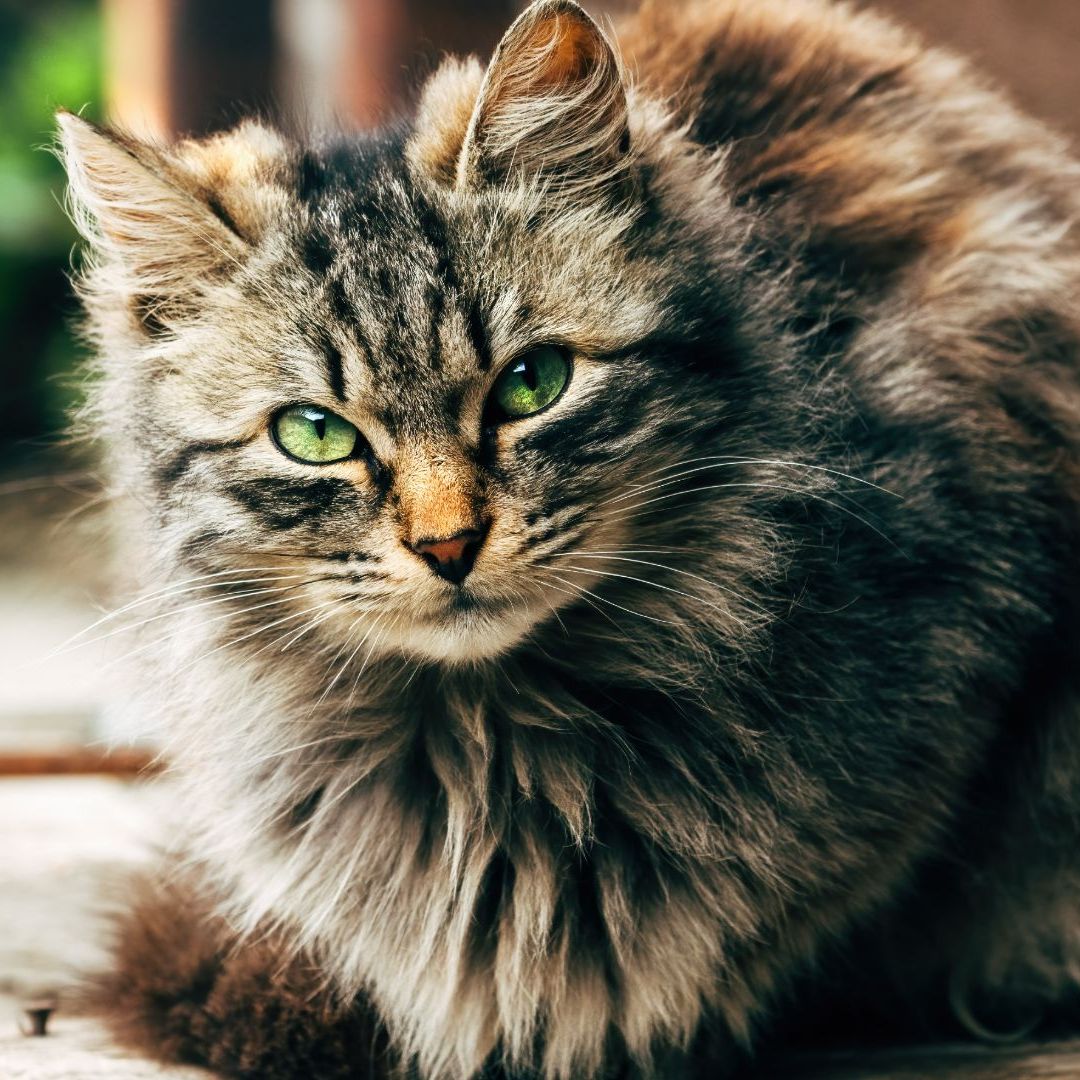
The Maine Coon is one of the largest domestic cats. It has a thick, water-resistant coat that keeps it warm. Known for its friendly and playful character, this breed adapts well to families and other pets.
Persian
Persians have a classic look with a flat face and large eyes. Their long, silky fur needs daily grooming. They enjoy a quiet, relaxed environment and often form strong bonds with their owners.
Ragdoll
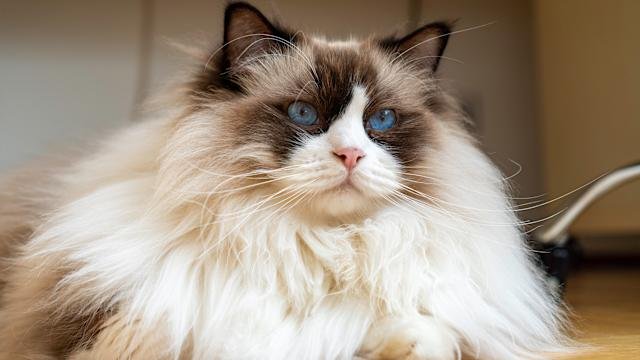
Ragdolls are famous for their striking blue eyes and soft fur. They tend to go limp when held, which is how they got their name. These cats are affectionate and enjoy being close to people.
Siberian
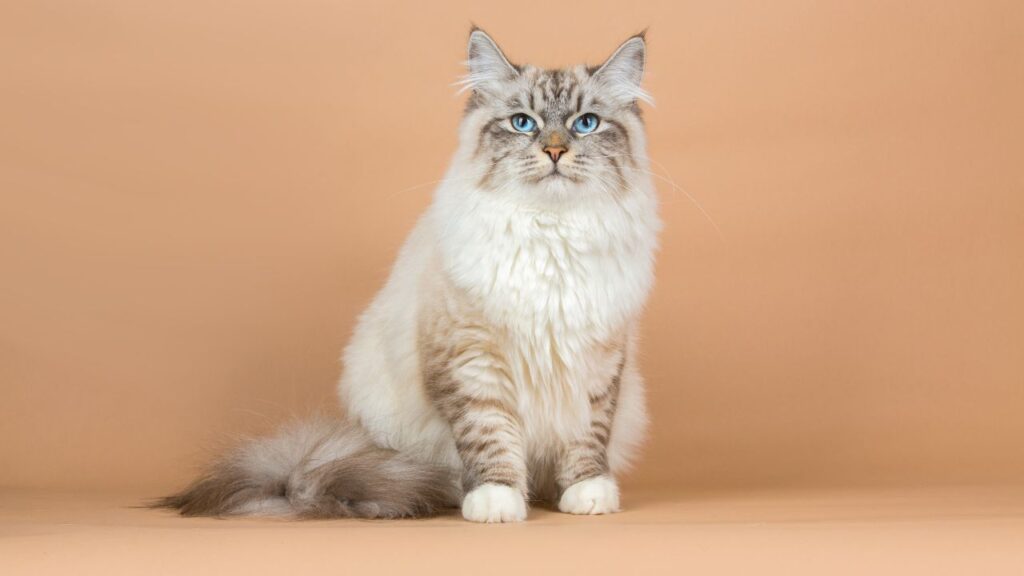
Siberians come from cold climates and have a thick triple coat. They are agile and playful, making them great companions. Their fur is less prone to matting than other long-haired breeds.
Birman
Birmans have silky fur and beautiful white paws called “gloves.” They are gentle and social cats who enjoy interacting with their families. Their medium-long coat is easier to maintain than many others.
Credit: www.petsradar.com
Unique Traits Of Long Hair Cats
Long hair cats are not just stunning with their flowing coats; they carry unique traits that set them apart from their short-haired friends. Understanding these traits helps you care for them better and appreciate their special charm. Their needs go beyond looks, touching on grooming, personality, and health.
Coat Care Needs
Long hair cats require regular grooming to keep their coats healthy and free from mats. You’ll want to brush them daily or every other day to prevent tangles and reduce shedding around your home.
Many owners find that starting this routine early helps cats accept grooming more easily. Have you noticed how some cats seem to enjoy the brushing time? It can become a bonding moment rather than a chore.
Temperament And Personality
Long hair cats often have calm and gentle personalities, but each breed brings its own twist. For example, Persians are known for their laid-back nature, while Maine Coons are playful and sociable.
Knowing your cat’s temperament helps you interact with them in ways they enjoy. How does your cat show affection or ask for attention? Paying attention to these signals can deepen your connection.
Health Considerations
Long hair cats may face specific health issues like hairballs and skin problems due to their thick fur. Regular grooming not only keeps their coat clean but also helps spot any skin irritation or parasites early.
Some breeds, like the Himalayan, are prone to respiratory issues, so it’s important to watch for any signs of breathing difficulties. Are you prepared to handle these special health needs to keep your cat thriving?
Grooming Tips For Long Hair Cats
Grooming long hair cats is more than just a routine; it’s a way to keep your feline friend comfortable and healthy. Their luxurious coats need regular care to avoid tangles and skin issues. Paying close attention to grooming can also strengthen the bond between you and your pet.
Brushing Techniques
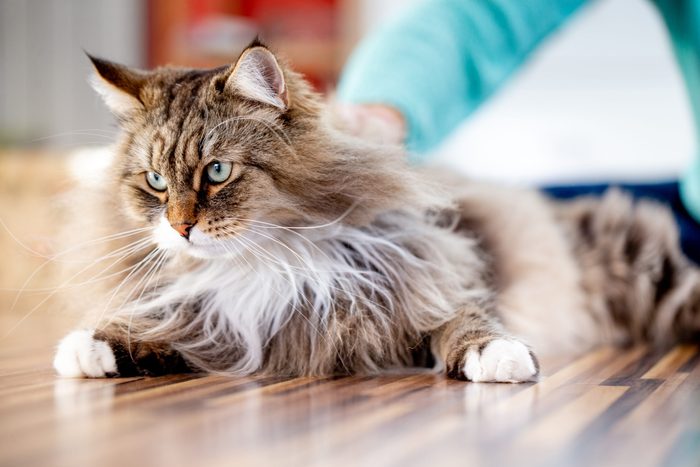
Use a wide-toothed comb or a slicker brush to gently work through your cat’s fur. Start at the head and move toward the tail, brushing in the direction the fur grows. This prevents discomfort and helps you spot any skin problems early.
Brush your cat daily to minimize shedding and prevent mats. If your cat resists, try brushing for just a few minutes and gradually increase the time. You might notice how your cat becomes more relaxed and even enjoys the attention.
Bathing And Cleaning
Bathing long hair cats isn’t always necessary, but occasional baths can help keep their coat shiny and clean. Use a cat-specific shampoo and lukewarm water to avoid drying out their skin. Be sure to rinse thoroughly to remove all soap residues.
Focus on areas that tend to get dirty, like the paws and underbelly. After the bath, dry your cat with a soft towel and keep them in a warm room to prevent chills. You may find that a gentle bath can reduce odor and improve your cat’s comfort.
Preventing Matting And Hairballs
Mats form when fur tangles and becomes tight against the skin. Regular brushing is your best defense, but you can also use detangling sprays made for cats. If mats do form, carefully cut them out or seek professional grooming help to avoid hurting your cat.
Hairballs happen when your cat swallows loose fur during grooming. Offer hairball control treats or foods designed to reduce this problem. Watch for signs like frequent coughing or gagging, and consult your vet if hairballs become a serious issue.
Credit: www.rd.com
Choosing The Right Long Hair Cat
Choosing the right long hair cat means thinking about your daily life and home. These cats need care and attention. Their beautiful fur needs regular grooming. Some breeds are more active, while others prefer quiet time. Picking a cat that fits your routine helps both of you stay happy.
Lifestyle Compatibility
Long hair cats can be playful or calm. Some love to explore and climb. Others enjoy sitting quietly on laps. Think about your energy level and schedule. A busy lifestyle might suit a calm cat. If you have time to play, an active breed could fit well.
Space And Environment
Long hair cats need space to move and relax. Large homes let them roam freely. Small apartments need cozy spots for rest. Cats love windows to watch outside. Make sure your space can handle shedding fur. Clean areas help keep your cat healthy and happy.
Allergy Factors
Long hair cats can cause allergies. Their fur holds more dander and dust. Some breeds shed less and may be better for allergies. Regular grooming lowers allergens in the home. Washing bedding and vacuuming often helps too. Know your allergy limits before choosing a cat.
Living With Long Hair Cats
Living with long hair cats can be a rewarding experience, but it also comes with unique responsibilities. Their beautiful coats require special care to keep them healthy and shiny. Understanding their needs beyond just grooming can help you build a stronger bond and ensure they thrive in your home.
Nutrition And Diet
Your long hair cat’s diet plays a big role in the condition of their fur. High-quality proteins and omega-3 fatty acids support healthy skin and reduce shedding. Have you noticed your cat’s coat becoming dull or brittle? It might be time to check their food for essential nutrients.
Adding wet food can increase hydration, which benefits their skin and coat. Avoid foods with too many fillers or artificial additives—they can cause allergies or digestive problems. You might want to consult your vet about supplements like fish oil to boost coat health.
Exercise And Play
Long hair cats can be prone to weight gain if they don’t get enough activity. Regular play helps maintain their muscle tone and keeps them agile. Have you tried interactive toys or laser pointers? They’re great for encouraging movement and mental stimulation.
Consider setting up climbing spaces or scratching posts. These not only keep your cat entertained but also reduce stress, which can impact coat quality. Watching your cat chase a feather wand can remind you how important daily exercise is for their overall well-being.
Regular Vet Care
Long hair cats need consistent vet visits to catch skin or coat issues early. Conditions like mats, parasites, or infections can develop quickly under their thick fur. Are you scheduling check-ups often enough to spot these problems before they worsen?
Vaccinations, flea prevention, and dental care are also crucial for their health. Your vet can recommend products specifically designed for long-haired breeds. Keeping up with vet care helps your cat stay comfortable and keeps their coat looking its best.
Credit: worldanimalfoundation.org
Frequently Asked Questions
What Are The Most Popular Long Hair Cat Breeds?
Popular long hair cat breeds include the Maine Coon, Persian, Ragdoll, Norwegian Forest, and Siberian. These breeds are known for their luxurious fur and gentle temperaments, making them favorites among cat lovers worldwide.
How Do I Care For Long Hair Cat Breeds?
Long hair cats need daily brushing to prevent mats and tangles. Regular grooming keeps their coat healthy and reduces shedding. Bathing occasionally and checking for parasites also help maintain their fur quality.
Do Long Hair Cats Require Special Diets?
Long hair cats benefit from a balanced diet rich in omega-3 and omega-6 fatty acids. These nutrients promote healthy skin and a shiny coat. High-quality cat food with essential vitamins supports overall health and fur condition.
Are Long Hair Cat Breeds Hypoallergenic?
Most long hair cats are not hypoallergenic. Their thick fur traps more dander, which can trigger allergies. However, individual reactions vary, so spending time with a breed before adoption is recommended for allergy sufferers.
Conclusion
Long hair cat breeds bring beauty and charm to any home. Their soft fur needs regular care to stay healthy. These cats often have calm and friendly personalities. Choosing the right breed depends on your lifestyle and preferences. Enjoy the company of these elegant cats every day.
They make wonderful pets for those who love gentle companions. Remember, patience and grooming keep them happy and strong. A long-haired cat can brighten your life with love and warmth.
