

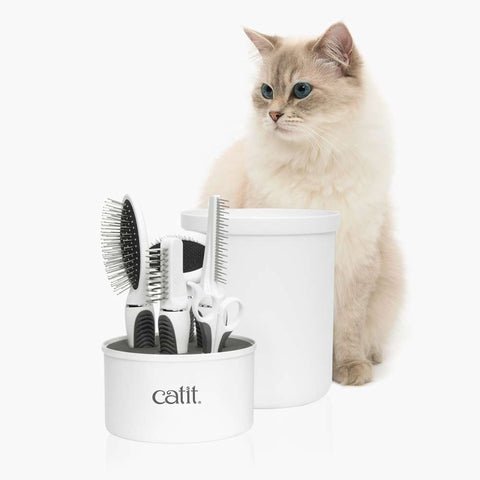
If you have a long-haired cat, you know how important it is to keep their fur smooth and tangle-free. But grooming can sometimes feel like a challenge, especially without the right tools.
You want your cat to feel comfortable, and you want to make grooming easier for yourself. You’ll discover the best long hair cat grooming tools that will help you care for your furry friend with less hassle and more joy.
Keep reading to find out which tools can make a real difference for both you and your cat.

Credit: www.amazon.ca
Choosing The Right Brush
Choosing the right brush for your long-haired cat can make grooming easier and more effective. Each brush type serves a unique purpose, helping you tackle different coat issues. Understanding which brush suits your cat’s needs can save you time and keep your cat comfortable during grooming.
Slicker Brushes For Tangles
Slicker brushes have fine, tightly packed wire bristles that easily remove mats and tangles. They work well on thick and dense fur, breaking up knots without pulling too hard. If your cat’s coat tends to mat quickly, this brush will be your best friend.
Try using gentle, short strokes to avoid irritating your cat’s skin. Notice how your cat reacts; some may enjoy the deep cleaning sensation, while others might need gradual introduction.
Pin Brushes For Gentle Grooming
Pin brushes have widely spaced pins that glide through your cat’s fur with minimal discomfort. They are perfect for daily brushing, especially if your cat has sensitive skin or is easily stressed. This brush helps remove loose hair and keeps the coat smooth without causing irritation.
Using a pin brush regularly can reduce shedding and prevent minor tangles from forming. Have you noticed how your cat’s mood improves after a gentle brushing session?
Bristle Brushes For Shine
Bristle brushes are designed to distribute natural oils across your cat’s coat, enhancing shine and softness. They work best after detangling with a slicker or pin brush, giving your cat’s fur a polished finish. If your goal is a glossy, healthy-looking coat, this brush is essential.
Using a bristle brush can also stimulate your cat’s skin, promoting better circulation. Have you ever seen your cat’s coat transform after a few grooming sessions with a bristle brush?
Combs And Dematting Tools
Grooming long-haired cats requires the right tools to keep their fur healthy and tangle-free. Combs and dematting tools are essential for tackling knots and mats gently without hurting your feline friend. Choosing the correct tool can make grooming a smoother, more enjoyable experience for both of you.
Wide-tooth Combs For Knots
Wide-tooth combs are perfect for gently working through knots and tangles in long fur. Their spaced-out teeth prevent pulling and reduce discomfort for your cat. You can start at the ends of the hair and slowly work your way up to the roots, loosening knots bit by bit.
Try to comb in sections to avoid overwhelming your cat and to catch every hidden tangle. Have you noticed how your cat reacts when you use a wide-tooth comb? Many cats tolerate this tool better because it feels less harsh on their skin.
Dematting Rakes For Mats
Dematting rakes are designed to cut through tough mats safely without causing skin irritation. Their sharp, curved blades can break down stubborn mats that a regular comb can’t handle. Using a dematting rake requires patience—you want to loosen mats gradually, not rip them out.
Always use short, gentle strokes and keep the skin stretched to avoid pinching. If your cat has very tight mats, you might need to trim them first or consult a professional groomer. Have you ever had to deal with a severe mat? It can teach you a lot about the right pressure and technique.
Using Comb Safely
Safety is crucial when grooming your long-haired cat. Never rush through combing or use excessive force, as this can hurt your cat and make them fearful of grooming. Pay attention to your cat’s body language and stop if they become too stressed or uncomfortable.
Hold your cat gently but firmly, and always comb in the direction of hair growth. Use calming words or treats to make the session positive. How do you create a calm environment during grooming? Your approach can turn grooming from a chore into bonding time.
Clippers And Scissors
Clippers and scissors are essential tools for grooming long-haired cats. They help keep your cat comfortable and prevent matting. Proper grooming also reduces shedding and keeps your cat’s coat healthy.
Trimming For Comfort
Trim areas where hair grows too long or mats easily. Focus on underarms, belly, and behind the ears. These spots often get tangled and cause discomfort. Trim gently to avoid cutting the skin. Shorter hair in these areas helps your cat stay clean and cool.
Safety Tips For Clippers
- Choose clippers designed for pets with quiet motors.
- Check blades for sharpness before use to avoid pulling hair.
- Hold the skin taut to prevent nicks and cuts.
- Use slow, steady strokes for smooth trimming.
- Keep clippers clean and well-oiled for best performance.
- Never rush; take breaks if your cat feels stressed.
Choosing The Right Scissors
Select scissors with rounded tips to protect your cat’s skin. Small, sharp scissors are best for precision trimming. Avoid large or blunt scissors that can hurt your cat. Stainless steel blades offer durability and easy cleaning. Grooming scissors with ergonomic handles reduce hand fatigue. Use scissors only for small areas or touch-ups.

Credit: catit.ca
Bathing Supplies
Bathing your long-haired cat requires more than just water and soap. The right bathing supplies make the experience comfortable for your cat and effective in maintaining their luxurious coat. Choosing products designed specifically for cats protects their sensitive skin and keeps their fur healthy and shiny.
Cat-friendly Shampoos
Not all shampoos are safe for cats, especially those with long fur. Look for shampoos that are free from harsh chemicals, fragrances, and dyes. These gentle formulas help avoid irritation and keep your cat’s skin balanced.
Shampoos with natural ingredients like oatmeal or aloe vera soothe the skin and reduce dryness. Have you noticed your cat scratching more after a bath? It might be time to switch to a milder shampoo that respects their skin’s natural oils.
Conditioners For Long Fur
Long-haired cats need conditioners to prevent tangles and mats. A good conditioner softens the fur and makes brushing easier afterward. Without it, your cat’s coat can become rough and difficult to manage.
Choose a conditioner formulated for cats, as human products can be harmful. Applying conditioner after shampooing can also reduce static and add shine. Do you find your cat’s fur dull or prone to knots? Adding a conditioner could make all the difference.
Drying Tools And Techniques
Drying a long-haired cat properly is crucial to avoid damp fur that leads to mats and skin problems. Use a soft, absorbent towel to gently blot the fur instead of rubbing harshly. Many cats dislike blow dryers, but a low-heat setting with a quiet model can work if introduced calmly.
Air drying is an option but can take too long and cause chill. Consider using a pet-specific dryer or a microfiber towel designed to speed up drying. How do you usually dry your cat? Adjusting your technique might help reduce stress and keep their coat in top shape.
Nail Care Essentials
Proper nail care is a vital part of grooming your long-haired cat. Keeping their nails trimmed not only prevents accidental scratches but also helps avoid painful nail breakage or ingrown nails. Choosing the right tools and techniques can make this task easier and less stressful for both you and your feline friend.
Types Of Nail Clippers
You’ll find several types of nail clippers designed specifically for pets. Guillotine clippers have a hole where you insert the nail and a blade that slices off the tip. Scissor-style clippers look like regular scissors but have curved blades for better control.
Another option is the electric nail grinder, which files the nails down gradually rather than cutting. This can be less intimidating for some cats but requires patience and a slow introduction. Consider your cat’s temperament and your comfort level before choosing a type.
Trimming Techniques
Start by gently holding your cat’s paw and pressing the pad to extend the nails. Trim only the sharp tip, avoiding the pink area known as the quick, which contains nerves and blood vessels. Cutting into the quick can cause pain and bleeding.
Trim one or two nails at a time if your cat is nervous, giving them breaks and rewards. Using a bright light can help you see the quick more clearly. If you accidentally cut too close, use styptic powder or cornstarch to stop bleeding quickly.
Avoiding Common Mistakes
- Don’t rush the process. Rushing can make your cat anxious and resistant next time.
- Avoid trimming too short. This often leads to pain and behavioral issues.
- Never force your cat’s paws if they resist. Try calming techniques or break the session into shorter intervals.
- Don’t neglect regular trimming. Overgrown nails can snag on fabrics and cause injuries.
Have you noticed your cat hiding when you bring out the clippers? What small changes could you make to ease their stress and improve your nail care routine?
Maintaining Grooming Routine
Keeping your long-haired cat looking its best takes more than occasional attention. A consistent grooming routine helps prevent mats, reduces shedding, and keeps your feline friend comfortable. Establishing habits that fit both your schedule and your cat’s personality makes grooming a positive experience for both of you.
Daily Brushing Tips
Daily brushing is key to managing long fur, but it doesn’t have to be a chore. Use a slicker brush or a wide-toothed comb to gently detangle knots and remove loose hair.
Start with short sessions, especially if your cat is new to grooming. Pay extra attention to areas behind the ears and under the legs, where mats often form.
Notice how your cat reacts—if they seem relaxed, try to extend the brushing time gradually. This builds trust and helps you catch any skin issues early.
Scheduling Regular Baths
Baths aren’t needed as often as brushing, but they play a vital role in long hair care. Aim for a bath every 4 to 6 weeks, depending on your cat’s activity level and coat condition.
Use a mild cat shampoo designed for sensitive skin, and rinse thoroughly to avoid irritation. Bath time can be stressful, so prepare everything in advance and keep calm to soothe your cat.
Try to make bathing a routine—cats get accustomed to repeated experiences, and your calm approach will help reduce resistance over time.
Signs Your Cat Needs Extra Care
Not all grooming needs are obvious. Watch for signs like excessive scratching, bald patches, or a greasy coat—these could signal skin problems or stress.
Mats that pull at the skin can cause pain and infection, so don’t ignore tangled fur. If your cat suddenly refuses brushing or bath time, investigate for discomfort or illness.
Would you be able to spot subtle changes in your cat’s behavior or coat? Staying observant helps you act quickly and keeps your cat healthy and happy.
Special Grooming Considerations
Long hair cat grooming requires special attention beyond just regular brushing. You need to consider your cat’s age, personality, and the time of year to keep their coat healthy and comfortable. These factors can change how you approach grooming and the tools you choose.
Grooming Older Cats
Older cats often have more sensitive skin and less patience for grooming sessions. Using gentle brushes with soft bristles helps prevent skin irritation. Shorter grooming sessions spread over several days can keep your senior cat calm and comfortable.
Pay attention to any lumps, bumps, or changes in their coat texture. These can be signs of health issues that require a vet’s attention.
Handling Shy Or Nervous Cats
Shy or nervous cats may resist grooming, making it stressful for both of you. Try to create a calm environment by choosing a quiet room and speaking softly. Using grooming gloves instead of traditional brushes can feel less intimidating to your cat.
Start with just a few strokes and gradually increase as your cat becomes more comfortable. Rewarding your cat with treats can help build positive associations with grooming.
Seasonal Grooming Adjustments
Your long-haired cat’s grooming needs change with the seasons. During shedding seasons in spring and fall, more frequent brushing with a de-shedding tool can reduce hairballs and matting. In colder months, grooming helps distribute natural oils and keeps the coat shiny.
Consider trimming the fur around sensitive areas like paws and rear end during warmer months to keep your cat cooler and cleaner. Have you noticed how your cat’s coat changes with the seasons? Adjusting your grooming routine can make a big difference in their comfort.

Credit: catit.ca
Frequently Asked Questions
What Are The Best Grooming Tools For Long Hair Cats?
The best tools include slicker brushes, wide-toothed combs, and de-shedding tools. These help remove tangles, mats, and loose fur effectively.
How Often Should I Groom My Long-haired Cat?
Groom your long-haired cat at least 3-4 times a week. Regular grooming prevents mats and reduces shedding.
Can Grooming Tools Prevent Hairballs In Cats?
Yes, regular grooming removes loose hair before ingestion. This reduces the frequency of hairballs and improves your cat’s digestion.
What Grooming Tool Is Safest For Sensitive Cat Skin?
A soft-bristle brush or rubber grooming glove is safest. These tools gently remove loose hair without irritating the skin.
Conclusion
Long hair cats need regular grooming to stay healthy and happy. Using the right tools makes brushing easy and gentle. A good comb or brush removes tangles and loose fur. It also helps prevent mats and skin problems. Spending a few minutes daily keeps your cat comfortable.
Clean tools and patience create a calm grooming time. Your cat will enjoy the care and feel loved. Keep tools handy and groom often for best results. Simple steps lead to a beautiful, shiny coat.
