

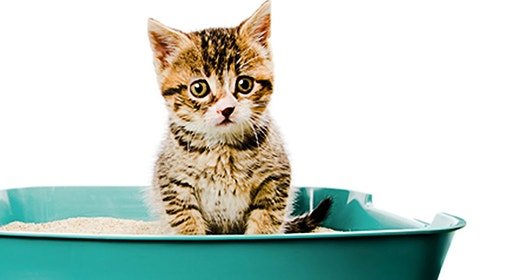
Are you struggling to get your cat to use the litter box consistently? You’re not alone.
Training a cat to use a litter box can feel frustrating and confusing, especially if your furry friend seems determined to avoid it. But what if you could turn this challenge into a simple, stress-free process? You’ll discover easy steps and practical tips to make litter box training smooth for both you and your cat.
Keep reading, and you’ll soon enjoy a cleaner home and a happier pet.
Choosing The Right Litter Box
Choosing the right litter box plays a big role in successful litter training. Cats need a comfortable and safe spot to do their business. The right box encourages them to use it regularly. Picking the wrong one might cause accidents and stress for your pet.
Size And Shape Matters
The litter box should fit your cat’s size. A small box feels cramped and uncomfortable. Choose a box that lets your cat turn around easily. Older cats or those with joint problems need extra space to move.
Consider the shape too. Some cats prefer rectangular boxes, while others like round ones. Watch your cat’s habits to find the best fit. A larger box often works better for multiple cats.
Covered Vs. Uncovered Boxes
Some cats like covered boxes for privacy. Covers help keep smells inside and reduce litter scatter. Others feel trapped or scared in covered boxes. Uncovered boxes offer open space and better airflow.
Observe your cat’s behavior. Choose a style that makes your cat feel safe. Clean both types regularly to keep your cat happy and healthy.
Number Of Litter Boxes Needed
More boxes mean fewer accidents. The rule is one box per cat plus one extra. For example, two cats need three litter boxes. Place boxes in quiet, easy-to-access spots around your home.
Multiple boxes reduce stress and competition. This helps keep your cats comfortable and clean. Check boxes daily and scoop waste often to maintain freshness.
Selecting The Best Cat Litter
Selecting the best cat litter is a crucial step in successful litter box training. The right choice can make a big difference in your cat’s comfort and your home’s cleanliness. Understanding the different types of litter, their scents, and clumping abilities helps you find what works best for both you and your furry friend.
Types Of Cat Litter
There are several types of cat litter available, each with unique benefits. Clay-based litter is popular for its absorbency and odor control. However, some cats may prefer natural options like corn, wheat, or pine litters, which are biodegradable and often dust-free.
Silica gel litter is another option, known for excellent moisture absorption and low tracking. Have you noticed your cat avoiding the box? Sometimes, the texture or scent of the litter plays a big role in their preference.
Scented Vs. Unscented
Scented litters aim to mask odors, but not all cats like strong smells. If your cat has a sensitive nose, scented litter might deter them from using the box consistently. Unscented litter offers a more natural experience, which many cats prefer.
Consider trying unscented litter first. You can add a mild air freshener nearby if you worry about odors. Does your cat show signs of discomfort or avoidance? That’s a clue to rethink scented options.
Clumping Benefits
Clumping litter creates solid clumps when wet, making it easy to scoop out waste daily. This helps keep the box cleaner and reduces unpleasant smells. Non-clumping litter absorbs moisture but can be harder to clean thoroughly.
If you want a low-maintenance routine, clumping litter might be the way to go. It also helps you monitor your cat’s health by spotting changes in urine or stool quickly. How often do you want to clean the box? Your cleaning habits can guide your choice here.
Setting Up The Litter Box
Setting up the litter box correctly is crucial for successful litter box training. Your cat’s comfort and willingness to use the box depend heavily on how and where you place it. A well-thought-out setup can prevent accidents and make your home cleaner.
Ideal Location
Choose a quiet, low-traffic area for the litter box. Cats prefer privacy when doing their business, so avoid placing the box near noisy appliances or busy walkways.
Think about your cat’s daily routine. Is there a spot they naturally gravitate to? Placing the box there can encourage use.
Steer clear of areas near food and water dishes. Cats dislike eliminating close to where they eat, so keep these spaces separate.
Maintaining Cleanliness
Cleanliness is non-negotiable for your cat’s litter box. Scoop waste daily to prevent odors and keep the box inviting.
Change the litter completely at least once a week. Use unscented litter to avoid overwhelming your cat’s sensitive nose.
Have you noticed your cat avoiding the box? It might be time to clean more often or try a different litter type.
Accessibility For Your Cat
Make sure the litter box is easy for your cat to reach. Avoid placing it behind closed doors or in high places.
If your cat is a kitten, elderly, or has mobility issues, consider a box with low sides for easier entry and exit.
Providing multiple boxes around your home can also improve accessibility. This reduces stress and prevents accidents in case one box is temporarily unusable.

Credit: www.ebay.ca
Introducing Your Cat To The Litter Box
Introducing your cat to the litter box is a vital step in helping them feel comfortable and confident with their new bathroom routine. Cats rely heavily on scent and environment, so creating a positive first impression with the litter box sets the tone for success. You’ll want to make this experience as stress-free as possible for your feline friend.
First Encounters
Place the litter box in a quiet, accessible spot where your cat can find it easily without feeling trapped or exposed. Avoid high-traffic areas or noisy corners—privacy matters more than you might expect. When you first bring your cat home, gently guide them to the box and let them explore it at their own pace.
Some cats will instinctively use the box right away, while others need a little encouragement. Watch their behavior closely; if they start sniffing or scratching near the box, it’s a good sign they understand its purpose. Have you noticed your cat’s natural habits yet? This can help you support them better.
Encouraging Use
Encouragement comes from positive experiences. Praise your cat softly or offer a treat immediately after they use the litter box. Avoid scolding or punishment if they miss—this creates fear and confusion.
Keep the litter box clean by scooping waste daily and changing the litter regularly. Cats prefer a tidy space, and an unpleasant box can lead them to avoid it altogether. Try different types of litter if your cat seems hesitant; some prefer finer grains or unscented varieties.
- Use a litter box with low sides for kittens or older cats.
- Consider multiple boxes if you have more than one cat.
- Place a second box in a different area if your cat avoids the first.
Handling Accidents
Accidents happen, especially during the training phase. Don’t rush to clean the area with ammonia-based cleaners, as the smell can attract your cat back to the same spot. Instead, use enzymatic cleaners designed to eliminate pet odors.
Try to figure out why the accident occurred. Was the box too dirty? Was it placed near the cat’s food or water? Sometimes stress or health issues cause changes in bathroom habits. If accidents persist, consult your vet to rule out medical problems.
Have you kept a log of where and when accidents happen? Tracking patterns can reveal triggers you might miss otherwise. Your patience and observation can make a big difference in helping your cat fully embrace their litter box.
Training Techniques
Training a cat to use the litter box requires patience and clear techniques. The right approach encourages good habits and helps avoid accidents. Using gentle and positive methods builds trust between you and your pet. Cats respond well to kindness and consistency during training.
Positive Reinforcement
Positive reinforcement means rewarding the cat for good behavior. This helps the cat understand what is expected. Praise or treats after using the litter box encourages repeat behavior. Avoid showing frustration or anger. Cats learn best when they feel safe and supported.
Using Treats And Praise
Treats are a simple way to reward your cat. Give small, tasty treats right after the cat uses the box. Speak softly and use gentle petting or kind words. This connects the good feeling to the litter box habit. Keep rewards consistent to strengthen the behavior.
Avoiding Punishment
Punishing a cat can create fear and confusion. It may cause your cat to avoid the litter box. Never yell, hit, or spray water. These actions can harm your bond and make training harder. Focus on guiding your cat with patience and care instead.

Credit: www.purina.com
Common Challenges
Litter box training a cat can be tricky. Many cat owners face common challenges that slow progress. Understanding these issues helps you find the right solutions faster.
Patience and observation are key. Some problems come from the cat’s behavior. Others relate to health. Recognizing signs early prevents bigger issues.
Refusal To Use The Box
Some cats avoid the litter box completely. They may feel scared or uncomfortable. The box location might be noisy or hard to reach. Dirty litter boxes also discourage use. Cats prefer clean, quiet spots. Changing the litter type can also help. Some cats dislike strong smells or textures.
Inappropriate Elimination
Cats sometimes pee or poop outside the box. This can frustrate owners. Stress and changes in the home cause this behavior. New pets or loud noises may upset cats. Marking territory is another reason. Unspayed or unneutered cats mark more often. Providing multiple boxes in different rooms helps. Cleaning accidents thoroughly removes odors to prevent repeats.
Health Issues To Watch
Health problems often affect litter box use. Urinary tract infections cause pain and urgency. Kidney issues or diabetes change bathroom habits. Watch for signs like blood in urine or frequent trips outside the box. Sudden changes in litter box use need a vet check. Early treatment avoids discomfort and worsened illness.
Maintaining Good Litter Habits
Maintaining good litter habits is key to keeping your cat happy and your home fresh. Cats are naturally clean creatures, and they appreciate a tidy litter box. You can make a big difference by paying attention to how you care for the litter box daily.
Regular Cleaning Schedule
Cleaning the litter box regularly helps prevent odors and keeps your cat coming back. Scoop out waste at least once a day to keep the box inviting. You’ll notice fewer accidents outside the box when it’s clean.
Don’t forget to wash the box with warm water and mild soap every week. Avoid harsh chemicals that can deter your cat. Have you ever seen a cat refuse to use a dirty or smelly box? Keeping it fresh makes a huge difference.
Replacing Litter
Even with daily scooping, litter needs to be fully replaced regularly. Depending on the type, change it every one to two weeks. This keeps the environment healthy and prevents bacteria buildup.
Pay attention to your cat’s preferences too. Some cats dislike scented litters, while others prefer finer textures. Trying out different kinds can help you find what your cat likes best.
Monitoring Behavior Changes
Changes in litter box habits can signal health or stress issues. If your cat suddenly stops using the box or urinates outside, it’s time to investigate. Sometimes a visit to the vet is necessary to rule out medical problems.
Stress from changes in the home or new pets can also affect litter habits. Watch your cat closely for signs of discomfort or anxiety. How well do you know your cat’s normal behavior around the litter box?

Credit: www.walmart.com
Frequently Asked Questions
How Do I Start Litter Box Training A Cat?
Begin by placing the litter box in a quiet, accessible area. Show your cat the box and gently place them inside after meals. Praise them when they use it. Consistency and patience are key to successful litter box training.
What Type Of Litter Is Best For Training Cats?
Use unscented, clumping litter to encourage cats to use the box. Avoid strong fragrances, as cats prefer natural scents. Keep the litter clean by scooping daily to maintain hygiene and attract your cat to use the box regularly.
How Often Should I Clean The Litter Box?
Clean the litter box by scooping waste daily and fully replacing litter weekly. Regular cleaning prevents odors and keeps your cat comfortable. A clean box encourages consistent use and helps avoid accidents outside the box.
Why Is My Cat Avoiding The Litter Box?
Cats may avoid the box due to cleanliness issues, stress, or medical problems. Check for cleanliness, location, and litter type. Consult a vet if avoidance continues, as health issues like urinary infections could be the cause.
Conclusion
Training a cat to use the litter box takes time and patience. Stay calm and consistent with your approach. Choose a quiet, clean spot for the box. Praise your cat when it uses the box right. Clean the litter regularly to keep it fresh.
Watch your cat’s behavior to catch problems early. Small steps lead to big success. Enjoy a happy home with a well-trained cat.
