

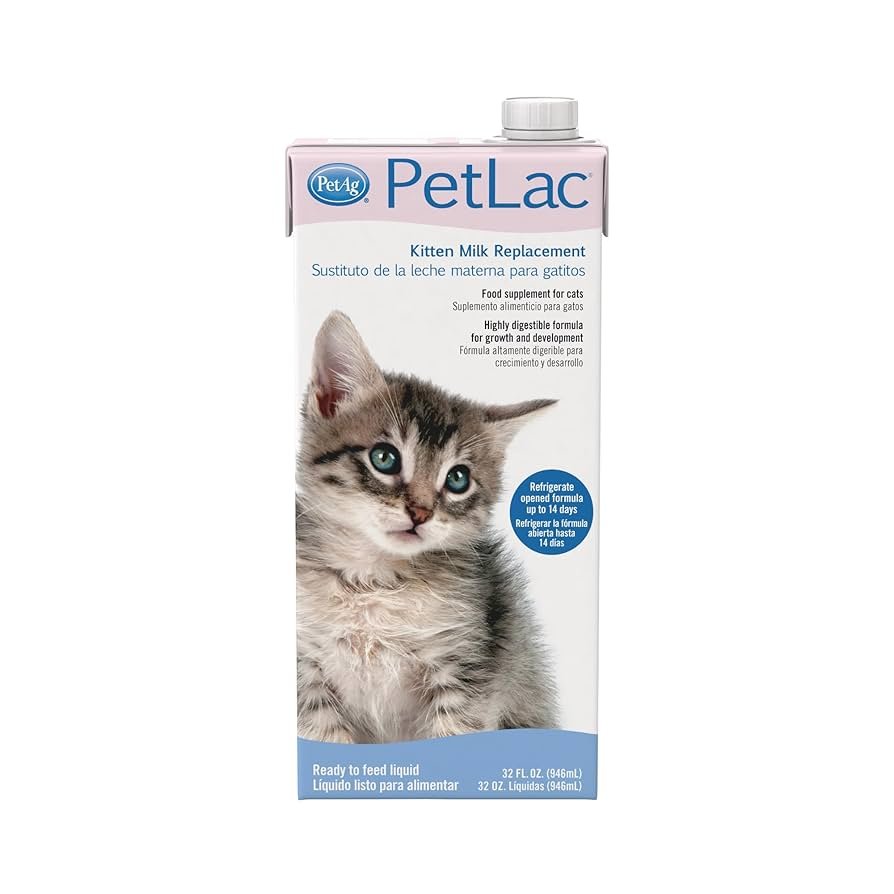
Are you looking for a simple way to boost your cat’s health and happiness? Liquid nutrition for cats might be the secret you’ve been missing.
It’s an easy, effective way to make sure your furry friend gets all the essential nutrients they need—without the fuss of pills or messy powders. Whether your cat is picky, recovering from illness, or just needs an extra boost, liquid nutrition can make a real difference.
Keep reading to discover how this quick and convenient option can transform your cat’s diet and well-being.
Benefits Of Liquid Nutrition
Liquid nutrition offers a unique set of benefits for your cat’s overall health and well-being. It can make a big difference, especially if your cat struggles with dry food or has special dietary needs. Understanding these benefits helps you decide if liquid nutrition fits your cat’s lifestyle.
Improved Hydration
Many cats don’t drink enough water, which can lead to urinary and kidney problems. Liquid nutrition naturally contains a high water content, helping keep your cat hydrated without extra effort.
Adding liquid food to your cat’s diet is an easy way to increase their fluid intake. Have you noticed your cat drinking less water? Liquid nutrition might be the simple fix they need.
Enhanced Nutrient Absorption
Liquid nutrition breaks down nutrients into smaller particles, making it easier for your cat’s body to absorb vitamins and minerals. This is especially helpful for older cats or those with digestion issues.
Your cat can get more out of every meal with liquid nutrition, supporting their energy and immune system. Could better nutrient absorption improve your cat’s vitality?
Support For Digestive Health
Liquid diets are gentle on the stomach and can help reduce digestive stress. They often contain prebiotics or probiotics that promote healthy gut bacteria.
If your cat has sensitive digestion, switching to liquid nutrition might soothe their tummy and improve stool quality. Have you seen signs of digestive discomfort in your cat that liquid nutrition could ease?
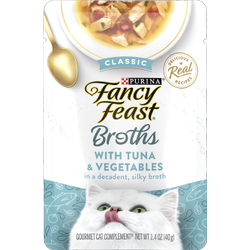
Credit: www.purina.com
Types Of Liquid Nutrition
Liquid nutrition offers various options to support your cat’s health. These options range from simple homemade recipes to specially designed commercial products. Each type serves different needs and preferences. Understanding these types helps you choose the best for your cat’s wellbeing.
Homemade Broths And Smoothies
Homemade broths are easy to prepare and gentle on your cat’s stomach. Use ingredients like chicken, fish, or beef bones to create nutrient-rich broth. Avoid onions, garlic, and salt, as they are harmful to cats.
Smoothies can combine pureed meats with vegetables for extra vitamins. Make sure all ingredients are safe for cats. These liquids provide hydration and essential nutrients in a tasty form.
Commercial Liquid Diets
Commercial liquid diets are specially formulated for cats with health issues. They offer balanced nutrition and controlled calories. These diets support recovery from illness or surgery.
Brands usually create these diets under veterinary guidance. They come in ready-to-feed bottles or powders to mix with water. Always consult your vet before switching to a commercial liquid diet.
Supplements And Additives
Supplements and additives boost your cat’s liquid nutrition with extra vitamins and minerals. They come as powders, liquids, or gels.
- Vitamin supplements improve overall health and immune support.
- Probiotics help maintain gut health and digestion.
- Omega fatty acids support skin and coat condition.
These can be mixed into broths or commercial diets for easy feeding. Use only products made for cats and follow dosage instructions carefully.
Choosing The Right Formula
Choosing the right liquid nutrition formula for your cat is vital. It supports their health and matches their unique needs. Different cats have different requirements based on age, health, and taste preferences. Selecting a formula that suits these factors helps keep your cat happy and healthy.
Age And Health Considerations
Kittens, adult cats, and seniors have distinct nutritional needs. Kittens need extra nutrients for growth. Older cats may require formulas that support joint health or kidney function. Cats with health issues need special formulas prescribed by a vet. Always consider your cat’s life stage and medical conditions.
Ingredient Quality
High-quality ingredients ensure better nutrition and safety. Look for formulas with real meat as the main ingredient. Avoid those with fillers, artificial colors, or preservatives. Natural vitamins and minerals help maintain your cat’s energy and immunity. Transparency in ingredient sourcing reflects a trustworthy brand.
Palatability And Preferences
Cats can be picky eaters. Taste and texture affect whether they accept the formula. Some cats prefer smooth liquids, others like a bit of thickness. Flavor options like chicken, fish, or beef increase acceptance. Testing small samples helps find what your cat enjoys most.

Credit: animeal.in
Feeding Techniques And Tips
Feeding your cat liquid nutrition requires more than just offering the right product. How you introduce and serve these nutrients can make a big difference in your cat’s acceptance and health. Paying attention to feeding techniques helps ensure your cat enjoys mealtime and gets the full benefits of liquid nutrition.
Transitioning From Dry Food
Switching your cat from dry food to liquid nutrition is a gradual process. Start by mixing a small amount of liquid food into their regular dry kibble. This blend helps your cat get used to the new texture and flavor without overwhelming them.
Increase the liquid portion slowly over a week or two. Watch your cat’s reaction carefully—if they refuse the new food, slow down the transition. Have you noticed your cat’s preferences change during feeding? This can guide how fast you proceed.
Serving Methods
Liquid nutrition can be served in various ways depending on your cat’s habits. Some cats prefer drinking from a shallow bowl, while others like a syringe or a special feeding bottle. Experiment with different tools to find what your cat responds to best.
- Use a shallow dish for easy access and to mimic natural drinking.
- Try a syringe for precise feeding, especially with finicky eaters.
- Warm the liquid slightly to enhance aroma and appeal.
Remember, presentation matters. Offering the liquid in smaller, frequent servings can prevent your cat from feeling overwhelmed.
Monitoring Intake
Keeping track of how much liquid nutrition your cat consumes is essential. Use a feeding log or app to note daily amounts and any changes in appetite. This information helps detect health issues early or adjust feeding amounts for optimal nutrition.
Observe your cat’s energy and hydration levels alongside intake. If you see sudden drops or spikes in consumption, consider consulting your vet. Are you confident your cat is getting enough nutrients with liquid feeding?
Common Concerns And Solutions
Switching your cat to liquid nutrition might raise a few questions or concerns. It’s normal to wonder about allergies, hydration levels, or the balance of nutrients. Let’s address some common worries and how you can handle them effectively.
Allergies And Sensitivities
Cats can develop allergies to certain ingredients in liquid diets, just like with dry or canned food. Watch for signs like itching, vomiting, or digestive upset shortly after introducing new liquid nutrition.
If you notice these symptoms, try an elimination approach. Remove the suspected ingredient and reintroduce it slowly to pinpoint the cause. Choosing hypoallergenic formulas or consulting your vet for allergy testing can help keep your cat safe and comfortable.
Preventing Overhydration
While liquid nutrition helps keep cats hydrated, too much water intake can lead to overhydration, which may cause electrolyte imbalances. It’s important to monitor how much liquid your cat consumes daily.
Keep an eye on your cat’s behavior and body condition. If you notice bloating, lethargy, or frequent urination, it might be time to adjust the liquid portions. Balancing liquid nutrition with solid food can also prevent this issue.
Avoiding Nutritional Imbalances
Liquid diets can sometimes lack certain essential nutrients if not formulated properly. Feeding your cat exclusively with homemade liquid recipes without guidance might cause deficiencies.
Look for commercial liquid nutrition products that meet AAFCO standards or consult your veterinarian to ensure your cat’s diet is complete. Rotating between liquid and traditional foods can also provide a wider range of nutrients and keep your cat’s meals interesting.

Credit: www.amazon.com
Signs Of Improved Health
Noticing clear signs of improved health in your cat after adding liquid nutrition to their diet can be truly rewarding. These changes often show up subtly at first but become more obvious as time passes. Watching your pet’s transformation helps you understand the real impact of proper nutrition.
Increased Energy Levels
Have you seen your cat suddenly chasing toys with more enthusiasm or exploring corners they usually avoid? This boost in energy often means their body is getting the right nutrients. Cats that were once lethargic start showing more curiosity and playfulness, which is a great sign of better health.
Energy spikes might also mean improved muscle strength. If your cat is jumping onto higher surfaces or running around more, it’s likely due to better nutrition fueling their body.
Better Coat Condition
One of the easiest signs to spot is a shinier, softer coat. Liquid nutrition often provides essential fatty acids that improve skin and fur health. You might notice less shedding and fewer dry patches on your cat’s fur.
Have you ever stroked your cat’s coat and felt a noticeable difference in texture? A healthier coat is not just about looks—it reflects internal wellness and proper hydration.
Regular Digestion
Digestive health is crucial for your cat’s overall well-being. Adding liquid nutrition can help regulate bowel movements, reducing constipation or diarrhea. You may find your cat’s digestion becoming more consistent and comfortable.
Watch for signs like fewer vomiting episodes or a decrease in stomach upset. These improvements mean your cat’s digestive system is adapting well to the new diet and absorbing nutrients more efficiently.
When To Consult A Vet
Knowing when to consult a vet about your cat’s liquid nutrition can make a big difference in your pet’s health. Cats can be subtle about showing discomfort, so paying close attention to their behavior and physical changes is key. Don’t wait until a problem worsens; early vet advice can prevent serious issues.
Changes In Eating Habits
Has your cat suddenly stopped drinking their liquid nutrition or is eating much less than usual? A drop in appetite can signal pain, dental problems, or digestive issues. If your cat refuses food for more than 24 hours or shows signs of difficulty swallowing, it’s time to consult your vet.
Also, watch for excessive drooling or pawing at the mouth during feeding. These signs can indicate discomfort that needs professional assessment. Have you noticed your cat becoming picky or avoiding their favorite flavors? This could be a clue to underlying health problems.
Unusual Symptoms
If your cat shows vomiting, diarrhea, or sudden weight loss after starting liquid nutrition, don’t ignore these symptoms. Such reactions might mean your cat’s body isn’t tolerating the formula well or there is an unrelated illness. Persistent lethargy, weakness, or changes in behavior also call for immediate veterinary attention.
Keep a close eye on your cat’s hydration levels, especially if they are on a liquid diet. Sunken eyes or dry gums can be subtle indicators of dehydration, which requires prompt care. How quickly do you act when your cat’s behavior shifts unexpectedly?
Supplementing Medical Treatments
Sometimes vets recommend liquid nutrition to support cats recovering from illness or surgery. If your cat is on medication, always check with your vet before adding any supplements or changing their liquid diet. Certain ingredients might interfere with treatments or worsen symptoms.
Regular follow-ups ensure your cat’s nutritional needs align with their medical plan. Adjustments may be needed based on your cat’s response and recovery progress. Remember, your vet is your best resource for balancing liquid nutrition with ongoing health care.
Frequently Asked Questions
What Is Liquid Nutrition For Cats?
Liquid nutrition for cats is a fluid-based food supplement. It provides essential nutrients and hydration. It’s useful for cats with eating difficulties or health issues.
When Should I Give My Cat Liquid Nutrition?
Give liquid nutrition when your cat is sick, weak, or recovering. It supports hydration and nutrient intake. Always consult your vet before starting.
Are Liquid Nutrition Supplements Safe For Cats?
Yes, most liquid nutrition supplements are safe if used correctly. Choose vet-approved products and follow dosage instructions carefully. Monitor your cat’s response.
How Does Liquid Nutrition Benefit Cats?
It improves hydration, digestion, and nutrient absorption. It’s ideal for picky eaters, older cats, or those with medical conditions. It supports overall health and energy.
Conclusion
Liquid nutrition offers a simple way to support your cat’s health. It helps keep cats hydrated and provides easy digestion. Many cats enjoy the taste and get nutrients they need. Always choose high-quality products made for cats. Consult your vet before changing your cat’s diet.
Healthy cats are happy cats. Give liquid nutrition a try for better care and comfort. Small changes can make a big difference. Keep your cat strong and lively every day.
