

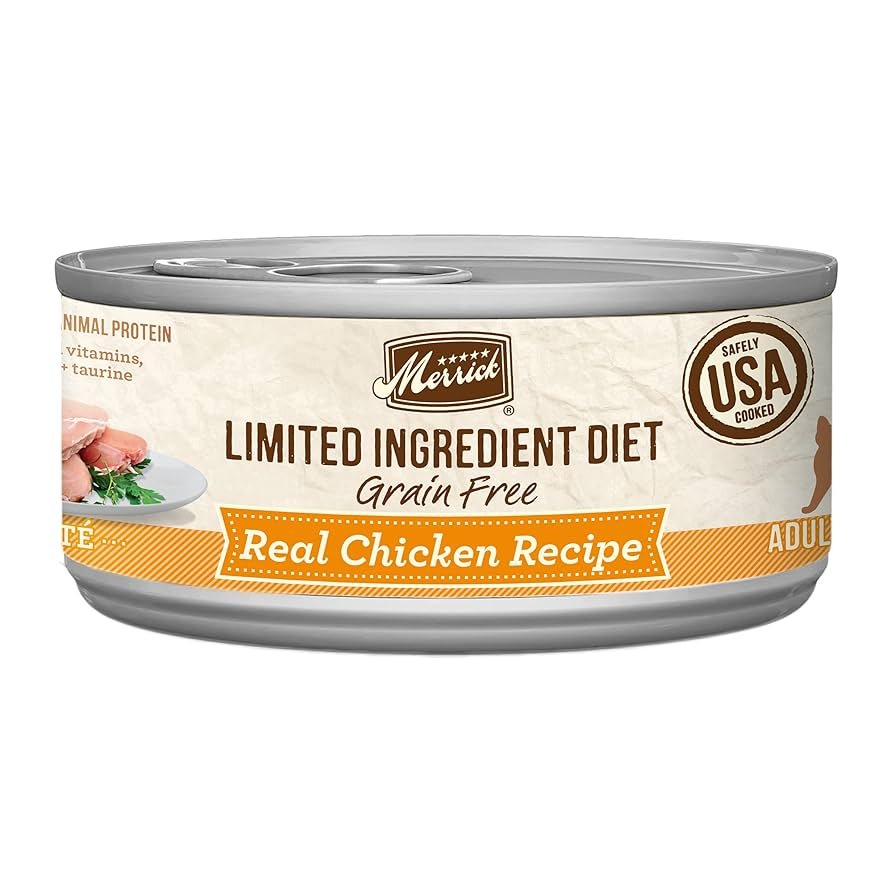
Are you worried about what’s really in your cat’s food? Choosing the right diet can be tricky, especially if your furry friend has sensitive skin or a delicate stomach.
Limited ingredient cat food might be the answer you’re looking for. With fewer ingredients, it’s easier to spot what could cause allergies or digestive issues. You’ll discover why limited ingredient cat food could improve your cat’s health and happiness—and how to pick the best option for your pet.
Keep reading to find out how to make mealtime safer and more enjoyable for your beloved cat.

Credit: morristownagway.com
Benefits Of Limited Ingredient Diets
Limited ingredient diets for cats focus on fewer ingredients in their food. This approach offers many health benefits. It simplifies your cat’s meals and helps target specific health problems. Cats with sensitive stomachs or allergies often respond well to these diets.
Easing Food Sensitivities
Limited ingredient diets reduce the number of components in cat food. This makes it easier to identify which ingredients cause issues. Cats with food sensitivities often experience less discomfort. Symptoms like vomiting and diarrhea can decrease. Simplified meals help your cat feel better faster.
Improving Digestion
Fewer ingredients mean less strain on your cat’s digestive system. Limited diets contain easily digestible proteins and carbohydrates. This supports better nutrient absorption. Cats with digestive problems may see improved bowel movements. Their overall gut health can become more balanced and stable.
Reducing Allergies
Food allergies in cats often come from certain proteins or grains. Limited ingredient diets limit exposure to potential allergens. This can reduce itching, redness, and skin irritations. Many cats show fewer allergy symptoms after switching. It helps protect their immune system from overreacting.

Credit: www.amazon.com
Common Ingredients In Limited Diets
Limited ingredient cat foods focus on simple, easy-to-digest ingredients. They reduce the risk of allergies and stomach problems. This helps cats with sensitive systems stay healthy and happy.
Single Protein Sources
These diets often use one type of protein. Common options include chicken, turkey, or fish. Using a single protein helps identify food allergies. It also makes digestion easier for cats with sensitivities.
Simple Carbohydrates
Limited ingredient foods include easy carbohydrates. Ingredients like rice, potatoes, or peas provide energy without causing upset stomachs. These carbs are gentle on digestion. They supply steady energy for active cats.
Essential Vitamins And Minerals
Balanced nutrition is key in limited diets. Vitamins like A, D, and E support overall health. Minerals such as calcium and phosphorus strengthen bones and teeth. These nutrients keep cats strong and active.
Choosing The Right Limited Ingredient Cat Food
Choosing the right limited ingredient cat food is key to keeping your feline friend healthy and happy. With so many options on the market, it’s easy to feel overwhelmed. The right choice depends on understanding labels, your cat’s specific needs, and expert advice.
Reading Labels Effectively
Labels tell you what’s really inside the food you pick. Look for simple ingredient lists with fewer components—usually under ten ingredients is ideal.
Check for common allergens like corn, wheat, or soy that might trigger your cat’s sensitivities. Also, focus on high-quality protein sources listed first, such as chicken or salmon.
Beware of vague terms like “animal fat” or “meat by-products.” Clear, specific ingredients mean better quality and transparency.
Considering Your Cat’s Needs
Every cat is unique, so think about yours carefully. Does your cat have allergies or digestive issues? Limited ingredient diets often help by cutting out problem ingredients.
Age and activity level matter too. Kittens and senior cats have different nutritional needs that limited ingredient foods should meet.
Ask yourself: Is my cat a picky eater? Some limited ingredient foods come in palatable flavors that can entice even the fussiest cats.
Consulting With A Veterinarian
Your vet can offer invaluable guidance tailored to your cat’s health. They can recommend specific brands or ingredients based on medical history and allergies.
Discuss any ongoing symptoms or reactions your cat has shown. This helps your vet adjust dietary advice to prevent future issues.
Don’t hesitate to ask about transitioning your cat gradually to a new limited ingredient food to avoid upsetting their stomach.

Credit: www.amazon.com
Potential Challenges And Solutions
Choosing limited ingredient cat food can bring great benefits, but it’s not without its challenges. Understanding these hurdles helps you make smarter choices for your cat’s health. Let’s look at some common issues and how you can handle them effectively.
Nutritional Balance Concerns
Limited ingredient foods focus on fewer components, which might leave gaps in essential nutrients. Cats need a precise mix of proteins, fats, vitamins, and minerals to thrive.
Check the ingredient list carefully to ensure it meets your cat’s nutritional needs. Sometimes, supplementing with a vet-approved vitamin or mineral can fill any gaps.
Have you ever noticed changes in your cat’s energy or coat after switching foods? That might be a sign to reassess the nutritional balance.
Transitioning Your Cat’s Diet
Switching to limited ingredient food requires patience. Abrupt changes can upset your cat’s stomach and cause refusal to eat.
Mix the new food with the old gradually over 7 to 10 days, increasing the new food portion bit by bit. Watch for any signs of digestive issues or allergies during this time.
What tricks have worked for you to get your picky eater to accept new food? Sometimes, warming the food or adding a small treat helps ease the transition.
Avoiding Common Pitfalls
Not all limited ingredient foods are created equal. Some may still contain hidden additives or allergens that can trigger reactions.
- Always read labels beyond the main ingredients.
- Consult your vet for brands known for quality and transparency.
- Keep an eye on your cat’s behavior and health regularly.
Ignoring these steps can lead to frustration and wasted money. Are you confident your current brand meets your cat’s unique needs?
Homemade Vs Commercial Limited Ingredient Foods
Deciding between homemade and commercial limited ingredient cat foods can feel overwhelming. Each choice offers unique benefits and challenges, depending on your cat’s health needs and your lifestyle. Understanding these differences helps you make the best decision for your furry friend.
Pros And Cons Of Homemade Meals
Making limited ingredient meals at home gives you full control over what your cat eats. You can avoid allergens and add fresh, whole ingredients tailored to your cat’s preferences.
However, preparing balanced meals requires knowledge of feline nutrition. Missing key nutrients like taurine can cause serious health issues. Plus, it takes time and effort to prepare meals regularly.
Have you ever tried mixing your cat’s food and wondered if it’s truly healthy? Consulting a vet or pet nutritionist is crucial before switching to homemade meals.
Quality Control In Commercial Products
Commercial limited ingredient cat foods undergo strict quality checks and nutritional testing. They are designed to meet your cat’s dietary requirements, making them a safer choice for many owners.
Still, ingredient sourcing and manufacturing practices vary between brands. Reading labels carefully and choosing reputable companies ensures your cat gets a reliable product.
Would you trust a product without knowing its ingredient origins or production standards? Transparency matters when selecting commercial foods.
Cost Considerations
Homemade meals can be cost-effective if you buy ingredients in bulk and avoid expensive supplements. However, hidden costs like vet visits and supplements add up quickly.
Commercial limited ingredient foods often cost more upfront but save time and reduce the risk of nutritional mistakes. For busy pet owners, this convenience can be worth the price.
How much value do you place on convenience versus hands-on care? Balancing cost with quality and effort is key to your decision.
Signs Your Cat May Benefit From Limited Ingredients
Recognizing signs that your cat may benefit from limited ingredient food is important. Limited ingredient diets can help manage allergies, sensitivities, and certain health problems. Watch your cat closely for symptoms that suggest a simpler diet might improve their well-being.
Skin And Coat Issues
Dry, flaky skin and constant scratching are common signs. Red, irritated patches or hair loss also indicate problems. These symptoms often result from food allergies or sensitivities. A limited ingredient diet can reduce exposure to triggers and soothe skin issues.
Digestive Problems
Frequent vomiting or diarrhea can signal digestive trouble. Gas, bloating, or constipation might also occur. These symptoms suggest the current food may not agree with your cat’s system. Switching to limited ingredient food can ease digestion and improve gut health.
Behavioral Changes
Unexplained irritability or restlessness may show discomfort. Excessive licking or biting can be a response to allergies. Sometimes, changes in energy or appetite occur. Limited ingredient diets help reduce discomfort, leading to calmer, happier cats.
Frequently Asked Questions
What Is Limited Ingredient Cat Food?
Limited ingredient cat food contains fewer ingredients to reduce allergies. It focuses on simple recipes with one protein and limited carbs. This helps cats with food sensitivities or digestive issues thrive. It also makes ingredient tracking easier for pet owners.
How Does Limited Ingredient Cat Food Benefit Cats?
It reduces allergic reactions by minimizing common allergens. Cats with sensitive stomachs digest it better. Limited ingredient diets promote healthier skin and coat. They help identify food intolerances by isolating ingredients. Overall, it supports better digestion and nutrient absorption.
Is Limited Ingredient Cat Food Suitable For All Cats?
Limited ingredient cat food suits cats with allergies or sensitivities best. Healthy cats can eat it but don’t always need to. Always consult a vet before switching diets. It’s essential to ensure balanced nutrition for your cat’s needs.
Can Limited Ingredient Cat Food Prevent Allergies?
It helps prevent allergies by avoiding common triggers like grains and artificial additives. However, it may not stop all allergic reactions. Regular vet check-ups and allergy tests are important for managing your cat’s health effectively.
Conclusion
Choosing limited ingredient cat food helps keep your pet’s diet simple and clear. It reduces the chance of allergies and stomach problems. Cats with sensitive tummies often feel better with fewer ingredients. Always check the label for quality proteins and essential nutrients.
Feeding your cat well supports their health and happiness. Remember, a simple diet can make a big difference. Give your cat the care they deserve with the right food. Keep their meals easy and healthy every day.
