

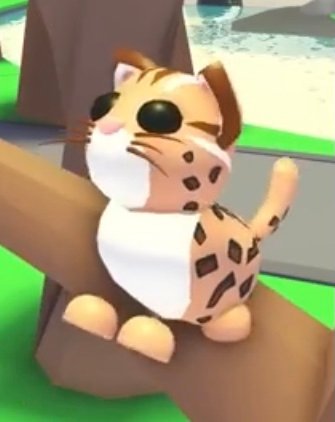
Are you curious about the Leopard Cat in Adopt Me? This rare and beautiful pet has captured the hearts of many players just like you.
Imagine having a sleek, spotted companion that stands out in your collection. But there’s more to this pet than just its looks. You’ll discover how to get your own Leopard Cat, why it’s so special, and tips to make the most of it in the game.
Keep reading, and soon you could be the proud owner of one of Adopt Me’s coolest pets!
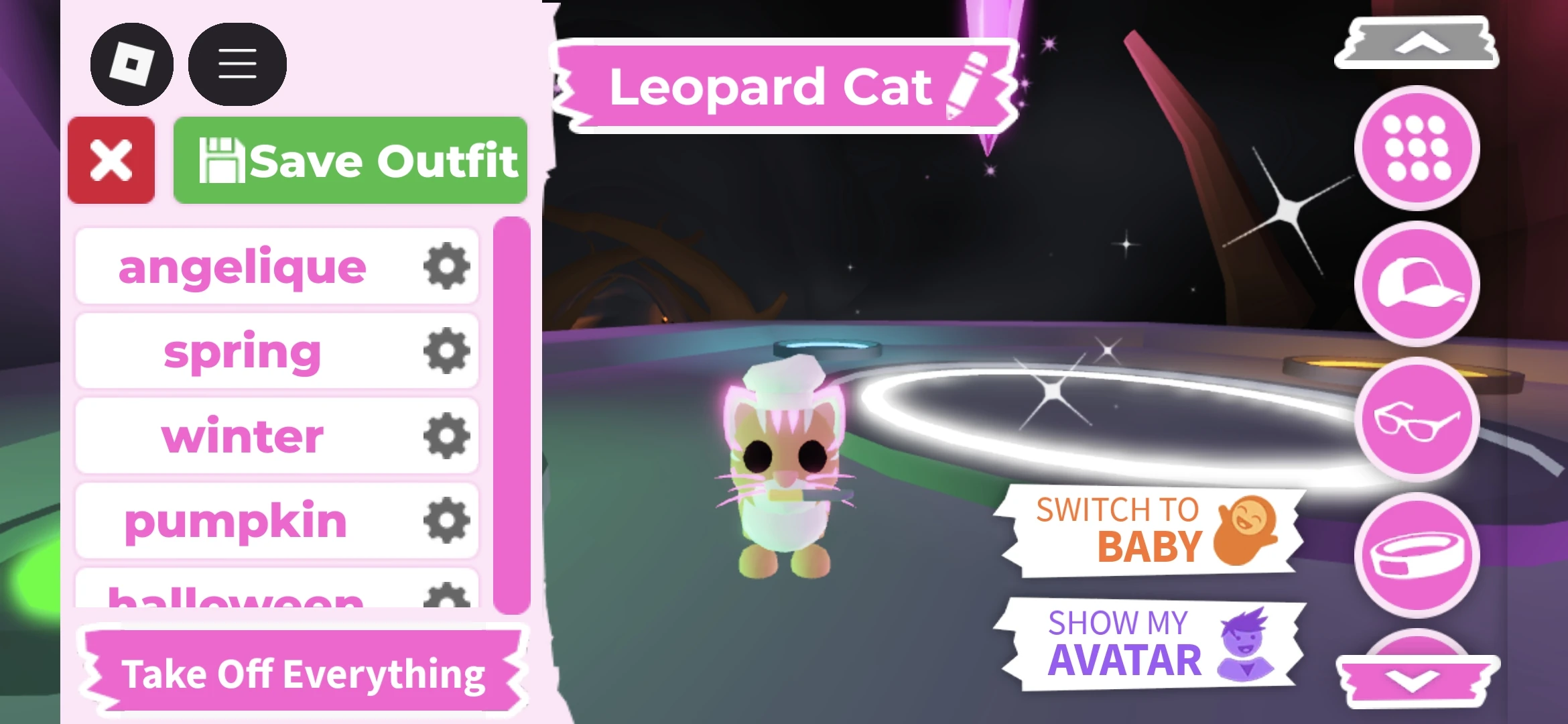
Credit: adoptme.fandom.com
Leopard Cat Basics
The Leopard Cat is a fascinating species that often captures the curiosity of animal lovers and adopters alike. Understanding its basics is key before considering adoption or even admiring this creature from afar. Knowing what to expect about its appearance, behavior, and natural environment will give you a clearer picture of this unique feline.
Physical Features
Leopard Cats are small but striking. Their bodies are covered with spotted fur that resembles the patterns of a leopard, hence the name.
They typically weigh between 2 to 5 kilograms, making them much smaller than the common leopard. Their sharp eyes and agile build help them hunt efficiently.
Have you noticed how their ears have white spots on the back? This feature helps them communicate and stay alert in the wild.
Behavior Traits
Leopard Cats are mostly nocturnal, meaning they are active at night. This behavior helps them avoid predators and hunt more effectively.
They are solitary animals, preferring to live and hunt alone. This independence is crucial to their survival but may pose challenges if you’re thinking about adopting one.
Interestingly, Leopard Cats are excellent climbers and swimmers. This versatility allows them to adapt to different environments with ease.
Natural Habitat
These cats are native to various parts of Asia, including forests, grasslands, and even agricultural areas.
Their adaptability to multiple habitats shows how resilient they are, but it also means their living space is shrinking due to human expansion.
Have you ever wondered how you could help protect their natural homes? Supporting conservation efforts or learning more about their environment are good starting points.
Adoption Essentials
Adopting a Leopard Cat requires careful preparation and understanding. These small wild cats need special care and respect. Knowing what to expect helps create a safe home for your new pet. This section covers essential points for adopting a Leopard Cat responsibly.
Where To Find Leopard Cats
Leopard Cats are not common pets. Find them through licensed breeders or rescue centers. Avoid buying from illegal sellers or unverified sources. Check if the place has good reviews and proper permits. Visiting in person helps ensure the cats are healthy and well cared for.
Legal Considerations
Owning a Leopard Cat may require permits or licenses. Laws vary by country and state. Research local rules before adopting. Some places ban keeping wild cats as pets. Non-compliance can lead to fines or loss of the animal. Contact wildlife authorities for clear guidance.
Choosing The Right Cat
Select a Leopard Cat that fits your lifestyle. Consider age, temperament, and health. Younger cats need more attention and training. Observe the cat’s behavior to gauge friendliness and energy. Pick one that matches your home environment and experience with pets.
Preparing Your Home
Getting your home ready for a Leopard Cat in Adopt Me means more than just clearing space. These unique pets need a carefully planned environment to thrive. Thinking about their safety, comfort, and social habits early will make your experience smoother and more enjoyable.
Safe Environment Setup
Leopard Cats are curious and fast, so your home needs to be secure. Remove or cover any sharp edges and block small openings where they could get stuck. Make sure windows and balconies have sturdy screens to prevent accidental escapes.
Consider adding vertical spaces like cat trees or shelves. These give your Leopard Cat places to climb and observe without feeling trapped. You want to create a space that feels open but also keeps them protected.
Necessary Supplies
Stock up on essentials before bringing your Leopard Cat home. A litter box with low sides is ideal because they prefer easy access. Choose a litter that controls odor and is safe if accidentally ingested.
Provide scratching posts to save your furniture and satisfy natural instincts. Fresh water and high-quality cat food tailored for exotic breeds will keep your pet healthy and energetic. Don’t forget toys that stimulate their hunting skills, like feather wands or small balls.
Introducing To Other Pets
Leopard Cats can be territorial, so introductions to other pets need patience. Start by keeping them separated but allow them to smell each other under the door. This helps them get used to the other’s presence without direct contact.
After a few days, try short supervised meetings in a neutral space. Watch closely for signs of stress or aggression. If both animals stay calm, gradually increase their time together until they can share the same room comfortably.
Have you thought about how your current pets might react to a new, wild-spirited companion? Preparing for their introduction can save a lot of stress later on.

Credit: traderie.com
Daily Care Routine
Keeping a Leopard Cat happy and healthy means sticking to a daily care routine that fits its unique needs. These small wild cats are energetic and curious, so your attention to feeding, grooming, and playtime will shape their well-being and behavior.
Feeding Guidelines
Leopard Cats need a diet rich in protein to match their natural hunting instincts. You should provide high-quality wet or raw food that mimics what they would eat in the wild, such as chicken, fish, or small rodents.
Measure their portions carefully to avoid overfeeding. A typical adult needs about 200-300 grams of food daily, split into two meals. Fresh water must always be available, as hydration is key to their health.
Grooming Tips
Although Leopard Cats groom themselves, regular brushing helps reduce shedding and prevents hairballs. Use a soft-bristled brush once or twice a week to keep their coat sleek and healthy.
Check their ears and eyes daily for any signs of infection. Regular nail trimming is also essential to keep their claws sharp but not overly long, which can cause discomfort or damage.
Exercise And Play
These cats are naturally active and need plenty of stimulation. Provide toys that encourage hunting behavior, like feather wands or laser pointers, to keep your Leopard Cat engaged.
Set aside at least 30 minutes daily for interactive play sessions. This not only helps burn off energy but also strengthens your bond and reduces stress-related behaviors.
Health And Wellness
Maintaining the health and wellness of your Leopard Cat in Adopt Me is essential. Healthy pets live longer and stay more active. Proper care helps prevent illnesses and keeps your pet happy.
Regular checks and good hygiene support your Leopard Cat’s well-being. Nutrition, exercise, and a clean environment all play important roles. Understanding common health issues and proper veterinary care ensures your pet thrives.
Common Health Issues
- Respiratory infections can cause sneezing and coughing.
- Skin problems like fleas and allergies may appear.
- Digestive troubles such as vomiting or diarrhea happen sometimes.
- Dental disease may affect eating and cause pain.
- Obesity can develop without enough exercise and good diet.
Veterinary Care
Regular vet visits help detect problems early. Routine check-ups keep your Leopard Cat healthy. A vet can advise on diet, exercise, and treatment.
Emergency care is important for injuries or sudden illness. Choose a vet familiar with exotic or wild cat species. Keep medical records organized for quick reference.
Vaccination Schedule
| Age | Vaccine | Purpose |
|---|---|---|
| 6-8 weeks | Feline Distemper | Protects against viral infections |
| 9-12 weeks | Feline Herpesvirus | Prevents respiratory illness |
| 12-16 weeks | Rabies | Protects from rabies virus |
| Annual | Booster Shots | Maintains immunity |
Follow this schedule to keep your Leopard Cat safe. Vaccines help avoid dangerous diseases. Talk to your vet for tailored advice.

Credit: gameflip.com
Training And Socialization
Training and socializing your Leopard Cat in Adopt Me is essential for creating a positive experience for both you and your virtual pet. This process helps your Leopard Cat become more responsive, well-behaved, and comfortable around other players and environments. Paying attention to these details can make your gameplay more enjoyable and rewarding.
Litter Training
Litter training is the first step to managing your Leopard Cat’s hygiene in the game. You want to encourage your pet to use the litter box consistently to avoid messes in your virtual space. Try placing the litter box in a quiet spot and guiding your Leopard Cat there after feeding or waking up.
If your Leopard Cat hesitates, gently nudge them toward the box or reward them with in-game treats when they use it correctly. This positive reinforcement builds good habits quickly.
Behavioral Training
Behavioral training focuses on teaching your Leopard Cat commands and reducing unwanted actions. You can train your pet to follow simple commands like “sit” or “stay,” which can improve how you interact during missions or events.
Consistency is key. Use repeated commands and reward good behavior with treats or praise. Avoid punishing your Leopard Cat harshly; instead, redirect their attention if they act out.
Building Trust
Building trust with your Leopard Cat makes training easier and deepens your bond. Spend time playing or simply sitting near your pet to show you’re a friend, not a threat. This calm approach encourages your Leopard Cat to explore and respond more openly to your commands.
Have you noticed how your Leopard Cat reacts differently when you’re patient versus when you rush training? Taking it slow often leads to better progress and a happier pet.
Challenges And Solutions
Adopting a Leopard Cat in Adopt Me can be a rewarding experience, but it comes with its own set of challenges. Understanding these hurdles and knowing how to address them will help you build a stronger bond with your new companion. Let’s look at common issues like shyness, aggression, and adapting to new environments—and how you can manage them effectively.
Dealing With Shyness
Leopard Cats often start off shy and cautious around new players. They may hide or avoid interaction, which can be frustrating if you want to engage right away.
Patience is key here. Spend time near them without forcing contact. Try simple actions like sitting quietly or offering food, which can make your presence less intimidating.
Have you noticed how animals in the wild approach slowly when they feel safe? Your Leopard Cat needs that same gentle approach to open up.
Managing Aggression
Sometimes your Leopard Cat might show aggressive behavior like hissing or swiping. This is usually a sign of fear or discomfort, not true hostility.
- Keep interactions calm and avoid sudden movements.
- Use toys to redirect their energy instead of your hands.
- Give them space if they seem overwhelmed.
Recognizing triggers helps you prevent aggressive episodes before they start. What kind of situations seem to upset your Leopard Cat? Watching carefully can reveal important clues.
Adapting To New Environments
Leopard Cats may struggle when introduced to unfamiliar places or changes in their routine. Their natural instincts make them cautious about new surroundings.
Introduce changes slowly. Let them explore one new area at a time and keep familiar items around for comfort.
Creating a safe, consistent environment helps your Leopard Cat feel secure. Think about what makes you feel comfortable in a new place—your pet needs the same.
Long-term Commitment
Adopting a Leopard Cat is more than just bringing a new pet home; it’s a serious, long-term commitment. These unique animals require consistent care, attention, and resources throughout their lives. Before you decide, consider what it truly means to dedicate yourself to their well-being for years to come.
Lifespan And Growth
Leopard Cats typically live between 12 to 15 years in captivity, sometimes even longer with excellent care. They grow quickly during their first year, reaching full size by about 12 months old. Understanding their growth stages helps you prepare for changing needs, from kitten-proofing your home to adjusting their diet as they mature.
Are you ready to provide a stable environment for over a decade? This question is crucial because their developmental phases require patience and adaptability from you as their caretaker.
Financial Considerations
Owning a Leopard Cat involves ongoing expenses that often surprise new adopters. These costs include high-quality food, regular veterinary check-ups, vaccinations, and sometimes specialized medical care.
Additionally, you might need to invest in enrichment items like climbing trees or interactive toys to keep your Leopard Cat mentally stimulated. Can your budget handle unexpected vet visits or emergency care?
- Premium diet and supplements
- Annual vet visits and vaccinations
- Pet insurance or emergency funds
- Enrichment and habitat supplies
Ongoing Care Tips
Leopard Cats thrive with consistent routines and plenty of interaction. Daily playtime helps satisfy their natural hunting instincts and prevents boredom.
Regular grooming is essential since they shed seasonally, and checking for parasites keeps them healthy. You’ll also need to create a safe indoor space that mimics their natural environment to keep them comfortable and secure.
How will you balance your lifestyle with the daily needs of a Leopard Cat? Remember, their happiness depends on your commitment to ongoing care and attention.
Frequently Asked Questions
What Is A Leopard Cat In Adopt Me?
A Leopard Cat in Adopt Me is a rare, exotic pet resembling a small wild cat. It features unique spotted fur and agile movements. Players can adopt it to enhance their virtual pet collection and enjoy its distinctive appearance and traits.
How To Adopt A Leopard Cat In Adopt Me?
To adopt a Leopard Cat, visit the Adopt Me game’s nursery or pet shop during special events. Sometimes, it’s available through limited-time offers or trades with other players. Keep an eye on updates for chances to obtain this rare pet.
Is The Leopard Cat Rare In Adopt Me?
Yes, the Leopard Cat is considered a rare pet in Adopt Me. Its limited availability and unique design make it highly sought after by players. Owning one can boost your collection’s value and status within the game.
Can You Trade A Leopard Cat In Adopt Me?
Yes, you can trade the Leopard Cat with other players. Trading allows you to exchange pets or items, helping you get pets you want. Always trade safely and verify the value to avoid scams.
Conclusion
Adopting a Leopard Cat in “Adopt Me” can be exciting. These virtual pets offer fun and companionship. They bring joy to players of all ages. Caring for them teaches responsibility. Leopard Cats are unique and fascinating creatures. Their presence in the game adds value.
Engaging with them enriches your gaming experience. Enjoy their playful nature and striking appearance. Remember to provide attention and care. They thrive in a loving virtual home. So, explore the world of “Adopt Me” with your new Leopard Cat friend.
Embrace the adventure today!
