

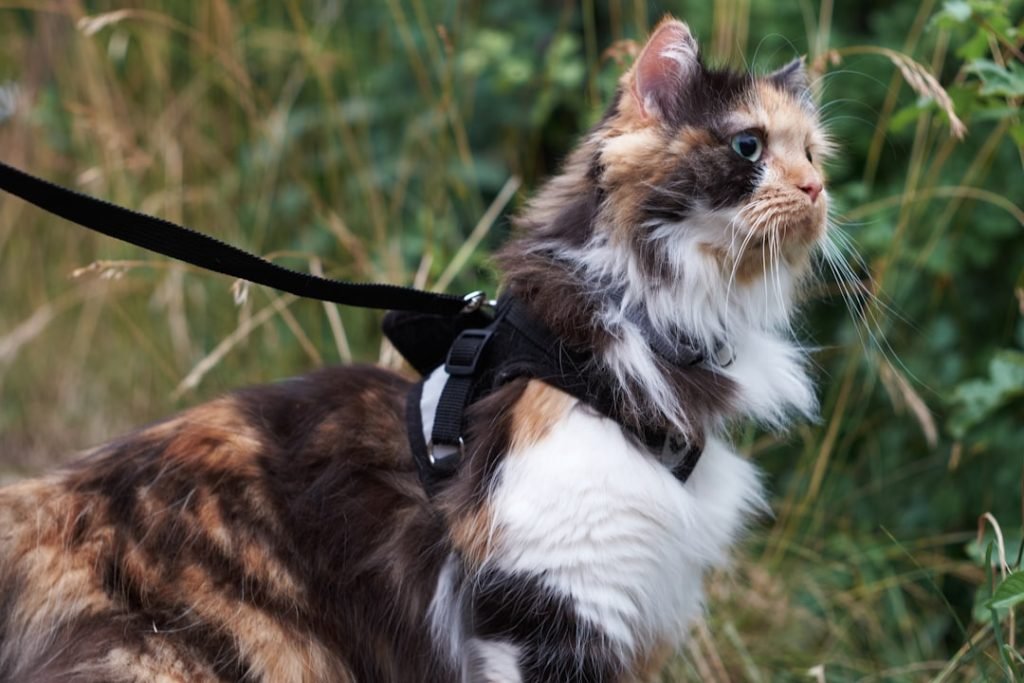
Have you ever wished your cat could explore the outdoors safely without running off or getting lost? Leash training your cat can open up a whole new world of adventure for both of you.
But you might be wondering, is it really possible? How do you even start? You’ll discover simple, effective steps to leash train your cat, making outdoor time fun and stress-free. Keep reading, and you’ll soon see how this small change can deepen your bond and keep your furry friend safe.

Credit: www.timescolonist.com
Benefits Of Leash Training
Leash training your cat can open up a world of safe adventures and benefits for both you and your feline friend. It’s not just about control; it’s about enhancing your cat’s quality of life and your shared experiences. Let’s look at some key advantages that might change how you think about outdoor time with your cat.
Safety During Outdoor Time
Leash training keeps your cat safe from common outdoor dangers like traffic, predators, or getting lost. Instead of worrying about your cat wandering off, you can relax knowing you have control. This means you can explore new environments without risking your cat’s safety.
Think about how many times you have hesitated to take your cat outside because of safety concerns. Leash training solves this problem and lets your cat enjoy fresh air securely.
Mental And Physical Stimulation
Outdoor walks on a leash provide your cat with new sights, sounds, and smells that indoor life can’t offer. This variety keeps your cat’s brain active and curious. It’s like giving your cat a daily dose of adventure without the risks.
Physically, leash walks encourage exercise, which helps prevent obesity and related health issues. Have you noticed your cat’s energy levels or mood improve after some outdoor time? That’s the power of stimulation in action.
Strengthening The Human-cat Bond
Leash training creates quality time that builds trust and deepens your connection. As you guide your cat through new experiences, you become their safe anchor in unfamiliar surroundings. This shared journey can transform your relationship.
Watching your cat confidently explore while staying close to you is rewarding. Have you ever felt your bond grow stronger after a peaceful walk together? Leash training invites more moments like this into your life.
Choosing The Right Leash And Harness
Choosing the right leash and harness is key to a safe and happy walking experience for your cat. The right gear keeps your cat secure without causing discomfort. It also helps you control your cat gently during outdoor adventures.
Types Of Harnesses For Cats
Cats need harnesses designed specifically for their shape. Common types include:
- H-Style Harness:Simple design, easy to put on and take off.
- Vest Harness:Covers more of the cat’s body, offers extra security.
- Figure-8 Harness:Loops around the neck and chest, adjustable fit.
Vest harnesses often work best for cats new to leash training.
Material And Comfort Considerations
Choose soft, breathable materials like nylon or mesh. These reduce skin irritation and keep your cat cool. Avoid stiff or rough fabrics that might cause chafing.
Look for harnesses with padding on contact points. Adjustable straps ensure a snug but comfortable fit. Your cat should move freely without feeling squeezed.
Proper Leash Length And Features
Leashes between 4 to 6 feet offer good control and freedom. Too long can be hard to manage. Too short limits exploration and comfort.
Consider leashes with a swivel clip to prevent tangling. Lightweight leashes reduce pulling strain on your cat. Reflective elements enhance visibility during low light walks.
Preparing Your Cat For Training
Preparing your cat for leash training sets the foundation for success. Cats need time to adjust to new gear and experiences. Patience and gentle steps build their confidence. Creating a calm and positive environment helps your cat feel safe. This section covers how to introduce the harness, get your cat used to the leash, and use positive reinforcement.
Introducing The Harness Indoors
Start by letting your cat explore the harness without putting it on. Place the harness near their favorite resting spots. Allow your cat to sniff and touch the harness freely. Next, gently put the harness on for a few minutes. Watch your cat’s reaction closely. Remove the harness if they seem stressed. Repeat this process daily. Increase the time your cat wears the harness slowly.
Getting Used To Wearing A Leash
Attach the leash to the harness indoors. Let the leash drag behind your cat gently. This helps your cat get used to its presence. Hold the leash softly without pulling. Encourage your cat to move around with the leash. Avoid forcing your cat to walk on the leash. Practice short sessions to keep your cat relaxed. Gradually, start guiding your cat with the leash.
Positive Reinforcement Techniques
Use treats and praise to reward your cat. Offer a small treat when your cat wears the harness. Give verbal praise to encourage calm behavior. Use a soft voice to make your cat comfortable. Reward your cat when they walk calmly on the leash. Avoid punishment or harsh tones. Positive reinforcement builds trust and eagerness to learn. Keep training sessions short and fun.

Credit: www.amazon.ca
Step-by-step Training Process
Training your cat to walk on a leash requires patience and a clear plan. Breaking down the process into manageable parts helps both you and your cat feel confident. Each phase builds on the last, making the journey smoother and more enjoyable.
Short Indoor Sessions
Start by letting your cat wear the harness indoors for a few minutes. Keep sessions short—around 5 to 10 minutes—to avoid overwhelming your pet. Praise your cat with treats and gentle petting to create a positive connection.
Use toys or playtime to distract your cat while they get used to the harness. This helps reduce anxiety and makes the experience more fun. Have you noticed how cats respond better when training feels like play?
Gradual Outdoor Exposure
Once your cat is comfortable indoors, take them outside to a quiet, enclosed area. Let them explore at their own pace while you hold the leash loosely. Avoid busy streets or loud noises that might scare your cat.
Allow your cat to sniff around and get familiar with outdoor smells and sights. Slowly increase the duration of these outings over days or weeks. Remember, patience here prevents fear and builds trust.
Handling Common Challenges
Many cats resist the harness or freeze when outside. If this happens, don’t force progress. Calmly guide your cat back indoors and try again later.
Distractions like birds or loud noises can cause sudden jerks on the leash. Stay calm and gently redirect your cat’s attention with a treat or a soft voice. Have you tried using a favorite toy to regain focus during these moments?
Consistency is key. Regular, gentle practice helps your cat learn what to expect and reduces stress. What small changes could you make to your routine to improve training success?
Safety Tips For Outdoor Adventures
Taking your cat outdoors on a leash can be fun and enriching. Safety must come first to ensure a happy experience. Follow key tips to protect your feline friend during these adventures.
Choosing Safe Locations
Select quiet spots away from busy roads and loud noises. Parks with open spaces and soft grass work well. Avoid areas with heavy traffic or construction. Familiar places help your cat feel secure and less stressed.
Monitoring Your Cat’s Behavior
Watch your cat closely for signs of fear or stress. Look for crouching, tail flicking, or trying to hide. Stop and comfort your cat if it seems scared. Let your cat explore slowly and take breaks when needed.
Avoiding Hazards And Predators
Keep an eye out for dogs, wild animals, and insects. Stay clear of poisonous plants or sharp objects on the ground. Check the leash and harness for damage before every walk. Always carry water to keep your cat hydrated.
Troubleshooting Training Issues
Leash training a cat can be rewarding but also presents unique challenges. When things don’t go as planned, it’s important to troubleshoot calmly and patiently. Understanding common issues can help you adjust your approach and keep your cat comfortable and confident during training.
Dealing With Fear And Anxiety
Fear is one of the biggest hurdles in leash training a cat. If your cat freezes, hides, or tries to escape, it’s their way of saying they feel unsafe.
Try to create a calm environment and allow your cat to explore at their own pace. Use soft, soothing tones and offer treats to build positive associations with the leash.
Think about this: Have you noticed if your cat reacts differently indoors versus outdoors? Sometimes starting leash training inside can ease anxiety before venturing outside.
Managing Resistance And Discomfort
Your cat might resist wearing the harness or walking on a leash because it feels strange or tight. Check the fit carefully; a harness that’s too snug or loose will cause discomfort.
Introduce the harness gradually—let your cat sniff and play with it before attempting to put it on. Short, positive sessions help your cat get used to the new sensation without stress.
If your cat pulls or freezes during walks, pause and reward small steps forward. What small wins can you celebrate today to encourage your cat’s progress?
When To Seek Professional Help
Sometimes, despite your best efforts, progress stalls or behavior worsens. If your cat shows extreme fear, aggression, or stress, a professional trainer or veterinarian can offer tailored advice.
Behaviorists can identify underlying issues and suggest techniques you might not have considered. Don’t hesitate to reach out if you feel stuck—your cat’s well-being is worth the extra support.
Remember, leash training is a journey. What challenges are you facing right now, and could professional guidance help you overcome them?
Enhancing Outdoor Experiences
Taking your cat outdoors on a leash opens up a world of new experiences for both of you. It’s not just about fresh air; it’s about building trust and making outdoor adventures something your cat looks forward to. You can make these moments richer and more enjoyable by using simple tools and techniques that keep your cat engaged and comfortable.
Using Treats And Toys
Treats and toys are powerful motivators during leash training. You can encourage your cat to move confidently by rewarding small steps forward with their favorite snacks. Toys, like feather wands or small balls, can turn outdoor time into a fun game that distracts from any anxiety.
Think about what excites your cat most. Does a crunchy treat work better or a soft toy they can chase? Use these incentives to create positive associations with being outside on a leash.
Incorporating Playtime
Playtime is essential to keep your cat happy and active during leash walks. Short bursts of play help release energy and reduce stress, making the outdoor experience more enjoyable. You can toss a toy a few feet away or encourage your cat to stalk and pounce on moving objects.
Have you noticed how your cat’s mood changes when they get to play outside? Adding play breaks keeps their curiosity sharp and strengthens your bond.
Exploring New Environments Safely
Every new place offers unique sights and smells, but it’s crucial to keep safety in mind. Start with quiet, familiar areas before gradually visiting busier spots. Pay attention to your cat’s body language—if they seem overwhelmed, it’s okay to head back.
Use a harness that fits well and a sturdy leash to prevent escapes. Have you planned a route that limits exposure to loud noises or aggressive animals? Safe exploration builds confidence and makes outdoor adventures something your cat will want to repeat.

Credit: www.amazon.ca
Frequently Asked Questions
How Do You Start Leash Training A Cat?
Begin leash training indoors with a harness that fits snugly. Let your cat explore wearing it. Gradually introduce the leash, allowing them to move freely. Practice short sessions, rewarding with treats. Slowly transition to outdoor environments, ensuring safety and comfort at each step.
Can All Cats Be Leash Trained?
Not all cats are suitable for leash training. Some may resist or feel stressed. It’s important to assess your cat’s personality and comfort level. Patiently introduce the harness and leash to see their reaction. Always prioritize your cat’s comfort and never force the process.
How Long Does Leash Training A Cat Take?
Leash training duration varies by cat. Some adapt quickly, within weeks, while others need months. Regular, short, positive sessions help maintain interest. Always be patient and responsive to your cat’s comfort and progress. Consistency and positive reinforcement are key to successful leash training.
What Are The Benefits Of Leash Training A Cat?
Leash training offers mental and physical stimulation for indoor cats. It provides safe outdoor exploration, reducing boredom and anxiety. Cats can enjoy fresh air, new scents, and sights. This enriches their lives, promoting overall health and well-being. It’s a great way to bond with your feline friend.
Conclusion
Leash training your cat takes time and patience. Start slow and use treats to encourage good behavior. Always make sure your cat feels safe and comfortable. Small steps build trust between you and your pet. Enjoy the new ways to explore the outdoors together.
Remember, every cat learns at its own pace. Keep sessions short and positive to avoid stress. With care and practice, leash training can be a fun experience for both of you.
