

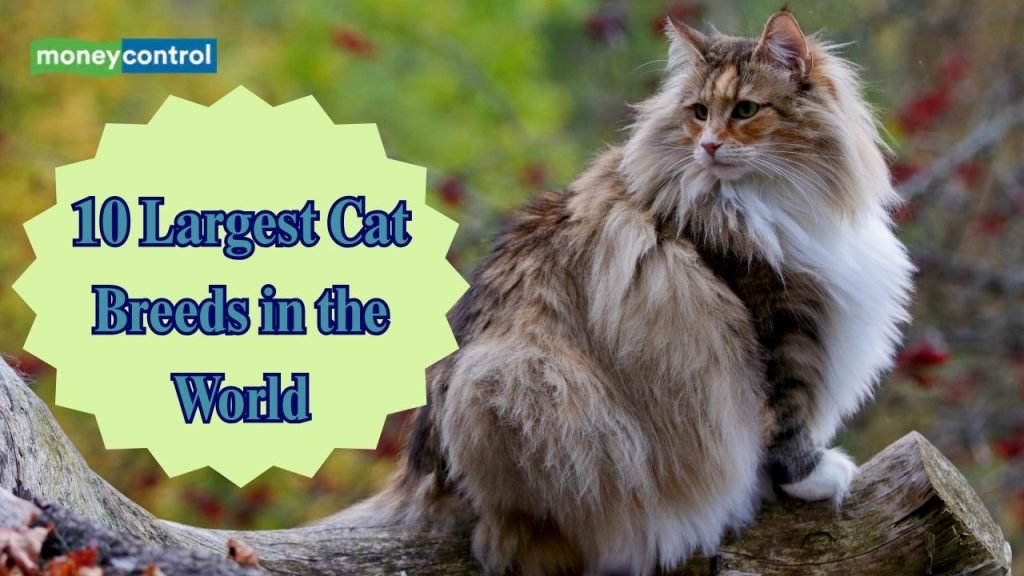
Are you curious about which cats grow bigger than your average feline friend? Imagine having a cat so large it turns heads wherever you go.
If you think all domestic cats are small and delicate, think again. Some breeds grow impressively big, combining size with charm and personality. You’ll discover the largest domesticated cat breeds that could easily become the gentle giants of your home.
Keep reading to find out which cats might just surprise you with their size and why they could be the perfect fit for your family.

Credit: www.yahoo.com
Maine Coon
The Maine Coon is one of the largest domesticated cat breeds. Known for its impressive size and friendly nature, this breed stands out in any home. Originating from the northeastern United States, the Maine Coon adapts well to different climates. It is a great choice for families and cat lovers alike. These cats have a distinct look and a warm personality. Understanding their traits and care needs helps owners provide the best environment.
Physical Traits
- Large, muscular body with broad chest
- Length can reach up to 40 inches including tail
- Thick, water-resistant coat with a ruff around neck
- Tufted ears and bushy tail like a raccoon
- Wide, expressive eyes in green, gold, or copper
- Weight ranges from 10 to 25 pounds
Personality And Temperament
Maine Coons are gentle giants with a calm demeanor. They enjoy being near their humans but are not overly clingy. These cats are playful and curious, often showing dog-like behavior. Maine Coons are social and get along well with children and other pets. They communicate with soft chirps and trills rather than loud meows. Their intelligence makes them easy to train and engage.
Care And Grooming
- Brush coat 2-3 times per week to prevent mats
- Check ears regularly for dirt or infection
- Trim nails every couple of weeks
- Provide a balanced diet to support large size
- Regular vet visits to monitor health
- Offer toys and climbing spaces to keep active

Credit: www.hindustantimes.com
Savannah Cat
The Savannah Cat stands out as one of the largest domesticated cat breeds, captivating many with its striking wild appearance and impressive size. If you’re considering a pet that combines exotic looks with a playful personality, this breed deserves your attention. But what makes the Savannah Cat truly unique goes beyond its size—it’s a blend of history, appearance, and behavior that shapes the experience of living with one.
Origin And Background
The Savannah Cat is a hybrid, born from crossing a domestic cat with the wild African Serval. This mix gives it a distinctive spotted coat and long legs, traits inherited from its wild ancestor. Breeders began developing this breed in the late 1980s to create a domestic cat with a wild look but a friendly nature.
This breed is still relatively rare, and each generation can vary in how much wild blood it carries. Have you ever wondered how a wild cat’s traits might influence a pet’s personality?
Size And Appearance
Savannah Cats are notably tall and lean, often standing as tall as a medium-sized dog. Adult males can weigh between 15 to 25 pounds, with some reaching up to 30 pounds. Their long legs, large ears, and spotted fur make them instantly recognizable and exotic-looking.
Unlike other domestic cats, Savannahs have a unique coat pattern that looks like a wildcat’s, but their fur is soft and short. Their eyes are large and almond-shaped, giving them an alert, curious expression. If you value a pet that turns heads wherever you go, this cat’s size and looks deliver that impact.
Behavior And Activity Level
Savannah Cats are highly energetic and intelligent. They enjoy climbing, running, and interactive play, so they need plenty of stimulation to stay happy. Without enough activity, they can become bored and may develop unwanted behaviors.
Unlike many cats that prefer lounging, Savannahs often act more like dogs—they may follow you around, play fetch, and even learn simple commands. This breed challenges the usual cat stereotype and rewards you with loyal companionship if you invest time in bonding.
Would you be ready to meet the energy of a cat that demands both your attention and engagement daily?
Norwegian Forest Cat
The Norwegian Forest Cat is one of the largest domesticated cat breeds. It has a strong, muscular body and a thick, water-resistant coat. This breed has a history that dates back to Norway’s forests, where it lived in harsh weather conditions. Its impressive size and rugged appearance make it stand out among other cats.
Distinctive Features
- Large, sturdy frame with broad chest
- Long, bushy tail that helps keep warm
- Thick double coat with woolly underlayer
- Triangular head and almond-shaped eyes
- Strong claws for climbing trees
Adaptability To Climate
The Norwegian Forest Cat thrives in cold climates. Its thick fur protects it from snow and wind. The double coat sheds during summer to keep cool. This breed is also agile, able to climb and hunt in rugged terrain. It adapts well to indoor life but enjoys outdoor adventures.
Social Characteristics
This breed is friendly and social but independent. It bonds closely with family members. Norwegian Forest Cats enjoy playing and exploring. They communicate with soft chirps and purrs. They get along well with children and other pets. Their gentle nature makes them great companions.
Ragdoll Cat
The Ragdoll cat stands out as one of the largest domesticated cat breeds, known not just for its impressive size but also for its striking blue eyes and silky coat. These cats often surprise first-time owners with their gentle nature despite their substantial build. If you’re considering a Ragdoll, knowing what makes them unique will help you provide the best care and enjoy their company fully.
Notable Size And Build
Ragdolls are truly giants in the feline world. Males typically weigh between 15 to 20 pounds, while females range from 10 to 15 pounds. Their muscular build and broad chest give them a sturdy appearance, yet they move with surprising grace.
Their large size doesn’t mean they lack elegance. In fact, their semi-long fur and plush tail add to their majestic look. Have you ever held a Ragdoll and felt how solid yet soft they are? That’s a unique combination you won’t forget easily.
Temperament And Interaction
Ragdolls are famously laid-back and affectionate. They often go limp when you pick them up—hence the name “Ragdoll.” This trait makes them perfect companions if you want a cat that loves cuddles and calm interaction.
These cats enjoy being around people and adapt well to families with children or other pets. They’re not the type to hide away; instead, they follow you from room to room, curious and friendly. Have you noticed how some cats choose their humans? Ragdolls seem to pick you and decide to be your loyal friend.
Maintenance Needs
Despite their long fur, Ragdolls require moderate grooming. Brushing them two to three times a week prevents mats and keeps their coat shiny. You’ll find this routine relaxing and a great way to bond.
Regular nail trims and dental care are essential, just like with any cat. Keep an eye on their diet, too, since their size can sometimes lead to weight issues. Have you planned how you’ll make grooming a part of your daily life? It’s easier than you think and pays off with a healthier, happier cat.
Chausie Cat
The Chausie cat stands out as one of the largest domesticated breeds, boasting a striking blend of wild and domestic traits. This breed captures attention not only for its size but also for its unique personality and appearance. If you’re curious about a cat that combines exotic looks with a loyal companion, the Chausie might just catch your eye.
Hybrid Heritage
The Chausie is a hybrid cat, born from crossing a domestic cat with the wild jungle cat, Felis chaus. This gives it a fascinating mix of traits from both worlds—wild instincts paired with domestic affection.
This hybrid origin means Chausies carry a strong, adventurous spirit. They are naturally curious, often testing boundaries in their environment. You might find your Chausie exploring places other cats wouldn’t dare.
Physical Description
Chausies are tall and lean, with long legs and a muscular body that highlights their wild ancestry. Their coat is short and dense, usually featuring spotted or ticked patterns that resemble their jungle cat relatives.
One of the most striking features is their expressive eyes, often almond-shaped and vibrant in color. Their ears are large and pointed, enhancing their alert and attentive look.
Energy And Exercise
Expect a high-energy cat that thrives on play and mental stimulation. Chausies need plenty of physical activity to stay happy and healthy, so interactive toys and climbing spaces are must-haves.
If you don’t provide enough exercise, their natural curiosity can turn into mischievous behavior. Are you ready to keep up with a cat that might just outpace you in agility?

Credit: www.aol.com
Bengal Cat
The Bengal cat stands out as one of the most striking and largest domesticated cat breeds. Known for its exotic look, it combines the wild allure of its leopard ancestors with a friendly, playful nature. If you want a pet that grabs attention and brings energy into your home, the Bengal might be the perfect match.
Wild Appearance
Bengals have a coat that looks almost like it belongs to a wild jungle cat. Their fur is covered in large spots or marbled patterns, which can be golden, brown, or silver. This wild look is not just for show—it comes from their heritage as a cross between domestic cats and the Asian leopard cat.
Many owners find themselves amazed when strangers ask if their Bengal is a real wild cat. This appearance can make your Bengal stand out in any room, but also means their grooming needs are simple since their short coat doesn’t mat easily.
Size Comparison
Bengal cats are larger than many traditional domestic cats, weighing between 10 to 15 pounds on average. They have a muscular build and a sleek frame that gives them both power and agility.
| Breed | Average Weight | Build |
|---|---|---|
| Bengal | 10-15 lbs | Muscular, athletic |
| Domestic Shorthair | 8-12 lbs | Varied, typically medium |
| Maine Coon | 13-18 lbs | Large, sturdy |
While Bengals are not as heavy as Maine Coons, their lean muscle makes them appear larger than they actually are. Have you noticed how their athleticism shows in their play? It’s part of what makes living with one so entertaining.
Personality Traits
Bengals are known for being highly active and intelligent. They love interactive play and can learn tricks quickly, which means they need plenty of mental and physical stimulation.
- Curious and adventurous — they explore every corner of your home.
- Social and affectionate — they form strong bonds with their owners.
- Vocal — they communicate with a variety of sounds, from chirps to meows.
Have you ever wondered if a cat could keep up with your energy level? Bengals can surprise you with their enthusiasm and loyalty. If you enjoy an engaging, playful companion, this breed will keep you on your toes and your heart full.
Factors Influencing Size
The size of domesticated cats varies widely due to several key factors. These factors shape their growth from birth through adulthood. Understanding these influences helps explain why some breeds grow larger than others. Size is not random; it reflects genetics, diet, and environment.
Genetics And Breeding
Genetics play a major role in a cat’s final size. Different breeds have unique gene pools that determine their body structure and weight. Selective breeding enhances traits like size and muscle mass. Larger breeds such as the Maine Coon inherit genes that promote bigger frames. Breeders often choose mates to maintain or increase size in offspring.
Nutrition And Health
Proper nutrition supports healthy growth and development. Cats need balanced diets rich in protein, vitamins, and minerals. Malnutrition can stunt growth, while good nutrition helps reach genetic potential. Health conditions may also affect size. Regular veterinary care ensures cats stay healthy and grow well.
Environmental Impact
Environmental factors influence cat size as well. Indoor cats often have different activity levels than outdoor cats. Exercise and space to roam affect muscle development. Stress and living conditions can impact growth too. Clean, safe environments promote better physical health and size.
Choosing A Large Cat Breed
Choosing a large cat breed requires careful thought about your home and daily life. Large cats need space and attention to thrive. Knowing their needs helps you create a happy environment for both you and your pet.
Space And Lifestyle Considerations
Big cats need more room to move and explore. A small apartment might feel cramped for them. A house with open areas or a safe outdoor space suits large breeds better.
Think about your daily routine. Large cats enjoy interaction but also value quiet time. Make sure your lifestyle matches their energy and social needs.
Activity And Play Needs
Large cats tend to be playful and curious. They need toys and activities to stay healthy and happy. Provide climbing trees, scratching posts, and interactive toys.
Regular playtime helps prevent boredom and destructive behavior. It also strengthens your bond with your cat. Remember, large breeds often have bursts of high energy.
Compatibility With Families
Consider who lives in your home. Large cats can be great with kids and other pets if socialized early. They often enjoy gentle handling and attention.
Teach children how to respect a cat’s space. Large cats might need quiet spots to retreat. This balance helps everyone feel safe and happy.
Frequently Asked Questions
What Are The Largest Domesticated Cat Breeds?
The largest domesticated cat breeds include the Maine Coon, Savannah, and Ragdoll. These cats are known for their impressive size and gentle temperament. Maine Coons can weigh up to 18 pounds or more. Savannah cats are tall and lean, often exceeding 20 pounds.
Ragdolls are large, muscular, and affectionate.
How Big Can A Maine Coon Cat Get?
Maine Coon cats can weigh between 13 to 18 pounds, with some males reaching over 20 pounds. They can grow up to 40 inches in length, including the tail. Their large size and thick fur make them one of the biggest domesticated cat breeds worldwide.
Are Savannah Cats Suitable As Pets?
Yes, Savannah cats are excellent pets for active families. They are highly intelligent, energetic, and social. Due to their size and wild ancestry, they need ample space and stimulation. Proper training and early socialization make Savannah cats loving and loyal companions.
What Makes Ragdoll Cats So Large?
Ragdolls are large due to selective breeding for size and muscular build. They can weigh between 12 to 20 pounds. Their relaxed temperament and striking blue eyes add to their appeal. Ragdolls also have a long, silky coat that enhances their majestic look.
Conclusion
Large cat breeds bring charm and size to any home. They often have gentle, friendly personalities. Owning one means extra care and space. These cats enjoy attention and make great companions. Their unique looks attract many cat lovers worldwide. Choosing a large breed means loving both size and heart.
Remember to provide proper food and playtime daily. Big cats show love just like smaller ones. They prove size does not affect their sweet nature. Consider these facts when picking your next pet.
