

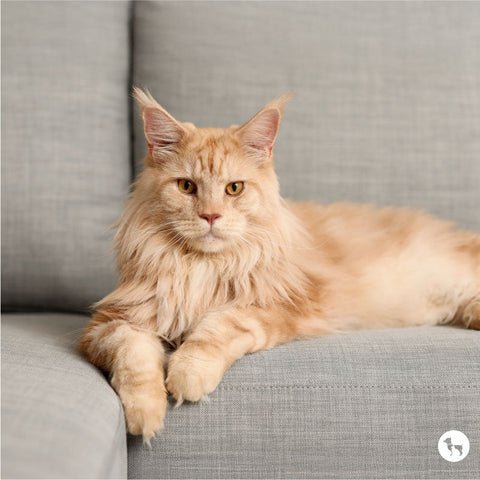
Are you fascinated by cats but find yourself drawn to the ones that stand out because of their size? Large pet cat breeds have a special charm that’s hard to resist.
They’re not just bigger; they often have unique personalities and striking looks that make them truly unforgettable. If you’re thinking about welcoming a big feline friend into your home, knowing which breeds grow large and what makes them special can help you make the right choice.
Keep reading to discover the top large cat breeds and how they can fit perfectly into your life.
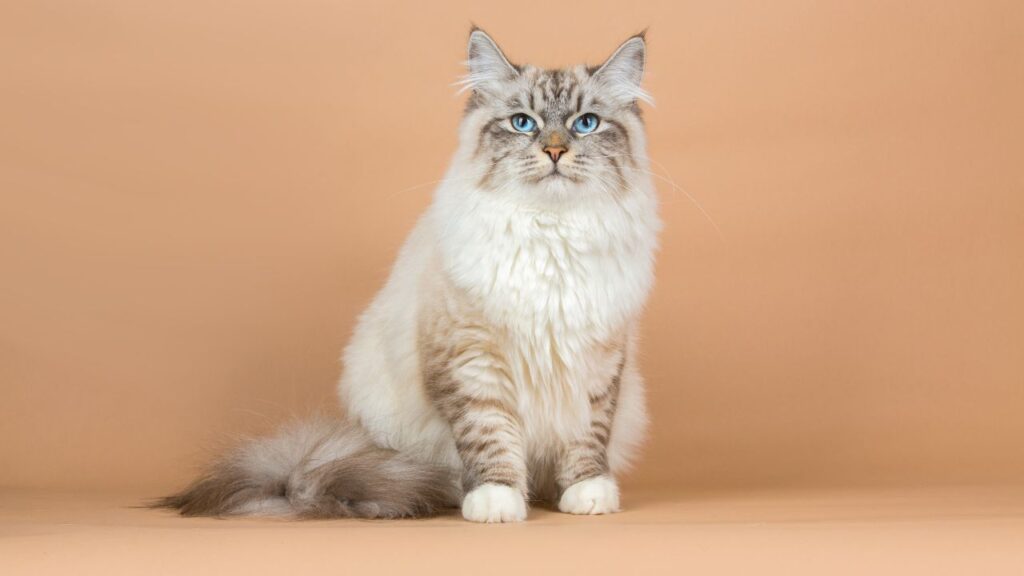
Credit: worldanimalfoundation.org
Top Large Cat Breeds
Large cat breeds stand out not just because of their size but also due to their unique personalities and striking appearances. These cats often become the center of attention in any home, combining impressive physical presence with affectionate and playful behavior. If you’re considering a big feline companion, knowing the best large cat breeds can help you find the perfect match for your lifestyle.
Maine Coon
The Maine Coon is one of the largest domesticated cat breeds. Known for its tufted ears and bushy tail, this breed is both rugged and gentle. Maine Coons are incredibly social, often acting more like dogs in their loyalty and playfulness.
You’ll find they love interactive toys and enjoy being involved in family activities. Their thick fur requires regular grooming, but their friendly nature makes it worth the effort.
Ragdoll
Ragdolls get their name from their tendency to go limp when you pick them up. These cats are large, with striking blue eyes and soft, silky coats. They are famously calm and affectionate, often following you from room to room.
If you want a cat that feels like a gentle giant, the Ragdoll might be your best choice. They thrive on human companionship and rarely show aggression.
Norwegian Forest Cat
With a history rooted in Scandinavian forests, the Norwegian Forest Cat boasts a thick double coat perfect for colder climates. They are muscular and sturdy, making them excellent climbers and hunters.
This breed loves exploring vertical spaces in your home, so consider adding cat trees or shelves. Their independent streak balances well with their affectionate side.
Siberian Cat
The Siberian Cat is known for its dense, water-resistant fur and impressive size. They are agile and strong, yet surprisingly gentle with children and other pets.
You might notice their playful antics and love for water, which is unusual for cats. Their low allergy potential is an added bonus if you’re sensitive to pet dander.
Savannah Cat
Savannah Cats are a mix between domestic cats and the wild African serval. This breed’s tall, lean frame and spotted coat give it a wild, exotic look. They are incredibly intelligent and energetic, requiring plenty of mental and physical stimulation.
Are you ready to commit to a high-energy pet that needs lots of interaction? If so, the Savannah might be the exciting companion you’ve been looking for.
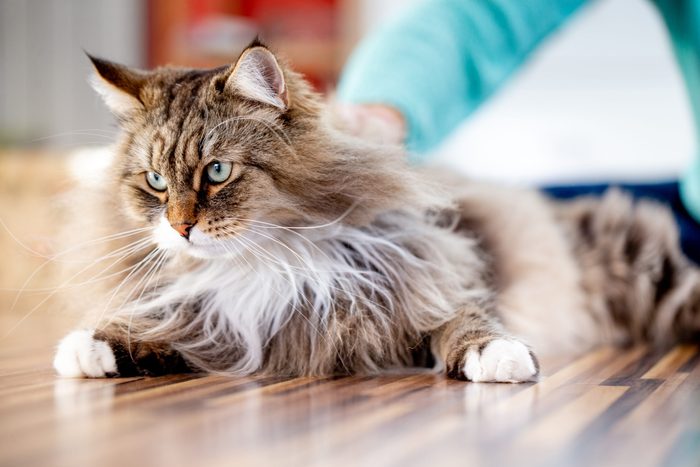
Credit: www.rd.com
Traits Of Giant Cats
Giant cats are not just about impressive size; their traits make them truly unique companions. Understanding these traits helps you decide if a large cat breed fits your lifestyle and home. Let’s dive into what makes these cats stand out in size, personality, and energy.
Size And Weight
Giant cat breeds can weigh anywhere from 15 to over 20 pounds, with some males exceeding 25 pounds. Their large frame isn’t just about bulk; it’s a blend of muscle, bone structure, and sometimes a thick coat. You might notice their paws and tails seem bigger too, giving them a majestic look.
Have you considered how much space a giant cat needs to roam and rest comfortably? Their size means they need bigger beds and sturdier furniture to climb and lounge on without damage.
Personality And Temperament
Despite their size, many giant cats have gentle and affectionate personalities. They often enjoy being close to their humans, seeking attention but rarely demanding it aggressively. Some breeds show dog-like loyalty and will follow you around the house.
Think about how their calm nature fits with your daily routine. Do you want a cat that’s a quiet companion or one that actively engages with everyone in your home? Your giant cat’s temperament will shape your relationship.
Activity Levels
Giant cats are not necessarily lazy; many have moderate energy levels that require daily play to stay healthy. However, they often prefer interactive toys and activities that challenge their intelligence rather than constant running. This makes them great for owners who enjoy puzzle toys or training sessions.
Would you enjoy spending time teaching your cat tricks or providing stimulating play? Their activity needs are manageable but important to keep their minds sharp and bodies fit.
Care Tips For Large Cats
Large cat breeds require special attention to thrive. Their size brings unique challenges, but with the right care, you can keep your big feline friend healthy and happy. Let’s look at key tips that address their specific needs.
Nutrition Needs
Big cats need a diet that supports their larger body and energy levels. Choose high-protein foods with balanced fats to maintain muscle mass and overall health.
Consider feeding them meals rich in taurine, an essential amino acid for heart and eye health. Avoid overfeeding to prevent obesity, which large cats are prone to.
Have you checked if your cat’s food matches its growth stage and activity level? Adjust portions based on weight and vet advice to keep your cat in optimal shape.
Exercise And Play
Large cats are often less agile but still need regular exercise to stay fit. Set up interactive play sessions with toys like feather wands or laser pointers to encourage movement.
Try creating vertical spaces, such as cat trees or shelves, for climbing. This stimulates their muscles and satisfies their natural curiosity.
Ever noticed how your big cat prefers certain games? Tailor playtime to their preferences to keep them engaged and prevent boredom.
Grooming Requirements
Thicker fur and bigger bodies mean grooming is crucial for large cats. Brush them frequently to reduce shedding and avoid mats, especially for long-haired breeds.
Check for skin issues or parasites during grooming sessions—early detection can save you a lot of trouble. Bathing isn’t usually needed often but can help if your cat gets unusually dirty.
Do you set a regular grooming schedule? Consistency helps your cat get used to the process and strengthens your bond.

Credit: www.aol.com
Living With Giant Cats
Living with giant cats is a unique experience. These large pets need special care and attention. Their size affects your home and daily life. Understanding their needs helps keep both you and your cat happy.
Space Considerations
Large cats need more room to move and play. They enjoy climbing and stretching. Provide tall cat trees and wide resting spots. Avoid cramped spaces that restrict their movement. More space reduces stress and keeps them active.
Compatibility With Other Pets
Big cats can get along with other animals. Introduce them slowly and carefully. Watch their behavior to avoid fights. Some giant cats are gentle and calm. Others may be more dominant or territorial. Respect each pet’s personality and needs.
Health Concerns
Large cats face specific health issues. Joint problems and arthritis are common. Feeding a balanced diet supports their weight and bones. Regular vet check-ups catch problems early. Exercise helps keep them fit and healthy.
Choosing Your Giant Cat
Choosing a giant cat means more than picking a pet. These large breeds need special care and space. Their size affects daily life, costs, and home setup. Prepare well to welcome a big feline friend.
Adoption Vs Breeder
Adopting a large cat can save a life. Shelters sometimes have big cats needing homes. Adoption fees usually cost less than buying from breeders.
Breeders offer specific giant cat breeds with known traits. They provide health guarantees and pedigree papers. Choose a reputable breeder to avoid health problems.
- Adoption: Save a cat, lower cost, uncertain breed
- Breeder: Known breed, health checks, higher cost
Budgeting For A Large Cat
Large cats eat more food. Expect higher monthly expenses for quality food. Bigger cats need bigger litter boxes and beds, increasing costs.
Veterinary care costs can be higher. Large cats may need special health checks. Budget for toys and scratching posts suited to their size.
| Expense | Details |
|---|---|
| Food | More quantity and quality needed |
| Litter | Bigger litter box, more litter |
| Vet Care | Regular check-ups, possible special care |
| Accessories | Bigger beds, toys, scratching posts |
Preparing Your Home
Clear enough space for a large cat to move freely. Remove fragile items that a big cat could knock over. Provide sturdy furniture and climbing spots.
Set up a quiet, comfortable sleeping area. Make sure litter boxes are easy to access and large enough. Keep food and water bowls at a comfortable height.
- Spacious play and rest areas
- Safe, stable furniture
- Large litter box in a quiet spot
- Accessible food and water stations
Frequently Asked Questions
What Are The Biggest Cat Breeds For Large Pets?
Maine Coons, Ragdolls, and Savannahs are among the largest cat breeds. They can weigh between 15 to 25 pounds or more. These breeds are known for their friendly nature and impressive size, making them ideal for owners who want a large, affectionate pet cat.
How Long Do Large Pet Cat Breeds Typically Live?
Large cat breeds generally live between 12 and 15 years. Proper diet, regular vet visits, and exercise can extend their lifespan. Each breed may have slight variations in longevity, but good care is crucial for a healthy, long life.
Are Large Cat Breeds Good For Families With Children?
Yes, many large cat breeds like Ragdolls and Maine Coons are gentle and social. They usually enjoy interaction with kids and adapt well to family life. Their calm and friendly nature makes them great companions for households with children.
Do Large Cat Breeds Require Special Care Or Diet?
Large cats need a balanced diet rich in protein to maintain muscle mass. Portion control is important to prevent obesity. Regular grooming is also essential for breeds with long fur like Maine Coons. Always consult a vet for breed-specific care advice.
Conclusion
Large pet cat breeds bring charm and size together. They offer unique looks and gentle personalities. These cats need space and love, just like any pet. Choosing the right breed means knowing their needs well. Enjoy the company of a large cat that fits your home.
They make great friends and loyal companions. Think about their care and playtime before deciding. A big cat can bring big joy to your life.
