

Imagine coming home to a feline companion that turns heads and sparks conversations. Large exotic house cat breeds can do just that.
These stunning cats offer a unique blend of beauty, size, and personality that you won’t find in your average tabby. Whether you’re drawn to their wild appearance or intrigued by their distinct behaviors, these cats are sure to capture your heart and elevate your home life.
Are you ready to discover which of these majestic breeds could be the perfect fit for you? Dive into this article to explore the captivating world of large exotic house cats, and see how they can transform your living space into a haven of elegance and charm.
Top Large Exotic Cat Breeds
Large exotic house cat breeds combine impressive size with unique looks. These cats attract attention with their wild appearances and gentle nature. They offer a perfect mix of beauty and personality for cat lovers.
Each breed has its own special traits. Some have thick fur for cold climates, while others resemble wild cats from distant lands. They often enjoy being active and social, making them great pets for families.
Maine Coon
The Maine Coon is one of the largest domestic cats. It has a thick, water-resistant coat and bushy tail. Known for friendly and playful behavior, it adapts well to families. These cats have tufted ears and large paws, perfect for snowy weather.
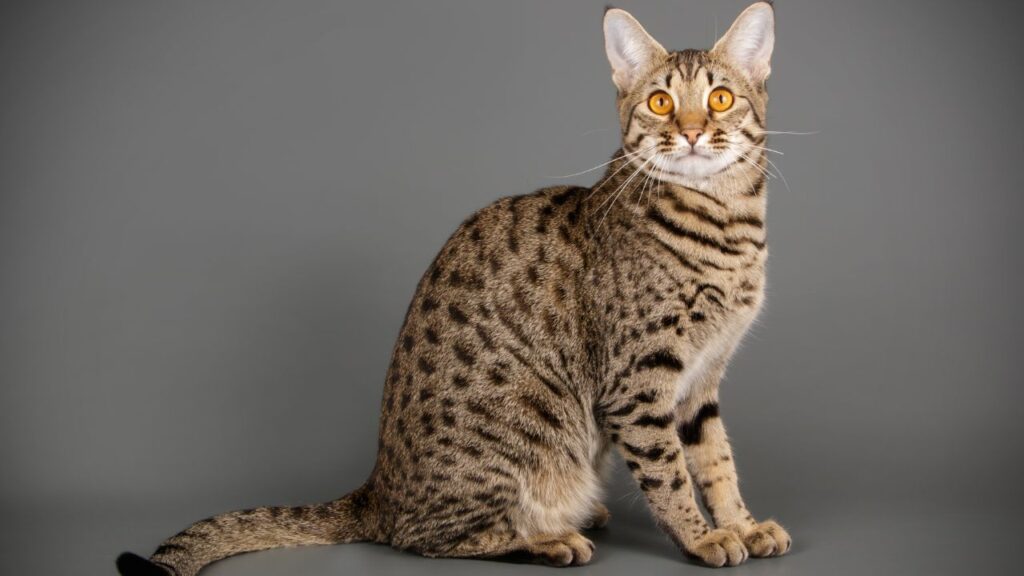
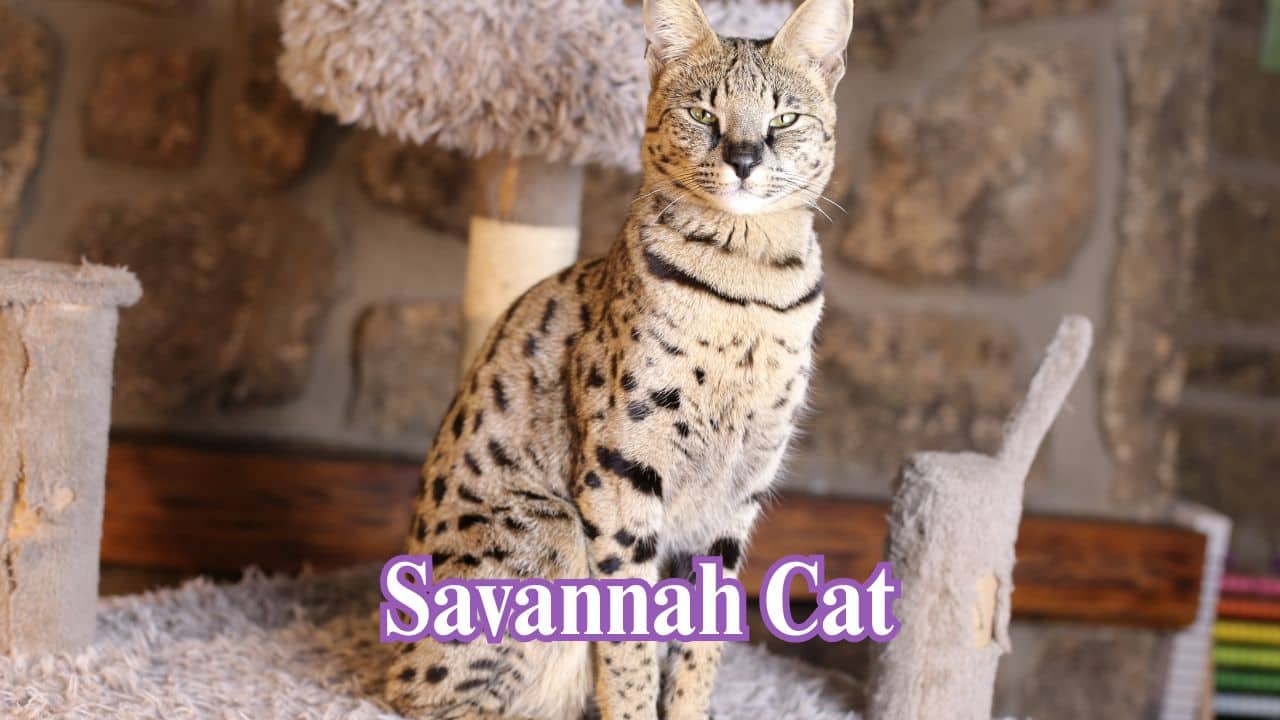
Savannah Cat
Savannah cats look like small leopards. They are a hybrid between domestic cats and wild African servals. Their tall, slim bodies and spotted coats make them stand out. Savannahs are active and intelligent, needing plenty of playtime.
Norwegian Forest Cat
This breed has a dense double coat to survive cold climates. Norwegian Forest Cats have strong bodies and long legs. They enjoy climbing and exploring high places indoors. Their friendly and calm nature suits many homes.
Ragdoll
Ragdolls are large, soft, and gentle cats. They get their name because they go limp when held. These cats have striking blue eyes and silky fur. They love to cuddle and follow their owners around the house.
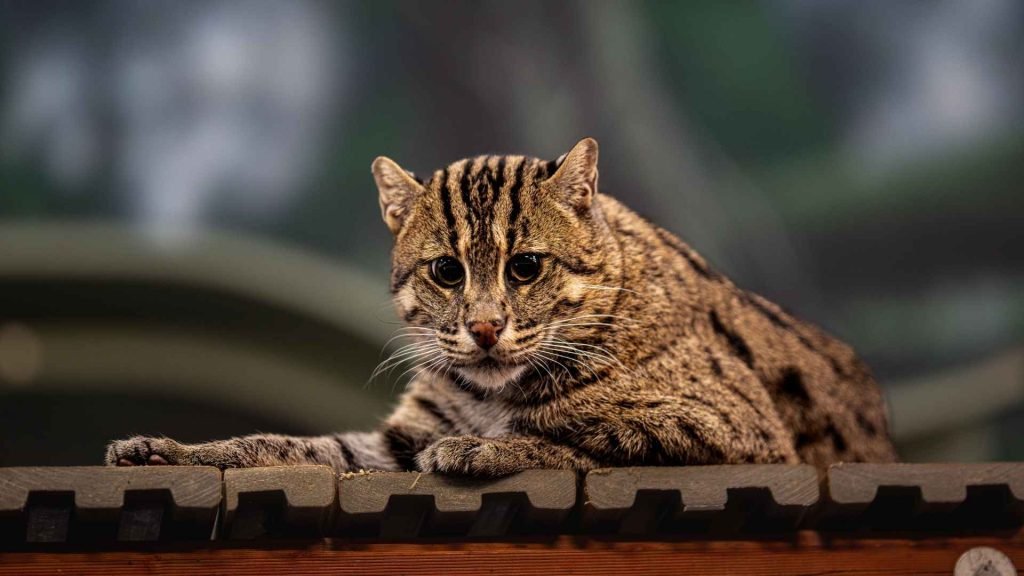
Chausie
Chausies are a wild-looking breed from crossing domestic cats with jungle cats. They have long legs and muscular bodies. These cats enjoy activity and mental challenges. Chausies are loyal and form strong bonds with their people.
Credit: worldanimalfoundation.org
Physical Features Of Majestic Giants
Large exotic house cat breeds impress with their grand physical features. These majestic giants stand out due to their size and unique looks. Their appearance combines strength with elegance. Each breed shows a special mix of traits that attract cat lovers worldwide.
Size And Weight
These cats are larger than typical house cats. They can weigh between 15 to 30 pounds or more. Their height often reaches up to 16 inches at the shoulder. Their muscular bodies give them a powerful presence. Despite their size, they move with surprising grace.
Coat Patterns And Colors
Their coats display a wide range of patterns and colors. Common patterns include spots, stripes, and marbled swirls. Colors vary from golden browns to silvery grays and deep blacks. Some breeds have short, dense fur while others have longer, softer hair. Their coats often shine with a healthy gloss.
Distinctive Facial Traits
Facial features of these cats are striking and unique. Many have large, almond-shaped eyes that glow in vibrant colors. Their ears can be wide at the base, often with rounded or slightly pointed tips. Strong jawlines and broad noses add to their majestic look. Whiskers are long and prominent, enhancing their expressive faces.
Temperament And Personality Traits
Large exotic house cat breeds often have unique temperament and personality traits. These traits make them stand out from other cats. Understanding their nature helps owners build a strong bond. Each breed has its own way of showing love, energy, and social habits. Let’s explore these key aspects in detail.
Affection Levels
Many large exotic cats are deeply affectionate. They enjoy being near their humans and often seek attention. Some breeds like the Maine Coon are known for gentle, loving behavior. They often follow owners around and enjoy petting. These cats may also show loyalty similar to dogs. Their affection feels warm without being overwhelming.
Playfulness And Energy
Large exotic cats usually have high energy. They love to play and explore their environment. Toys, climbing trees, and interactive games keep them happy. Their playful nature lasts well into adulthood. Some breeds are natural hunters and enjoy chasing objects. Playtime is important for their health and happiness. It helps prevent boredom and unwanted behavior.
Social Behavior
Most large exotic cats are social animals. They often enjoy company, both human and animal. These cats can adapt well to families and other pets. They may greet visitors with curiosity rather than fear. Socializing them early helps develop friendly behavior. Some breeds prefer a calm, quiet home, while others thrive in lively settings.
Credit: www.moneycontrol.com
Care Tips For Large Exotic Cats
Large exotic house cats need special care to stay healthy and happy. Their size and unique traits mean their needs differ from small cats. Providing the right care supports their well-being and enhances their life.
Diet And Nutrition
Large exotic cats require a balanced diet with high protein. Choose quality cat food made for big breeds. Include wet and dry food for variety. Avoid overfeeding to prevent obesity. Fresh water should always be available. Treats should be given sparingly and be healthy.
Exercise Needs
These cats need daily exercise to stay fit. Provide toys that encourage hunting and chasing. Create climbing spaces like cat trees or shelves. Play sessions help reduce boredom and stress. Outdoor access can be safe if supervised or in an enclosure.
Grooming Requirements
Regular grooming keeps their coat clean and reduces hairballs. Brush long-haired breeds daily to avoid tangles. Short-haired cats benefit from weekly brushing. Check ears and eyes for dirt or infection. Nail trimming is important to prevent damage. Bathing is rarely needed but can be done carefully.
Health Concerns To Watch For
Large exotic house cat breeds are captivating with their unique looks and personalities. However, their impressive size and distinctive genetics can come with specific health concerns you need to be aware of. Watching for these issues early can make a big difference in your cat’s quality of life.
Common Genetic Issues
Many large exotic breeds carry genetic traits that can affect their health. For example, Maine Coons are prone to hypertrophic cardiomyopathy (HCM), a heart condition that can be fatal if untreated.
Similarly, Savannah cats may face kidney problems due to their wild ancestry. Knowing the risks tied to your cat’s breed helps you prepare and act fast.
Preventive Care
Regular vet check-ups are crucial for catching problems before they escalate. Vaccinations, dental care, and parasite control are basics you should never skip.
Nutrition plays a big role too. Feeding a balanced diet designed for large breeds helps maintain healthy joints and weight. Have you considered supplements like omega-3s for joint support?
Signs Of Illness
Watch for changes in appetite, energy, or litter box habits. Sudden weight loss or difficulty moving can signal serious problems.
Behavioral changes, like increased hiding or aggression, often indicate pain or discomfort. If you notice anything unusual, don’t wait—contact your vet immediately.
Choosing The Right Large Exotic Cat
Choosing the right large exotic cat is important for a happy pet and owner. These cats have unique needs and personalities that differ from regular cats. Finding the perfect match means considering your daily life, living space, and willingness to care for them long-term.
Lifestyle Compatibility
Large exotic cats often need more attention and interaction. Some breeds are active and playful, while others prefer calm environments. Think about your daily routine and energy levels. Choose a cat that fits your activity and social habits. This ensures both of you enjoy your time together.
Space Considerations
Big cats need plenty of room to move and explore. Small apartments can feel cramped for these pets. Look for homes with space for climbing, running, and resting. Outdoor access or safe play areas add great value. Enough space helps keep your cat healthy and happy.
Budget And Commitment
Large exotic cats often have higher costs. Food, grooming, and health care can be expensive. Some breeds require special diets or regular vet visits. Plan your budget carefully before bringing one home. Owning a large cat is a long-term commitment that needs time and money.

Credit: www.moneycontrol.com
Frequently Asked Questions
What Are The Largest Exotic House Cat Breeds?
The largest exotic house cat breeds include the Maine Coon, Savannah, Norwegian Forest Cat, and Siberian. These breeds are known for their impressive size, muscular build, and unique coat patterns, making them stand out as gentle giants among domestic cats.
How Do Large Exotic Cats Differ From Regular Cats?
Large exotic cats have bigger bodies, thicker fur, and distinct markings. They often have playful, social personalities and require more space and attention compared to regular-sized cats. Their exotic appearance and size make them popular among cat enthusiasts seeking unique pets.
Are Large Exotic Cat Breeds Good Family Pets?
Yes, many large exotic cat breeds are friendly, affectionate, and good with children. They adapt well to family life but need regular social interaction and mental stimulation. Proper care and attention ensure they remain happy and healthy companions.
What Special Care Do Large Exotic Cats Need?
Large exotic cats need a balanced diet to support their size and energy levels. They require regular grooming due to their thick coats. Adequate space for exercise and mental enrichment is essential to keep them healthy and content.
Conclusion
Large exotic house cats bring beauty and charm to any home. These breeds often have unique looks and friendly personalities. They enjoy attention and can be great companions. Owning one means caring for their special needs. Each breed has its own traits and care tips.
Choose a cat that fits your lifestyle and space. Enjoy the joy and comfort these cats offer daily. They make homes lively and full of love. Consider adopting from shelters or reputable breeders. A large exotic cat can be a wonderful friend.
