

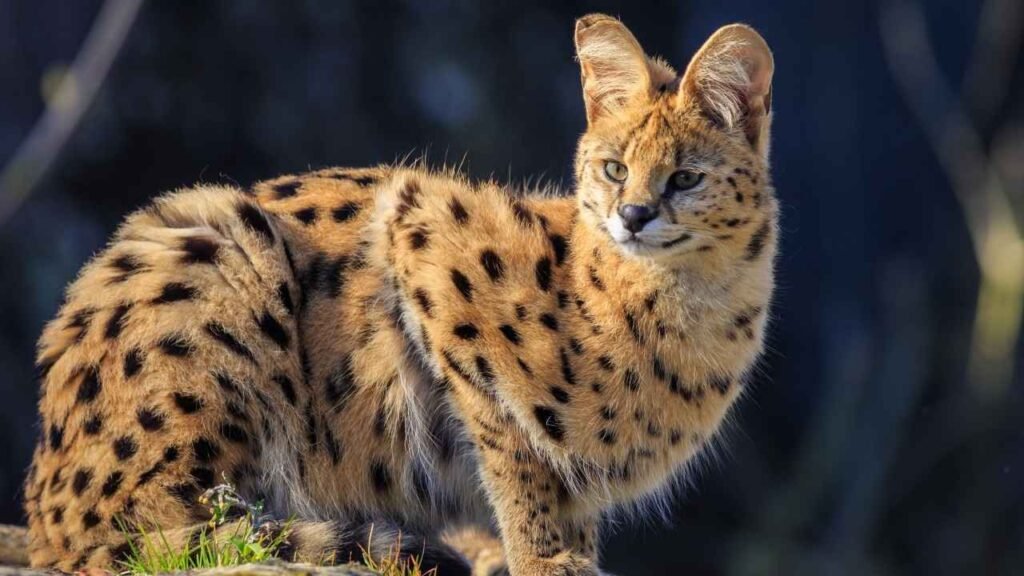
Are you fascinated by the wild beauty of large exotic cats? Imagine having a majestic creature with striking patterns and powerful presence right in your home.
Large exotic cat breeds are not just pets—they are living works of art that can bring excitement and elegance to your life. But before you dive in, you need to know what makes these cats unique and how to care for them properly.
Keep reading to discover everything you need to understand about these incredible animals and find out if one of these magnificent breeds could be the perfect addition to your family.
Majestic Large Exotic Cats
Large exotic cats capture attention with their size and beauty. These majestic creatures blend wild charm with a touch of elegance. Their unique looks and powerful presence fascinate many animal lovers. Understanding these cats helps appreciate their special place in the animal kingdom.
Characteristics Of Majestic Large Exotic Cats
Large exotic cats often have striking fur patterns and colors. Their size ranges from medium to very large compared to domestic cats. They show a mix of wild instincts and gentle behavior. These cats usually have strong muscles and sharp eyes. Their personalities vary, but many are playful and curious.
Popular Large Exotic Cat Breeds
- Bengal – Known for its leopard-like spots and energetic nature.
- Savannah – A tall, slender cat with a wild appearance.
- Chausie – Resembles a wild cat with a friendly temperament.
- Caracal – Recognizable by its tufted ears and agile body.
- Ocicat – Looks wild but is very social and loving.
Care Tips For Large Exotic Cats
These cats need plenty of space to roam and play. A balanced diet supports their energy and muscle strength. Regular vet visits keep them healthy and happy. Mental stimulation through toys and interaction is important. Grooming helps maintain their beautiful coats and skin.
Credit: www.petsradar.com
Popular Large Exotic Breeds
Large exotic cat breeds attract many pet lovers. They combine wild looks with gentle personalities. These cats often have striking patterns and muscular builds. They make wonderful companions for those who enjoy unique pets. Here are some popular large exotic cat breeds that stand out.
Maine Coon
The Maine Coon is one of the largest domestic cat breeds. It has a long, thick coat and tufted ears. Known for its friendly and playful nature, the Maine Coon adapts well to families. Its bushy tail and sturdy body give it a wild appearance.
Savannah Cat
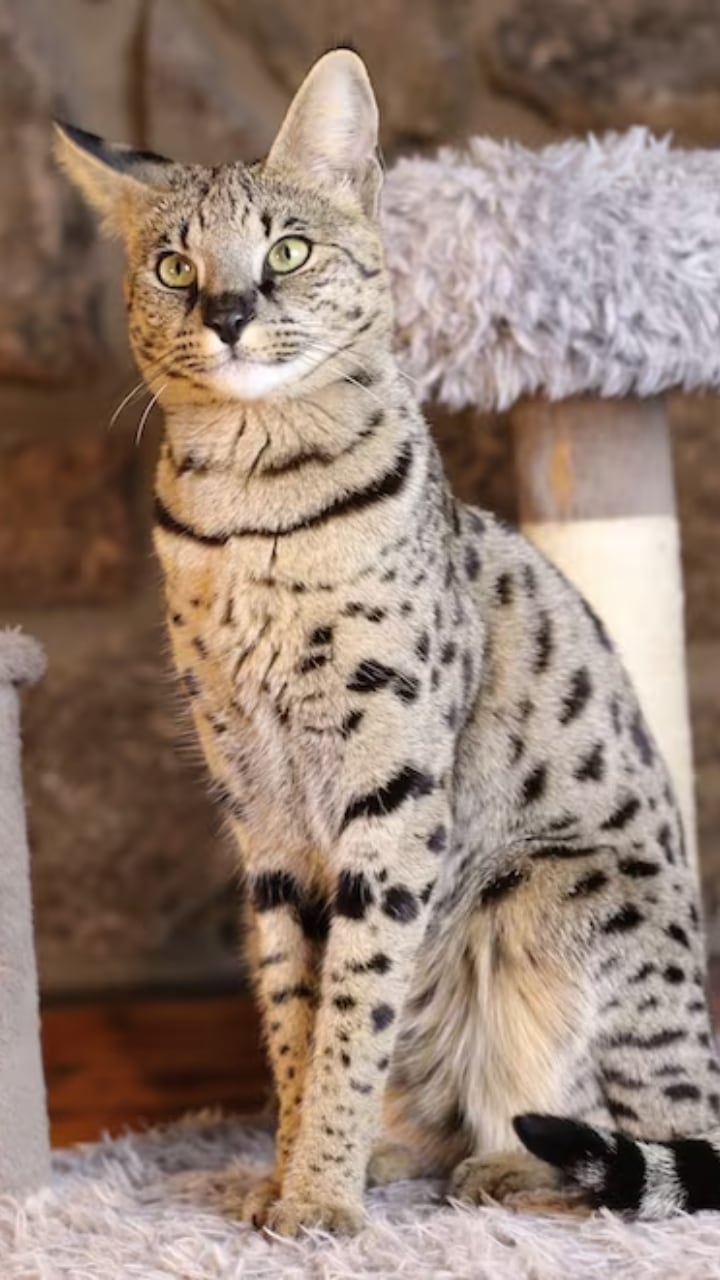
The Savannah Cat is a cross between a domestic cat and a serval. It has tall ears and spotted fur like a wildcat. These cats are very active and love to explore. Their intelligence and loyalty make them a unique pet choice.
Bengal Cat
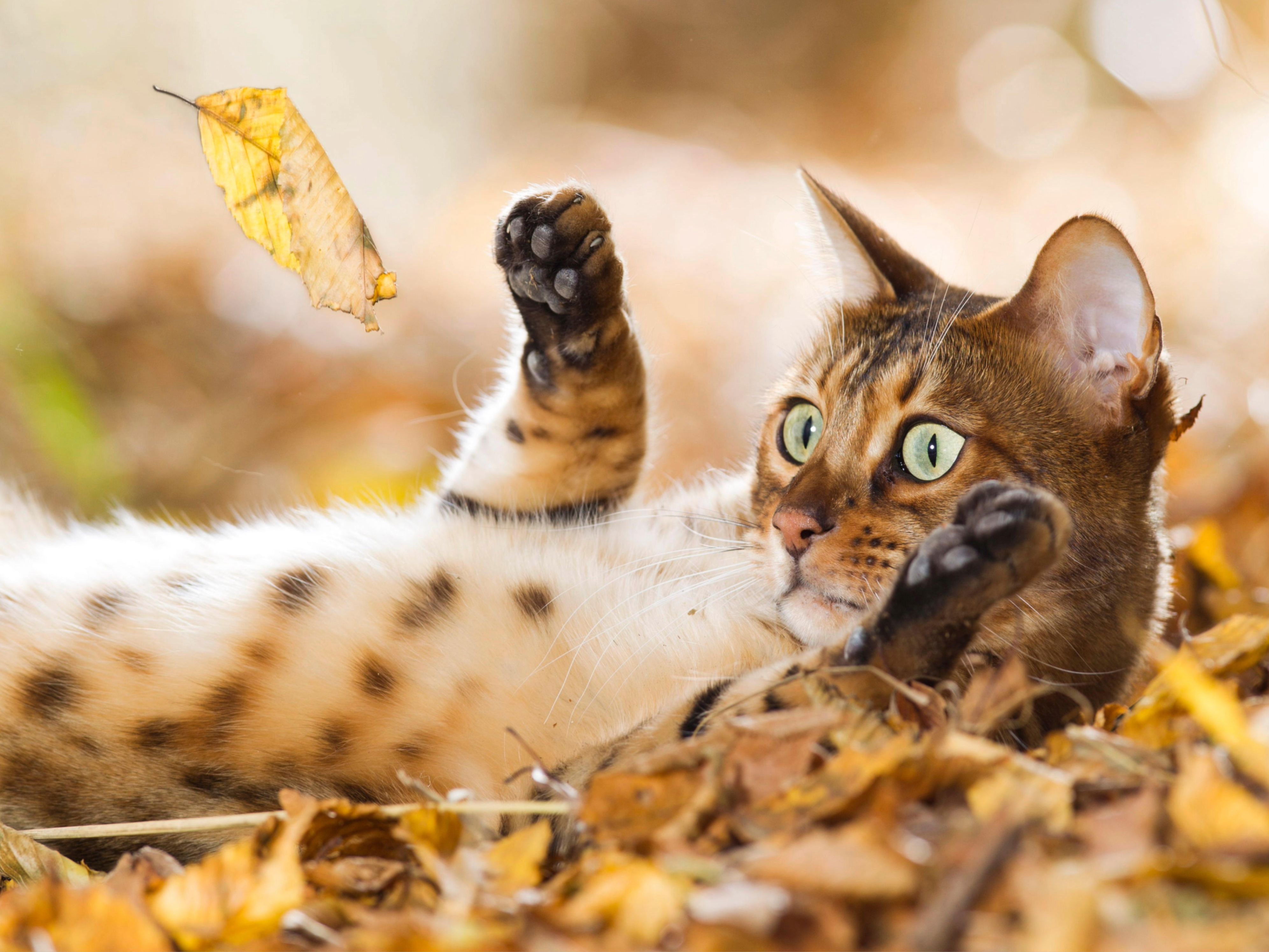
Bengal Cats have a beautiful coat that looks like a leopard’s. Their muscular bodies and energetic behavior attract many cat enthusiasts. Bengals enjoy playing and need lots of attention. Their exotic look matches a lively personality.
Chausie
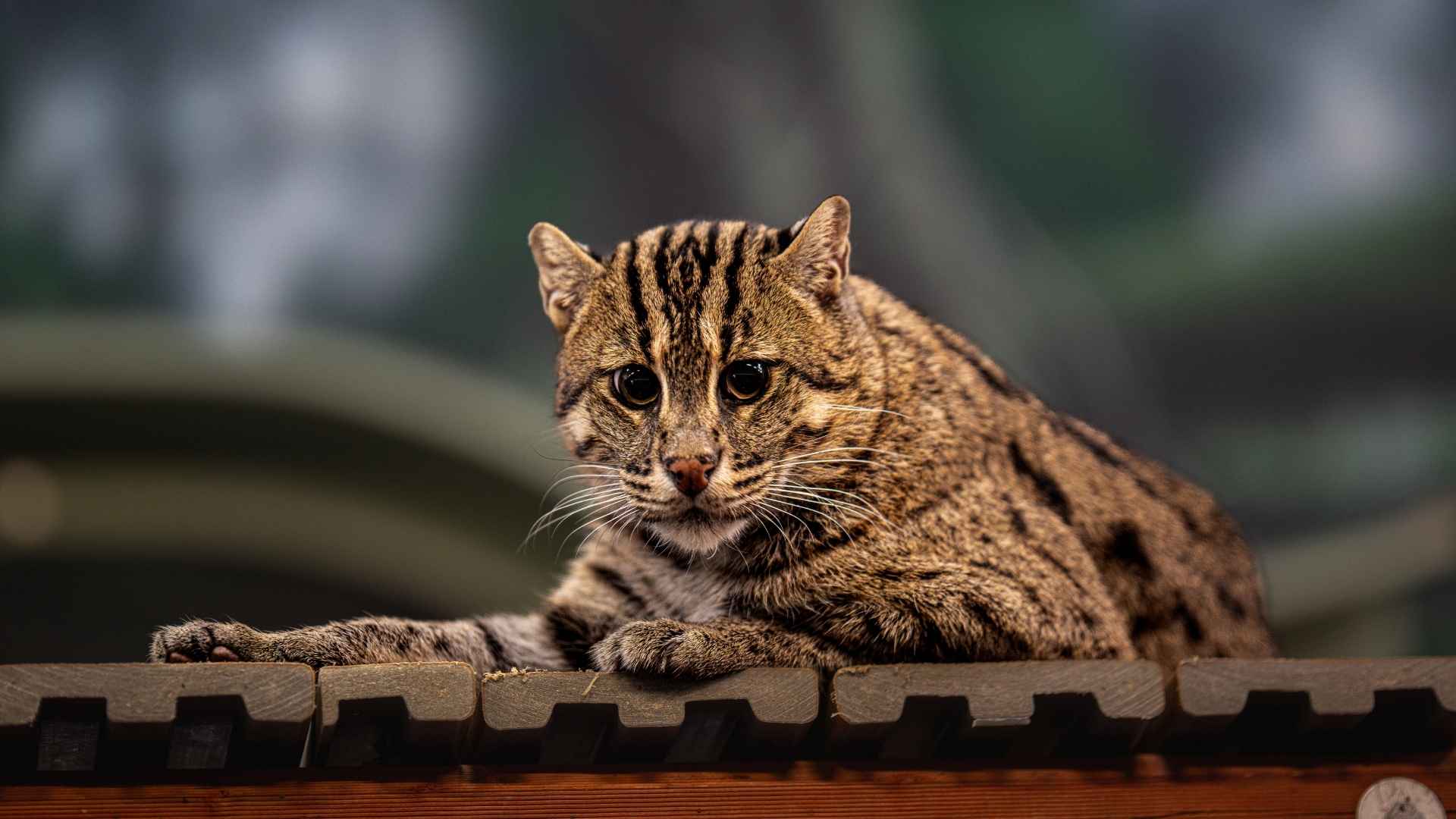
Chausies are a mix of domestic cats and jungle cats. They have long legs and a slim, athletic build. These cats are curious and very social. Their wild heritage gives them a striking, exotic appearance.
Norwegian Forest Cat
The Norwegian Forest Cat has a thick, water-resistant coat. It is built for cold climates with a strong, muscular frame. These cats are gentle but independent. Their large size and fluffy fur make them very charming.
Physical Traits Of Big Exotic Cats
Big exotic cats captivate us with their impressive physical traits that set them apart from common house pets. These majestic animals showcase a variety of sizes, coat patterns, and unique features that reflect their wild heritage. Understanding these traits helps you appreciate their beauty and the adaptations that make them such fascinating creatures.
Size And Weight
Big exotic cats vary widely in size. Some, like the Siberian tiger, can weigh over 600 pounds and stretch more than 10 feet long. Others, such as the caracal, are much smaller but still robust and muscular.
Size affects how these cats move and hunt. Their powerful limbs and large paws give them strength and agility. Have you ever wondered how such massive creatures remain so stealthy in the wild?
Coat Patterns And Colors
Their coats are more than just beautiful; they serve as camouflage. You’ll find stripes on tigers, rosettes on leopards, and spots on cheetahs. Each pattern helps them blend into different environments like forests, grasslands, or deserts.
Colors range from golden yellows to deep oranges, with some cats having white or black variations. Notice how the snow leopard’s pale coat helps it disappear into snowy mountain landscapes.
Distinctive Features
Big exotic cats have features that make them instantly recognizable. The lion’s mane signals maturity and strength, while the jaguar’s stocky build supports powerful jaw muscles. Whiskers, sharp claws, and keen eyes also play crucial roles in their survival.
These features aren’t just for show—they are tools for hunting and communication. Next time you see a photo of a big cat, try to spot these details. What do you think each feature tells you about the cat’s lifestyle?
Temperament And Behavior
Understanding the temperament and behavior of large exotic cat breeds is essential before bringing one into your home. These majestic animals have unique personalities that can surprise you. Getting to know their social traits, activity levels, and how they interact with humans will help you create a harmonious living environment.
Social Traits
Large exotic cats often display a mix of independence and social curiosity. Some breeds, like the Bengal, enjoy company and may seek attention, while others prefer solitude. Observing their body language can tell you when they want interaction or space.
Have you noticed how a leopard cat might quietly watch you from a distance before approaching? That cautious approach is typical and shows their need for trust-building. Offering consistent, calm interactions helps these cats feel safe and valued.
Activity Levels
Expect high energy bursts followed by long rest periods. These cats are natural hunters and climbers, so they thrive when given opportunities to play and explore. Without sufficient stimulation, they can become bored or destructive.
- Provide climbing trees or shelves
- Use interactive toys to mimic hunting
- Set aside daily playtime to channel energy
Have you tried creating obstacle courses or puzzle feeders? They can keep your exotic cat mentally sharp and physically active.
Interaction With Humans
Large exotic cats can form strong bonds with their owners but often on their own terms. Patience is key; forcing interaction may stress them out. Letting them approach you first builds trust and deepens your connection.
Many owners report that once trust is established, these cats can be affectionate and playful. However, they also appreciate quiet moments alone. Are you ready to read your cat’s cues and respect their boundaries?
Care Requirements
Large exotic cat breeds need special care to stay healthy and happy. Their size and unique nature require attention to diet, grooming, and exercise. Understanding these needs helps provide the best life for these majestic animals.
Diet And Nutrition
These cats need a diet rich in protein to support their strong muscles. Offer fresh meat or high-quality cat food designed for large breeds. Avoid feeding them only dry food, as hydration is important. Small, frequent meals suit their metabolism better. Always provide clean water for hydration.
Grooming Needs
Grooming helps keep their coat healthy and reduces shedding. Brush their fur regularly to avoid mats and tangles. Large cats may need baths occasionally to keep clean. Check their nails and trim them to prevent damage. Clean their ears to avoid infections.
Exercise And Enrichment
Exercise is vital to prevent obesity and boredom. Provide toys that encourage hunting and climbing behaviors. Create safe spaces for climbing and exploring. Play sessions build bonds and keep them active. Mental stimulation through puzzles helps reduce stress.
Credit: worldanimalfoundation.org
Choosing The Right Large Exotic Cat
Choosing the right large exotic cat is a big decision. These cats need special care and attention. Picking a cat that fits your life makes the experience better for both you and the cat. Consider your daily habits, home size, and resources before deciding.
Matching Lifestyle
Large exotic cats need time and interaction. They are active and curious animals. Think about your daily schedule. Do you have time to play and care for them? These cats thrive with regular attention and mental stimulation. A calm, patient owner suits them best.
Space Considerations
Big cats need room to move and explore. A small apartment might feel crowded for them. They enjoy climbing and roaming freely. A home with vertical space or safe outdoor access works well. Make sure the environment is safe and secure for your cat.
Budget And Commitment
Owning a large exotic cat involves costs. Food, veterinary care, and toys add up. Their health needs can be complex and require specialists. Be ready for a long-term commitment, sometimes over ten years. Responsible ownership means planning for all expenses and care.
Health Concerns And Lifespan
Owning a large exotic cat breed comes with unique responsibilities, especially concerning their health and lifespan. These majestic animals have specific needs that differ from common domestic cats. Knowing what health issues to watch for and how to care for them can help you ensure a long, happy life for your feline friend.
Common Health Issues
Large exotic cats are prone to certain health problems that you should be aware of.
- Hypertrophic Cardiomyopathy (HCM):This heart condition thickens the heart walls and can lead to serious complications.
- Joint Problems:Due to their size, conditions like arthritis are common, affecting their mobility.
- Dental Issues:These cats often suffer from periodontal disease, which can cause pain and infections.
- Obesity:It’s easy for large cats to gain excess weight, which worsens joint and heart problems.
Have you noticed your cat limping or showing signs of discomfort? Early detection of these symptoms can prevent severe health decline.
Preventive Care
Regular veterinary check-ups are critical for catching health issues early.
Feeding your cat a balanced diet tailored to its size and activity level helps maintain optimal weight. Avoid overfeeding treats or high-calorie foods.
- Provide joint supplements recommended by your vet to support mobility.
- Maintain dental hygiene through regular brushing or professional cleanings.
- Ensure your cat gets enough exercise to keep muscles strong and joints flexible.
Have you set a schedule for your cat’s vet visits and dental care? These small habits make a big difference.
Expected Lifespan
Large exotic cat breeds typically live between 10 and 16 years, depending on the species and care quality.
For example, Bengal cats often reach 12 to 16 years, while Savannah cats average around 12 to 20 years with proper care.
Your cat’s lifespan largely depends on how well you manage its health concerns and environment.
Are you ready to commit to the routine care that extends your cat’s life and enhances its quality?
Credit: indianexpress.com
Legal And Ethical Factors
Owning large exotic cat breeds involves important legal and ethical considerations. These animals are not typical pets and require special care and attention. Understanding the rules and responsibilities is key for anyone interested in these majestic creatures.
Ownership Regulations
Many countries and states have strict laws about owning exotic cats. Some require permits or licenses. Others ban ownership entirely. These laws protect both people and animals. Checking local regulations before acquiring any exotic cat is essential. Ignoring laws can lead to fines or confiscation of the animal.
Conservation Impact
Large exotic cats often face threats in the wild. Habitat loss and poaching have reduced their numbers. Keeping these cats as pets can harm wild populations if not done responsibly. Supporting captive breeding programs can help conserve species. Avoid buying cats taken from the wild to protect natural habitats.
Ethical Breeding Practices
Responsible breeders prioritize the health and well-being of the cats. They avoid inbreeding and ensure proper care. Ethical breeding helps maintain strong and healthy animals. It also prevents contributing to illegal trade. Always choose breeders who follow strict ethical standards and provide transparent information.
Frequently Asked Questions
What Are The Most Popular Large Exotic Cat Breeds?
Popular large exotic cat breeds include the Bengal, Savannah, and Maine Coon. They are known for their striking looks and playful nature. These breeds often combine wild traits with domestic cat behavior, making them unique pets.
How Big Do Large Exotic Cats Typically Grow?
Large exotic cats can grow between 15 to 25 inches tall and weigh 15 to 30 pounds. Some breeds like the Savannah can even reach up to 40 pounds. Size varies depending on genetics and breed.
Are Large Exotic Cats Good Pets For Families?
Yes, many large exotic cats are affectionate and social. However, they require more attention and space than typical cats. Families should research the breed’s temperament and care needs before adopting.
What Special Care Do Large Exotic Cats Need?
Large exotic cats need a balanced diet, regular vet check-ups, and mental stimulation. They benefit from spacious environments and interactive play to stay healthy and happy. Grooming requirements vary by breed.
Conclusion
Large exotic cat breeds fascinate many animal lovers. They offer unique beauty and strong personalities. Owning such cats requires care and commitment. These cats need space, proper diet, and attention. They can be loyal and playful pets. Understanding their needs helps build a happy home.
Choose a breed that fits your lifestyle. Enjoy the joy and wonder these cats bring. Exotic cats make life more exciting and full. Consider their traits carefully before bringing one home.
