

Imagine curling up on your couch with a feline friend that’s as big as your love for cats. Large domesticated cat breeds offer just that—endless cuddles and a touch of the wild, right in your living room.
If you’ve ever wondered what it’s like to share your space with a majestic Maine Coon or a luxurious Ragdoll, you’re in the right place. You’ll discover how these gentle giants can fill your home with warmth and joy. Ready to find the perfect big cat companion?
Dive in to explore the unique traits and charms of these lovable large breeds.
Popular Large Cat Breeds
Large domesticated cat breeds have unique traits and charming personalities. They stand out with their size and gentle nature. These cats often enjoy human company and adapt well to home life. Their impressive appearance makes them popular among cat lovers worldwide.
Below are some of the most popular large cat breeds. Each breed has distinct features and care needs. Learn about their origins, looks, and behavior to find the perfect match.
Maine Coon
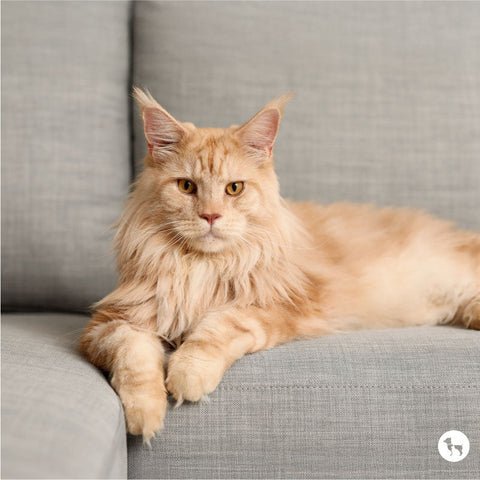
The Maine Coon is one of the largest domestic cats. Known for its long, thick fur and bushy tail, it looks like a wild cat. It has tufted ears and big paws. Maine Coons are friendly and playful, good with kids and pets. They enjoy interaction but also like quiet time.
Savannah
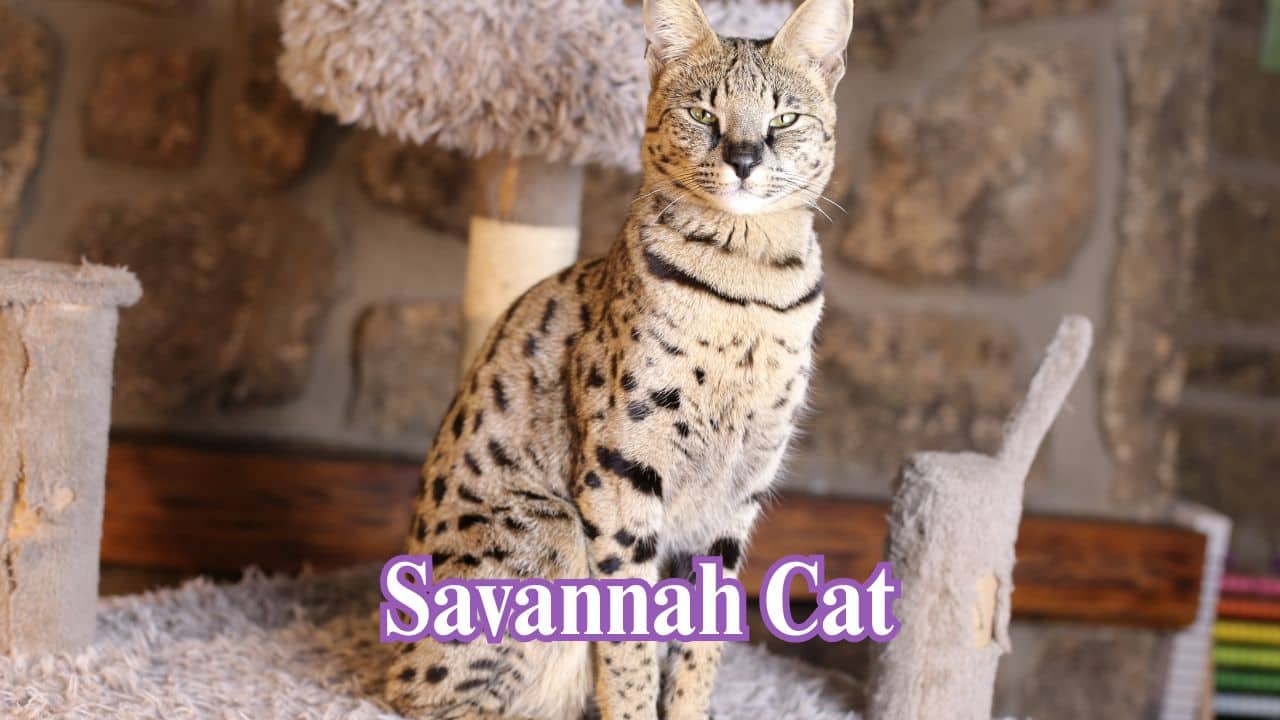
The Savannah cat is a cross between a domestic cat and a wild serval. It has a tall, slender body and spotted coat. Savannahs are very active and curious. They need lots of play and mental stimulation. These cats bond closely with their owners and love attention.
Norwegian Forest Cat
The Norwegian Forest Cat has a strong, muscular build. It has a thick double coat to survive cold weather. These cats are excellent climbers and hunters. They are calm, affectionate, and adapt well to families. Norwegian Forest Cats enjoy outdoor access but stay loyal to home.
Ragdoll
Ragdolls are large, soft, and fluffy cats. Their name comes from their tendency to go limp when held. They have striking blue eyes and a gentle temperament. Ragdolls are calm and loving, making them great companions. They prefer indoor living and quiet environments.
Bengal
Bengals have a distinctive spotted or marbled coat. They look like miniature leopards. Bengals are active and intelligent cats. They enjoy climbing and playing with toys. These cats form strong bonds with their owners and need lots of interaction. Their wild look matches their energetic nature.
Credit: www.moneycontrol.com
Physical Traits Of Giant Cats
Giant domesticated cat breeds stand out not just because of their size but also due to their unique physical traits. Understanding these traits helps you appreciate their charm and care for them better. Let’s dive into what makes these cats truly giant in appearance and presence.
Size And Weight
Giant cats can weigh anywhere between 15 to over 25 pounds, with some reaching up to 30 pounds. Their length often exceeds 3 feet from nose to tail tip, making them quite a sight. You might be surprised how their size doesn’t always mean they’re less agile or playful.
Have you ever wondered how a cat that large moves so gracefully? Their size demands strong muscles and sturdy bones, which also means you need to provide adequate space and support for their activity.
Coat And Colors
The coat of giant cats varies widely, from short and dense to long and flowing. Many breeds, like the Maine Coon, boast a thick, water-resistant fur that keeps them warm and comfortable. Colors range from classic tabby and solid shades to striking patterns like tortoiseshell or calico.
- Thick fur helps in cold climates but requires regular grooming.
- Color patterns can affect how often you need to clean and maintain their coat.
- Unique markings make each giant cat visually distinct and memorable.
Distinctive Features
Giant cats often have notable features such as large tufted ears, bushy tails, and expressive eyes. These features are not just for show—they help regulate body temperature and enhance their senses. For example, the tufted ears of a Norwegian Forest Cat protect their ears from snow and cold.
Have you noticed how their paw size matches their body scale? Large paws help them move quietly and maintain balance, which is crucial for their hunting instincts and everyday agility.
Temperament And Personality
Large domesticated cat breeds have distinct temperaments that make them unique companions. Their personality traits often blend strength with gentleness. Understanding their nature helps in creating a happy home for these majestic pets.
Affection Levels
Many large cat breeds show deep affection toward their owners. They enjoy close contact and often seek attention. Some can be very cuddly, while others prefer gentle pats. These cats form strong bonds and love to be near family members.
Social Behavior
Big cats tend to be social but vary in how they interact. Some enjoy meeting new people and other pets. Others may be shy or reserved around strangers. They usually thrive in calm environments where they feel safe and accepted.
Activity And Playfulness
Despite their size, many large cats are playful and energetic. They like toys, climbing, and exploring their space. Regular playtime helps keep them healthy and happy. These cats enjoy mental and physical challenges that stimulate their minds.

Credit: worldanimalfoundation.org
Care Needs For Large Cats
Large domesticated cats demand more than just love and attention—they need care tailored to their size and unique needs. Overlooking these can lead to health issues or behavioral problems. Understanding their care requirements helps you provide a happy and healthy life for your big feline friend.
Diet And Nutrition
Your large cat’s diet must support their muscle mass and energy levels. Feeding them high-protein food with the right balance of fats and vitamins is essential. Avoid overfeeding; obesity can be a serious risk in bigger cats.
Consider special diets designed for large breeds or active cats. Fresh water should always be available to keep them hydrated. Have you noticed your cat’s eating habits changing? That’s often a signal to adjust their diet or consult your vet.
Exercise Requirements
Big cats need plenty of exercise to stay fit and mentally sharp. Daily play sessions with interactive toys or climbing structures can prevent boredom and destructive behavior. Make sure your cat has space to stretch and move freely.
Think about setting up vertical spaces like cat trees or shelves. These help mimic their natural instincts and keep them active. Could your home setup encourage more movement for your large cat?
Grooming Tips
Large cats usually have thick coats that require regular grooming. Brushing your cat several times a week helps reduce shedding and prevents hairballs. It also gives you a chance to check for skin issues or parasites.
Bathing isn’t often needed but might be necessary if your cat gets into something sticky or dirty. Use a gentle brush and nail clippers sized for larger cats. How often do you take time to groom your cat? Making it a routine can strengthen your bond.
Health Concerns In Big Breeds
Large domesticated cat breeds are impressive companions, but their size brings unique health challenges. Understanding these concerns helps you provide the best care for your big feline friend. Let’s look closely at the common health issues, preventive care, and what you can expect in terms of lifespan.
Common Health Issues
Big cat breeds often face joint problems like hip dysplasia and arthritis. Their heavy weight puts extra pressure on bones and joints, leading to discomfort and mobility issues.
Heart conditions such as hypertrophic cardiomyopathy (HCM) are also more common in larger cats. This disease thickens the heart walls, reducing efficiency and causing serious complications.
Obesity is a frequent concern, especially if activity levels drop. Overweight cats risk diabetes, liver disease, and shorter lifespans. Have you noticed your big cat slowing down or gaining weight unexpectedly?
Preventive Care
Regular vet check-ups are crucial to catch problems early. Ask your vet to screen for heart issues and joint health during exams.
Maintaining a balanced diet tailored to large breeds helps control weight. High-quality protein and controlled portions support muscle without adding unnecessary fat.
Exercise is just as important. Encourage playtime that keeps your big cat active without stressing joints—gentle climbing and interactive toys work well.
Lifespan Expectations
Large cat breeds typically live between 10 to 15 years, depending on breed and care. Genetics play a big role, but your daily choices impact their quality and length of life.
Providing proper nutrition, exercise, and preventive care can add years to your cat’s life. How are you adjusting your care routine to meet the needs of your larger feline companion?
Choosing The Right Giant Cat
Choosing the right giant cat requires thought and care. Large cat breeds need special attention to fit well into your home and lifestyle. Their size affects space, social needs, and care routines. Knowing these factors helps find the perfect match for your family and living situation.
Living Space Considerations
Large cats need more room to move and explore. A small apartment might feel crowded for them. They enjoy climbing and stretching, so vertical space matters. Provide tall cat trees or shelves for exercise.
Consider noise and activity levels. Some big cats are active and playful. Quiet spaces help them relax. Think about safe outdoor access if possible.
Compatibility With Families
Large cats can be gentle giants or energetic companions. Some breeds love kids and other pets. Others prefer calm and quiet environments. Match the cat’s personality with your family’s lifestyle.
Teach children how to handle big cats gently. Respect their space and needs. Large cats may need time to adjust to new people.
Adoption Vs. Breeder
Adopting a giant cat can save a life and reduce shelter populations. Many large cats wait for loving homes. Adoption fees are often lower than breeder prices.
Breeders offer specific breeds and pedigrees. They provide health and lineage information. Choose reputable breeders with good reviews. Avoid places that seem unreliable or overcrowded.
Both choices need research and preparation. Make sure the cat fits your home and heart.

Credit: worldanimalfoundation.org
Frequently Asked Questions
What Are The Largest Domesticated Cat Breeds?
The largest domesticated cat breeds include the Maine Coon, Savannah, and Ragdoll. These cats are known for their impressive size and friendly nature, making them popular pets for families and cat enthusiasts alike.
How Big Do Large Cat Breeds Typically Grow?
Large cat breeds can weigh between 15 to 25 pounds or more. They often measure up to 40 inches in length, including their tails, making them significantly bigger than average house cats.
Are Large Cat Breeds Good For Families?
Yes, large cat breeds like the Maine Coon and Ragdoll are gentle and social. They usually get along well with children and other pets, making them excellent family companions.
What Special Care Do Large Cats Require?
Large cats need ample space, a nutritious diet, and regular vet check-ups. They also benefit from interactive play and grooming to maintain their health and happiness.
Conclusion
Large domesticated cat breeds make wonderful pets for many families. They often have gentle, friendly personalities. These cats enjoy attention and love to play. Their size can be surprising, but they are usually calm. Knowing their traits helps you care for them better.
Each breed has unique needs and habits. Choosing the right big cat can bring joy to your home. Remember to give them love, space, and proper care. Big cats can be loyal companions for years. They add warmth and charm to any family life.
