

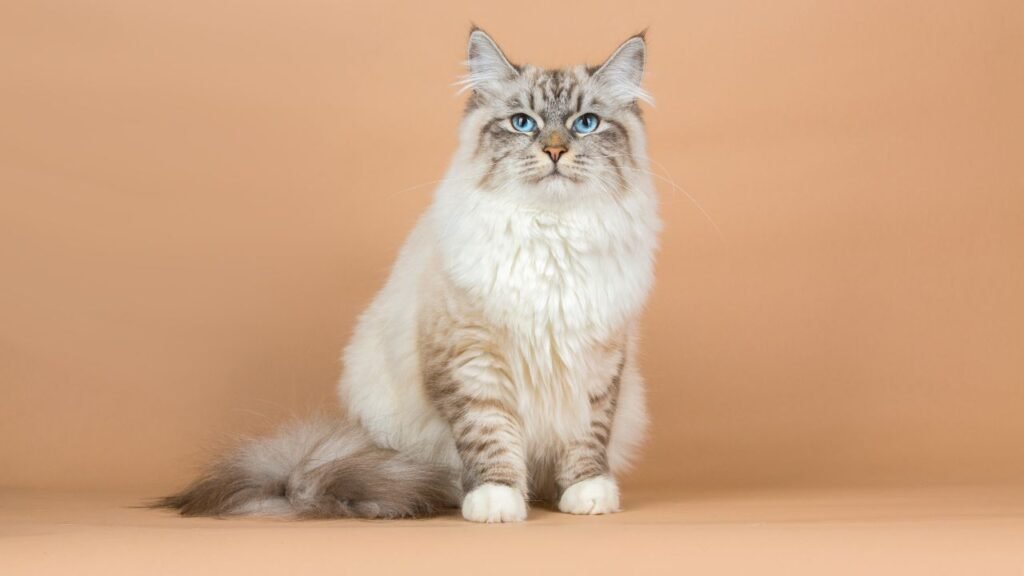
Imagine gazing into the mesmerizing eyes of a majestic Maine Coon or feeling the powerful purr of a robust Bengal cat. These large cat breeds captivate with their striking appearances and intriguing personalities.
If you’ve ever wondered what life with one of these magnificent creatures is like, you’re in for a treat. This article will unravel the fascinating world of large cat breeds, exploring their unique traits, habits, and how they might fit into your home and heart.
Curious about which one might be the perfect companion for you? Keep reading to discover the charm and allure of these gentle giants.
Big Cat Species
Big cat species are among the most powerful and majestic animals on Earth. These large cats are known for their strength, speed, and striking beauty. They live in various habitats, from dense jungles to open savannas. Each species has unique features and behaviors that make them fascinating to study and observe.
Lion
Lions are social cats that live in groups called prides. They are known as the “king of the jungle” due to their strength and courage. Male lions have a thick mane that protects their neck during fights. Lions mainly hunt large herbivores like zebras and wildebeests.
Tiger
Tigers are the largest of all big cats. They have distinctive orange coats with black stripes. Tigers are solitary animals and prefer dense forests. They are excellent swimmers and often cool off in water. Their powerful build helps them take down large prey.
Leopard
Leopards are skilled climbers and often rest in trees. Their spotted coat provides great camouflage in the wild. Leopards are very adaptable and live in many environments. They hunt at night and eat a wide range of animals, from birds to antelopes.
Jaguar
Jaguars are found mainly in Central and South America. They have a strong jaw that can crush turtle shells. Jaguars have rosette-patterned fur similar to leopards but are more muscular. They often hunt near water and enjoy swimming.
Cheetah
Cheetahs are the fastest land animals, capable of reaching speeds up to 70 mph. They have slender bodies and long legs designed for speed. Unlike other big cats, cheetahs cannot roar. They hunt during the day, using their speed to catch prey.
Physical Characteristics
Understanding the physical characteristics of large cat breeds helps you appreciate their unique beauty and strength. These features are not just about looks—they reveal how these majestic animals have adapted to their environments. Let’s break down what makes each breed stand out.
Size And Weight
Large cat breeds vary widely in size and weight, shaping their hunting styles and habitats. Some, like the Maine Coon, can weigh up to 25 pounds, while others, like the Savannah cat, may weigh between 12 to 25 pounds but appear taller due to their long legs.
Ever held a large cat in your arms? Their size can surprise you, especially if you expect a typical housecat. This size difference affects how you interact with them and what kind of space they need.
Coat Patterns
Their coat patterns do more than please the eye—they provide camouflage and express genetic traits. You’ll see spots, stripes, and rosettes that echo the wild ancestors of these breeds.
- Bengal catssport a striking leopard-like spotted or marbled coat.
- Norwegian Forest catshave thick, water-resistant coats with subtle tabby markings.
- Chausiesoften have a short, ticked coat resembling wild jungle cats.
Do you notice how these patterns help them blend into their natural surroundings? It’s a blend of beauty and survival.
Distinctive Features
Large cat breeds often have unique traits that make them instantly recognizable. For instance, the Maine Coon’s tufted ears and bushy tail give it a wild look, while the Savannah’s tall, slender frame and large ears hint at its serval ancestry.
These distinctive features are not just about appearance—they impact behavior and care needs. When choosing a breed, consider how these traits fit your lifestyle and environment.
Habitat And Range
Understanding the habitat and range of large cat breeds helps you appreciate how these majestic creatures survive and thrive in the wild. Their environments shape their behavior, hunting skills, and even physical traits. Let’s look closer at where they live and how they adapt to their surroundings.
Natural Environments
Large cats inhabit diverse natural environments, from dense rainforests to open savannas and snowy mountains. Tigers often prefer thick forests and mangrove swamps, where they can hide and stalk prey quietly. Lions, on the other hand, dominate grasslands and savannas, using open spaces for group hunting strategies.
Have you ever wondered how these cats choose their territories? It usually comes down to food availability, water sources, and shelter. Each environment offers unique challenges and opportunities that these cats have mastered over centuries.
Geographical Distribution
Large cats are spread across several continents, each species occupying specific regions. The jaguar is native to Central and South America, thriving in the Amazon rainforest. Leopards have a broad range across Africa and parts of Asia, adapting to various climates.
Consider the snow leopard, which lives in the rugged mountain ranges of Central Asia. Its distribution shows how isolation in harsh environments can lead to specialized survival skills. Where do you think your favorite big cat lives, and how does the location influence its lifestyle?
Adaptations To Habitat
Each large cat breed has physical and behavioral adaptations shaped by its habitat. For example, the snow leopard has thick fur and wide paws to walk on snow, while lions have short coats suited for heat. These adaptations improve their chances of survival in specific conditions.
Behavioral adaptations matter too. Tigers are mostly solitary, relying on stealth in dense forests. Lions form prides to hunt large prey in open areas. When observing these animals, notice how their movements and social structures reflect their environment.
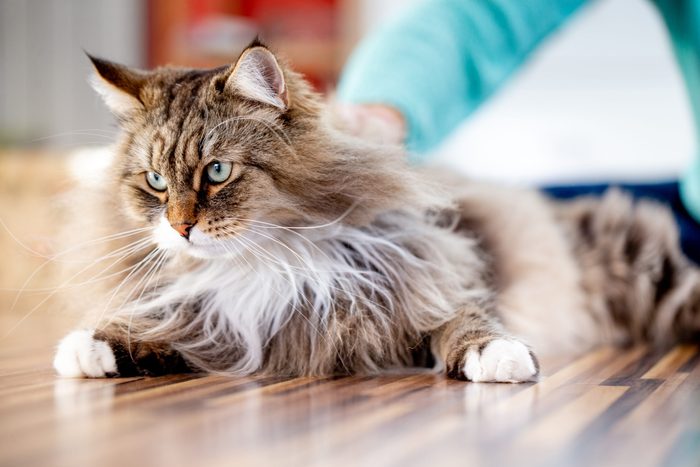
Credit: www.rd.com
Behavior And Lifestyle
Understanding the behavior and lifestyle of large cat breeds offers a fascinating glimpse into their survival strategies and social interactions. These majestic animals showcase a variety of unique traits that help them thrive in diverse environments. Observing their habits can also deepen your appreciation for their adaptability and intelligence.
Hunting Techniques
Large cats use different hunting methods depending on their environment and prey. Some, like the leopard, rely on stealth and patience, silently stalking their target before a sudden pounce. Others, such as lions, prefer teamwork, coordinating with pride members to corner and overpower prey.
Have you ever noticed how a tiger uses its powerful limbs to ambush from dense cover? This surprise attack technique minimizes energy spent and increases the chance of a successful kill. Understanding these methods can help you see how every movement and choice they make is purposeful.
Social Structure
Most large cats lead solitary lives, but lions are a notable exception with their complex pride systems. Within a pride, roles are clearly defined—males defend territory while females focus on hunting and caring for cubs. This social setup boosts survival but also creates competition and hierarchy.
Solitary cats like tigers mark large territories to avoid conflicts, using scent and scratches to communicate boundaries. This independence forces them to be highly self-reliant, sharpening skills that solitary living demands. How would your behavior change if you had to rely solely on yourself every day?
Communication Methods
Large cats communicate through vocalizations, body language, and scent marking. Roars, growls, and chuffing sounds convey different messages, from warnings to greetings. For example, a lion’s roar can be heard miles away, serving as a powerful territorial signal.
Body posture also plays a key role; a raised tail or flattened ears instantly shows mood and intention. Scent marking is another silent but effective way these cats communicate territory and reproductive status. Paying attention to these signs can reveal much about their current state and intentions.
Conservation Status
The conservation status of large cat breeds reveals the urgent challenges these magnificent creatures face. Their survival depends on understanding the threats they encounter and the efforts made to protect them. As you read on, consider how your awareness and actions can influence their future.
Threats To Survival
Large cats struggle against habitat loss, poaching, and human-wildlife conflict. Forests and grasslands shrink as humans expand cities and farms. This loss leaves cats with fewer places to hunt and live.
Illegal hunting targets big cats for their fur, bones, and body parts. These are sold in black markets, fueling demand that pushes some species closer to extinction.
Have you ever thought about how your daily choices might impact these animals? Even small actions, like supporting sustainable products, can help reduce habitat destruction.
Protective Measures
Conservationists use protected areas and wildlife corridors to give large cats safe spaces. These zones reduce conflicts between people and predators.
Anti-poaching patrols and stricter laws help curb illegal hunting. Technology like drones and camera traps improves monitoring efforts.
Communities living near big cats benefit from education and incentives to promote coexistence. When locals see value in preserving wildlife, they become powerful allies.
Successful Conservation Stories
The recovery of the Amur tiger in Russia shows how focused efforts can bring a species back from the brink. Numbers have risen thanks to habitat protection and anti-poaching campaigns.
In India, the reintroduction of the Asiatic lion to protected parks has stabilized their population. This success highlights the importance of careful planning and community involvement.
These stories prove that progress is possible. What role could you play in supporting these victories for large cats?

Credit: worldanimalfoundation.org
Fascinating Facts
Large cat breeds are more than just impressive in size. They hold stories and surprises that can deepen your appreciation for these majestic animals. Learning fascinating facts about them reveals their true nature and the unique place they occupy in our world.
Record Holders
Did you know the Savannah cat is one of the tallest domestic cats? Some can reach over 17 inches at the shoulder. Their height rivals that of small dogs, making them truly stand out.
The Maine Coon holds the title for the longest domestic cat breed. Some Maine Coons stretch up to 40 inches from nose to tail tip. This record is a testament to their sturdy build and playful personality.
Cultural Significance
Large cats often appear in folklore and symbolism across cultures. The Bengal cat, for example, is admired for its wild-looking coat, resembling the Asian leopard. This connection to the wild has made Bengals a favorite in stories about strength and beauty.
In ancient Egypt, cats were revered and linked to protection and luck. Today, breeds like the Egyptian Mau carry that legacy with their striking spotted coats and graceful demeanor. Have you ever thought about how these cultural ties affect the way we view and treat our feline friends?
Unique Abilities
Many large cat breeds showcase surprising skills that you might not expect. The Norwegian Forest cat, built for cold climates, has water-resistant fur and strong claws perfect for climbing trees. These traits show how nature shapes their survival tactics.
Another example is the Chausie, a hybrid breed with exceptional agility and high energy levels. Their wild ancestry gives them hunting instincts and physical abilities that challenge your typical housecat’s behavior. Imagine the kind of playtime and interaction these abilities require!
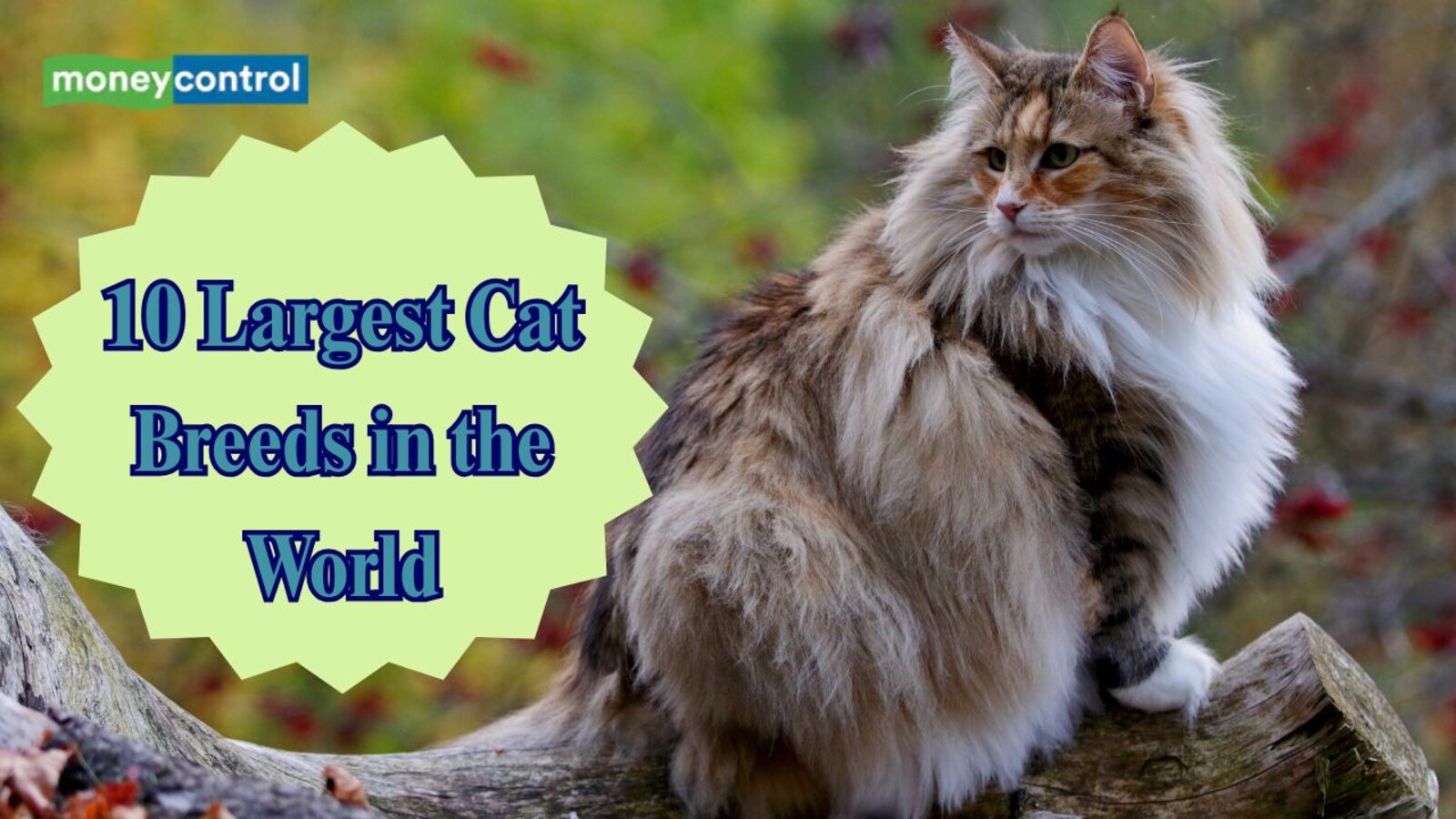
Credit: www.moneycontrol.com
Frequently Asked Questions
What Are The Most Popular Large Cat Breeds?
Popular large cat breeds include Maine Coon, Savannah, and Bengal. These cats are known for their size, strength, and unique markings. They make great pets for owners who want a bigger feline companion with a friendly temperament.
How Big Do Large Cat Breeds Typically Get?
Large cat breeds can weigh between 15 to 30 pounds or more. They usually measure 15 to 40 inches in length. Size varies by breed, with some like the Maine Coon growing exceptionally large compared to standard domestic cats.
Are Large Cat Breeds Suitable For Apartment Living?
Many large cat breeds adapt well to apartments if given enough space. They need interactive toys and regular playtime to stay healthy. Proper care and attention help large cats thrive indoors despite their size.
Do Large Cat Breeds Require Special Diets?
Large cat breeds often need high-protein diets to support muscle growth. Their food should be rich in nutrients and low in fillers. Consult a vet for breed-specific dietary recommendations to maintain optimal health and weight.
Conclusion
Large cat breeds are truly fascinating animals. They combine strength with beauty in unique ways. Each breed has its own special traits and care needs. Choosing the right large cat depends on your lifestyle and space. These cats can bring joy and companionship to many homes.
Remember to learn about their habits before bringing one home. Caring for large cats takes time and patience. Enjoy the wonder and charm these big cats offer every day.
