

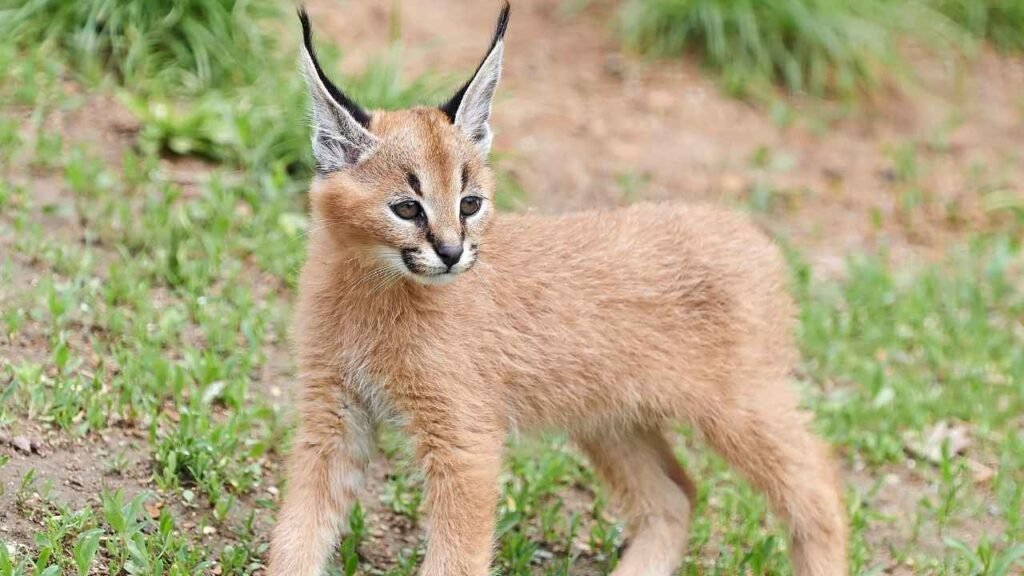
Are you fascinated by the idea of sharing your home with a feline that resembles a wild jungle cat? Large cat breeds with an exotic flair might be just what you’re looking for.
Imagine the thrill of having a majestic cat with striking features lounging in your living room, or the joy of watching it gracefully roam your garden. These captivating creatures offer not just companionship but a unique touch of wilderness to your daily life.
You’ll discover some of the most intriguing large cat breeds with exotic traits, perfect for those who dare to step beyond the ordinary. Let’s dive in and explore which of these magnificent cats could become your next furry family member.
Credit: www.petsradar.com
Top Large Exotic Cat Breeds
Large exotic cat breeds attract many pet lovers. They offer a mix of wild looks and gentle nature. These cats stand out with their size, beauty, and unique personalities.
Each breed has special traits. They need space and care to thrive. Knowing their features helps pick the right cat for your home.
Maine Coon
The Maine Coon is one of the biggest domestic cats. It has long fur and tufted ears. This breed is friendly and loves attention. It adapts well to families with kids and other pets.
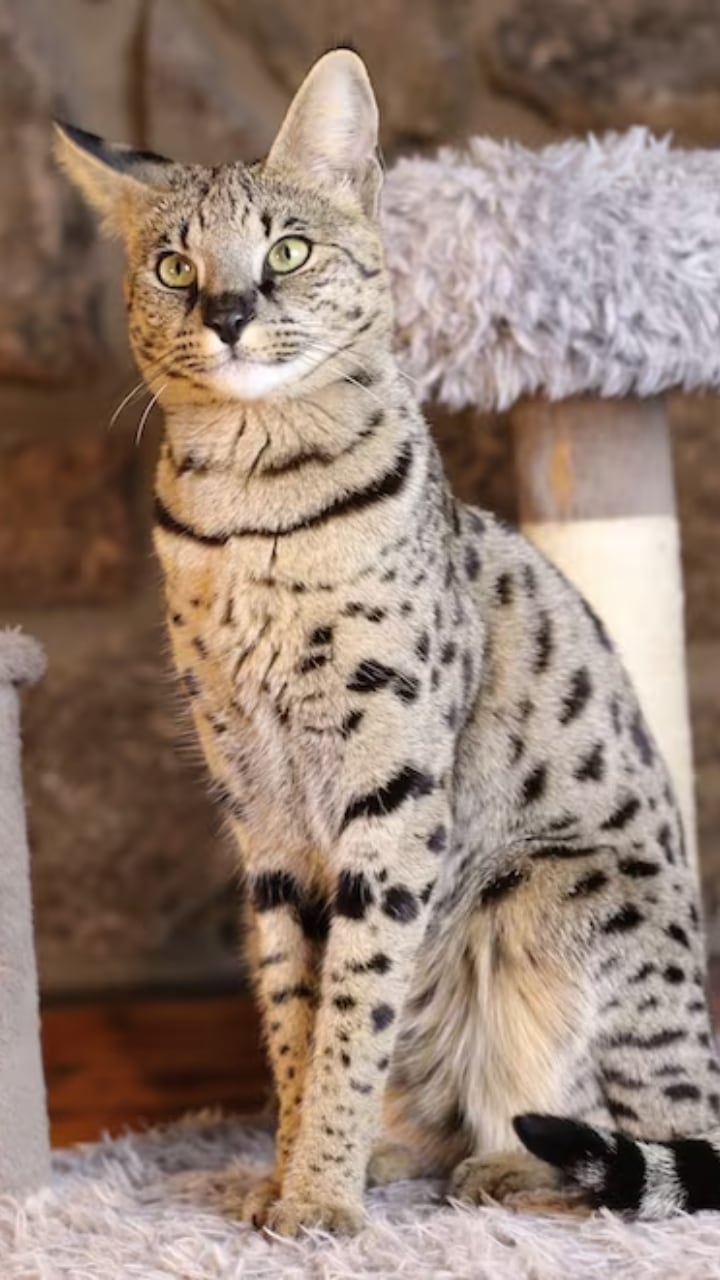
Savannah Cat
Savannah cats have a wild, spotted look. They come from crossing domestic cats with servals. These cats are active and curious. They enjoy playing and exploring their environment.
Norwegian Forest Cat
Norwegian Forest Cats have thick coats for cold climates. They are strong and agile climbers. This breed is calm and social. It loves spending time with its human family.
Chausie
Chausies are a mix of domestic cats and wild jungle cats. They have a sleek, muscular body. These cats are very energetic and intelligent. They need lots of playtime and mental stimulation.
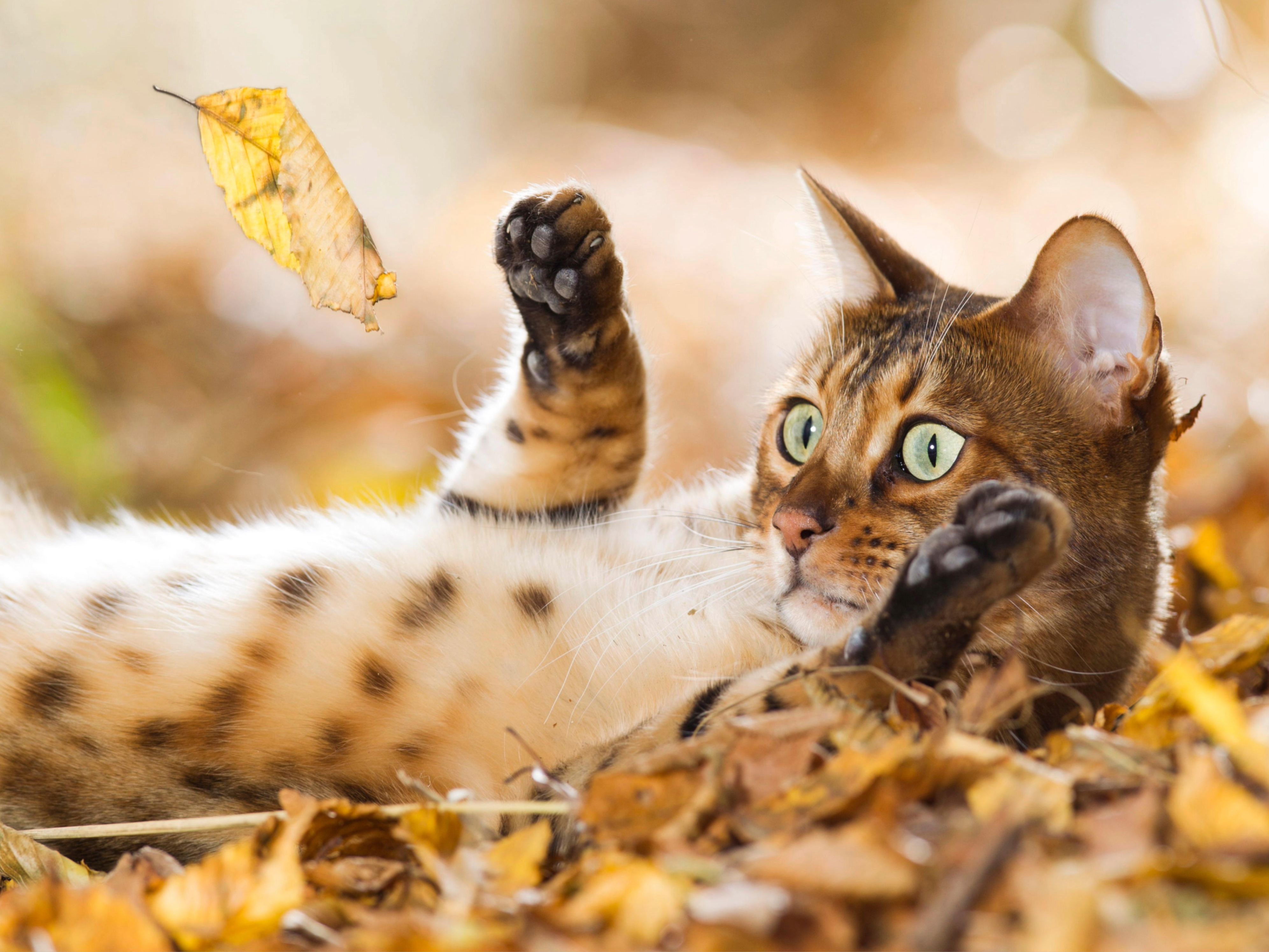
Bengal Cat
Bengal cats look like little leopards. Their coats have striking spots and rosettes. They are playful and love interaction. Bengals enjoy games that challenge their minds and bodies.
Credit: indianexpress.com
Physical Traits Of Giant Cats
Giant cats captivate with their impressive physical traits. Their size alone sets them apart from typical cat breeds. These cats combine strength with grace, showing a unique blend of power and beauty. Their physical features tell stories of their wild ancestry and exotic origins.
Size And Weight Range
Large cat breeds can weigh between 15 to 30 pounds or more. Some giants reach lengths over 3 feet, excluding their tails. These cats have sturdy, muscular bodies that support their large frames. Their size gives them a commanding presence in any room.
Distinctive Fur Patterns
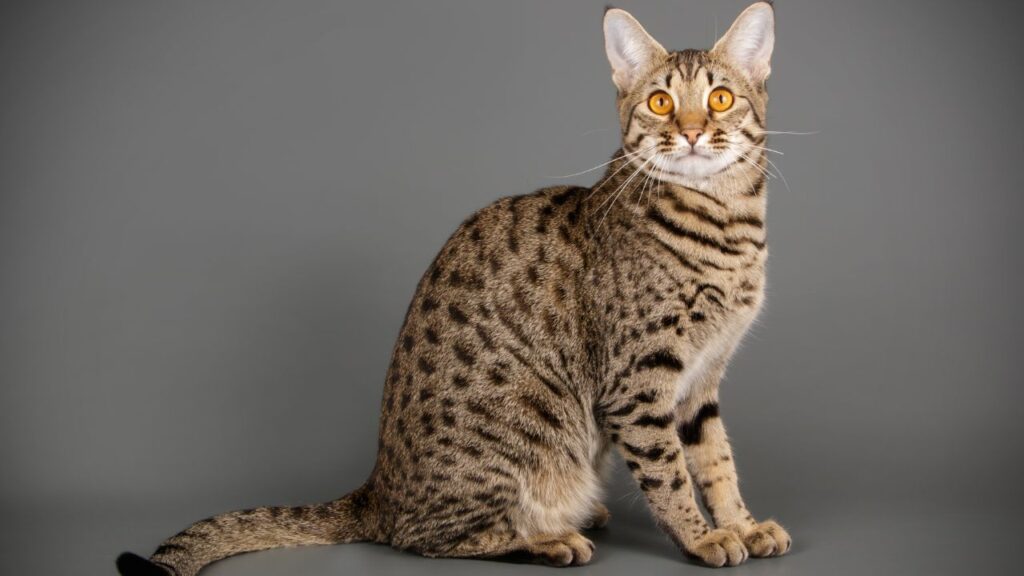
Fur patterns on giant cats vary widely. Many show bold spots, stripes, or marbled designs. These patterns often mimic wild cats like leopards or tigers. Their thick, soft coats can be short or medium in length. Colors range from classic browns and grays to rare silvers and creams.
Eye Colors And Shapes
Giant cats often have striking eye colors, such as green, gold, or blue. Their eyes tend to be large and almond-shaped. This shape adds to their alert and expressive look. Bright eyes contrast beautifully with their fur patterns, enhancing their exotic appeal.
Personality Traits Of Large Exotic Cats
Large exotic cat breeds have unique personality traits that make them special companions. Their size does not mean they lack warmth or affection. These cats often blend wild looks with gentle behavior. Understanding their traits helps owners build strong bonds and provide proper care.
Temperament And Behavior
Large exotic cats usually have calm and confident temperaments. They enjoy quiet environments and dislike loud noises. Many are affectionate and seek attention from their owners. Some show independent streaks but still value companionship. They often display a regal and dignified presence in the home.
Social Needs And Interaction
These cats thrive on social interaction but in small doses. They prefer one or two close human friends rather than crowds. Regular playtime and gentle petting satisfy their social cravings. They can form strong bonds with family members. Socializing with other pets depends on the cat’s personality and upbringing.
Intelligence And Playfulness
Large exotic cats are intelligent and curious by nature. They learn new tricks and routines quickly. Interactive toys and puzzles keep their minds sharp. Playfulness often lasts well into adulthood. They enjoy activities that mimic hunting and exploring. Mental stimulation is key to their happiness and health.
Credit: worldanimalfoundation.org
Care Tips For Large Exotic Cats
Large exotic cat breeds require special care that matches their unique size and temperament. Meeting their needs can be challenging but rewarding. Understanding how to properly care for these majestic animals ensures they stay healthy and happy in your home.
Nutrition And Diet
Large exotic cats need a diet rich in protein to support their muscle mass. High-quality commercial cat food designed for large breeds works well, but adding raw or cooked meat can boost their nutrition.
Watch their weight closely. Overfeeding can lead to obesity, which strains their joints and organs. Consult your vet to create a meal plan tailored to your cat’s age and activity level.
Exercise And Space Requirements
These cats are active and need plenty of space to move around. A cramped environment can lead to stress and behavioral issues.
Set up climbing structures, scratching posts, and interactive toys. They love to explore and climb, so vertical space is as important as floor space.
Have you noticed how your cat reacts when confined? Providing enough room to roam can transform their mood and energy levels.
Grooming Needs
Large exotic cats often have thick coats that need regular grooming to prevent mats and hairballs. Brush them several times a week to keep their fur smooth and healthy.
Pay attention to their claws and ears too. Trim nails regularly and check ears for dirt or signs of infection.
Grooming time can be a bonding experience. Your cat will appreciate the attention, and you’ll spot any health issues early.
Choosing The Right Giant Cat For You
Choosing the right giant cat breed means more than just loving their impressive size. You need a match that fits your daily routine, home environment, and long-term plans. Think about how these gentle giants will blend into your life and what you can realistically offer them.
Assessing Your Lifestyle
Giant cat breeds like Maine Coons or Savannahs need space to roam and play. Do you have enough room at home for their energy and curiosity? If you work long hours or travel often, consider how your absence might affect their well-being.
Remember, these cats often crave interaction and mental stimulation. You might need to create a schedule that includes playtime or invest in engaging toys. Ask yourself: Can you provide daily attention to keep a large cat happy and healthy?
Compatibility With Other Pets
Large cats often coexist peacefully with other pets, but it depends on their personality and history. Are your current pets used to new animal introductions? Some giant breeds are more social and adaptable, while others prefer being the only pet.
Introducing a new cat to dogs or smaller animals requires patience and careful monitoring. Think about your other pets’ temperaments and how they might react to a big, curious newcomer. Could your household handle the dynamics of adding a large feline?
Cost And Commitment
Owning a giant cat means higher costs for food, vet care, and accessories. Their bigger size often requires larger litter boxes, bigger beds, and more food. Are you prepared for these ongoing expenses?
Beyond money, consider the time and emotional commitment. Giant cats often live 12 to 15 years or more and need consistent care throughout. Do you see yourself dedicated to a large feline companion for the long haul?
Common Health Issues In Large Cat Breeds
Large cat breeds are fascinating creatures with unique health needs. Their size brings special challenges that you should be aware of to keep them thriving. Understanding common health issues helps you provide the best care and catch problems early.
Genetic Conditions
Many large cat breeds carry genetic conditions that affect their well-being. For example, Maine Coons often face hypertrophic cardiomyopathy, a heart disease that can lead to sudden health decline. Bengal cats may inherit progressive retinal atrophy, causing vision problems as they age.
Knowing your cat’s breed risks lets you prepare and watch for early signs. Have you ever noticed subtle changes in your cat’s behavior or energy? Those might be clues to underlying genetic issues.
Preventive Care
Preventive care is your best defense against health problems in large cats. Feeding a balanced diet tailored to their size supports joint health and prevents obesity, which is common in bigger breeds. Regular grooming also reduces the risk of skin issues and hairballs, especially in long-haired varieties.
Vaccinations and parasite control protect your cat from infectious diseases. What daily habits do you have that help keep your cat healthy and happy? Small changes can make a big difference.
Regular Vet Checkups
Scheduling regular vet visits is crucial for large cat breeds. A vet can spot early signs of illness that you might miss, such as dental disease or arthritis. Annual blood work and heart screenings are especially important for breeds prone to genetic conditions.
Don’t wait for visible symptoms to visit the vet. Have you set up a routine health check schedule for your cat? Staying proactive ensures your feline friend enjoys a long, healthy life.
Frequently Asked Questions
What Are The Most Popular Large Exotic Cat Breeds?
Popular large exotic cat breeds include Maine Coon, Savannah, Bengal, and Norwegian Forest cats. They are known for their size and unique looks. These breeds are social, intelligent, and require regular grooming and care.
How Big Do Large Exotic Cat Breeds Usually Get?
Large exotic cat breeds typically weigh between 15 to 30 pounds. Some, like the Maine Coon, can grow over 3 feet long including the tail. Their size varies based on genetics, diet, and overall health.
Are Large Exotic Cat Breeds Suitable For Families?
Yes, many large exotic cats are friendly and great with children. They enjoy social interaction and can adapt well to family life. However, they need space to play and mental stimulation to stay happy.
What Special Care Do Large Exotic Cats Require?
Large exotic cats need regular grooming to prevent matting. They also require a balanced diet to maintain their size and health. Regular vet visits and ample playtime are crucial for their well-being.
Conclusion
Large cat breeds bring charm and strength to any home. They need space, care, and love to thrive. These cats often have gentle and friendly natures. Choosing a large exotic breed means enjoying their unique beauty daily. Remember, each cat has its own personality and needs.
Consider your lifestyle before welcoming one into your family. Large cats can be wonderful companions for many years. Their size and looks make them special pets to admire. Embrace the joy and calm they offer every day.
